
(DISCLAIMER: I am not a doctor, and you should consult your healthcare professional before starting any health regimen. Some links are commissioned and supports the blog)

Key Takeaways:
- Balsam fir oil can support a calm mood and a “fresh air” feeling at home.
- It’s handy for wintertime room refresh and cozy diffuser blends.
- Topical use can feel comforting for tight, sore-feeling muscles (dilute it).
- Safety basics matter: dilute, patch test, don’t over-diffuse.
- Use extra caution with kids, pets, pregnancy, asthma, and scent sensitivity.
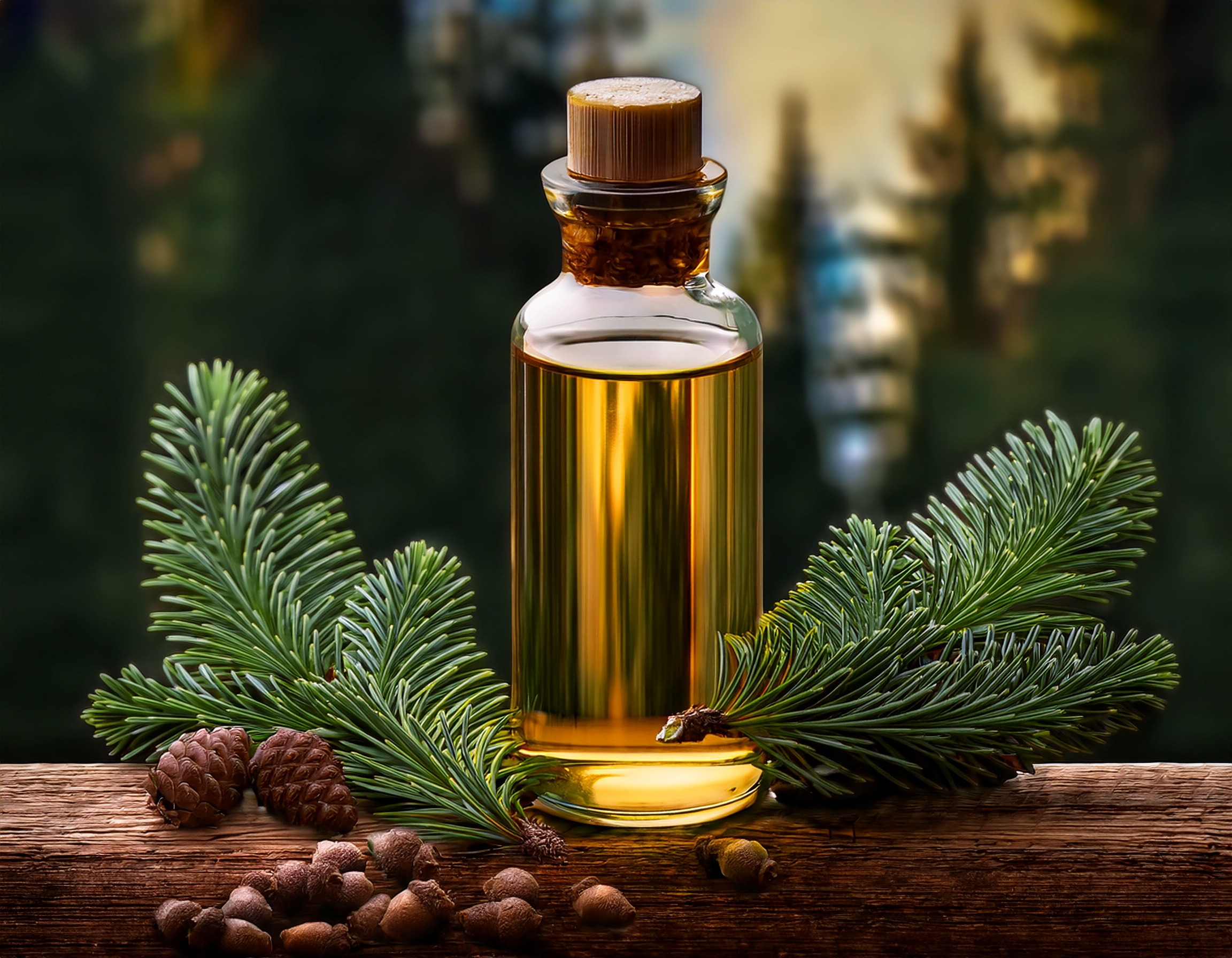
The first time you smell balsam fir, it can feel like stepping into a quiet evergreen trail after fresh snow. The air seems cooler, cleaner, almost sweet, like sap warming on bark near a cabin door.
Balsam fir essential oil is typically steam-distilled from the needles and twigs of Abies balsamea. People love it for simple reasons: it smells crisp without being harsh, it makes a room feel freshly aired out, and it fits beautifully into unwind-time rituals.
What makes balsam fir oil feel so calming and clean
Balsam fir’s aroma is crisp, resinous, and slightly sweet, like a clean scarf pulled from a cedar chest. Many people diffuse it when they want their space to feel calm, bright, and “just opened the windows” fresh, even when it’s freezing outside.
If you like reading ingredient details, you may see natural constituents listed on lab reports, often alpha-pinene, beta-pinene, and bornyl acetate. In plain language, these are aromatic plant compounds that shape the oil’s piney smell and the cool, clear vibe it brings to a room. The exact makeup can change with the harvest, region, and even the batch, so one brand’s balsam fir may smell a touch sweeter or sharper than another.
Quality matters more than fancy marketing. Look for:
- The botanical name Abies balsamea on the label
- A listed country of origin
- Some form of third-party testing (often GC/MS is mentioned)
- Smart storage: a cool, dark place with the cap on tight (oxygen and heat can flatten the scent)
Balsam fir vs other piney oils (fir needle, pine, spruce)
If you’ve tried pine or spruce oils and found them too sharp, balsam fir often feels like the softer cousin. Pine can smell more punchy and bright, spruce can lean sharper and “brisk,” and fir needle oils can vary a lot by species. The wellness uses overlap in everyday aromatherapy, so your best guide is simple: pick the scent you’ll actually want to smell for 30 minutes.
Balsam fir essential oil benefits you can actually use in daily life
Balsam fir oil isn’t about big promises. It’s about small moments that change the feel of a day: the way a room smells when you’re folding laundry, the tone of your evening when your mind feels loud, the comfort of a warm rub after a long walk.
Think of it like bringing a clean evergreen note into your routine, without dragging in pine needles. Used carefully, it can support relaxation, make indoor spaces feel fresher, and add a cozy edge to body care blends.
Helps you unwind when your mind won’t switch off
That forest-like scent can act like a gentle cue for your nervous system: it’s time to unclench your jaw, drop your shoulders, and stop replaying the day. It won’t “knock you out,” but it can help set a calmer mood.
Try one of these:
- Diffuse 3 to 6 drops for 30 to 60 minutes, then take a break.
- Add 1 drop to a tissue and take a slow sniff (simple, fast, low-mess).
- Make a roll-on at 1 to 2 percent dilution for adults (about 2 to 4 drops per 10 ml carrier oil).
For a sleep-leaning blend, balsam fir pairs well with lavender or cedarwood. If you want more blend ideas for your diffuser, see these immunity-boosting diffuser recipes.
Makes rooms smell fresh, especially in winter or closed-up homes
Balsam fir is a classic “clean home” scent. The benefit here is mostly scent masking and the way evergreen aroma can make stale air feel lighter. It’s a great helper for entryways, bedrooms, and that one closet that never smells quite right.
A simple room spray idea (keep it realistic and safe): add water to a small spray bottle, then add a small amount of solubilizer (often Polysorbate 20) before adding essential oil, so it mixes better. If you skip a solubilizer, it can still work as a “shake before each use” spray, just remember the oil droplets can land in concentrated spots.
Spray into the air, not onto faces or pets, avoid eyes, and watch for slippery floors. It also shouldn’t replace cleaning or ventilation. If you’re building a more complete routine, this guide on DIY non-toxic cleaners with essential oils can help you freshen the home in a more practical way.
Comfort blends for achy days and tight muscles
After a workout, a long shift, or too many hours at a desk, the body can feel like it’s holding a quiet grudge. Balsam fir fits well in “comfort blends” because it smells clean and outdoorsy, and it can feel soothing when used with proper dilution.
Keep expectations grounded. This is temporary comfort and a pleasant sensory boost, not a treatment for injuries or chronic pain. If pain is intense, sudden, or persistent, it’s smart to check in with a clinician.
Massage oil and bath ideas that feel like a forest reset
For a simple massage blend, mix 1 tablespoon (15 ml) carrier oil (like jojoba, sweet almond, or fractionated coconut oil) with 2 to 4 drops of balsam fir (about 1 to 2 percent). Rub it into shoulders, calves, or hands slowly, like you’re warming cold clay.
If you want a more energizing edge, pair it with a tiny amount of peppermint or rosemary (keep peppermint low, it can be intense on skin).
For baths, remember this: essential oils don’t mix with water. They float and can hit the skin in one strong patch. Instead, mix 3 to 5 total drops into a small amount of carrier (a tablespoon of unscented bath oil) or a small amount of castile soap, then add it to the bath. If your skin is sensitive, use fewer drops and get out if irritation starts.
Post-workout foot rub and chest rub (when you want cozy breathing support)
Feet carry you all day, then complain at night. A diluted balsam fir foot rub can feel grounding, especially after standing or walking in winter boots. Massage a small amount into soles and arches, then put on cotton socks to keep the scent close.
Some people also like a very gentle chest or neck rub for a cozy “open-air” feeling, like breathing near a pine tree. Keep it mild and mindful, especially if you have asthma or strong fragrance sensitivity.
Safety notes that matter here: don’t apply to broken skin, keep it away from eyes and mucous membranes, wash hands after applying, and stop if you feel tightness, coughing, or irritation.
How to use balsam fir oil safely (and when to skip it)
Balsam fir essential oil is potent. The safest routines are simple ones: low dilution, short diffusion times, good ventilation, and a willingness to stop if your body doesn’t like it.
Fir oils aren’t typically known for photosensitivity the way some citrus oils are, but skin irritation can still happen. If you have asthma, COPD, migraines triggered by scent, or you’re pregnant or nursing, it’s wise to ask a qualified clinician before making it part of your routine.
Quick safety checklist: dilution, patch test, diffusing basics
- Adults: start at 1 percent dilution (about 2 drops per 10 ml carrier).
- Patch test: apply a small diluted amount to inner forearm, wait 24 hours.
- Diffuse smart: use a ventilated room, and take breaks (30 minutes on, 30 minutes off).
- Less is better: more drops doesn’t mean better results.
- Fire safety: keep oils away from flames and high heat.
- Storage: cap tight, store cool and dark. Conifer oils often smell best within 1 to 3 years. If it smells “off,” sour, or dull, replace it.
If you’re using essential oils for muscle and joint comfort often, you may also like this guide to essential oils for joint pain relief, with broader blend ideas and precautions.
Kids and pets: extra caution with strong evergreen oils
Evergreen oils can be too much for small bodies and sensitive noses. For kids, avoid topical use on very young children unless guided by a trained professional. For older kids, if used at all, keep blends very low (around 0.25 to 0.5 percent) and avoid using it near the face.
For pets, be cautious even with diffusing. Cats are at higher risk with essential oils, and both cats and dogs can become stressed by strong scents. If you diffuse, keep it brief, keep the door open, and make sure pets have an easy exit route.
Conclusion
Balsam fir essential oil brings the mood of an evergreen walk into ordinary life: calmer evenings, a fresher-smelling home, and supportive comfort blends for tight, sore-feeling muscles. Keep it pleasant and safe, dilute for skin, patch test first, and don’t over-diffuse.
Try one small experiment this week: a 10-minute evening diffusion, then notice how the room feels. Sometimes wellness starts with something as simple as breathing in a cleaner, quieter scent.
Stay Connected for More Natural Living Inspiration
If you enjoyed this post about herbal wellness and love discovering natural ways to refresh your home and wellness, don’t miss out on future recipes and clean-living tips! Subscribe to the blog for weekly DIYs, wellness inspiration, and herbal remedies delivered straight to your inbox.
Don’t forget to visit my LinkTree for the links to my favorite essential oils, herbal teas, natural recipes, YouTube ambiance videos for sleeping; a project I created to help with insomnia symptoms and the second channel, Rooted in Nature YouTube Channel both channels feature herbal recipes for wellness and home. Thanks for coming by!


Leave a Reply