
(DISCLAIMER: I am not a doctor, and you should consult your healthcare professional before starting any health regimen.)

Key Takeaways
- Thicken sauces and soups without a floury taste, arrowroot powder sets fast and looks glossy.
- Make smooth fruit fillings (even citrus ones) when you want a clear, bright finish.
- Improve gluten-free baking by helping textures feel lighter and less gummy.
- Add crispness to frying with a delicate coating that doesn’t feel heavy.
- Soak up oil and sweat in DIY body care, think body powder, dry shampoo, and less-greasy lotion bars.
- Swap it when you’re out, as long as you match the thickener to the job and the heat.
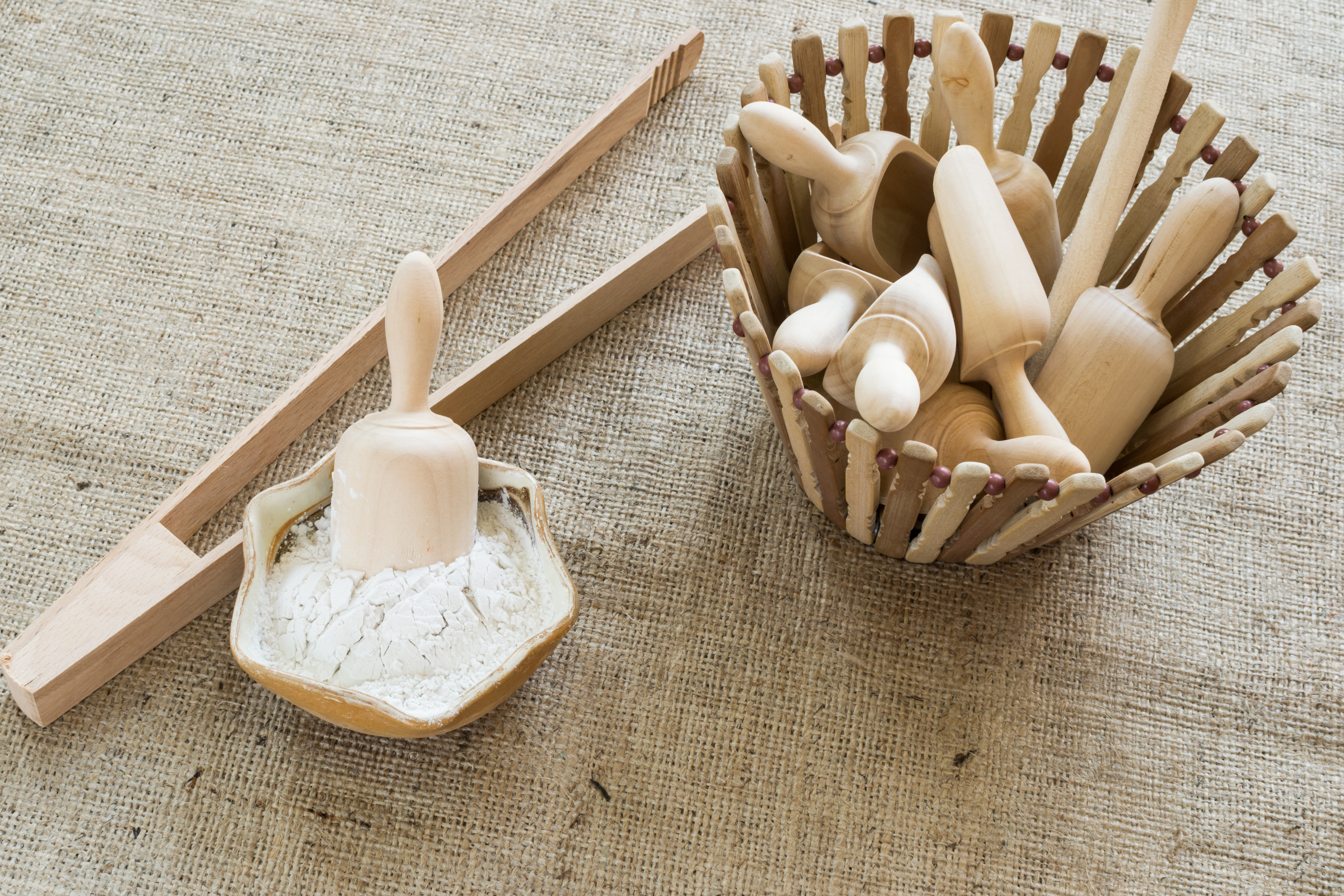
Arrowroot powder is a simple starch from tropical roots. It’s great for anyone who wants a plant-based thickener in the kitchen and a gentle, low-fuss option for DIY body care at home.
Arrowroot powder in the kitchen, easy ways to use it without ruining dinner
Arrowroot powder is like a quiet helper in the pantry. You don’t notice it until you need it, then suddenly your sauce goes from thin and sad to silky and finished.
The big rule is timing. Arrowroot thickens quickly, so it’s usually best near the end of cooking, when your soup, sauce, or filling is hot but not boiling hard. If you dump it straight in, you’ll get clumps that look like tiny jellyfish. If you crank the heat and let it rage-boil, the texture can turn stringy or loosen again.
One more thing people love about it is the clean taste. It doesn’t add that “raw flour” vibe, and it won’t cloud things as much as some thickeners. That’s why it’s handy for pan sauces, clear glazes, and bright fruit fillings.
If you’re looking for an arrowroot powder substitute because you ran out mid-recipe, don’t panic, you can still save dinner (more on that later). For now, focus on the method, because method is what keeps it smooth.
Thickening soups, sauces, gravy, and fruit fillings the smooth way
Arrowroot powder works best as a slurry. Stir it into a small splash of cool water first, just enough to make a milky liquid. Then pour that into your warm pot while you stir.
It thickens fast, sometimes in under a minute, and it leaves a slightly glossy finish that looks restaurant-level without trying. It also tends to behave well with acidic ingredients, so it’s a nice pick for citrus sauces, berry fillings, and glazes that include lemon juice.
A few cautions keep it from turning on you. Avoid long, hard boils. Also, don’t rely on it for a sauce that needs to simmer with lots of dairy for a long time, because it can thin out after extended heat. If you need to reheat, do it gently.
Baking and frying: how it changes texture in cookies, muffins, and crispy coatings
In baking, arrowroot powder is more of a team player than a star. A small amount in a flour blend can help gluten-free cookies feel less gritty and help muffins hold a softer crumb. It can also cut down that sticky, gummy texture that sometimes shows up when you use only dense gluten-free flours.
If you’re experimenting, start small rather than swapping large amounts right away. Not every recipe likes it the same way, especially if the bake is long or very dry.
For frying (or oven “fried” veggies), arrowroot powder can give you a light, crisp coating. Mix it with your spices and salt, then toss food in it before cooking. The result is thin and crunchy, not thick and bready.
Natural body and home uses, from dry shampoo to a cleaner-feeling lotion
Arrowroot powder isn’t only a kitchen item. In DIY body care, it’s popular for one main reason: it absorbs moisture and helps products feel less oily on the skin.
If you’ve ever tried homemade body butter and thought, “Why do I feel like a greased baking pan?”, arrowroot powder is one of the easiest fixes. It can take that slick finish down a notch and leave a more wearable feel.
A few safety basics matter here. Always do a patch test when you try a new body product, even if it seems “natural.” Also, arrowroot is a fine powder, so don’t shake it right under your nose or inhale it on purpose. Mix gently, apply lightly, and keep it away from kids’ faces.
If you’re working with essential oils in body products, it helps to understand dilution and skin-safe bases. This guide on best carrier oils for skin and hair pairs well with arrowroot-based DIYs.
Simple DIY body powder and dry shampoo for a less oily look
For a simple body powder, you can use arrowroot powder on its own. Tap a tiny amount into your palm, then press it onto areas that get sweaty (under breasts, inner thighs, feet). A little goes a long way.
For dry shampoo, the goal is “invisible, not dusty.” Start with a pinch at the roots, then brush thoroughly. If you have darker hair, many people blend arrowroot powder with a small amount of cocoa powder to soften the white cast. Keep the mix dry, store it sealed, and don’t dip wet fingers into it.
Essential oils are optional for scent. If you use them, keep it minimal, skin-safe, and well-mixed, and avoid the eye area.
De-greasing DIY recipes like deodorant and body butter without feeling chalky
Arrowroot powder can help deodorant and body butter feel drier on the skin. In body butter, it often gets stirred in during the cooling phase so it blends evenly and doesn’t clump. In deodorant-style blends, it can reduce the oily glide from ingredients like coconut oil.
Common pairing ingredients include shea butter, coconut oil, and beeswax. The arrowroot helps balance the feel, so the final product is easier to live with day to day.
If you have sensitive skin, be careful with deodorant formulas that include baking soda, since that’s a common irritant for some people. Arrowroot won’t “fix” baking soda sensitivity on its own, so listen to your skin and keep things simple.
Substitutions and fixes, what to use when you’re out of arrowroot powder
Running out of arrowroot powder always seems to happen right when your sauce is perfect, except for the fact that it’s basically soup. The good news is that most kitchens already have something that can step in, as long as you match the substitute to the heat and texture you need.
A smart arrowroot powder substitute depends on the job. Are you thickening a glossy fruit pie filling, a turkey gravy, or a slow-simmered stew? Each one plays by different rules.
Best arrowroot powder substitute options, and what each one is best for
- Cornstarch: A solid choice for gravies and sauces, it thickens strong, but it can look a bit more cloudy.
- Tapioca starch: Great for fruit fillings and pies where you want a nice set and a bit of shine.
- Potato starch: Handy in gluten-free baking and some sauces, but it can get weird if boiled too hard.
- All-purpose flour: Best for hearty soups and stews where a little opacity is fine, it needs more cooking time to lose the raw taste.
Amounts vary by recipe and thickener strength, so start with a little less than you think, then add more if needed.
Troubleshooting common issues like clumps, slimy sauces, or a gritty feel
Most arrowroot problems come from heat and mixing. Quick fixes:
- Clumps: Always make a slurry with cool water first, then whisk into warm liquid.
- Slimy or stringy texture: Don’t boil hard, and don’t keep it on high heat for long.
- Too thick: Thin with warm broth, water, or juice a splash at a time.
- Thinned out after cooking: Re-warm gently and add a touch more slurry near the end.
- Gritty DIY body products: Sift the powder and blend longer, especially if you add butters or waxes.
Conclusion
Arrowroot powder is one of those simple staples that earns its space fast. It thickens quickly, plays nicely in many recipes, and can make DIY body care feel less greasy and more comfortable.
If you want a low-risk place to start, thicken a small pot of soup with a quick slurry, then watch how fast it changes. If you’re more into natural body care, try a basic body powder first and keep it unscented until you know your skin likes it.
Once you get the feel for it, arrowroot powder stops being “that extra starch” and starts being your easy fix for both cooking and clean living. Share what you used it for, or what you want to DIY next.
Stay Connected for More Natural Living Inspiration
If you enjoyed this post about herbal wellness and love discovering natural ways to refresh your home and wellness, don’t miss out on future recipes and clean-living tips! Subscribe to the blog for weekly DIYs, wellness inspiration, and herbal remedies delivered straight to your inbox.
Don’t forget to visit my LinkTree for the links to my favorite essential oils, herbal teas, natural recipes, YouTube ambiance videos for sleeping; a project I created to help with insomnia symptoms and the second channel, Rooted in Nature YouTube Channel both channels feature herbal recipes for wellness and home.
Thanks for coming by!


Leave a Reply