

(DISCLAIMER: I am not a doctor, and you should consult your healthcare professional before starting any health regimen. Product links are commissioned and supports the blog)

Key Takeaways
- Geranium essential oil comes from the leaves and flowers of Pelargonium graveolens, a fragrant plant native to South Africa.
- Its rosy, green aroma fits well into relaxation rituals, personal inhalers, diffuser blends, and diluted body oils.
- Smell reaches brain areas connected with memory and emotion, which helps explain why certain aromas can influence how a moment feels.
- Start with a small amount, use short aromatherapy sessions, and choose a dilution that suits your skin.
- Geranium oil pairs beautifully with lavender, bergamot, cedarwood, frankincense, sweet orange, and herbal teas.
- Aromatherapy and herbal tea can complement a wellness routine while professional care supports ongoing health concerns.
A busy day can leave your body tense before you even notice it. Traffic, messages, household noise, and unfinished tasks can collect in your shoulders and settle behind your eyes. Then you open a bottle of rose geranium oil, take a slow breath, and notice its soft floral scent.
Geranium has a rosy fragrance with green, slightly earthy notes. For many people, that balanced aroma creates a pleasant pause during a full day. A few mindful breaths can become a gentle reminder to relax the jaw, lower the shoulders, and return attention to the present moment.
Geranium essential oil comes from Pelargonium graveolens. Steam distillation extracts aromatic compounds from the plant material. In this guide, you’ll learn how geranium oil fits into mood and stress rituals, how to use it safely, and how to pair it with simple recipes and herbal tea.
Why Geranium Oil Feels Comforting
Smell has a direct connection with memory and emotion. When you inhale an aroma, scent information travels through the olfactory system and connects with brain areas involved in emotional responses and recall. That connection explains why a familiar soap, garden, or spice can bring a particular memory to mind within seconds.
Geranium oil contains naturally occurring aromatic compounds such as citronellol and geraniol. Together, they create the oil’s recognizable floral character. The scent is often described as rosy, fresh, green, and gently sweet.
Its middle-ground fragrance makes it useful in many settings. Lavender may feel especially soft and restful, while peppermint has a brighter, sharper character. Geranium sits between those profiles, offering a floral aroma that feels warm and balanced.
Many people include geranium in a self-care routine during:
- A quiet morning before the day begins
- A short pause after a stressful conversation
- An evening bath or shower
- A relaxing massage with a properly diluted blend
- A personal breathing practice
- Times when they want a calm, pleasant atmosphere at home
- Perimenopause or menopause self-care routines
- Days when the body feels tense and the mind feels busy
Aromatic rituals work best when they stay simple. You can inhale the scent, slow your breathing, and give your attention to the sensations in your body. That small practice may help create a calmer transition between activities.
Geranium Essential Oil and Emotional Balance
Emotions often show up physically. A tight jaw, raised shoulders, shallow breathing, or a restless stomach can all signal that your body needs a pause.
Geranium oil can fit into a routine designed to support steadiness and comfort. Its floral scent may feel especially appealing when you want an aroma that is soothing without being overly heavy.
Try pairing the aroma with a short check-in:
- Notice where your body feels tense.
- Take three comfortable breaths near a tissue or personal inhaler.
- Relax one area, such as your hands, jaw, or shoulders.
- Choose one manageable task for the next few minutes.
This practice gives the scent a clear purpose. Instead of rushing through a diffuser session, you connect the aroma with slower breathing and a more settled pace.
Simple Ways to Use Geranium Oil
1. Diffuser Aromatherapy
A diffuser can fill a room with a soft floral fragrance while you read, stretch, prepare dinner, or get ready for bed.
Add 3 to 6 drops of geranium essential oil to the diffuser reservoir according to the manufacturer’s instructions. Start with 3 drops, especially in a small room or when other people share the space. Run the diffuser for about 15 to 30 minutes, then allow fresh air into the room.
Short sessions help you enjoy the aroma at a comfortable strength. Keep the diffuser on a stable surface and place it where children and pets cannot reach it.
2. Personal Inhalation
Personal inhalation offers a portable option for work, travel, or shared spaces.
Place 1 drop of geranium oil on a tissue or cotton pad. Hold it several inches from your nose and take three slow breaths. Set the tissue aside afterward and return to normal breathing.
A personal inhaler filled according to the product directions also works well. It keeps the aroma close without filling an entire room.
3. Diluted Topical Application
A diluted body oil combines fragrance with the grounding sensation of touch. Jojoba oil, sweet almond oil, and fractionated coconut oil all make useful carriers.
For most adults, a 1 percent dilution is a gentle starting point:
- 1 drop of essential oil in 1 teaspoon, or 5 milliliters, of carrier oil
A 2 percent dilution contains:
- 2 drops of essential oil in 1 teaspoon, or 5 milliliters, of carrier oil
Apply a small amount to the outer wrists, shoulders, back of the neck, or feet. A 1 percent blend also works well as a massage oil for the hands and shoulders.
Patch test a diluted blend on a small area of the inner forearm and observe the skin for 24 hours. Comfortable skin is your guide. Use fresh dilution for each blend and keep the bottle labeled with the ingredients.
Three Easy Geranium Recipes
1. Floral Calm Diffuser Blend
This blend creates a soft, balanced scent for a bedroom, reading corner, or quiet evening.
Ingredients
- 3 drops geranium essential oil
- 2 drops lavender essential oil
- 1 drop frankincense essential oil
- Water for your diffuser
Add the oils and water to your diffuser according to the manufacturer’s directions. Run the diffuser for 15 to 30 minutes while you read, stretch, or prepare for sleep. Adjust the amount for the size of the room and your personal scent preference.
2. Geranium Shoulder and Foot Oil
This lightly scented body oil works well after a shower or before bedtime.
Ingredients
- 2 tablespoons jojoba oil
- 4 drops geranium essential oil
- 2 drops lavender essential oil
- A small amber glass bottle
Pour the jojoba oil into the bottle, then add the essential oils. Close the bottle and roll it gently between your hands to combine the ingredients. Massage a small amount into the shoulders, hands, or feet. Store the blend in a cool, dark place and label the bottle with the date and ingredients.
3. Rose-Geranium Herbal Tea Ritual
Geranium essential oil belongs in aromatherapy products rather than a cup of tea. For a floral beverage, use culinary herbs and flowers made for drinking. Rose petals and lemon balm create a gentle, fragrant combination.
Ingredients
- 1 teaspoon dried lemon balm
- 1 teaspoon dried rose petals labeled for culinary use
- 8 ounces hot water
- Honey, optional
- A small strip of lemon peel, optional
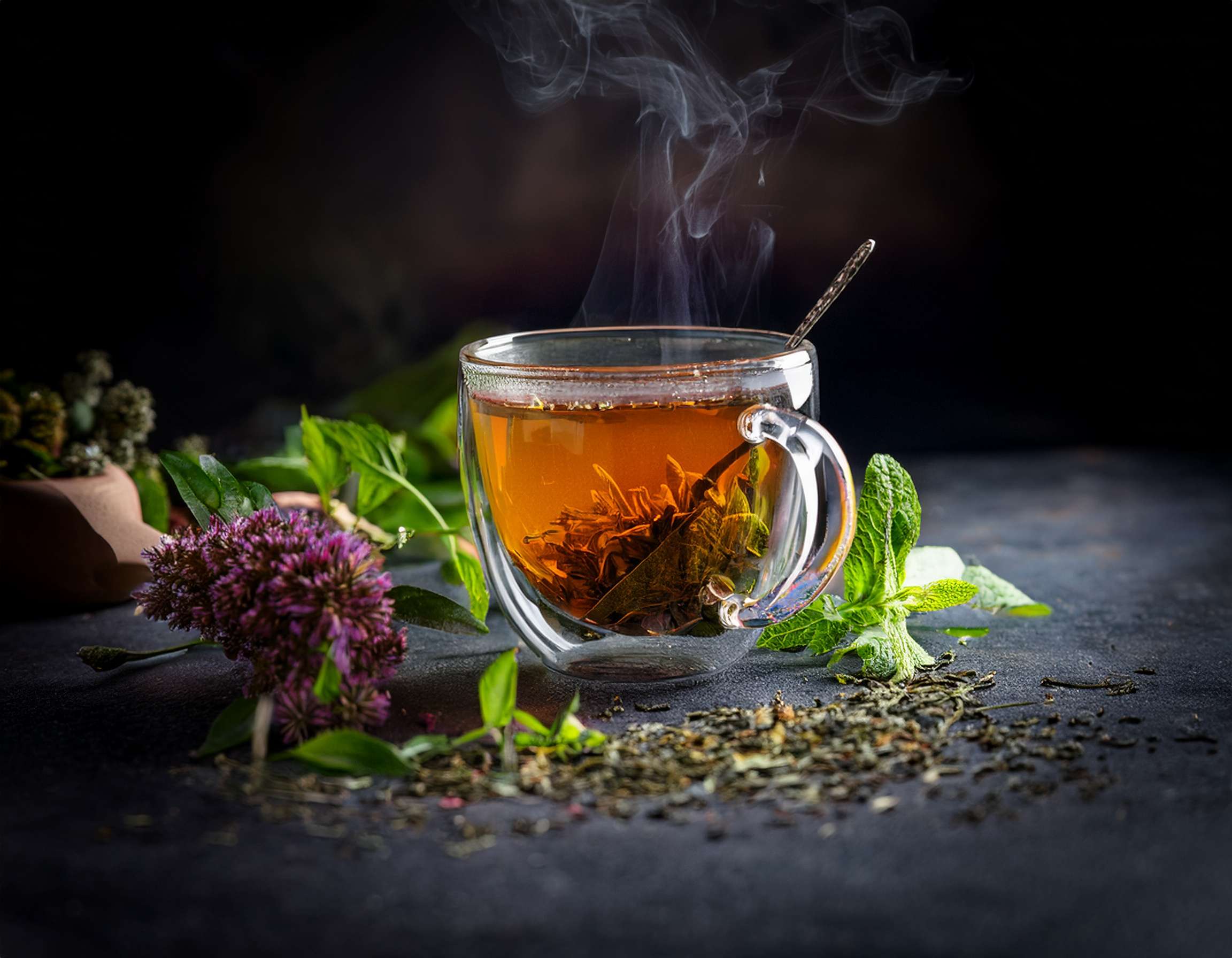
Place the herbs in a tea infuser and pour hot water over them. Cover the cup and steep for 5 to 7 minutes. Remove the infuser, add honey or lemon peel if desired, and sip slowly while enjoying a separate geranium diffuser or personal inhaler.
Choose herbal tea ingredients from a reputable source and follow the package directions. People who are pregnant, breastfeeding, taking medication, or managing a health condition can ask a qualified health professional about herbs that suit their needs.
Geranium Oil Blends for Different Moods
Geranium combines well with floral, citrus, woodsy, and resinous oils. For a diffuser, begin with 5 or 6 total drops and adjust the amount for the room.
- Geranium and lavender: 3 drops geranium with 3 drops lavender for a soft evening aroma
- Geranium and bergamot: 3 drops geranium with 2 drops bergamot for a bright floral blend
- Geranium and cedarwood: 3 drops geranium with 2 drops cedarwood for a warm, grounded scent
- Geranium and frankincense: 3 drops geranium with 2 drops frankincense for a slow breathing practice
- Geranium and sweet orange: 3 drops geranium with 3 drops sweet orange for a cheerful, comforting fragrance
- Geranium and clary sage: 3 drops geranium with 2 drops clary sage for a rich botanical blend
Bergamot oil can make skin more sensitive to sunlight, depending on the type and formulation. Follow the label instructions and choose a bergamot product that is labeled for safe topical use.
Essential Oil Safety Basics
Essential oils are concentrated, so careful handling helps create a pleasant experience.
- Use geranium oil in a diffuser, inhaler, or properly diluted topical blend.
- Keep essential oils away from the eyes, ears, mouth, and other sensitive areas.
- Wash your hands after topical application.
- Store bottles tightly closed in a cool place away from heat and direct sunlight.
- Use child-resistant storage and keep oils out of reach of children.
- Give pets a way to leave the room during diffusion.
- Ventilate the room and use short diffuser sessions.
- Follow age-specific guidance for children.
- Ask a qualified clinician or pharmacist about essential oil use during pregnancy, breastfeeding, or alongside medication.
- People with asthma, migraines, or fragrance sensitivity can choose very small amounts and use personal inhalation in a well-ventilated space.
A quality bottle should list the botanical name, Pelargonium graveolens, along with the plant part and, when available, the country of origin. Third-party testing can provide additional information about purity and quality.
For more ideas about building a practical collection, visit this guide to the top essential oils for a natural first aid kit.
Creating a Gentle Daily Routine
Morning
Add 3 drops of geranium oil to a diffuser while you prepare breakfast or tea. Take five comfortable breaths and choose a simple focus for the morning, such as patience or clarity.
Midday
Place 1 drop on a tissue and inhale from several inches away. Relax your feet against the floor, lower your shoulders, and take a short break before returning to your next task.
Evening
Use a 1 percent diluted body oil on your feet or shoulders after a bath or shower. Keep the lighting warm, play gentle music, or enjoy a cup of herbal tea made with ingredients labeled for culinary use.
A routine works best when it fits your real schedule. Even a two-minute pause can become a useful daily reminder to breathe more slowly and care for your body.
Frequently Asked Questions
What is geranium essential oil used for?
Geranium essential oil is commonly used in aromatherapy for its floral, rosy scent. People add it to diffuser blends, personal inhalers, massage oils, bath products, and skincare formulas made with a suitable dilution.
Can geranium oil help with stress?
Geranium’s aroma can support a calming self-care routine. Pairing the scent with slow breathing, gentle stretching, journaling, or a warm herbal tea creates a relaxing pause that many people enjoy.
How should I dilute geranium oil for skin?
A 1 percent dilution uses 1 drop of geranium oil in 1 teaspoon, or 5 milliliters, of carrier oil. This is a practical starting point for many adults. Patch test the blend before wider topical use.
Can I put geranium essential oil in tea?
Use geranium essential oil for aromatherapy and choose culinary herbs or flowers for tea. Essential oils are highly concentrated, while tea ingredients labeled for drinking are prepared for infusion.
Which oils blend well with geranium?
Geranium pairs well with lavender, bergamot, cedarwood, frankincense, sweet orange, and clary sage. Start with a small blend and adjust the proportions according to the room and your scent preference.
Is geranium oil suitable for a bedtime routine?
Many people enjoy geranium in an evening diffuser or diluted foot oil. Short sessions, gentle amounts, and a calm setting create a comfortable bedtime ritual.
How should I store geranium oil?
Keep the bottle tightly closed and store it in a cool, dark location. A labeled amber or cobalt glass bottle helps protect the oil from light. Keep the bottle away from children and pets.
A Simple Way to Begin
Geranium’s floral scent can bring softness to an ordinary moment. Add a few drops to a diffuser, breathe from a tissue, or prepare a diluted body oil for your shoulders and feet. Pair the aroma with a warm cup of herbal tea, comfortable breathing, and a few minutes without distractions.
Begin with one method and a small amount. Pay attention to how the scent feels in your space and how your body responds. With regular, safety-conscious use, geranium essential oil can become a pleasant part of a personal relaxation routine.
Stay Connected for More Natural Living Inspiration
For more wellness tips, subscribe to the blog for weekly posts about essential oils, teas, and herbs. Want an ad free experience with DIY essential oil, herbal recipes and tips? Head here for a distraction free experience.
Thanks for stopping by!

You must be logged in to post a comment.