
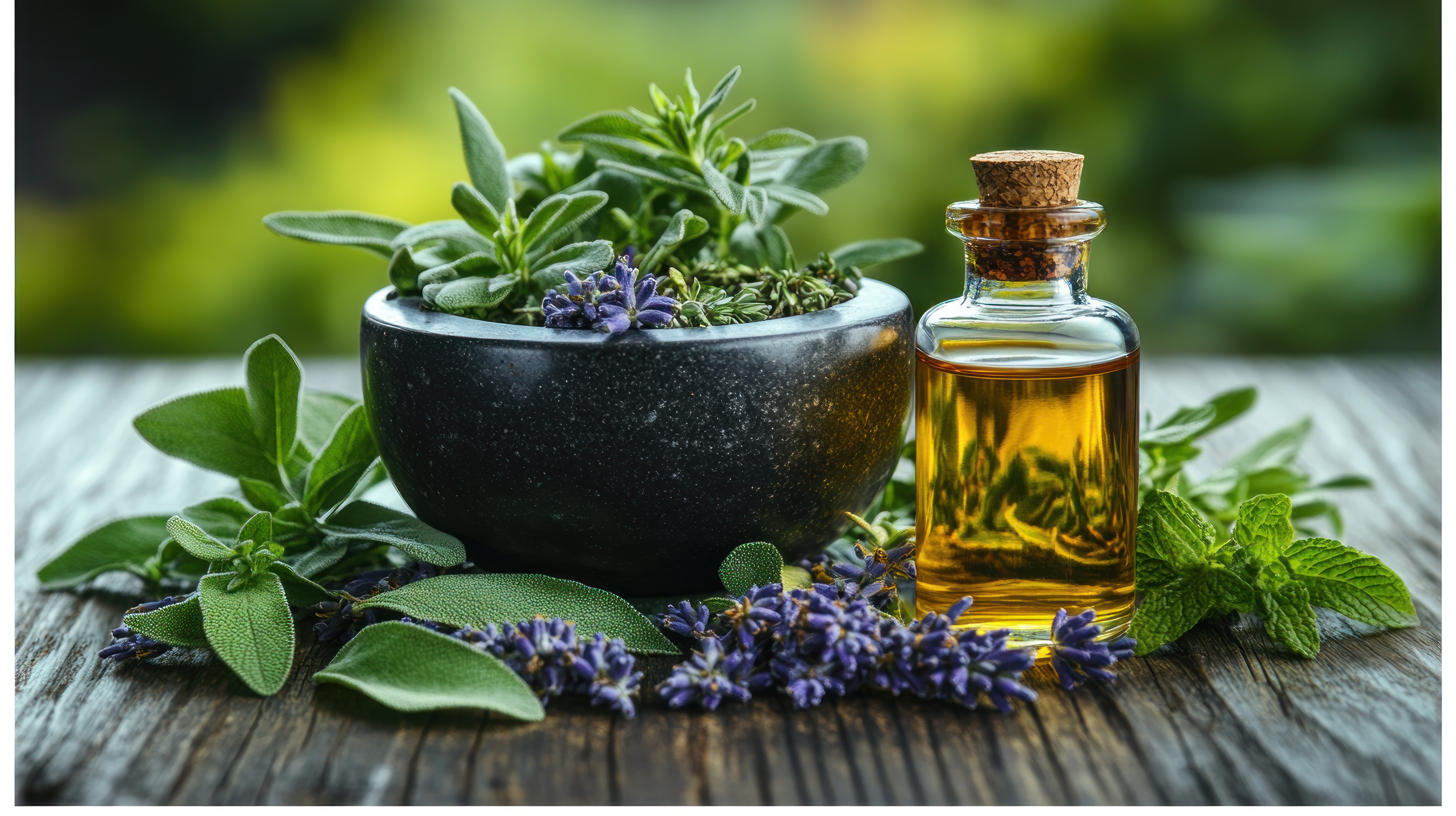
(DISCLAIMER: I am not a doctor, and you should consult your healthcare professional before starting any health regimen.)

Living with ADHD can make focus and calm feel out of reach some days. ADHD (Attention Deficit Hyperactivity Disorder) is a condition that affects attention, impulse control, and energy levels. Aromatherapy uses natural plant oils to promote balance, relaxation, and mental clarity.
Many families and adults look for natural options to help manage challenges like restlessness or worry. Aromatherapy for ADHD is gaining attention because certain calming essential oils for ADHD may help create a peaceful environment and support better focus. With the right ADHD focus essential oils, you can discover simple ways to find more calm and clarity in daily life.
This guide will highlight how aromatherapy helps ADHD, what the best essential oils for ADHD are, and tips for using them safely. If you’re interested in scents that aid focus and mental clarity, you might also find value in this aromatherapy for focus: improve concentration naturally guide.
Understanding ADHD and Sensory Needs
Understanding how ADHD affects focus is key when exploring aromatherapy for ADHD. ADHD, or Attention Deficit Hyperactivity Disorder, often creates a daily tug of war between distraction and restlessness. Many find that sensory experiences like scents play a bigger part in managing symptoms than people realize. By tuning into these sensory needs, aromatherapy opens up a supportive toolkit that can help bring comfort, clarity, or calm.
Key ADHD Symptoms That Affect Focus
People with ADHD often experience a mix of symptoms that make attention, calm, and focus tough to maintain. Here are the main ones and how they connect to the need for calming or stimulating sensory cues:
- Inattention: This shows up as trouble staying focused, being easily distracted, or making “careless” mistakes. When the mind jumps from thought to thought, calming scents can help anchor the mind and support a sense of mental stillness.
- Hyperactivity: This looks like constant fidgeting, a drive to move, or an inner feeling of being on the go. For some, stimulating scents may provide just enough sensory input to create a sense of satisfaction and help reduce the urge to move non-stop.
- Emotional Dysregulation: Mood swings, frustration, or feeling overwhelmed are common. Calming essential oils for ADHD, such as lavender or chamomile, send reassuring signals to the brain, making it easier to wind down during tough moments.
The right scent acts as a gentle cue, nudging the brain toward a calmer, more focused state, or if needed, offering a gentle pick-me-up.
The Role of Sensory Input in Managing ADHD
The brain of someone with ADHD processes sensory input differently. Everyday sights, sounds, and smells can feel louder or more distracting, making it hard to filter out background noise and focus on what matters most. Aromatherapy for ADHD takes advantage of the brain’s quick response to scent. Unlike other senses, smell goes straight to the limbic system (the emotional and memory center of the brain), triggering changes in mood and alertness.
Certain scents, such as those found in the best essential oils for ADHD, can sharpen focus or ease feelings of stress and chaos. For example, citrus oils perk up the senses and may support alertness, while calming oils like lavender soothe busy minds and calm nerves. Each person learns to tune into which sensory input feels best, using scent to manage overstimulation or sluggishness.
If you want to learn more about essential oils that support daily balance and relaxation, check out the detailed guide to bergamot essential oil benefits for wellness. This resource explains how aromatherapy helps ADHD by working with, not against, your unique sensory needs.
How Aromatherapy Works for ADHD
Aromatherapy for ADHD goes beyond just enjoying a pleasant scent. Essential oils can affect the brain directly, making them a powerful tool for calming restless thoughts or boosting focus. Understanding how these oils influence the brain and mood can help you use aromatherapy for ADHD in ways that really make a difference.
Scent and Brain Chemistry
When you breathe in essential oils, scent molecules travel straight to your limbic system. This part of the brain controls emotions, mood, and memory. Scents like lavender, vetiver, and frankincense can “talk” to the brain’s chemical messengers (neurotransmitters) that play a huge role in how we feel and focus.
Here’s how it works:
- Dopamine and serotonin are two key neurotransmitters involved in attention, energy, and mood. People with ADHD often have imbalances in these brain chemicals.
- Certain essential oils—like lavender, ylang ylang, and chamomile, may help support healthy dopamine and serotonin activity. This can lead to improved mood, less anxiety, and more stable energy.
- Some oils (such as rosemary and peppermint) can stimulate alertness, while others (like cedarwood) may calm racing thoughts. This balance lets you customize aromatherapy for ADHD to suit your needs that day.
By tapping into the brain’s natural chemistry, aromatherapy changes the atmosphere of your space and the state of your mind.
Benefits of Calming Essential Oils for ADHD
Research is starting to shine a light on how aromatherapy helps ADHD symptoms, especially for kids and adults looking for natural options. Studies reveal several practical benefits from regular use of calming essential oils for ADHD:
- Reduced hyperactivity: Oils like vetiver and lavender have shown promise in lowering restlessness and fidgeting, especially in children.
- Improved concentration: Scents such as rosemary and peppermint are reported to boost alertness and make it easier to stay on task.
- Lowered anxiety: Chamomile and frankincense can take the edge off stress, helping busy brains wind down when they need it most.
Many families and adults notice a gentle but steady improvement when using aromatherapy for ADHD along with other supportive routines. Aromatherapy is not a magic fix, but it can be a key piece to the puzzle.
For more insights on blending oils specifically for mental clarity and calm, check out the thorough guide to making your own focus essential oil blends. This hands-on approach brings out the best in aromatherapy for ADHD.
Safety and Usage Guidelines
Safety matters, especially with kids or when trying new scents. Use these basic tips when starting with calming essential oils for ADHD:
- Dilute oils for skin use. Mix 1-2 drops of essential oil in at least 1 teaspoon (5 ml) of carrier oil (like coconut or jojoba). For children, use half the amount or less.
- Choose age-appropriate oils. Not all oils are safe for young children. Lavendar, chamomile, and frankincense are among the safest options. Avoid peppermint and eucalyptus around young kids (under six).
- Diffuse, don’t ingest. The best way to use ADHD aromatherapy is by diffusing or using a personal inhaler rather than taking oils internally.
Watch for any irritation or allergic reaction when using a new oil. Less is more, start with a small amount and see how it feels. If you have asthma, epilepsy, or another health concern, talk to your healthcare provider before using new essential oils.
Done right, aromatherapy supports focus, relaxation, and a calmer home or workspace. Matching the best essential oils for ADHD with simple safety steps helps everyone get the most out of this natural approach.
Best Essential Oils for ADHD Focus and Calm
Selecting the right essential oils can make a big difference for people living with ADHD. Some oils help anchor attention and quiet racing thoughts, while others refresh the mind without side effects. Below, you’ll find the most widely recognized options for promoting calm and focus with aromatherapy for ADHD. Each oil brings its own unique benefits to the table.
Lavender – Calming and Focus
Lavender essential oil is famous for its ability to calm the mind. For those with ADHD, lavender acts a bit like a comforting blanket, helping melt away mental clutter. Its natural compounds interact with the brain’s relaxation pathways, making it easier to tune out distractions and feel settled. Inhaling lavender may ease nervous energy and create the kind of peaceful environment where attention can grow. Some people describe its effect as soothing a storm in the mind, gently inviting better focus without sedation.
For more details on how to blend lavender with other ADHD focus essential oils, the Top essential oils for ADHD focus and calm guide covers favorites for supporting natural balance.
Bergamot – Mood Uplift and Stress Relief
Bergamot offers both a refreshing and comforting aroma. It stands out because it lifts mood and eases stress at the same time. Research shows that bergamot’s scent signals the brain to release calming neurotransmitters, which lowers anxiety and helps steer the mind away from overwhelm. Those working or studying with ADHD may notice fewer emotional ups and downs when using bergamot. It’s a good option for turning mental tension into gentle motivation.
Explore more about the science behind bergamot in this guide to Bergamot essential oil health benefits.
Vetiver and Sandalwood – Grounding Scents
Vetiver and sandalwood are known for their deep, earthy scents. These oils act as steadying influences when thoughts start to spin or energy gets scattered. Vetiver has a heavy, woody scent that feels like sinking your feet in warm soil, bringing restless minds back to the present. Sandalwood’s creamy, soft aroma is equally grounding and helps the brain slow down and regain focus. Together, these ADHD focus essential oils provide a calm foundation, especially during stressful transitions or long stretches of work.
Key reasons people turn to vetiver and sandalwood for calming essential oils for ADHD:
- They encourage full, mindful breathing.
- Promote a sense of safety and stability.
- Help create a ritual around focus and calm during busy routines.
Peppermint – Alertness Boost
Peppermint essential oil is crisp and invigorating, offering a clean mental lift. Unlike caffeine, it sharpens attention without causing jitters or anxiety. For people with ADHD, peppermint can wipe away the mental fog and help bring clarity. It’s especially handy during moments of sluggishness or when starting a new task feels tough. Just a small amount in a diffuser or personal inhaler can refresh the senses, allowing the mind to reset and re-engage.
Choosing the best essential oils for ADHD is a personal experience, and trying different calming scents helps you find the right fit. Each oil offers its own set of strengths for focus, calm, or an energy boost, making aromatherapy for ADHD a flexible tool to support well-being.
Creating an Effective Aromatherapy Routine
Building a regular aromatherapy routine is a key step for anyone using aromatherapy for ADHD. When you pair the best essential oils for ADHD with good timing, safe application, and other focused habits, you start to notice more calm and clarity across your day. Whether at home, in the classroom, or during therapy, structure matters. This section breaks down placement and use tips for diffusers, safe topical practices, and how to blend scent with other positive ADHD strategies.
Diffuser Methods for Home and School: Suggest Diffuser Placement, Timing, and Dosage for Consistent Aroma Exposure
To get steady benefits from calming essential oils for ADHD, think about where and when you use your diffuser. Start with these practical tips:
- Placement: Set up the diffuser somewhere central, like a living room table or study desk at home. In classrooms, place the diffuser away from direct contact but near work areas where scent can gently drift.
- Timing: Run the diffuser for 30 to 60 minutes before periods that demand focus, like homework time or morning routines. For long days, cycle the diffuser on for 30 minutes, then off for an hour, to avoid scent fatigue.
- Dosage: Add 3 to 5 drops of essential oil per 100ml of water for most room diffusers. If you’re using oils around children, stick to the lower end and use gentle blends, such as lavender or chamomile.
- Consistency: Make diffuser use a habit. Linking scent exposure to daily tasks helps form calming rituals, which are especially helpful for people with ADHD.
If possible, choose a diffuser with a timer or intermittent setting. This ensures a steady but gentle aroma in the air, supporting routine and calm without becoming overwhelming. For more on balancing blends for mental clarity, you may find this guide to focus essential oil blends for concentration and clarity especially useful.
Topical Application Tips and Carrier Oils: Step-by-Step Instructions for Safe Skin Application
Aromatherapy for ADHD can also mean applying oils directly to the skin, but always do this safely. Essential oils are strong and should never go on skin undiluted. Here’s a simple routine:
- Pick a carrier oil: Good choices include sweet almond oil, fractionated coconut oil, or jojoba oil. These help dilute the essential oil and make it safe for skin.
- Measure the blend: For adults, use a 2% dilution (about 12 drops essential oil per 1 ounce carrier oil). For children, use 1% dilution (about 6 drops per ounce).
- Mix thoroughly: Combine the oils in a small glass bottle or bowl and shake or stir to blend well.
- Apply with care: Dab onto pulse points like the inside of wrists, behind the ears, or over the heart area. These warm spots help diffuse the scent. Avoid broken skin, eyes, and mouth.
- Test first: Try a patch test on one small area to watch for any irritation, especially if you’re using a new oil.
Safe, regular topical use adds another layer to your aromatherapy routine. Just a little goes a long way, so keep it simple and gentle.
Integrating Aromatherapy with Other ADHD Strategies
Using aromatherapy for ADHD works best as part of a bigger picture. It’s most helpful when paired with strong routines, healthy structure, and personal support. Here are some complementary strategies that blend well with scent:
- Behavior therapy: Use relaxing scents during focus-building exercises, homework, or scheduled breaks. The right aroma can become a sensory “cue” that signals the brain it’s time to settle.
- Exercise: Diffuse uplifting oils like peppermint or citrus before physical activity. This can help with motivation and energy.
- Healthy diet: Calming essential oils for ADHD are a smart sidekick to meals high in protein and complex carbs, which support brain chemistry and focus.
- Sleep routines: Try soothing scents like lavender at bedtime, paired with screen-free time and a regular wind-down routine.
- Mindfulness: Aromatherapy can be part of a mindfulness practice, helping ground the senses and focus attention.
For more ideas on creating a balanced routine and natural ways to boost concentration, visit the Aromatherapy for Focus: improve concentration naturally section. Mixing scent with other strategies gives you a flexible approach to ADHD, where small changes add up to lasting support.
Conclusion
Aromatherapy for ADHD offers real support for focus, calm, and emotional balance. By choosing calming essential oils for ADHD, like lavender or vetiver, you create routines that can settle busy thoughts and help you feel more present. The right ADHD focus essential oils can fit naturally into daily life when used with safety and intention.
Try setting up a simple aromatherapy routine at home or work. Start with one scent, notice how it feels, and build from there. Aromatherapy for ADHD is about finding what works for you and making small changes that last.
Have you tried aromatherapy for ADHD yet? Share your experience or questions below to start a helpful conversation with others on this journey.
Stay Connected for More Natural Living Inspiration
If you enjoyed this post about essential oils and herbs, and love discovering natural ways to refresh your home and wellness, don’t miss out on future recipes and clean-living tips! Subscribe to the blog for weekly DIYs, wellness inspiration, and herbal remedies delivered straight to your inbox.
Tap here to visit my LinkTree store where you can purchase the essential oils mentioned in this post, explore new essential oil products, herbal tea blends, and more.
Thanks for coming by!


Leave a Reply