
(DISCLAIMER: I am not a doctor, and you should consult your healthcare professional before starting any health regimen.)
Key Takeaways
- Peppermint and eucalyptus bring a cool, fresh aroma that pairs well with stuffiness and cough-related irritation.
- Lavender and lemon offer softer, brighter scents for a calming aromatherapy routine.
- Thyme and hyssop are potent oils that call for careful selection and low dilution.
- Diffusion, gentle steam, and diluted topical blends are practical ways to enjoy essential oils.
- Keep essential oils away from the eyes and sensitive areas, and never apply them undiluted or take them internally without guidance from a qualified professional.
- Contact a healthcare professional for difficulty breathing or swallowing, severe pain, a high fever, or symptoms that persist or worsen.
A dry, scratchy throat can make swallowing uncomfortable and turn a quiet evening into a restless one. Dry indoor air, mouth breathing, post-nasal drip, and repeated coughing can all leave the throat feeling rough.
A gentle aromatherapy routine can add comfort to your day. Below, we cover seven essential oils commonly chosen for throat-related aromatherapy, along with three simple recipes and practical safety tips.
Why Dry Air and Irritation Affect the Throat
Low humidity from heating or air conditioning can dry the throat, especially overnight. Mouth breathing may add to the dryness, while coughing and post-nasal drip can leave the throat feeling tender. Smoke and extended talking or singing may also contribute to irritation.
Drinking water and adding moisture to the air can help keep your routine comfortable. A soothing aroma can complement those simple habits, whether you prefer a diffuser at bedtime or a diluted massage blend.
7 Essential Oils for Throat Comfort
Each essential oil has its own aroma and character. Choose the scent and method that suit your preferences, and follow safety guidance for the specific oil.
1. Tea Tree Essential Oil
Tea tree has a crisp, medicinal aroma that works well in a fresh-smelling diffuser blend. Some aromatherapy users also choose it for diluted chest applications as part of a seasonal routine.
Its scent is strong, so start with a small amount. For topical use, dilute it in a carrier oil and try a patch test before applying a blend more widely.
2. Peppermint Essential Oil
Peppermint’s cool, minty aroma is a familiar choice when throat irritation comes with a stuffy feeling or a cough. It can bring a refreshing note to a diffuser blend or a gentle steam session.
Because peppermint is potent, use only a small amount. Keep it away from the face, eyes, and young children, and check age-specific safety guidance before use around children.
3. Eucalyptus Essential Oil
Eucalyptus has a clean, penetrating scent that many people enjoy when congestion accompanies throat discomfort. Use it in a well-ventilated room with a diffuser, or add a carefully measured amount to a steam routine.
Eucalyptus is a strong oil, so begin with less and follow product-specific guidance. Use extra care around children and anyone with asthma or scent sensitivity.
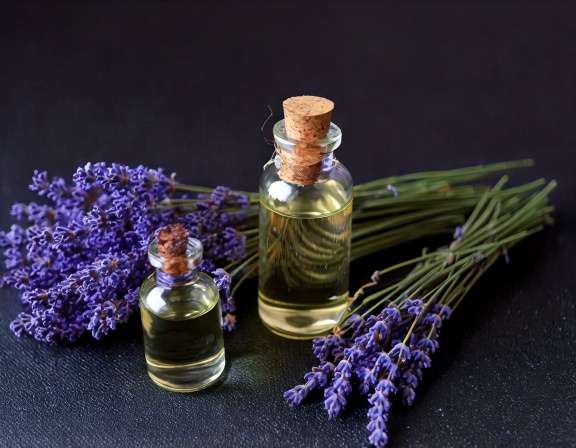
4. Lavender Essential Oil
Lavender has a soft floral aroma that fits easily into a relaxing evening routine. Diffuse it before bed or add a properly diluted amount to a chest massage blend.
Its gentle scent can make a bedroom feel calm and settled. If you’re using lavender on the skin, dilute it first and patch test the blend.
5. Lemon Essential Oil
Lemon brings a bright, clean aroma to diffuser blends. Pair it with lavender for a softer scent or with peppermint for a fresher blend.
When applying lemon oil to skin, check whether the product is phototoxic and follow its sun-exposure guidance. Diffusion is a simple option when you want to enjoy its citrus aroma without topical use.
6. Thyme Essential Oil
Thyme has a warm, herbal scent and a long history in traditional herbal practices. It is a more potent choice, so check the oil’s botanical name and chemotype, then follow specific dilution guidance.
For topical use, keep the dilution low and patch test first. Aromatherapists should also consider the individual’s health history and the safety profile of the specific thyme oil.
7. Hyssop Essential Oil
Hyssop has an herbaceous aroma and a place in traditional aromatherapy practices focused on respiratory comfort. Its composition can vary, so check the botanical name and chemotype before choosing a product.
Use hyssop cautiously and at a low dilution. Consult a qualified aromatherapy professional or healthcare provider before use during pregnancy, with a health condition, or when choosing oils for children.
3 Easy Essential Oil Recipes for Throat Comfort
Use good-quality essential oils and follow the product’s safety information. These recipes are intended for adults. Adjust or avoid a blend if you have a known sensitivity.
1. Fresh Evening Diffuser Blend
Ingredients
- 2 drops lavender essential oil
- 1 drop eucalyptus essential oil
- 1 drop lemon essential oil
- Water, as directed for your diffuser
Instructions
Add water to the diffuser reservoir according to the manufacturer’s directions, then add the essential oils. Run the diffuser for 20 to 30 minutes in a ventilated room. Adjust the number of drops to suit the room size and your scent preference.
2. Gentle Chest Massage Blend
Ingredients
- 1 teaspoon carrier oil, such as grapeseed, jojoba, or coconut oil
- 1 drop lavender essential oil
- 1 drop peppermint essential oil
Instructions
Blend the oils in a small, clean container. Patch test a little on the inner arm and wait to check for skin sensitivity. If the blend feels comfortable, massage it onto the chest or the outside of the neck. Avoid the face, eyes, lips, and broken skin.
3. Mild Aromatic Steam
Ingredients
- 1 drop lavender essential oil
- A bowl of hot, not boiling, water
Instructions
Set the bowl on a stable surface and add the lavender oil. Sit at a comfortable distance, keep your eyes closed, and breathe normally for a few minutes. Keep your face well away from the water and stop if the warmth or aroma feels too strong. Never leave a bowl of hot water within a child’s reach.
Essential Oil Safety Tips
Essential oils are concentrated, so careful handling matters. For adult topical use, a low dilution is a sensible place to start. A common guideline is 1 to 2 drops of essential oil per teaspoon of carrier oil, though some oils require a lower concentration. Follow the specific oil’s safety information.
Do a patch test before using a new topical blend, and keep oils away from your eyes, lips, and irritated or broken skin. Store bottles securely out of children’s reach. Avoid swallowing essential oils unless a qualified professional specifically directs you to do so.
Children, pregnant or nursing people, and anyone with asthma, allergies, sensitive skin, or a health condition should seek individual guidance before using essential oils. Diffuse in a ventilated space, use a modest amount, and stop if an aroma causes discomfort.
Seek medical care for trouble breathing or swallowing, severe throat pain or swelling, a high fever, or symptoms that persist or get worse. White patches, a rash, or signs of dehydration are also reasons to contact a healthcare professional.
Frequently Asked Questions
Which essential oils are popular for a scratchy throat?
Peppermint, eucalyptus, lavender, lemon, tea tree, thyme, and hyssop are commonly selected for throat-comfort aromatherapy. Their scents and safety profiles differ, so choose according to your needs and follow oil-specific guidance.
What is the gentlest way to use essential oils?
Diffusion with a small number of drops is a simple option. Use the diffuser according to its instructions, keep the room ventilated, and run it for a limited period rather than continuously.
Can I put essential oil directly on my throat?
Avoid applying undiluted oil to the skin. If you choose topical use, dilute the oil in a carrier and apply it to the chest or the outside of the neck. Keep it away from the front of the throat, face, and sensitive areas.
How often can I diffuse essential oils?
Follow the diffuser manufacturer’s directions and the oil’s safety information. Short sessions in a ventilated room are a practical starting point. Reduce the amount or stop diffusion if the scent feels overwhelming.
Which essential oils should I choose for nighttime?
Lavender is a popular choice for a calm bedtime aroma. For a fresher scent, combine it with a small amount of eucalyptus or lemon, and keep the blend light.
A Simple Aromatherapy Routine for Throat Comfort
For a dry, scratchy throat, start with the aroma you enjoy and a gentle method. Lavender can bring a calming note to bedtime, while peppermint and eucalyptus offer a cooler, fresher scent. Use low dilutions for topical blends, check the safety information for each oil, and seek professional care when symptoms are severe or persistent.
Stay Connected for More Natural Living Inspiration
For more wellness tips, subscribe to the blog for weekly posts about essential oils, teas, and herbs. Want an ad free experience with DIY essential oil, herbal recipes and tips? Head here for a distraction free experience.
Thanks for stopping by!

Leave a Reply