

(DISCLAIMER: I am not a doctor, and you should consult your healthcare professional before starting any health regimen. Product links are commissioned and supports the blog)

Key Takeaways
- Citronella, lemongrass, lavender, peppermint, geranium, tea tree, and cedarwood are commonly used in mosquito-repelling blends.
- Results vary a lot. Your setting, sweat, wind, and heat can change how well a blend performs.
- Most essential oil blends need frequent reapplication, often much sooner than standard insect repellents.
- Skin use calls for proper dilution. In most cases, don’t apply essential oils neat.
- Outdoor use works best as one part of a bigger plan, not your only line of defense.
- Lemon eucalyptus essential oil is not the same as oil of lemon eucalyptus products made with PMD.
- PMD-based repellents have stronger evidence for mosquito protection than standard lemon eucalyptus essential oil.
The evening looks perfect until the whining starts near your ear. A few minutes later, your ankles itch, your arms sting, and the calm is gone.
That’s why so many people reach for essential oils to repel mosquitoes. They smell fresh, feel simple to use, and often fit well with a more natural routine. Still, it helps to stay grounded. Some oils may help discourage mosquitoes, but they usually don’t last as long or work as strongly as EPA-registered bug sprays.
If you want a natural option for short outdoor time, the right oils can play a useful part. The key is knowing which ones people use most, how to dilute them safely, and where their limits show.
Which essential oils repel mosquitoes best
No essential oil is perfect against mosquitoes. Think of them more like a scented shield than a solid wall. They may help make you less appealing for a while, but they usually fade fast, especially in summer heat.
Some oils stand out because people return to them again and again. Part of that comes down to smell. Mosquitoes seem to dislike certain sharp, green, citrusy, or camphor-like notes. Meanwhile, people often prefer blends that smell clean rather than harsh.
The best-known options are usually citronella and lemongrass. They have that bright, fresh, unmistakable patio-candle scent. Lavender and geranium bring a softer floral note, so they’re popular in body blends. Peppermint smells cool and brisk, though its strength can feel intense on skin. Tea tree and cedarwood often play a supporting role because they round out sharper blends.
That balance matters. A blend you hate won’t get used twice. A blend you enjoy has a better chance of becoming part of your summer routine.
Citronella, lemongrass, and lemon eucalyptus for fresh, sharp outdoor blends
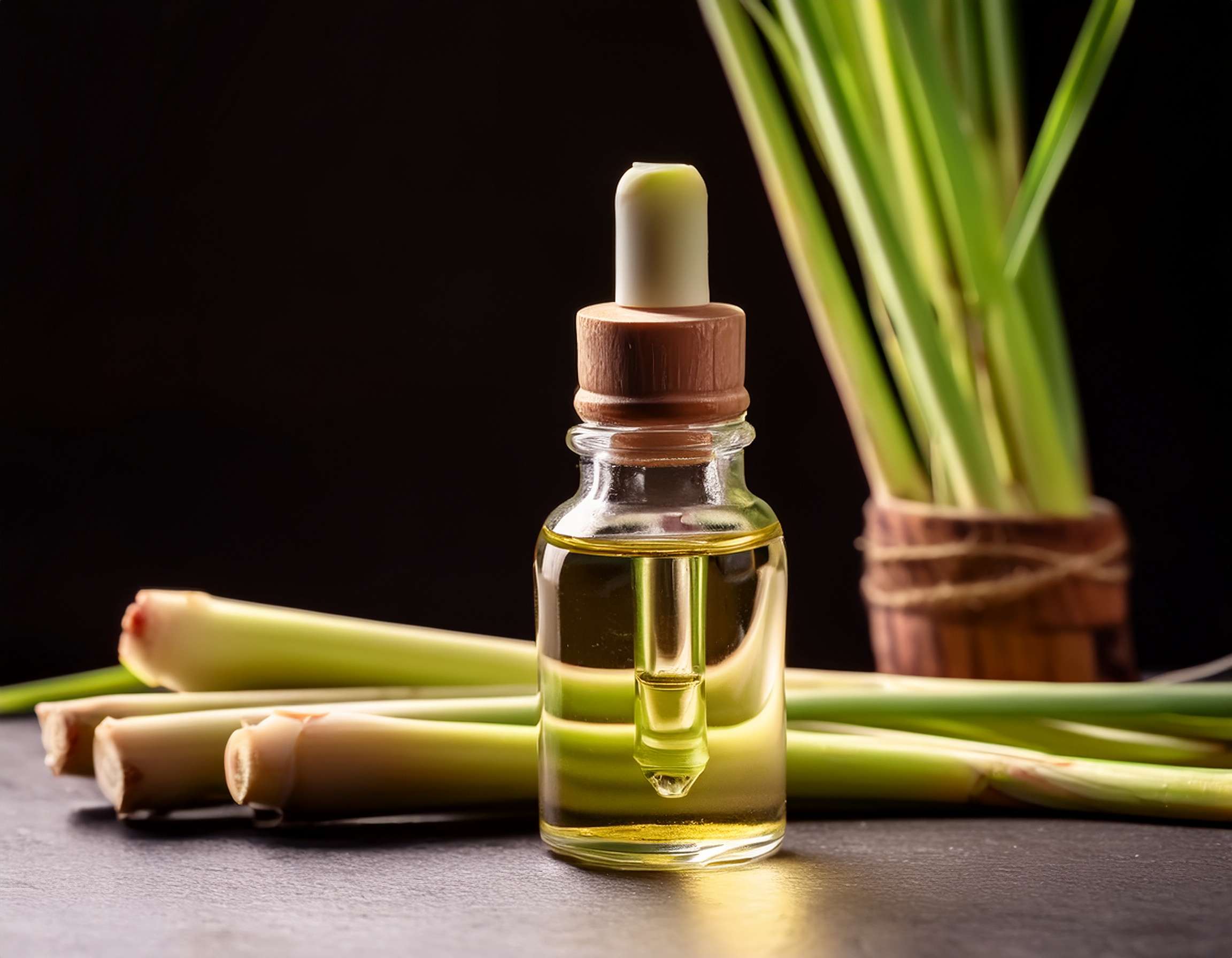
Citronella is the classic name in natural mosquito control, and for good reason. Its scent is crisp, lemony, and easy to recognize. People often use it in patio sprays, candles, and outdoor oil blends because it smells clean and cuts through warm, sticky air.
Lemongrass lives in a similar scent family, but it often smells greener and brighter. It blends well with citronella and can make a DIY spray smell less flat. Many people like this pair for porches, decks, and backyard dinners.
Lemon eucalyptus essential oil also gets attention, but the wording here matters. Standard lemon eucalyptus essential oil is not the same as oil of lemon eucalyptus products made for insect repellent. Those repellents use PMD, a compound tied to stronger evidence. In other words, don’t assume the essential oil version will perform like a PMD-based spray sold for bug protection.
Lavender, peppermint, and geranium for a lighter scent profile
Not everyone wants to smell like a citronella torch. Lavender, geranium, and peppermint often appeal to people who prefer a softer body spray or roll-on.
Lavender brings a calm, floral note that can mellow sharper oils. Geranium smells rosy, green, and slightly fresh, so it helps blends feel more polished. Together, they create a gentler scent that many people enjoy wearing on skin.
Peppermint adds lift and punch. It can also feel cooling, which sounds nice on a humid night. Still, it’s potent. Too much peppermint can overpower a blend and may bother sensitive skin. Because of that, small amounts usually work best.
Tea tree and cedarwood as supporting oils in DIY bug blends
Tea tree and cedarwood rarely lead the blend, but they often improve it. Tea tree has a medicinal, earthy scent that some people find strong on its own. Cedarwood feels warmer, woodier, and more grounded.
Used in small amounts, these oils can support the sharper top notes of citronella or lemongrass. They may also make the overall aroma feel fuller and less one-note. That matters when you’re wearing a blend outdoors, not just spraying the air.
How to use essential oils to repel mosquitoes safely
Natural doesn’t always mean gentle. Essential oils are concentrated plant extracts, and skin can react fast when they’re used carelessly. That’s why safe use matters as much as the recipe itself.
In most cases, don’t apply essential oils neat to skin. Instead, dilute them in a carrier oil, spray base, or another appropriate product. Then patch test first, especially if your skin runs dry, reactive, or sensitive.
Keep oils away from your eyes, lips, and broken skin. Wash your hands after mixing and after applying body products. If you’re using oils around children, during pregnancy, or near pets, take extra care and check each oil before use. Some oils that adults enjoy may not be a good fit in those settings.
A pleasant scent can help, but irritation ruins the whole point.
Best ways to use them at home, on skin, and outdoors
A room or patio spray is one of the easiest options. It gives quick scent in the air and on nearby surfaces, though outdoor performance fades fast in wind.
Diluted body sprays work well for short evening use. Roll-ons are even simpler because they keep the oil where you place it, such as ankles, wrists, or around clothing edges. That can feel less messy than a full-body mist.
Diffusers can make a room smell fresh, but they are less dependable in open air. Outdoors, scent drifts away quickly. For patios, some people place a few drops on cotton balls or cloth pieces near seating areas, but never where kids or pets can reach them.
Simple dilution tips that help avoid skin irritation
Start low. A gentle dilution is usually the best place for beginners, especially for leave-on skin blends. Carrier oils like jojoba, fractionated coconut oil, or sweet almond oil help spread the essential oils and soften their impact.
For sprays, glass bottles are often a good choice because essential oils can affect some plastics over time. Since oil and water separate, shake the bottle before every use. If you add witch hazel, a carrier, or a proper solubilizer, the blend may feel a bit more even, but shaking still helps.
Read each label, too. Brands vary in strength and suggested use. If your skin stings, burns, or turns red, wash the area with soap and water and stop using that blend.
Easy DIY mosquito-repellent recipes readers can actually make
Homemade blends can be pleasant, simple, and useful for short stretches outdoors. Still, they need realistic expectations. Heat, sweat, and wind wear them down quickly, so reapplication is part of the deal.
Keep your recipes small at first. That way, you can test the scent, watch for skin reactions, and adjust the mix without wasting oil.
A quick body spray for backyard evenings
For a light body spray, add 2 tablespoons witch hazel and 2 tablespoons distilled water to a small spray bottle. Then add 6 drops citronella, 4 drops lavender, and 3 drops geranium. If you want a softer feel, add 1 teaspoon of a light carrier oil and shake well.
Mist lightly over clothing and exposed skin, then rub in if needed. Reapply often, especially after sweating. Avoid your face and eyes, and don’t spray on broken skin.
A roll-on blend for ankles, wrists, and pant cuffs
This one is simple and travel-friendly. Fill a 10 mL roll-on bottle with jojoba or fractionated coconut oil. Add 2 drops citronella, 2 drops lavender, 1 drop geranium, and 1 drop cedarwood.
Roll a small amount onto ankles, lower legs, wrists, or around pant cuffs. Those spots make sense because mosquitoes often go low first. This blend is easy to scale, too. If you like it, double the recipe for a larger bottle.
A patio spray or jar blend to scent the space around you
For a quick patio spray, mix 1/2 cup distilled water with 2 tablespoons witch hazel in a spray bottle. Add 8 drops citronella, 6 drops lemongrass, and 4 drops cedarwood. Shake well, then lightly mist outdoor cushions, umbrella fabric, or nearby cloth items only if the material tolerates spot testing.
If you’d rather skip fabric, make a simple jar blend. Fill a small jar halfway with water, add 10 to 15 drops of citronella and lemongrass combined, then place it near the table. The scent won’t give all-night protection, but it can help freshen the space around you for a while.
What essential oils can and can’t do against mosquitoes
Essential oils can help lower mosquito annoyance, especially during short, casual time outside. They may make a porch dinner more pleasant or take the edge off a quick evening walk. For many people, that’s enough.
Still, they have limits. They usually fade faster than standard bug repellents, and they don’t perform the same in every setting. Thick mosquito pressure, damp air, sweat, and breeze can all shorten their effect.
That’s why the smartest plan is layered. Dump standing water where mosquitoes breed. Wear long sleeves when you can. Turn on a fan near seating areas because mosquitoes aren’t strong flyers. If bites carry a bigger risk where you live, or if you’ll be outdoors for hours, stronger protection may make more sense.
In short, natural blends work best when you treat them like a helper, not a promise.
A calm summer evening can still feel calm with the right setup. Pick one or two oils you enjoy, start with a small recipe, and pair it with smart outdoor habits.
The best essential oils to repel mosquitoes are the ones you use safely, reapply often, and expect the right amount from. If your backyard is a mosquito magnet, let the oils support your routine, not carry the whole load.
Stay Connected for More Natural Living Inspiration
If you enjoyed this post about herbal wellness and love discovering natural ways to refresh your home and wellness, don’t miss out on future recipes and clean-living tips! Subscribe to the blog for weekly DIYs, wellness inspiration, and herbal remedies delivered straight to your inbox.
Don’t forget to visit my Amazon storefront for the links to my favorite essential oils, herbal teas, and natural recipes. I also create YouTube ambiance videos for sleeping; a channel I created to help people who have trouble sleeping. The link to all social media content is here.
Thanks for coming by!



Leave a Reply