
(DISCLAIMER: I am not a doctor, and you should consult your healthcare professional before starting any health regimen. Product links are commissioned and supports the blog)

Key Takeaways
- Best overall track record: citronella, lemongrass, lemon eucalyptus (often discussed for PMD), catnip, peppermint, lavender (milder), cedarwood (more for moths and some ticks).
- Optional oils: tea tree can be used in small amounts, but it’s not a first-choice repellent for most people, and it needs extra pet caution.
- Dilute every time: most essential oils are too strong to use “neat” on skin. Start at 1 to 2% for adults, lower for kids.
- Patch test first: irritation can happen even with gentle oils like lavender, especially in heat.
- Avoid eyes and mucous membranes: keep sprays away from the face, and wash hands after applying.
- Pet awareness matters: some oils can be risky around cats (and sometimes dogs), especially tea tree and peppermint.
- Expect shorter wear time: essential oils evaporate faster than many conventional repellents, so you’ll often re-apply.
- Use clothing and gear sprays: treating socks, cuffs, and hats can reduce skin exposure while still helping a lot.
The porch light clicks on, and dusk pours in like blue ink. You step outside with a glass of iced tea, and within minutes you feel it: the tiny whine near your ear, the quick prick at your ankle. Bugs show up fast when the air turns warm.
Essential oils for bug repellent can help, especially when you pick the right oils and use them with care. This guide walks through which oils have the best track record, how to dilute them for skin and clothing, and how to mix three simple DIY recipes you can make today. Results still vary. The insect type matters, and so do heat, wind, sweat, and your own skin scent. Think of this as practical, research-informed natural living advice, not a promise of bite-free perfection.
How essential oils repel bugs, and why some blends work better
Mosquitoes and other biting insects don’t find you by luck. They track you the way a dog tracks a scent trail. First comes carbon dioxide from your breath. Then they pick up heat, sweat, and the unique mix of compounds on your skin.
Many essential oils contain plant chemicals that interrupt that tracking. Some mask the scents insects use to home in. Others smell “wrong” to their sensors, so they veer off. That’s why the same blend can work great for one person and only okay for another. Your skin chemistry changes the final scent, almost like a perfume that dries down differently on each wrist.
Natural also doesn’t mean risk-free. Essential oils can irritate skin, trigger headaches in sensitive people, and cause problems for pets when used carelessly. The goal is simple: use enough to help, but not so much that your body rebels.
Another reason results vary is plain physics. Essential oils are volatile. They evaporate, especially in heat or wind. That’s why “oil-only” repellents fade fast. A base can help them stick around longer, for example alcohol, witch hazel, or a carrier like jojoba oil or unscented lotion. You’re not making the oil stronger, you’re helping it stay put.
Research on plant-based repellents often measures things like mosquito landings on treated skin, or ticks crawling on treated cloth. Backyard life is messier. Humidity rises, a storm rolls in, and you sweat through your shirt. So treat studies as guidance, then adjust based on real use.
The best natural repellent is a small system: a decent oil blend, smart dilution, and a few habits that make your yard less welcoming.
What research says about the most popular oils
A few oils show up again and again because they’re consistent performers.
Lemon eucalyptus often gets attention for mosquitoes and sometimes ticks. However, many studies focus on PMD (para-menthane-3,8-diol), a refined ingredient derived from lemon eucalyptus, not the straight essential oil. In other words, a PMD repellent product is not the same thing as a bottle of lemon eucalyptus essential oil.
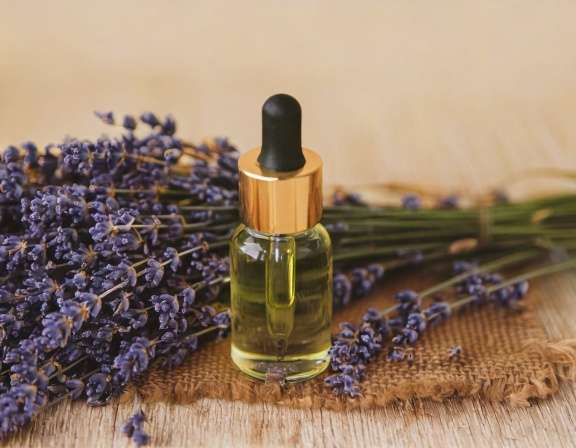
Citronella and lemongrass are classic mosquito oils. They can help, but they usually need more frequent re-application. Catnip contains nepetalactone, which shows promise for mosquitoes, and many people like it in a blend because it doesn’t smell as sharp as citronella.
Peppermint tends to shine more with crawling pests, like ants, and it can discourage some flying bugs around doorways and patios. Lavender often provides mild mosquito relief, especially when combined with stronger oils. Cedarwood is commonly used for moths, and it may help with some ticks when applied to clothing edges.
Quality matters, too. Old oils can oxidize and irritate skin more easily, and weak oils may fade before you make it through a short evening walk. If flies are your main enemy indoors, see essential oils that repel flies naturally for more targeted options.
Why bugs come back fast (and how to make your repellent last longer)
If your spray seems to “quit” after an hour, it’s not your imagination. Heat speeds evaporation. Wind strips scent away. Sweat and water dilute what you applied. Even rubbing your arm on a chair can wipe it off.
A few practical tweaks can stretch your results:
- Apply to clothing edges (sock line, cuffs, waistband) because those areas stay warmer and hold scent.
- Use two light coats instead of one heavy spray, then let it dry.
- Pair your repellent with fans and screens, because moving air makes it harder for mosquitoes to land.
- Reduce breeding spots by dumping standing water (saucers, buckets, clogged gutters).
- Adjust timing. In many areas, mosquito pressure spikes at dusk, so apply right before.
- Store blends in dark glass and keep them cool, because light and heat can degrade oils.
Safe use first: dilution, kids, pregnancy, pets, and sun sensitivity
If you want essential oils to be part of your bug routine, safety is the price of admission. Start with dilution, because that’s where most mistakes happen.
For adults, a common range for leave-on skin products is 1 to 2%. That equals about 6 to 12 drops per 1 ounce of carrier (oil or lotion). Some people go higher, but stronger isn’t always better. Skin irritation can make you miserable, and it can keep you from using the blend consistently.
For kids, many families stay around 0.25 to 0.5%, and some choose clothing-only sprays instead. As an example, 0.5% is about 3 drops per 1 ounce of carrier. Age matters, too. If you’re unsure, keep it on clothes and skip direct skin use.
Pregnancy and nursing call for extra care because scent sensitivity is common, and some oils are not advised in certain situations. When in doubt, choose a gentle blend, use a low dilution, and focus on clothing and environment changes (screens, fans, long sleeves).
Patch testing sounds fussy until you’ve had a rash in July. It’s quick: apply a small diluted amount to the inner forearm, then wait 24 hours. Stop using the blend if you notice burning, itching, redness, dizziness, or a headache that ramps up after application.
Sun sensitivity matters, too. Some oils, especially cold-pressed citrus (bergamot, lime, lemon), can be phototoxic on skin. That means they can increase the risk of dark spots or burns when skin sees sun. A simple rule helps: don’t use phototoxic citrus on exposed skin before sun. If you do, avoid sun on that area for 12 to 24 hours, or choose steam-distilled citrus instead.
A few final cautions keep things common-sense safe:
- Avoid use near eyes, lips, nostrils, and other sensitive areas.
- Don’t ingest essential oils for bug control.
- If you use alcohol in sprays, keep them away from flames until fully dry.
- Store bottles out of reach of kids and pets, with clear labels and dates.
Quick dilution cheat sheet (with real-life examples)
- 10 ml roller bottle (about 2 teaspoons): For about 1%, use 2 drops total essential oil, then fill with fractionated coconut oil or jojoba. For half-strength, use 1 drop.
- 1 ounce (30 ml) bottle: For adults at 1%, use 6 drops essential oil, then top with carrier oil or unscented lotion.
- 4 ounce (120 ml) spray bottle for skin: Aim for around 1% total oils, which is about 24 drops total in 4 ounces of finished product.
- Start low option: If you’ve reacted before, begin at 0.5% (half the drops), then increase only if needed.
Carriers help in two ways. They slow evaporation and they reduce irritation by spreading oils over more surface area. Fractionated coconut oil, jojoba, grapeseed oil, and plain, unscented lotion all work well.
Special notes for cats, dogs, and backyard animals
Cats process certain compounds differently than humans do, which can make essential oils riskier for them. That’s why a blend that seems fine on your skin can still be a bad idea in a diffuser around a cat.
Skip diffusing bug-repellent oils indoors if you live with cats, unless your vet has guided you. Keep topical products off pets, too, unless a veterinarian recommends a specific approach.
Be extra cautious with oils often flagged around pets, including tea tree, peppermint, wintergreen, clove, cinnamon, and strong “hot” oils in general. Also keep bottles tightly closed, clean up drips right away, ventilate rooms well, and wash hands after mixing.
3 easy DIY essential oil bug repellent recipes you can make today
These recipes keep the math simple and the scent pleasant. Use amber glass when you can, label each bottle with ingredients and the date, and shake before each use. Also skip applying to broken skin, and keep sprays away from the face.
You’ll still want to re-apply. Most essential oil blends hold up for 60 to 180 minutes, depending on heat, sweat, and wind. Clothing sprays can last longer than skin sprays because fabric holds scent better.
Recipe 1: Outdoor skin spray with witch hazel (light, fresh, quick to mix)
This is a good “porch at dusk” blend. It’s light on the skin and easy to refresh.
You’ll need (4 oz spray bottle):
- 3 tbsp witch hazel (alcohol-based witch hazel works best as a mixer)
- Distilled water to fill the bottle (about 2.5 to 3 oz)
- 24 drops total essential oils (about 1% in 4 oz), for example:
- 10 drops Citronella Essential Oil
- 8 drops Lemongrass Essential Oil
- 6 drops Lavender Essential Oil
Steps:
- Add essential oils to the bottle first.
- Add witch hazel, then swirl.
- Top with distilled water, cap, and shake hard.
How to use: Spray on arms and legs, then rub in with hands. Avoid face and hands if you tend to touch your eyes. Re-apply every 60 to 90 minutes, sooner if you sweat.
Sensitive skin option: Cut the oils to 12 drops total, then see how it feels for a few days.
Recipe 2: Roller-bottle blend for ankles and wrists (travel-friendly)
A roller is clean, quick, and perfect for walks. It’s also less likely to drift into your eyes.
You’ll need (10 ml roller bottle):
- Fractionated coconut oil (or jojoba) to fill
- 2 drops total essential oils for about 1%, choose this blend:
- 1 drop Cedarwood Essential Oil
- 1 drop Lavender Essential Oil
If you want it a bit stronger (still gentle):
- Use 3 drops total:
- 1 drop Cedarwood Essential Oil
- 1 drop Lavender Essential Oil
- 1 drop Peppermint Essential Oil(peppermint can feel intense on sensitive skin, so go slow)
Steps:
- Add the drops into the roller bottle.
- Fill with carrier oil.
- Cap and roll between your palms to mix.
How to use: Apply to ankles, behind knees, wrists, and along the sock line before walks. Re-apply every 2 to 3 hours.
Kid note: Many families skip peppermint on kids, or keep the roller for adult use only. When kids need support, clothing sprays can be the easier choice. For a separate pest problem that often involves kids, see safe essential oils to keep lice away for a hair-focused approach.
Recipe 3: Clothing and gear spray for hikes and yard work (less skin contact)
This option is great when ticks are a concern because you can target socks, cuffs, and pant legs. It also reduces the amount you put on skin.
Important note: Lemon eucalyptus essential oil is not the same as PMD-based repellents. This recipe uses essential oil for scent support on fabric, not a standardized PMD formula.
You’ll need (8 oz spray bottle):
- 2 oz high-proof vodka (or perfumer’s alcohol)
- Distilled water to fill (about 6 oz)
- 60 drops total essential oils (about 1.25% in 8 oz), for example:
- 25 drops Lemon Eucalyptus Essential Oil
- 20 drops Citronella Essential Oil
- 15 drops Cedarwood Essential Oil
Steps:
- Add oils to the bottle.
- Add alcohol, then shake for 20 seconds.
- Add water, cap, and shake again.
How to use: Spray hats, socks, shoes, pant cuffs, and backpack straps. Let it dry before wearing. Test on a small spot first, since some fabrics spot easily. Re-apply every 3 to 4 hours, or after heavy sweating.
Fire safety: Alcohol sprays are flammable until dry, so keep away from campfires, grills, and sparks during application.
Conclusion
Essential oils can support a calmer summer evening, especially when you treat them like one tool in a bigger plan. Start with a scent you’ll actually wear, keep dilution gentle, and re-apply before bugs get bold. Clothing sprays, sock-line rollers, and simple yard habits (screens, fans, emptying standing water, covering skin) often work better together than any single bottle.
Most importantly, keep safety in the mix. Do a patch test, avoid sun-sensitive citrus on exposed skin, and use extra care around pets, especially cats. With a little trial and error, essential oils for bug repellent can become part of your regular porch and trail routine. Which pests are you battling most right now, mosquitoes, ticks, ants, or flies?
Stay Connected for More Natural Living Inspiration
If you enjoyed this post about herbal wellness and love discovering natural ways to refresh your home and wellness, don’t miss out on future recipes and clean-living tips! Subscribe to the blog for weekly DIYs, wellness inspiration, and herbal remedies delivered straight to your inbox.
Don’t forget to visit my LinkTree for the links to my favorite essential oils, herbal teas, natural recipes, YouTube ambiance videos for sleeping; a project I created to help with insomnia symptoms and the second channel, Rooted in Nature YouTube Channel both channels feature herbal recipes for wellness and home.
Thanks for coming by!

Leave a Reply