
(DISCLAIMER: I am not a doctor, and you should consult your healthcare professional before starting any health regimen. Some links are commissioned and supports the blog)

Key Takeaways
- Fast, low-effort options: Diffuse a small amount, use a personal inhaler, or apply a properly diluted roller blend to pulse points.
- Start low and go slow: With ylang ylang, more isn’t better. Begin with 1 to 2 drops in a diffuser, then adjust later.
- Watch common headache triggers: Too many drops, diffusing too long, poor airflow, low-quality oils, and mixing several strong scents can all raise the odds of a headache.
- Stick to safe adult dilution ranges: For most healthy adults, 0.5% to 2% is a typical topical range (lower for face and sensitive skin).
- Kids need extra caution: Many oils require age-specific guidance. Ask a qualified professional before using, especially under age 6.
- Pregnancy and breastfeeding call for restraint: Get personalized guidance from a clinician or trained aromatherapist before topical use or heavy diffusion.
- Pets, especially cats, are sensitive: Keep diffusion light, provide an exit route, and avoid topical use on animals unless directed by a veterinarian.
Your shoulders creep up toward your ears. Your jaw stays clenched without permission. The day feels loud, even when the room is quiet.
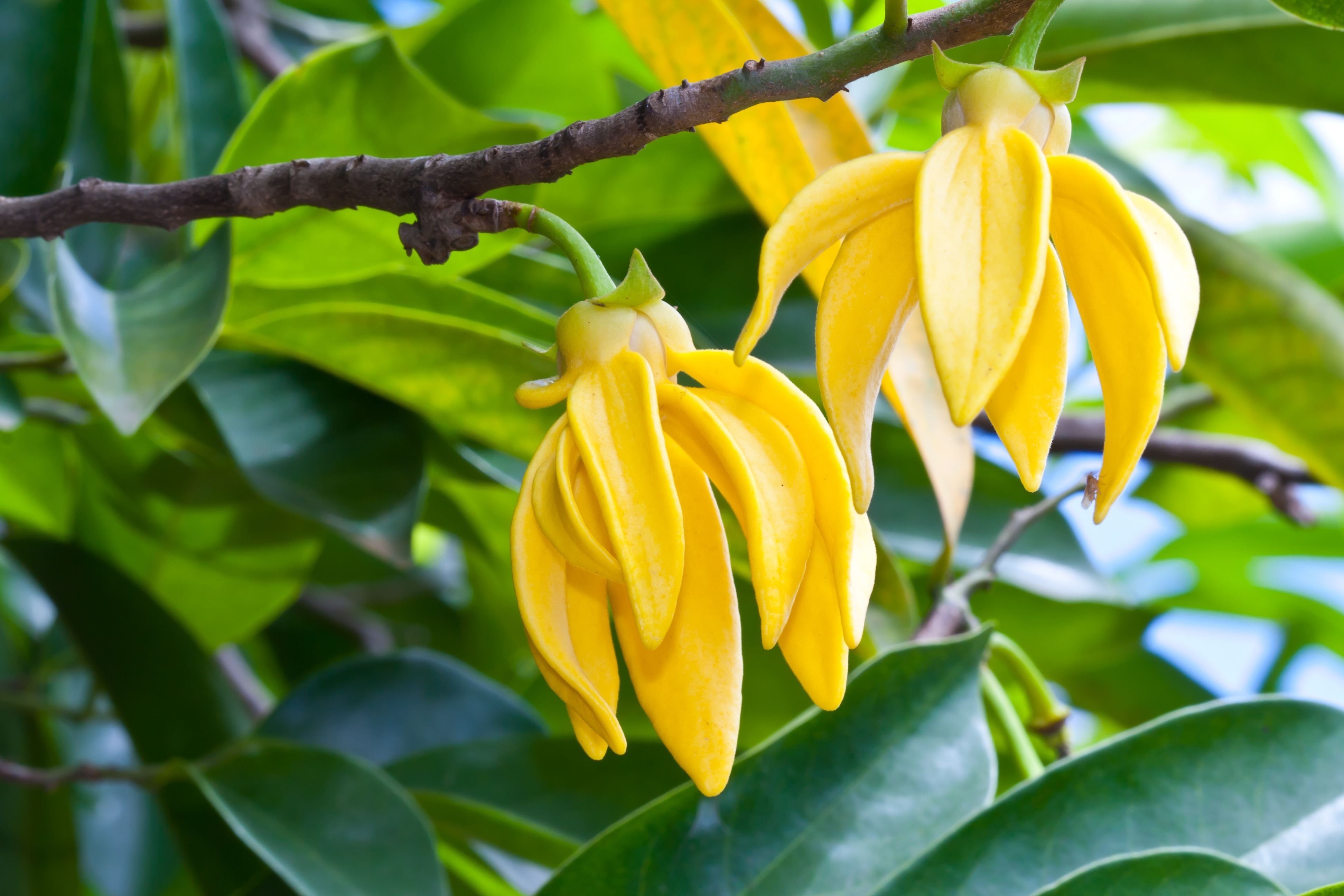
On high-stress days like that, ylang ylang essential oil is one of the softer, floral options people reach for when they want the air to feel kinder. Its scent is sweet and rich, like flowers warmed by the sun, and for many, it pairs well with slow breathing and a calmer pace.
Still, essential oils are concentrated. That means safety matters more than vibes. Always dilute before using on skin, diffuse with care (low drops, good airflow, short sessions), and stop if you feel worse. This guide covers practical diffuser blends, common headache triggers that can make aromatherapy backfire, and simple dilution rules you can follow without overthinking.
How ylang ylang can support a stressed-out nervous system (and when it might not)
Aromatherapy works through scent and the brain’s pattern-making. When you smell something, your nervous system can react fast, sometimes before you’ve formed a full thought. That’s why a familiar fragrance can feel like a memory, and why a calming scent can make your breathing soften without you trying.
Ylang ylang’s aroma is sweet, floral, and slightly fruity, with a dense, perfumey feel. Many people find it comforting because it reads as warm and lush, not sharp. It can be a helpful cue for slowing down, especially when stress feels like mental buzzing or tight muscles.
At the same time, aromatherapy can’t erase real problems. It also can’t replace medical care for anxiety, migraines, or persistent headaches. Think of scent as a small tool, like turning down harsh overhead lights. It may help you settle, but it won’t finish your to-do list.
The simplest way to tell if it’s helping is to look for tiny body signals. Your shoulders drop. Your jaw unclenches. Breaths get slower, and the exhale gets longer. On the other hand, stop right away if you notice nausea, dizziness, throat irritation, or a stronger headache. A scent you dislike can raise stress, even if the oil is high quality. For a general profile of aroma, blending, and basic cautions, see AromaWeb’s ylang ylang essential oil overview.
Pick the right ylang ylang: extra, I, II, III, and complete
Ylang ylang is often sold in fractions, which affects how it smells.
Ylang ylang Extra usually smells the sweetest and most heady, almost like perfume. I stays rich but can feel slightly brighter. II and III often smell lighter, greener, or more muted. Complete (sometimes called “complete grade”) is a fuller profile, often balanced for everyday aromatherapy.
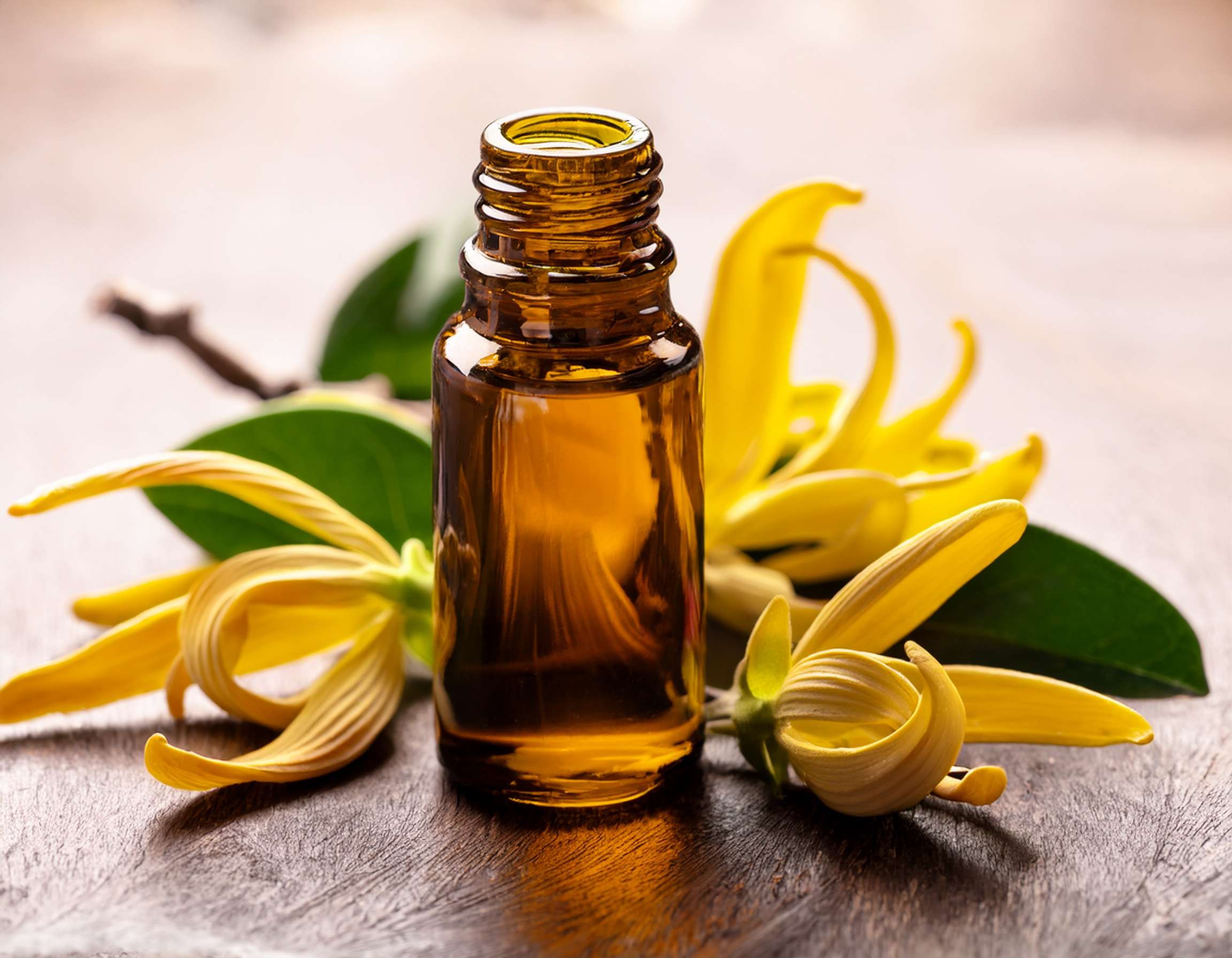
When buying, keep it simple and picky. Look for the botanical name Cananga odorata, a country of origin, and packaging in a dark glass bottle. A batch number and GC-MS report can be a good sign of transparency. If you want to compare how a mid-range fraction is described by a supplier, New Directions Aromatics’ ylang ylang #2 listing shows the kind of details to scan for.
For diffusing, many people prefer Complete or Grade I because the scent feels rounded. For blending with other oils, II or III can sit back and behave, especially if you’re scent-sensitive.
A quick reset routine that pairs scent with breath
Scent works better when it’s tied to a repeatable habit. You’re training your brain to treat that aroma like a calm cue.
Add 1 to 3 drops of ylang ylang to your diffuser (or a blend you like). Sit down with both feet on the floor. Inhale through your nose for a slow count of four, then exhale for a count of six. Let your shoulders soften as you breathe out.
Keep going for 3 to 5 minutes. Then sip water. That last step sounds almost too basic, but dehydration can mimic stress signals, and it can also trigger headaches.
Diffuser blends for high-stress days (gentle, balanced, and not too sweet)
Diffusers can turn a room into a mood, but they can also turn a mood into a headache if you overdo it. A good rule is to use fewer drops than you think, then diffuse in short sessions.
Start with a 100 to 200 ml water diffuser. For most rooms, 3 to 6 total drops is plenty, especially with ylang ylang. Run it 15 to 30 minutes, then turn it off and give your nose a break. If possible, crack a door or window. Also, clean your diffuser regularly, because old water and leftover oil can make the scent smell “off” and feel irritating. If you want more general diffuser tips and oil pairings (especially when you’re trying to breathe easier), this sinus decongestant diffuser blend guide has helpful reminders about ventilation and breaks.
Two easy adjustments can save the day:
- To make it lighter, reduce ylang ylang and add a bright citrus note.
- To make it deeper, add a wood oil, which can feel steady and less sweet.
3 easy ylang ylang diffuser blends you can use right away
Each blend below is written for a 100 to 200 ml diffuser. If your space is small, cut the total drops in half.
Soft Landing (floral, soft, familiar): 2 drops ylang ylang, 2 drops lavender, 1 drop bergamot.
Clear the Noise (sweet, calm, not sleepy): 2 drops ylang ylang, 2 drops sweet orange, 1 drop frankincense.
Cozy Focus (warm, grounded, lightly citrus): 2 drops ylang ylang, 2 drops grapefruit, 1 drop cedarwood.
A quick bergamot note: phototoxicity is mainly a topical concern (skin plus sun). Diffusing isn’t the same risk, but if you put bergamot on your skin, avoid sun exposure on that area for a while.
If you want more background on the aroma and common uses people report, this ylang ylang oil benefits and uses guideoffers a broad, reader-friendly summary.
When stress shows up as irritability: blends that feel steady, not sleepy
Some days, stress doesn’t look like tears. It looks like snapping at the wrong person, or feeling annoyed by normal sounds. On those days, keep ylang ylang low and let citrus or mint carry the “reset” feeling.
Steady Reply (bright, clean, less floral): 1 drop ylang ylang, 2 drops sweet orange, 1 drop frankincense, 1 drop lemon.
Cool Head (use cautiously, low drops): 1 drop ylang ylang, 2 drops grapefruit, 1 drop peppermint.
Peppermint can feel strong fast. Keep it low, use good airflow, and avoid diffusing it around young kids or in tiny spaces. If anyone in the room feels tight-chested or uncomfortable, stop the diffuser and air the room out.
Headache triggers: why ylang ylang (or any diffuser) can backfire, and what to do instead
If you’ve ever thought, “Aromatherapy gave me a headache,” you’re not imagining things. Scent is input, and on a sensitive day your system may treat that input like noise.
Common triggers look boring on paper, yet they add up fast: too many drops, long diffusion time, mixing several oils at once, stale air, dehydration, hunger, screen glare, tight neck muscles, allergies, smoke, and other fragrances in the home. Even a “good” oil can feel like too much when your body’s already on edge.
If a headache starts, use a simple troubleshooting flow. Don’t push through it.
- Pause the diffuser and move the source of scent away.
- Get fresh air (open a window, step outside, or switch rooms).
- Drink water, then eat a small snack with protein or carbs.
- Stretch your neck and shoulders for 30 seconds, slow and gentle.
- Next time, try one oil only, 1 drop, and a short cycle.
- If scent often triggers headaches, skip diffusing and use an inhaler method instead.
Migraine is its own category, and many people with migraine are scent-sensitive. If you have sudden, severe head pain, new neurological symptoms (like weakness, confusion, vision changes), or a headache that feels alarming, seek urgent medical care.
Scent overload is real: drop count, time limits, and airflow rules
Here are practical boundaries that protect headache-prone readers.
In a small bedroom or office, start with 1 to 3 drops total. For a larger living room, 3 to 6 drops is often enough. Diffuse in cycles, such as 15 minutes on, 45 minutes off, instead of running it nonstop.
Airflow matters as much as drop count. Stuffy air holds scent in place. That can irritate the throat and trigger “nose fatigue,” where you stop smelling it and add more, even though the room is saturated. Also, avoid diffusing in cars and tiny bathrooms. Those spaces trap aroma, and the concentration climbs quickly.
A gentler option than diffusing: personal inhaler and aroma tissue method
If diffusers tend to overwhelm you, keep the scent close and brief.
Put 1 drop of ylang ylang on a tissue or cotton pad. Wait a few seconds, then waft it from a distance. Take 2 to 3 slow breaths, then set it aside in a sealed bag so it doesn’t perfume the whole room. Repeat once more later if needed.
Personal inhalers (aroma sticks) work the same way, but they’re easier to carry. The big benefit is control. You choose the moment, the distance, and the dose.
Safe dilution for skin: simple math, best carrier oils, and who should skip topical use
Topical use can feel comforting, especially when stress sits in your shoulders or the back of your neck. Still, ylang ylang can irritate some skin, and “natural” doesn’t mean “gentle for everyone.” Dilution is what makes topical use safer.
Here’s the quick cheat sheet using a 10 ml roller bottle:
- 0.5% (very sensitive skin): about 1 drop essential oil in 10 ml carrier
- 1% (daily use): about 2 drops essential oil in 10 ml carrier
- 2% (short-term, small areas): about 4 drops essential oil in 10 ml carrier
Choose a carrier oil that matches your skin. Jojoba feels light and absorbs well. Sweet almond gives more slip. Fractionated coconut stays stable and feels clean. If you want a deeper guide to options and ratios, this carrier oils guide for skin and hair breaks it down in plain language.
Before wider use, patch test. Apply a tiny amount to the inside of your forearm, then wait 24 hours. Avoid eyes, lips, and other sensitive areas, and wash your hands after applying.
Skip or get professional guidance first if you are pregnant, breastfeeding, managing asthma, epilepsy, very low blood pressure, or using oils on babies and young kids. With pets, especially cats, avoid applying essential oils to their fur or skin. If you want a conservative overview of dilution basics from a retail educator, Wyndmere Naturals’ dilution guidance is a starting point, but personalized advice matters most.
Rollerball recipes for stressful moments (gentle and skin-friendly)
Ultra-gentle calm (0.5% for a 10 ml roller): 1 drop ylang ylang, then fill the rest with carrier oil. If you want a softer finish, add 1 drop lavender and use a 20 ml bottle instead, so the dilution stays low.
Apply to wrists, then rub wrists together and breathe normally. Use up to 2 times a day at first.
Daytime calm (1% for a 10 ml roller): 1 drop ylang ylang plus 1 drop sweet orange, then fill with carrier oil.
Apply to wrists or the back of the neck (avoid broken skin, and use a light touch). Keep it to 2 to 3 times a day max, especially if you’re headache-prone.
Conclusion
High-stress days don’t need a perfect routine, they need a small, steady off-ramp. Ylang ylang essential oil can be that off-ramp when you keep it light: low drops, short diffusion cycles, and plenty of fresh air. If headaches are part of your story, treat scent like seasoning, not a main course, and watch for triggers like long sessions, stuffy rooms, or mixing too many oils.
Track what works in a quick note, like time of day, room size, blend, and hydration. Patterns show up faster than you’d think. If headaches are frequent, severe, or feel like migraines, talk with a clinician, and stop aromatherapy right away if symptoms worsen.
Stay Connected for More Natural Living Inspiration
If you enjoyed this post about herbal wellness and love discovering natural ways to refresh your home and wellness, don’t miss out on future recipes and clean-living tips! Subscribe to the blog for weekly DIYs, wellness inspiration, and herbal remedies delivered straight to your inbox.
Don’t forget to visit my LinkTree for the links to my favorite essential oils, herbal teas, natural recipes, YouTube ambiance videos for sleeping; a project I created to help with insomnia symptoms and the second channel, Rooted in Nature YouTube Channel both channels feature herbal recipes for wellness and home.
Thanks for coming by!


Leave a Reply