
(DISCLAIMER: I am not a doctor, and you should consult your healthcare professional before starting any health regimen. Product links are commissioned and supports the blog)

Key takeaways for blending ylang ylang with confidence
- Start small. Ylang ylang can take over a blend if you use too much.
- Best pairings include lavender, bergamot, orange, sandalwood, patchouli, vetiver, geranium, clary sage, jasmine, and chamomile.
- Soft and relaxing blends work well when ylang ylang meets lavender, sandalwood, or chamomile.
- Fresh and uplifting blends feel lighter with bergamot, orange, or a touch of jasmine.
- Deep and earthy blends gain body from patchouli, vetiver, geranium, or clary sage.
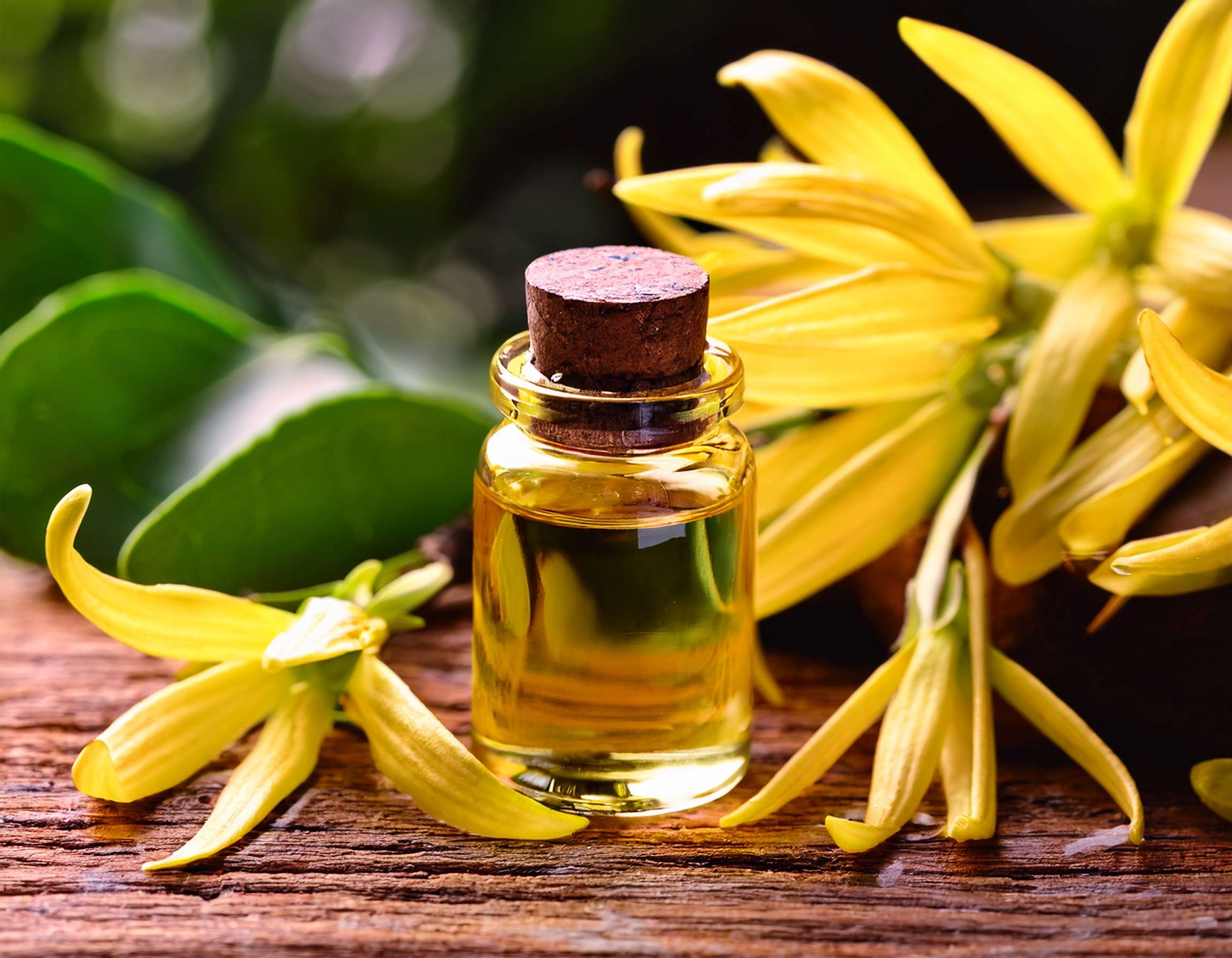
Ylang ylang has a scent people remember. It’s sweet, floral, rich, and a little creamy, which is why it shows up in perfumes, diffuser blends, and evening routines so often. It also has a strong personality, so a tiny amount can shape the whole blend.
That’s where the right partners matter. With the right oils, ylang ylang essential oil can feel soft, fresh, earthy, or warm instead of heavy. If you’re new to mixing scents, a beginner’s guide to essential oils can make the basics feel much easier.
This guide shows you which essential oils and herb-inspired scents fit ylang ylang best, how to keep the balance clean, and how to build blends for relaxing, bright, and grounding moods.
A little ylang ylang goes a long way. Start with less than you think you need.
What makes ylang ylang scent so easy to love, and so easy to overpower
Ylang ylang smells lush and full. The floral note is sweet, but it also has fruit-like warmth and a creamy edge that gives it depth. That mix makes it easy to pair with many oils, yet easy to overdo in a small blend.
Its scent works well in diffuser blends, personal fragrance blends, massage oils, and calm evening routines. In each case, the oil adds a smooth floral heart that can make other notes feel rounder. Still, too many strong partners can crowd it out or turn the blend heavy.
How its sweet floral note behaves in a blend
Ylang ylang often acts like a center note. It softens sharp citrus, takes the edge off herbal oils, and fills in woody scents that need a little warmth. It blends best when the recipe stays simple.
A crowded formula can blur the scent. Two or three well-chosen oils often smell cleaner than a long list of ingredients.
Why small amounts work best
Start with one or two drops in a small blend, then smell and adjust. That approach keeps the floral note gentle instead of loud. It also gives you more control over the final scent.
Used lightly, ylang ylang feels romantic and smooth. Used too heavily, it can turn thick and heady fast. Small steps keep the blend clear and easy to wear.
The best essential oils to pair with ylang ylang
The easiest partners are the oils that either soften the floral note or give it a clear frame. That usually means calm florals, bright citrus, and grounded woods.
Soft and calming pairings that feel like evening air
Lavender is one of the best matches for ylang ylang. It adds a soft, clean edge that keeps the floral scent from feeling too dense. Sandalwood brings a dry, creamy depth that smooths everything out.
Chamomile works the same way, but in a gentler, quieter direction. It adds a honeyed calm that makes the blend feel settled. Together, these oils create a scent that feels like a dim room with a window open.
A mix with lavender, sandalwood, and ylang ylang is easy to wear in a diffuser or room spray. It feels calm without smelling flat.
Bright and happy pairings for a cleaner floral scent
Bergamot lifts ylang ylang in a crisp, sunny way. Orange does the same, but with a softer, sweeter citrus note. Both oils help the floral scent feel lighter and less heavy.
Jasmine can be lovely here too, if you want a more romantic floral blend. It adds elegance and keeps ylang ylang from smelling one-dimensional.
These pairings work well in daytime diffuser blends and light body oils. The result is fresh, cheerful, and smooth, with the floral note still at the center.
Earthy and rich pairings for a deeper perfume-like blend
Patchouli gives ylang ylang a dark, earthy base. Vetiver adds a dry, smoky finish that pulls the sweetness back toward the ground. Geranium brings a green, rosy balance that keeps the blend from feeling too sticky.
Clary sage gives the mix an aromatic edge with a soft herbal tone. It helps ylang ylang feel layered and mature, not sugary. If you want a scent that leans more perfume-like than airy, these are the oils to reach for.
Herb-inspired partners that bring balance without stealing the spotlight
True dried herbs are lovely in teas, sachets, and baths, but essential oils are easier to control in a diffuser or roller bottle. For scent blending, herb-inspired oils often work better because they keep the formula clean and balanced.
Lavender, clary sage, chamomile, and sweet marjoram-style notes all bring an herbal lift. They can make ylang ylang feel less perfumey and more natural. That matters when you want the floral scent to stay soft instead of rich and heavy.
When an herbal note makes the floral scent feel fresher
Herbal notes cut through sweetness. They add air and shape, so the blend doesn’t feel sticky on the nose. A green, aromatic touch can also make ylang ylang easier to use in a daytime blend.
That works well for a calm-focus diffuser blend or a room scent you want to keep light. The herbal edge gives the floral note room to breathe.
Herb-scented oils that are easiest for beginners
Lavender is the safest place to start. It blends smoothly and rarely fights with other oils. Chamomile is another easy choice because it softens a blend without taking over.
Clary sage is a bit stronger, but it gives a richer herbal character that pairs beautifully with ylang ylang. If you want a more aromatic result, start there and keep the drops low. When working with strong florals, less usually smells better.
For more on simple ratios and starter blends, the essential oil blending ratios for starters guide can help keep things easy.
Easy ylang ylang blend recipes readers can make right away
These blends are simple enough for a diffuser, and they can also guide a roller bottle or room spray. If you’re using them on skin, follow proper dilution and patch test first. The skin-safe essential oil tips page is a useful next stop for that.
A relaxing diffuser blend for quiet nights
Use 2 drops ylang ylang, 3 drops lavender, and 2 drops sandalwood.
This blend feels smooth and restful. Lavender softens the floral note, while sandalwood adds a warm base that lingers without feeling heavy.
A bright citrus floral blend for daytime energy
Use 2 drops ylang ylang, 3 drops bergamot, and 3 drops orange.
This mix smells clean, cheerful, and easy to wear. The citrus notes lift the floral heart, so the blend stays bright instead of thick.
A deep, warm blend for a more grounded mood
Use 2 drops ylang ylang, 2 drops patchouli, and 2 drops vetiver.
This blend has a darker, richer finish. It feels cozy in a room and gives ylang ylang a deeper, more grown-up scent.
How to keep your blend balanced from the first drop to the last
Good blending starts with a clean bottle, a clear plan, and a light hand. Measure carefully, then smell as you go. Small changes matter more than big ones when ylang ylang is in the mix.
For skin blends, use a proper carrier oil and keep dilution gentle. If you have sensitive skin, asthma, allergies, pregnancy concerns, or a health condition, talk with a qualified professional before using essential oils on the body.
A simple rule for blending strong floral oils
A beginner-friendly rule is to let ylang ylang be one part of a three-part blend. The other oils can fill in the edges, whether you want a brighter, softer, or deeper scent.
That ratio keeps the floral note present without letting it dominate. It also gives the other oils enough space to shape the final aroma.
Common blending mistakes to avoid
The biggest mistake is using too much ylang ylang at once. Another is pairing it with several strong oils, which can turn the blend muddy.
It also helps to let the blend rest for a few minutes before judging it. Freshly mixed oils can smell sharp at first, then settle into something smoother. Smell, wait, and smell again before you decide.
A balanced finish
Ylang ylang essential oil shines when it has the right partner, creating a harmonious blend that enhances its unique floral scent. Lavender, with its calming properties, pairs beautifully with ylang ylang, promoting relaxation and tranquility. Bergamot adds a bright, citrusy note that uplifts the spirit, while orange brings a sweet, refreshing essence that invigorates the senses. Sandalwood contributes a warm, woody base, grounding the blend, while patchouli introduces an earthy depth, creating an exotic aroma that captivates. Vetiver enhances the mix with its rich, smoky character, further deepening the experience.
Chamomile offers a soothing touch, ideal for those seeking a moment of peace, while geranium adds a hint of rosy sweetness that complements ylang ylang’s complexity. Finally, clary sage rounds out the partnership, imparting a distinctive herbal quality that sharpens the overall fragrance. Each of these essential oils provides a different kind of frame, and each combination changes the mood in a clear way, allowing you to tailor your aromatic experience to fit any occasion or emotional state.
Start with one simple recipe, then adjust it until the scent feels right in your room or on your skin. Blending is part science, part instinct, and the best mix is the one that feels balanced to you.
Stay Connected for More Natural Living Inspiration
If you enjoyed this post about herbal wellness and love discovering natural ways to refresh your home and wellness, don’t miss out on future recipes and clean-living tips! Subscribe to the blog for weekly DIYs, wellness inspiration, and herbal remedies delivered straight to your inbox.
Don’t forget to visit my Amazon storefront for the links to my favorite essential oils, herbal teas, and natural recipes. I also create YouTube ambiance videos for sleeping; a channel I created to help people who have trouble sleeping. The link to all social media content is here.
Thanks for coming by!
Leave a Reply