
(DISCLAIMER: I am not a doctor, and you should consult your healthcare professional before starting any health regimen. Product links are commissioned and supports the blog)

Key Takeaways:
- Ylang ylang essential oil can support a more balanced skin feel by regulating sebum production, especially for oily or combination skin.
- Its floral scent can make your skincare routine feel calming, which may help you stick with it.
- Ylang ylang oil benefits are about how skin looks and feels, not treating medical conditions.
- Always dilute before using on skin, and patch test first.
- If you’re scent-sensitive, go slow, ylang ylang can feel strong fast.
If your T-zone gets shiny by lunch, or your cheeks look a little tired and flat, you’ve probably tried the usual things. New cleanser, new moisturizer, maybe a clay mask you forget about after week two. It’s frustrating because skin changes with stress, sleep, weather, and hormones, and it doesn’t always play fair.
That’s why ylang ylang essential oil shows up in so many “feel-good” skincare routines. It’s not just about the scent (though the floral scent offers calming aromatherapy). It’s also used in tiny amounts to support how skin feels, like softer, less greasy, more comfortable.
One quick expectation check: essential oils aren’t a cure, and they’re not meant to treat skin conditions. Think of ylang ylang as a supportive extra, like adding a pinch of salt to a meal. Also, this oil must be diluted for skin use, and some people get headaches or irritation from strong florals, so your nose and your skin get a vote here.
What ylang ylang is, and why it shows up in skincare
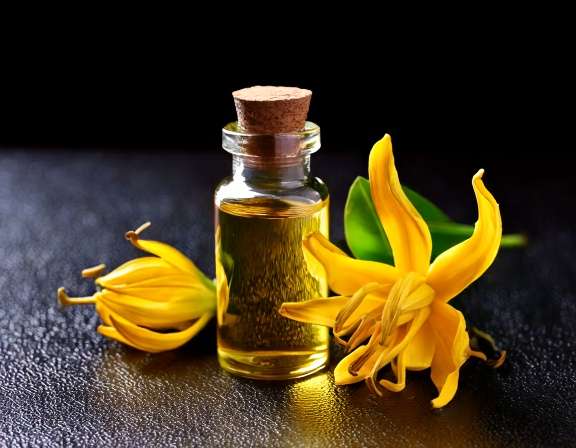
Ylang ylang essential oil comes from the flowers of Cananga odorata, a tropical tree known for intensely fragrant blooms. The oil is usually made by steam distillation, which separates aromatic compounds from the fresh flowers.
You’ll often see labels like Extra, I, II, III. These are distillation fractions, basically “cuts” taken at different times during the distillation. In plain terms:
- Ylang ylang extra is taken early, often the most prized for perfume-style aroma with its rich floral aroma and sweetness.
- I and II are still floral with a softer floral aroma, but can be a little less sharp or less “high note” heavy.
- III is usually deeper and less sweet, sometimes described as more earthy.
Those names don’t automatically tell you what’s “best” for skin. They mostly hint at how strong the scent is and how it might blend with other oils. For skincare, many people prefer a softer-smelling fraction because it’s easier to wear and less likely to feel overwhelming.
So why is it in skincare at all? Two big reasons:
- Fragrance and experience. A routine you enjoy is one you’ll keep doing.
- Skin feel. In low dilution, ylang ylang is often used in blends for oily or combination skin because it can help skin feel more “even,” not squeaky, not greasy.
You’ll hear people mention natural components like linalool and benzyl acetate. These compounds offer antioxidant properties, helping combat oxidative stress on the skin. You don’t need a chemistry degree to benefit from that info. It mostly matters because these natural compounds can be irritating for some people, especially if the oil is old or stored poorly.
For quality, look for: the botanical name (Cananga odorata), a country of origin, and oil stored in a dark glass bottle with a tight cap.
Ylang ylang vs. fragrance oils, why purity matters
An essential oil is distilled from plant material. A fragrance oil is a man-made scent blend (sometimes with some natural parts, sometimes none). Fragrance oils can smell nice, but they’re not the same thing, and they aren’t always meant for skin.
A simple buying checklist:
- Clear label: “Cananga odorata” should be on the ylang ylang essential oil bottle.
- Testing info if available: Some brands mention third-party testing (like GC/MS). Not required, but a nice sign.
- Smell check: Ylang ylang is floral, rich, and sweet, but it shouldn’t smell like generic perfume.
- Price check: If it’s extremely cheap, be cautious. Real flower oils cost more to make.
Ylang ylang essential oil benefits for skin (realistic and practical)
Let’s talk about what you can reasonably expect. Ylang ylang essential oil isn’t a magic erase button for pores, breakouts, or texture. What it can do, when diluted and used consistently, is support the overall look and feel of your skin, potentially aiding cell regeneration.
Many people use it when skin feels “all over the place,” like oily but also tight, shiny but also dull. That combo is common when your barrier is a little annoyed, or when you’ve been trying too hard to dry out oil. Its anti-inflammatory properties can help reduce inflammation, and ylang ylang often shows up in routines that aim for comfort and balance, not punishment.
Here’s what “benefits” often look like in real life:
- Your skin may feel less slick a few hours after moisturizing.
- Your face can feel softer in the morning, not stripped.
- Your routine may feel more calming, which can help you stop touching your face all day.
- Over time, consistent gentle care can lead to a more even-looking glow, because you’re not constantly irritating your skin.
A big reminder: reactions vary. Two people can use the same oil, diluted the same way, and get different results. Consistency matters, but so does listening to your skin. If your face starts to feel hot, itchy, or tight, that’s not “working,” that’s a sign to stop.
Helps skin look less oily while still feeling soft
Oily skin can be tricky because it’s easy to over-correct. Harsh cleansers, too many acids, skipping moisturizer, all of that can backfire. Your skin can respond by producing even more oil, like it’s trying to protect itself.
In low dilution, ylang ylang is often included in blends aimed at oily, combination, or acne-prone skin because it can support balanced oil production for a more balanced feel. Think “comfortable and moisturized,” not “dry and matte.”
A simple way to try it:
- Add it to a plain, unscented moisturizer you already tolerate (more on dilution below).
- Or make a tiny night-only facial oil blend, then use 2 to 3 drops total on the whole face.
If you’re oily, start with less product than you think you need. A thin layer can feel better than a thick one. The goal is skin that feels calm, not coated.
A fresh, glowy look when skin feels stressed or dull
Ylang ylang has a scent that can change the mood of your routine fast. That doesn’t mean it “fixes” stress, but it can turn skincare into a small pause, like taking a deep breath before you answer a text you don’t want to answer.
When you feel calmer, a few helpful things can happen:
- You might pick at your skin less.
- You might massage your face gently instead of scrubbing.
- You might stick to a routine long enough to see gradual improvement.
Try this: after cleansing at night, apply your diluted oil or moisturizer and do a 30 to 60-second gentle massage. Keep pressure light, like you’re smoothing lotion on a baby’s cheek. Focus on the sides of the nose, jawline, and forehead. Do this a few nights a week for a couple of weeks, then decide if your skin looks more rested, feels more even, and shows less prominent fine lines and wrinkles.
How to use ylang ylang on your face and body without irritating your skin
This is where most people go wrong: they use too much, too often, too soon.
For facial skin, especially sensitive skin, a safe target is usually around 0.25% to 0.5% dilution. For the body, 1% to 2% is common for topical application because the skin is thicker (and you’re not putting it right next to your eyes and nose).
Easy, low-fuss methods:
- Add to unscented moisturizer: Put a small amount of moisturizer in your palm, add a micro-amount of diluted blend (not straight essential oil), then apply.
- Make a simple facial oil: Mix ylang ylang into a carrier oil, use a few drops at night.
- Add to body oil: After a shower, apply your scented body oil to damp skin.
A few “don’t do this” reminders:
- Don’t apply ylang ylang essential oil near eyes, inside nostrils, or on broken skin.
- Don’t use it as a spot treatment on a pimple.
- Don’t mix five essential oils at once. More oils means more chances for irritation.
Easy dilution guide (with drop counts that are hard to mess up)
Here’s the part people appreciate because it’s practical.
For the face, it’s safer to mix a slightly larger batch so you can use fewer drops overall.
- Face-friendly option (recommended): In 2 tablespoons (30 mL) carrier oil, use 2 to 3 drops ylang ylang total. That lands in a low range that most people handle better.
- Body option: In 2 tablespoons (30 mL) carrier oil, use 6 to 12 drops ylang ylang total (start at 6).
About the “1 teaspoon” question:
In 1 teaspoon (5 mL) carrier oil, 1 drop of essential oil is around a 1% blend. That can be too strong for facial skin, especially if you’re sensitive. If you only want to make a tiny amount for your face, use it less often (like 1 to 2 nights a week), or mix into more carrier oil to lower the strength.
Common carriers people like:
- Jojoba oil: Great for oily or combination skin, light and steady.
- Grapeseed oil: Very light feel, nice if you hate heaviness.
- Sweet almond oil: Comforting for dry skin (skip if you have a nut allergy).
- Coconut oil: Easy for body care, spreads well (use fractionated for a lighter feel).
Patch testing and common reactions to watch for
Patch testing isn’t fun, but neither is a red, stinging face. It helps you avoid reactions and know how to soothe irritation if needed.
A simple patch test routine:
- Dilute first (never patch test neat essential oil).
- Apply a small amount to the inner forearm.
- Wait 24 hours and watch for redness, itching, bumps, or burning.
- If it’s fine, try a small area on the jawline for a couple of nights.
- If that goes well, use it on the full face, still diluted, still sparingly.
Possible reactions:
- Redness or itching (skin irritation or allergy)
- Headache or nausea from the scent (especially if you’re prone to migraines)
- Extra sensitivity if your skin barrier is already stressed
Ylang ylang is a known allergen for some people, and compounds like linalool can oxidize as oils age. Store your bottle tightly capped, away from heat and light. If it smells “off” or much sharper than it used to, replace it.
Who should skip it, plus smart pairing ideas for better results
Some people should be extra cautious, or skip ylang ylang on skin altogether.
Use extra care if you’re:
- Pregnant or nursing, ask a qualified healthcare professional first if you’re unsure.
- Prone to asthma flare-ups or scent-triggered migraines.
- Dealing with very sensitive, reactive, or eczema-prone skin and other skin conditions.
- Using strong actives like retinoids, benzoyl peroxide, or frequent acids, especially if you’re already dry or peeling.
Also, if your skincare routine is already complicated, ylang ylang might not be the missing piece. Sometimes the best “oil control” is switching to a gentler cleanser and moisturizing consistently.
Good pairings for different skin types (simple combos)
Oily skin: try ylang ylang diluted in jojoba oil for its antibacterial properties, use it at night, and keep your cleanser gentle so you don’t kick oil into overdrive.
Dry skin: mix ylang ylang into sweet almond or squalane to tap into its antimicrobial properties, then seal with a thicker moisturizer to reduce that tight feeling.
Mature-looking skin: add a few drops of ylang ylang to a night blend with rosehip and lavender essential oil for a richer, pampering feel and anti-inflammatory properties.
Body care: ylang ylang in a body oil right after showering can make skin feel smoother, and the scent lasts without needing perfume.
Keep total essential oil drops low, especially with ylang ylang essential oil, and avoid mixing a bunch of oils at once. Simple blends are easier to patch test and easier to troubleshoot.
Conclusion
Ylang ylang essential oil, with its benefits for skin, can be a nice add-on if your goal is skin that feels more balanced, looks a bit more refreshed, and comes with a relaxing “end of day” aromatherapy vibe. The best results usually come from small changes done consistently in your skincare routine, not a huge product pile.
The most important safety point is simple: dilute, patch test, and go slow. If irritation shows up, stop and give your skin time to settle.
Pick one method, like a low-strength night oil or a drop in a body blend, and try it for two weeks. Pay attention to how your skin feels in the morning and how oily it gets by mid-day. Your skin gives honest feedback when you give it a calm routine.
Stay Connected for More Natural Living Inspiration
If you enjoyed this post about herbal wellness and love discovering natural ways to refresh your home and wellness, don’t miss out on future recipes and clean-living tips! Subscribe to the blog for weekly DIYs, wellness inspiration, and herbal remedies delivered straight to your inbox.
Don’t forget to visit my Amazon storefront for the links to my favorite essential oils, herbal teas, and natural recipes. I also create YouTube ambiance videos for sleeping; a channel I created to help people who have trouble sleeping. The link to all social media content is here.
Thanks for coming by!


Leave a Reply