
(DISCLAIMER: I am not a doctor, and you should consult your healthcare professional before starting any health regimen. Product links are commissioned and supports the blog)

Key Takeaways
- Violet aroma feels tender and comforting for stress relief, especially on tense days.
- Many “violet essential oil” products are absolutes or blends, not a true steam-distilled oil.
- Violet leaf smells green and fresh, while violet flower smells sweet and powdery.
- For aromatherapy in a diffuser, violet can support a calmer mood without filling the whole house.
- With proper dilution, violet can support gentle skin comfort for dry-feeling or sensitive seasons.
- Violet fits bedtime routines well for insomnia because it’s not sharp or piercing.
- In blends, violet adds a “soft-focus” floral note that can make a mix smell expensive.
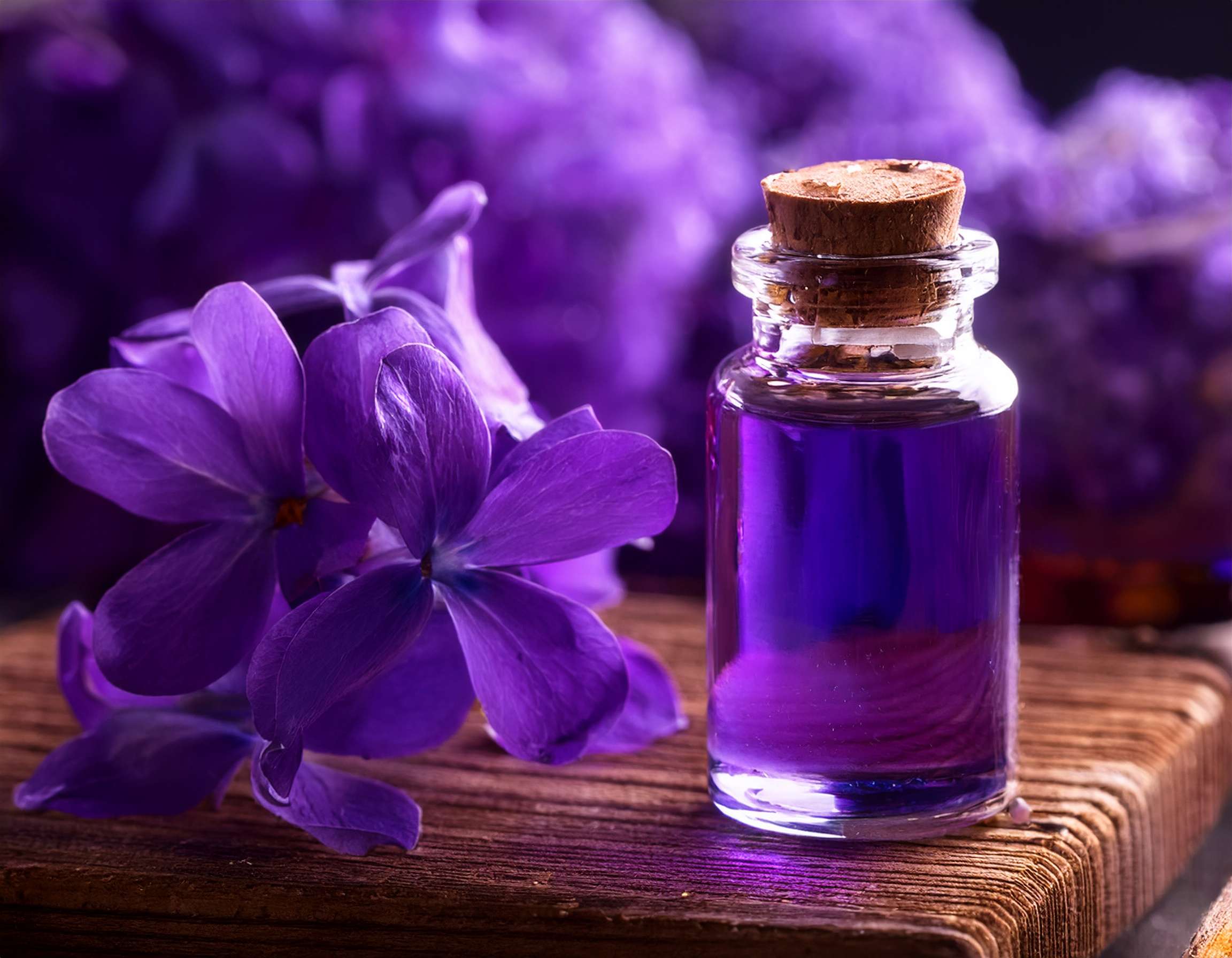
A violet scent can feel like a quiet room with the windows cracked open. It’s soft, powdery, and a little nostalgic, like sweet violet flowers pressed into an old book. If you’ve seen “violet essential oil” online, though, you’ve also seen the confusion. What is it, what does it do, like the violet essential oil benefits, and why does it cost so much?
This guide keeps things simple and practical. You’ll learn what violet products really are, how they smell, what benefits people notice at home, and how to use them safely without wasting a drop.
Safety first: dilute well, patch test, avoid eyes and inner nose, and check with a qualified professional if you’re pregnant, nursing, or managing a health condition.
What violet essential oil is, and why it’s so rare
Here’s the honest truth: most bottles labeled “violet essential oil” are not what people imagine. Violet is a delicate plant, and its famous “violet candy” smell usually comes from the flowers, which don’t give up an essential oil easily through steam distillation. As a result, true steam-distilled violet flower essential oil is uncommon in everyday aromatherapy shops.
What you’ll usually find instead falls into a few buckets:
- Violet leaf absolute: Typically made from the leaves using solvent extraction. It smells green, watery, and fresh, often compared to cucumber peel or crushed stems.
- Violet flower absolute: Made from the flowers (also usually solvent extracted). This leans sweet, powdery, and perfume-like, the “classic violet” most people expect.
- Infused oil: Violet flowers or leaves steeped in a carrier oil, offering a milder scent option often found in stores.
- “Violet essential oil” blends: A mix of natural isolates, absolutes, or other essential oils built to mimic violet’s aroma. Some are well-made; others are mostly synthetic fragrance.
None of those options are automatically “bad.” The key is knowing what you’re buying, because pure products offer distinct therapeutic properties that synthetic fragrances lack, and they can act differently in blends with varying safety notes from the maker.
Before you add violet to your cart, slow down and read the label like you’re reading ingredients on food. Look for:
- The Latin name (often Viola odorata for violet leaf or flower materials)
- The part used (leaf vs flower)
- The extraction method (absolute, solvent extracted, CO2 extract, or blend)
- Country of origin (or at least the supplier’s sourcing notes)
- Clear dilution guidance (especially if it’s pre-diluted in jojoba or another carrier)
If you enjoy building relaxing scent routines, pairing violet with familiar oils can feel natural. For more ideas on emotional support aromas, see top mood-boosting essential oils for uplift.
Violet leaf vs violet flower, they don’t smell or act the same
Violet leaf and violet flower share a name, but they don’t share a personality.
Violet leaf smells like green rainwater and snapped stems. It can make a room feel airy, clean, and “outside.” In blends, it often works like a fresh top note that keeps florals from turning too sweet. If your goal is a fresh-air vibe, violet leaf pairs well with citrus, rosemary, or light woods.
Violet flower smells soft and sweet, with a powdery finish that can feel comforting. It’s closer to a gentle perfume note than a “house-clean” scent. If your goal is emotional comfort or a cozy bedtime feel, violet flower fits with lavender, frankincense, or cedar.
A quick way to decide: leaf feels like open windows, flower feels like a cashmere scarf.
How to spot a quality violet product without getting tricked
Violet materials can be pricey, so the bargain-bin bottles deserve extra caution. When a violet product seems too cheap, it’s often mostly synthetic fragrance.
Use this quick checklist:
- Clear ingredient list: You want specifics, not vague “fragrance oil” wording.
- Aromatherapy intent: If you want a therapeutic-style product, avoid mystery perfume oils.
- Testing when available: Reputable brands may share third-party testing or batch details.
- Dark glass bottle: Violet aromas can fade faster with heat and light.
- Dilution instructions: Trustworthy sellers tell you how to use it safely.
If the label won’t tell you what it is, assume it’s not what you want.
Violet essential oil benefits people notice most at home
Violet isn’t usually the oil people grab for “wake me up” energy. It’s more like a dimmer switch than a spotlight. When you use it well, the benefits tend to show up as small shifts that feel personal, a softer mood, a gentler bedtime, a comforting scent on your skin, or a blend that suddenly smells finished.
Because many violet products are absolutes or blends, experiences can vary by brand. Still, people often reach for violet for a few consistent reasons.
First, it can help create a calmer atmosphere. The scent profile matters here. Violet flower notes feel plush and soothing, while violet leaf notes feel clean, steady, and subtly decongestant to help with respiratory issues. Either way, violet tends to avoid the “too loud” problem some oils have.
Second, it plays nicely with bedtime routines. Violet doesn’t jab the senses like peppermint. It doesn’t sparkle like lemon. Instead, it sits close to the skin and softens the edges of the room.
Third, diluted violet can support skin comfort and pain relief in a very simple way, mainly because routines feel better when they smell good and feel gentle, with potential support for the lymphatic system. Think of it as adding a quiet, pleasant layer to a plain carrier oil.
Finally, violet shines in blends. It can connect bright notes (bergamot, grapefruit) with deeper notes (cedarwood, frankincense) so the blend feels smooth instead of choppy.
For topical use, keep dilution basic and conservative:
- 1% dilution: Great for face or sensitive skin areas.
- 2% dilution: Often used for body oils or roll-ons.
Now let’s get specific.
A calmer mood when your day feels too loud
Some days feel like someone left too many tabs open in your head. Violet’s soft floral note can support emotional comfort, especially during grief as a natural remedy, when you want calm without sleepiness.
Try one of these simple methods:
- Diffuser: Add 2 to 4 drops total violet product (or follow the maker’s guidance if it’s an absolute or pre-blend). Diffuse for 20 to 30 minutes, then take a break.
- Tissue inhale: Put 1 drop on a tissue, hold it at arm’s length, then breathe slowly for a few breaths.
Keep it gentle. Don’t press the tissue to your nostrils, and keep all oils away from eyes.
If you like rotating calming oils based on mood, the ideas in uplifting oils like lavender and bergamot for emotional health can help you build a small “scent wardrobe.”
A gentle bedtime wind-down that doesn’t overpower the room
Violet works at night because it doesn’t shout. It settles. That makes it a strong choice for people who find minty or camphor scents too intense before bed.
Two easy options:
A pillow mist concept: Use distilled water, a proper solubilizer (so the oils mix), and just a few total drops of oils per small bottle. Keep violet as the main note, then add a touch of lavender if you want extra softness. Mist the air above pillows, not the fabric if your skin reacts easily.
A pre-sleep foot rub: Mix violet into a carrier at 1 to 2 percent. Massage into feet and ankles, then put on socks. The scent stays close, so the room doesn’t get saturated.
If you want more diffuser inspiration for evenings and seasonal comfort, powerful diffuser blends for allergies and immunity can spark ideas on how to balance floral, fresh, and grounding notes.
Skin comfort support when you need something soothing (with proper dilution)
People often reach for “soothing” routines when skin feels tight, dry skin, or a bit reactive to weather changes, including for eczema, rosacea, psoriasis, or skin irritation. Violet fits that moment because the aroma itself feels gentle, and a simple oil application can reduce that scratchy, stressed-out feeling, thanks to its anti-inflammatory properties and antioxidant properties.
Keep expectations realistic. Violet won’t fix medical skin issues, and you shouldn’t use it on broken skin. Still, as part of a basic routine, it can help you slow down and treat your skin kindly.
To keep it simple, choose a gentle carrier oil:
- Jojoba feels light and skin-like.
- Fractionated coconut feels silky and absorbs fast.
- Sweet almond oil feels soft and comforting (avoid if you have a nut allergy).
Use a low dilution, patch test, and wait 24 hours before wider use. When in doubt, go lower. Violet products can be potent, and you don’t need much.
A sweet, powdery floral note that makes blends feel expensive
Violet has a perfumer’s talent. It can smooth sharp edges and connect notes that don’t naturally hold hands. In other words, it acts like a bridge, making a blend feel more “together.”
Try these blend directions (not strict recipes), and adjust slowly:
- Violet flower + bergamot + cedarwood for soft brightness with a clean, woody base.
- Violet flower + frankincense + lavender for a calm, incense-tinged bedtime profile.
- Violet leaf + rosemary + grapefruit for a green spa vibe that feels fresh, not sweet.
Start with tiny totals, because it’s easier to add than to subtract. Also, when you use citrus oils on skin, watch sun exposure since some citrus oils can raise sun sensitivity.
How to use violet safely, plus simple recipes you can personalize
Violet products often feel gentle, but “gentle” doesn’t mean risk-free. Respect the concentration, especially if you’re working with an absolute or a strongly scented violet blend. Violet’s natural chemistry includes compounds like salicylic acid, so extra caution helps when you’re pregnant, nursing, using essential oils on kids, managing asthma, or living with pets. Diffuse in a well-ventilated space, keep sessions short, and always give pets a clear path to leave the room.
Phototoxicity usually shows up more with expressed citrus oils, not violet. Still, good sun habits matter. If your blend includes bergamot, lemon, lime, or grapefruit, avoid applying it before sun time unless you know the oil is non-phototoxic and used at a safe level.
Storage keeps violet from fading. Tighten the cap, store upright, and keep bottles away from heat and bright light. Violet notes can feel fragile, like a pressed flower, and they don’t love a sunny windowsill.
Dilution made simple: how many drops to use without guesswork
Dilution sounds mathy, but you can keep it practical.
A 1% dilution means “low and gentle,” good for face-area use or sensitive skin. A 2% dilution is a common body strength for adults and topical application.
For a 10 ml roller bottle, a simple guide is:
- About 2 drops total essential oil for 1%
- About 4 drops total essential oil for 2%
Drop size varies by bottle and oil thickness, so treat this as a close estimate. Start low anyway, because violet products can be strong and expensive. Your goal is a soft scent trail, not a cloud.
Three easy ways to enjoy violet, diffuser, roll-on, and shower steam
A few small routines can stretch a small bottle.
For a diffuser: Choose violet as the heart note, add one bright top note (like bergamot), and one grounding note (like cedarwood). These heart-note blends support meditation and spiritual growth. Keep the total at 4 to 6 drops, and diffuse in cycles.
For a roll-on: Fill a 10 ml roller with carrier oil. Add violet at 1 to 2 percent total essential oil drops. Apply to wrists, collarbone, or the back of the neck, then pause and breathe.
For a shower steam moment: Add 1 to 2 drops to a damp washcloth, then place it on a shower shelf away from the direct stream. The steam lifts the aroma gently. You can also use a pre-made shower steamer if you prefer a no-mess option.
Pet note: diffuse lightly, ventilate the space, and let animals leave if they want to.
Conclusion
Violet essential oil benefits tend to show up in quiet ways: a softer mood, a calmer bedtime, gentle skin comfort when diluted, and blends that smell smooth and finished. Just remember that many violet products are absolutes or crafted blends, not a common steam-distilled oil, so labels matter.
Buy from brands that explain the part used, extraction method, and dilution guidance. Then use violet with care, keep totals low, and always patch test before skin use. This week, pick one simple ritual, a bedtime diffuser cycle or a low-dose roll-on, and jot down how it feels. A small note in your aromatherapy practice can teach you more than a big promise.
Stay Connected for More Natural Living Inspiration
If you enjoyed this post about herbal wellness and love discovering natural ways to refresh your home and wellness, don’t miss out on future recipes and clean-living tips! Subscribe to the blog for weekly DIYs, wellness inspiration, and herbal remedies delivered straight to your inbox.
Don’t forget to visit my LinkTree for the links to my favorite essential oils, herbal teas, natural recipes, YouTube ambiance videos for sleeping; a project I created to help with insomnia symptoms and the second channel, Rooted in Nature YouTube Channel both channels feature herbal recipes for wellness and home.
Thanks for coming by!

Leave a Reply