
(DISCLAIMER: I am not a doctor, and you should consult your healthcare professional before starting any health regimen. Product links are commissioned and supports the blog)

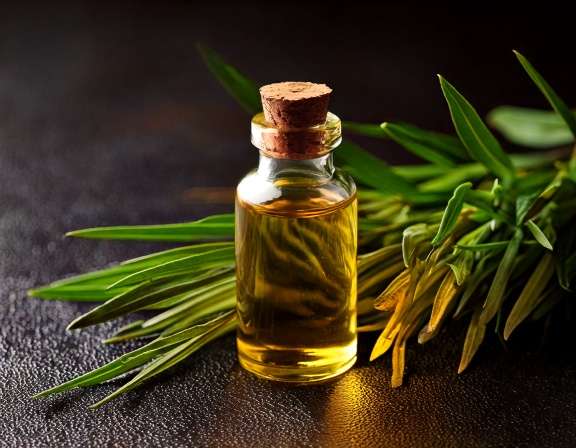
The house grows softer as evening arrives. A mug warms your hands, the lights turn golden, and a rich earthy scent begins to settle into the room.
Vetiver essential oil appeals to people who enjoy deep, smoky, slightly woody aromas rather than bright, sugary fragrances. It can support a calming routine, but it isn’t a treatment for anxiety or sleep problems. Your response may also differ from someone else’s.
Below you’ll find seven vetiver diffuser blend ideas, including three simple recipes with exact drop counts. You’ll also learn how to adjust each blend and use essential oils with care.
Key Takeaways for a Calmer Evening Routine
- Vetiver pairs well with lavender, citrus, woods, and gentle florals.
- A small bedroom diffuser usually needs only 3 to 5 total drops.
- Run the diffuser for about 30 to 60 minutes before bed, then turn it off.
- Vetiver may feel calming to some people and alerting to others.
- Use extra care around children, pets, pregnancy, asthma, sensitive skin, and medication.
How Vetiver Essential Oil Sets the Mood for Evening
Vetiver essential oil has an earthy, smoky aroma with sweet woody tones. Some people notice a dry, root-like character, while others find it warm and almost forest-like. Because the scent is intense, a little can shape an entire blend.
In perfumery, vetiver is a base note. It lasts longer than many citrus oils and gives lighter scents something steady to rest on. Lavender can make it feel softer, orange can add warmth, and cedarwood can bring out its dry wooden side.
Early aromatherapy research points to possible relaxation, changes in stress markers, and improved sleep for some people. However, human research remains limited, and findings aren’t consistent enough to promise a particular result. Vetiver may support a soothing evening habit, yet it can’t replace care for ongoing insomnia, anxiety, or other health concerns.
Your own scent preference matters just as much. A blend that feels peaceful to one person may seem too heavy to another. If you want a sleepy mood, try vetiver with lavender or chamomile. For a grounded mood, choose frankincense and cedarwood. Citrus works better when you want a cheerful or refreshed evening rather than drowsiness.
Readers who want to compare other relaxing combinations can also explore these best scents for bedtime relaxation.
Seven Vetiver Diffuser Blend Ideas for Calm Evenings
Use a water-based diffuser according to its manual. Add essential oil drops to the diffuser water, never directly to your skin. Start with a low total amount, especially because vetiver has a strong aroma.
The first three formulas are easy recipes with measured ingredients. For a small bedroom, use the lower end of the recommended amount and follow your diffuser’s instructions.
Earthy Lavender and Vetiver for a Gentle Wind-Down
This combination softens vetiver’s earthy edge with familiar lavender. Frankincense adds a warm resin note, so the finished scent feels smooth, rounded, and peaceful.
INGREDIENTS
- 2 drops vetiver essential oil
- 3 drops lavender essential oil
- 1 drop frankincense essential oil
Add the oils to the diffuser water, then run it for 30 to 45 minutes in the evening. Turn the diffuser off before you sleep. If vetiver feels too strong, use 1 drop vetiver and keep the other amounts the same.
Sweet Orange, Vetiver, and Cedarwood for a Cozy Home
Sweet orange brings brightness, while cedarwood supports vetiver’s woody base. Together, they create a warm, softly citrusy aroma for reading, journaling, or a quiet family evening.
INGREDIENTS
- 2 drops vetiver essential oil
- 2 drops sweet orange essential oil
- 2 drops cedarwood essential oil
Add the blend to your diffuser water and use it during a calm evening activity. For a lighter scent, reduce cedarwood to 1 drop. If the aroma still feels strong, reduce vetiver to 1 drop as well.
Vetiver, Roman Chamomile, and Bergamot for Soft Emotional Ease
Roman chamomile gives vetiver a mellow floral character, while bergamot adds a clean citrus lift. This recipe suits a quiet evening routine when you want the room to feel gentle without smelling overly sweet.
INGREDIENTS
- 2 drops vetiver essential oil
- 2 drops Roman chamomile essential oil
- 1 drop bergamot essential oil
Add the oils to the diffuser and run it for about 30 minutes. Bergamot can increase skin sensitivity to sunlight in some preparations, so use this recipe for diffusion. Don’t apply it to your skin unless you’re using a properly bergapten-free product and following expert dilution guidance.
Vetiver and Ylang Ylang for a Rich, Relaxing Atmosphere
Try 1 drop vetiver, 2 drops ylang ylang, and 2 drops lavender for a floral, deep, slightly sweet aroma. Ylang ylang can dominate a small room, so begin with 1 drop if you’re unsure about it.
This blend fits an occasional self-care evening rather than a guaranteed sleep routine. Stop using it if the scent causes a headache, nausea, or discomfort. You can add 1 drop of sweet orange when you want a brighter finish.
Vetiver, Frankincense, and Cedarwood for Grounded Quiet
Combine 2 drops vetiver, 2 drops frankincense, and 1 drop cedarwood for meditation, gentle stretching, or a screen-free evening. The resinous and woody notes create a steady, forest-like aroma.
If the blend feels too dry or smoky, add 1 drop of lavender. Keep the total drop count low, especially in a bedroom or small reading nook.
Vetiver and Grapefruit for a Light Evening Reset
Use 1 drop vetiver, 3 drops grapefruit, and 1 drop lavender when you want something fresh, gently earthy, and less heavy. This blend suits early evening, especially when you want to shift out of work mode without feeling drowsy.
Citrus oils can have skin and sun-sensitivity concerns, depending on the oil and preparation. Diffusion is the simplest way to use this combination. For a softer citrus note, replace 1 drop grapefruit with 1 drop sweet orange.
Vetiver, Geranium, and Sweet Marjoram for a Soft Herbal Finish
Try 1 drop vetiver, 2 drops geranium, and 2 drops sweet marjoram for a green, herbal, lightly floral aroma. It fits a bath-time or tea-time routine, but keep the oil blend in the diffuser. Don’t add essential oils directly to bath water because they don’t disperse safely on their own.
For a gentler aroma, replace sweet marjoram with lavender. If geranium smells too sharp, reduce it to 1 drop and add 1 drop of cedarwood.
How to Diffuse Vetiver Blends Safely and Choose Your Favorite
The right amount depends on your room size, diffuser type, ventilation, and personal sensitivity. A small bedroom often needs only 3 to 5 total drops, while a larger, well-ventilated room may handle more. Vetiver is intense, so starting with 2 or 3 total drops can help you judge the aroma.
Run your diffuser for 30 to 60 minutes, then take a break. A timer makes this easier, especially in the evening. Avoid continuous overnight diffusion because longer exposure doesn’t guarantee better relaxation and may cause irritation or discomfort.
Clean the diffuser between recipes. Old oil residue can alter the next blend, particularly when you switch from citrus to heavy woods. Follow the cleaning directions supplied with your diffuser.
Keep these basic precautions in mind:
- Never swallow essential oils.
- Don’t apply vetiver or any essential oil undiluted to your skin.
- Keep oils away from your eyes, flames, and hot surfaces.
- Keep bottles away from babies and young children.
- Don’t diffuse around pets unless a veterinarian confirms that the specific setup is safe. Keep animals out of the room and ventilate before they return.
- Ask a healthcare professional before use during pregnancy, while taking medication, or with asthma and other breathing conditions.
Stop diffusion if you notice a headache, coughing, dizziness, skin irritation, or breathing trouble. Fresh air should be your first response, and serious symptoms need medical attention.
A simple scent journal can help you notice patterns. Write down the blend, drop count, room size, time of day, and how you felt afterward. Over several evenings, you may find that vetiver calms you, feels too stimulating, or works best when paired with a lighter oil.
Conclusion
A calm evening can begin with a small, repeatable ritual: dim the lights, prepare tea, and diffuse a mild vetiver blend for a short time. Lavender softens vetiver, woods make it feel grounded, citrus adds lift, and florals create a gentler finish.
Use a low amount, diffuse for a limited time, and pay attention to your personal response. Start with one blend rather than trying all seven at once, then let your own sense of comfort guide the next recipe.
Stay Connected for More Natural Living Inspiration
If you enjoyed this post about herbal wellness and love discovering natural ways to refresh your home and wellness, don’t miss out on future recipes and clean-living tips! Subscribe to the blog for weekly DIYs, wellness inspiration, and herbal remedies delivered straight to your inbox.
Don’t forget to visit my Amazon storefront for the links to my favorite essential oils, herbal teas, and natural recipes. I also create YouTube ambiance videos for sleeping; a channel I created to help people who have trouble sleeping. The link to all social media content is here.
Thanks for coming by!


Leave a Reply