

(DISCLAIMER: I am not a doctor, and you should consult your healthcare professional before starting any health regimen.)

Vanilla can make a room feel softer in seconds. Its warm, bakery-like scent often brings to mind fresh cookies, creamy desserts, and slow evenings at home.
That comfort is why vanilla essential oil interests so many wellness readers. However, products sold under that name are not always true steam-distilled essential oils. Before adding vanilla to a diffuser or body blend, check the label to learn whether you have an absolute, oleoresin, infused oil, extract, or fragrance oil.
Used with care, vanilla can add a rich, familiar note to everyday aromatherapy and personal-care rituals.
Key Takeaways
- Vanilla absolute and vanilla oleoresin are concentrated aromatic extracts with a potent, long-lasting scent.
- Vanilla-infused oil contains vanilla material in a carrier oil, so it is often easier to use in body oils.
- A recent pediatric dental study linked vanilla aromatherapy with lower reported pain and anxiety during treatment.
- Common uses include diffusion, personal inhalation, perfume blends, and diluted body products.
- Concentrated vanilla aromatic products should not be swallowed or applied directly to skin.
- Product labels matter because “pure vanilla oil” does not always describe a true essential oil.
Vanilla Essential Oil Benefits and Uses: What the Research Really Shows
The scent of vanilla often feels cozy because it is familiar. It can make a bedroom feel calmer before sleep or make a simple body oil feel more luxurious. Still, fragrance support and medical treatment are two different things.
Vanilla essential oil is often used in aromatherapy for emotional comfort, a pleasant home atmosphere, and warm personal fragrance. Its sweet profile also rounds out sharper aromas, such as citrus or woodsy oils. Many people enjoy it when they want a scent that feels gentle rather than brisk.
Vanilla aroma and dental care research
A 2026 randomized controlled trial examined vanilla and orange aromatherapy during dental procedures for children. The study found that both aromas were associated with lower pain and anxiety scores than a placebo, while vanilla showed stronger results on several measures.
A separate 2025 trial involving children receiving infiltration anesthesia also found that sweet vanilla scent lowered some observed pain and heart-rate measures. However, the researchers called for larger studies across different age groups.
Those findings are encouraging, yet they do not prove that vanilla treats anxiety, pain, inflammation, or illness in everyday life. Dental clinics are controlled settings, and one aroma experience cannot predict every person’s response at home.
Comfort is a realistic expectation
Broader aromatherapy research has mixed findings because scent preferences, study designs, and products vary widely. Vanilla-specific research remains limited.
Enjoy vanilla for the sensory experience it offers. A few minutes of a comforting aroma may support a pause in a busy day, especially when paired with rest, breathing exercises, or a familiar evening routine. For broader beginner guidance, explore these essential oil safety tips.
Know Which Vanilla Oil You Are Buying
Vanilla beans do not usually produce a classic steam-distilled essential oil in the way lavender flowers or eucalyptus leaves do. As a result, the phrase “vanilla essential oil” can describe several very different products.
Vanilla absolute and oleoresin
Vanilla absolute is a concentrated aromatic material made through solvent extraction. It has a dark, dense, richly sweet aroma and often works best as a base note in perfume or body blends.
Vanilla oleoresin is another concentrated vanilla extract. It is usually thick and resinous, with a deep scent that can be harder to dispense than a thin essential oil. Some suppliers use “essential oil” in product names for oleoresin, so read beyond the front label.
Infused oils, extracts, and fragrance oils
A vanilla-infused oil contains vanilla material steeped in a carrier oil, such as jojoba or sunflower oil. It is usually the simplest choice for a basic skin oil because the carrier is already part of the product.
Food-grade vanilla extract is commonly alcohol-based and intended for baking. It is not a substitute for an aromatherapy product, a diffuser blend, or a leave-on skin formula.
A fragrance oil may be synthetic, botanical, or blended. It can smell wonderful in candles or soap when the supplier approves it for that purpose. However, it should not be treated as a botanical extract unless the ingredient label confirms what it contains.
Look for the product name, full ingredient list, intended use, batch details, safety instructions, and dilution guidance. The product form determines whether it belongs in a diffuser, perfume blend, or skin product.
How to Use Vanilla Essential Oil in Everyday Wellness
Vanilla’s scent is usually strongest in the background of a blend. It pairs well with lavender, sweet orange, cedarwood, sandalwood, and frankincense because it adds warmth without taking over the whole composition.
Start small. Vanilla absolute and oleoresin can feel thick or sticky, and too much may overpower a blend. Follow the supplier’s instructions, especially if you use an ultrasonic diffuser, since not every concentrated vanilla product disperses well in water.
Diffusion and personal inhalation
For diffusion, use a vanilla product labeled for aromatic use. Add it to water only as directed by your diffuser manufacturer and run the device in a ventilated room for a limited session.
Personal inhalation is even simpler. Place a capped bottle near you, open it briefly, and take a gentle breath from a comfortable distance. You do not need prolonged exposure for the aroma to feel present.
Skin blends and personal fragrance
A vanilla-infused carrier oil is an easy option for dry arms, legs, or hands. Concentrated vanilla aromatic extracts need dilution first, and a patch test is wise before regular use.
A small roller bottle can make the scent portable. Jojoba and fractionated coconut oil work well because both are light and stable. For more help choosing carriers and proportions, see this beginner essential oil blending guide.
Gentle vanilla diffuser blend
Ingredients
- Water, according to your diffuser instructions
- 1 drop vanilla absolute or oleoresin approved for diffusion
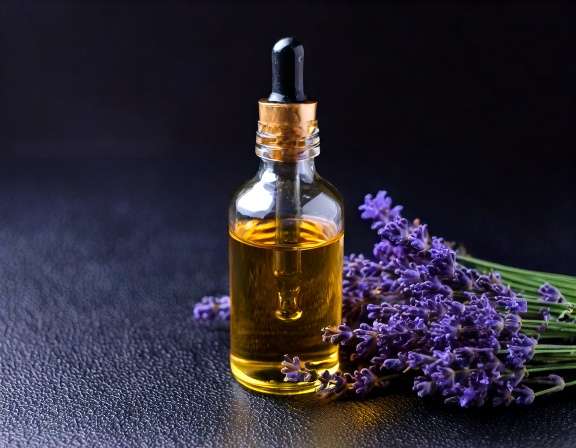
- 2 drops lavender essential oil
- 2 drops sweet orange essential oil
Fill the diffuser with the recommended amount of water, then add the oils. Run it for 20 to 30 minutes in a well-ventilated room. The lavender softens the sweetness, while orange gives the blend a brighter opening.
Diluted vanilla perfume roller
Ingredients
- 1 drop vanilla absolute
- 1 drop sandalwood essential oil
- 10 mL jojoba oil
- One clean 10 mL glass roller bottle
Add the vanilla absolute and sandalwood to the roller bottle, then fill the rest with jojoba oil. Cap the bottle and roll it gently between your hands. Patch test before wearing it on pulse points, and keep the bottle away from heat and direct sunlight.
Vanilla-infused body oil
Ingredients
- 1 tablespoon vanilla-infused carrier oil
- 1 tablespoon jojoba or sweet almond oil
- One clean, dark glass bottle
Combine the oils in the bottle and shake lightly. Apply a small amount to damp skin after a shower, focusing on arms and legs. Because this recipe uses infused oil rather than a concentrated extract, it offers a simple way to enjoy vanilla’s scent without adding extra aromatic drops.
Do not replace any of these products with food vanilla extract. Baking extract can contain alcohol, sugar, or other ingredients that do not belong in a diffuser or leave-on body blend.
Vanilla Oil Safety, Dilution, and Smart Buying Tips
Aromatic vanilla products can be enjoyable and easy to use when you match the method to the product. Concentrated vanilla absolute and oleoresin need extra care because their rich scent comes from a highly concentrated material.
Vanilla absolute safety data sheets identify possible skin sensitization and eye irritation. Some also classify the material as flammable. Keep bottles capped, store them away from heat or flame, and stop using a blend if you notice redness, itching, swelling, burning, or discomfort.
Use a cautious topical routine
There is no single universal dilution rule for every vanilla product. Follow the manufacturer’s directions first, then begin with a low amount in a carrier oil. A patch test on a small area of skin can help you check comfort before wider use.
Avoid the eyes, lips, mucous membranes, broken skin, and freshly shaved areas. Wash your hands after handling concentrated extracts, especially before touching your face.
A thicker vanilla extract is not weaker because it moves slowly. Its aroma can still be highly concentrated.
Diffuse thoughtfully around others
Use diffusers in a ventilated room and take breaks rather than running them continuously. Extra care helps when infants, young children, pregnant or breastfeeding people, or pets are nearby because vanilla-specific use guidance is limited.
Keep concentrated vanilla absolute and similar extracts out of food and drinks. Do not swallow them. If an accidental ingestion happens in the United States, contact Poison Control at 1-800-222-1222 for free, confidential guidance available 24 hours a day. For a pet exposure, contact a veterinarian or ASPCA Animal Poison Control.
When shopping, choose a trusted seller and check for:
- A complete ingredient label that identifies the actual vanilla product.
- Clear intended-use information for skin, diffusion, or fragrance applications.
- Batch, storage, and safety details that match the product’s concentration.
- Realistic scent descriptions instead of unsupported therapeutic promises.
Frequently Asked Questions
Does vanilla oil work in an ultrasonic diffuser?
It can, if the supplier labels that product for diffusion. Vanilla absolute and oleoresin may be thicker than common essential oils, so use a small amount and follow both the product and diffuser instructions.
Why does vanilla smell better after it sits in a blend?
Vanilla is a base note, which means it tends to linger after brighter top notes fade. A perfume or oil blend may smell more balanced after resting for a day or two in a tightly capped bottle.
Can I blend vanilla with floral essential oils?
Yes. Lavender, ylang ylang, rose, neroli, and jasmine-style fragrance notes often pair well with vanilla. Begin with one drop of vanilla because it can quickly become the dominant aroma.
What should I do if my vanilla blend becomes cloudy or thick?
A thicker texture is common with absolutes and oleoresins. Warm the closed bottle between your hands and roll it gently, but do not heat it directly or place it near a flame.
Is vanilla-infused oil suitable for massage?
Vanilla-infused oil can work well for a light massage blend, especially when mixed with a smooth carrier such as jojoba or sweet almond oil. Patch test first and avoid using it on irritated or broken skin.
A Warm, Mindful Place for Vanilla
Vanilla aromatic products shine through their rich scent, comforting atmosphere, and easy role in properly diluted blends. The safest starting point is to identify the exact product, read the label closely, and choose a use that fits its ingredients.
A diffuser session, a subtle roller, or a simple body oil can bring vanilla into a personal wellness routine without making claims the research cannot support. With thoughtful handling, vanilla essential oil can add a familiar, welcoming note to everyday rituals.
Stay Connected for More Natural Living Inspiration
If you enjoyed this post about herbal wellness and love discovering natural ways to refresh your home and wellness, don’t miss out on future recipes and clean-living tips! Subscribe to the blog for weekly DIYs, wellness inspiration, and herbal remedies delivered straight to your inbox.
Don’t forget to visit my Amazon storefront for the links to my favorite essential oils, herbal teas, and natural recipes. I also create YouTube ambiance videos for sleeping; a channel I created to help people who have trouble sleeping. The link to all social media content is here.
Thanks for coming by!

Leave a Reply