(DISCLAIMER: I am not a doctor, and you should consult your healthcare professional before starting any health regimen.)

Key takeaways about echinacea
- Echinacea is most often used for immune support, especially during cold season.
- It is not a proven sleep aid, and the evidence for better sleep is weak.
- Some people feel calmer after taking it, but calm feelings are not the same as better sleep.
- Safety matters, especially if you have plant allergies, take medicine, or are pregnant or breastfeeding.
Echinacea shows up in wellness routines every cold season. You’ll see it in teas, capsules, gummies, and throat lozenges, and many people reach for it when they want a little extra comfort.
It’s best known as an herb people use for immune support, but plenty of readers also wonder whether it helps with relaxation or sleep. The answer is more modest than the hype around it. Here’s what echinacea is, what the research says, how people use it, and what to know before you try it at night.
What echinacea is and why people use it
Echinacea is a flowering herb with a long place in herbal traditions. Most people know it for its use during seasonal sniffles, sore throats, and general cold-season discomfort.
You may see a few different species on labels, most often Echinacea purpurea, Echinacea angustifolia, and Echinacea pallida. The details can get technical fast, but the simple idea is this, people use the plant in different forms, and each product can feel a little different in a daily routine.
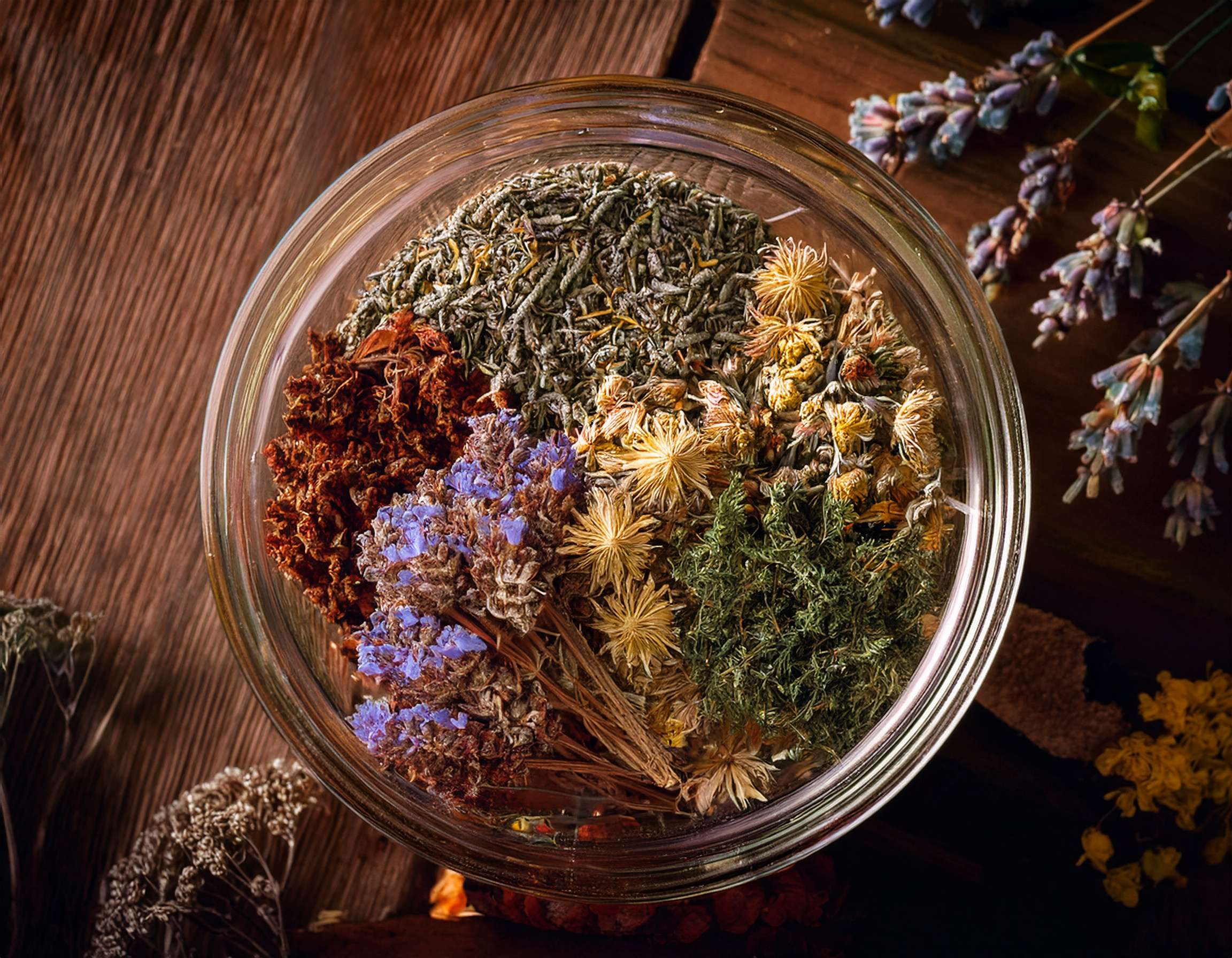
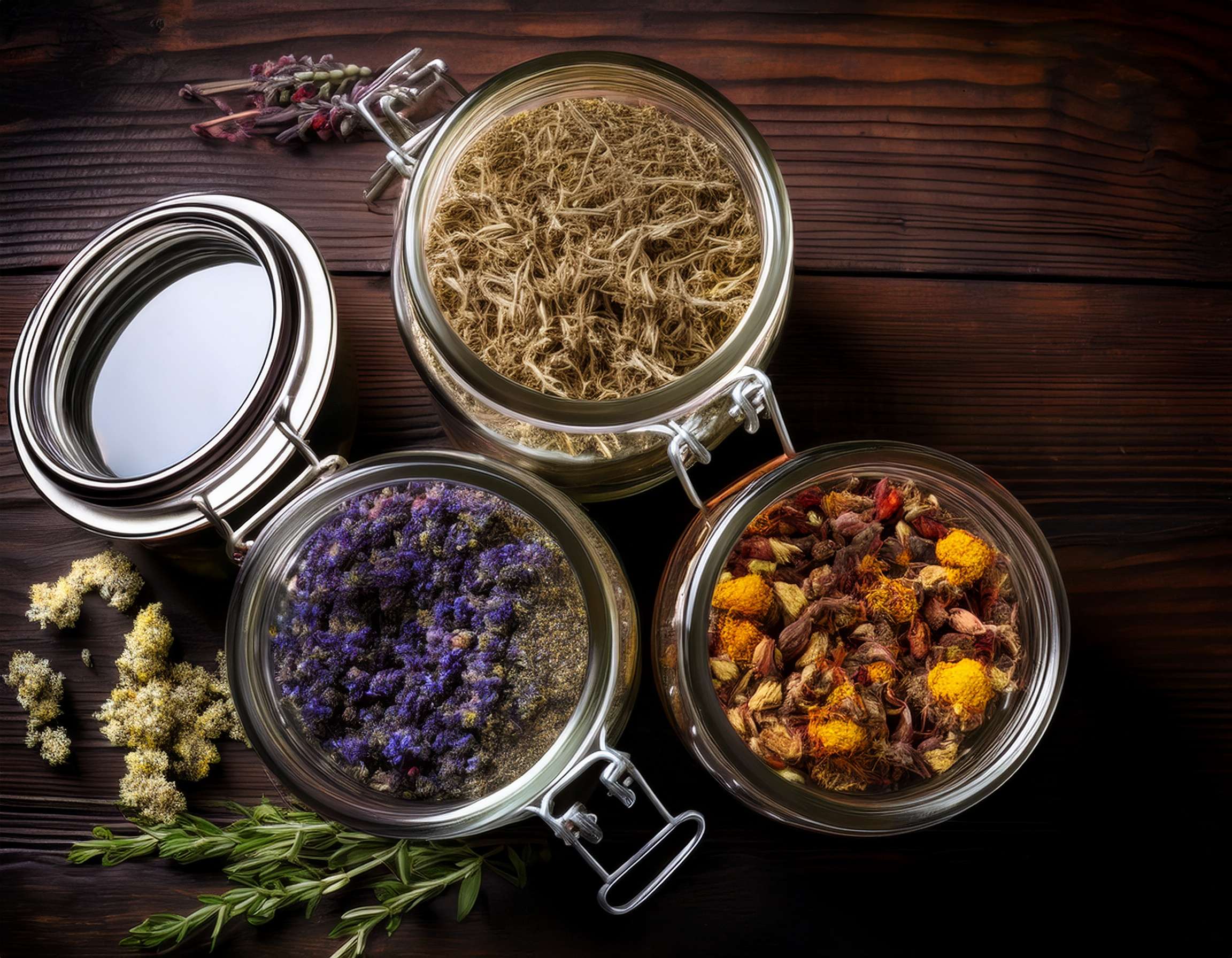
Some products use the root, while others use the leaves, flowers, or both. That matters because the taste, strength, and feel can change from one product to another. A tea made from the herb is usually mild and earthy. A tincture tastes stronger. Capsules skip the flavor altogether.
Many people keep echinacea in their cabinet because it feels familiar and easy to use. It also has a long history in natural wellness, which gives it a steady reputation when cold weather rolls in. That reputation has helped it stay popular, even as people ask more questions about what it can and cannot do.
The most common ways people take echinacea
Tea is the most soothing option if you enjoy a warm cup. It fits easily into an evening ritual, although the flavor can be grassy or slightly bitter.
Tinctures are more concentrated and work well for people who want a fast, no-fuss option. Capsules are the easiest choice for anyone who does not want to taste the herb at all.
Lozenges and gummies feel convenient during cold season, especially when you want something portable. They are simple to use, but it still helps to read the label and check what else is mixed in.
Why echinacea shows up in so many wellness routines
Part of its popularity comes from habit. People often return to herbs they already know, especially when they want something gentle and familiar.
Echinacea also has a seasonal role. When the weather shifts and colds move around, many people like having a plant-based option on hand. That does not make it magic, but it does explain why it stays in the conversation year after year.
What the research says about echinacea and sleep
The short answer is clear, echinacea is not a proven sleep herb. Current evidence does not show that it reliably helps people fall asleep faster, stay asleep longer, or wake up more rested.
Most of the attention around echinacea is tied to cold and upper-respiratory symptoms, not bedtime use. Some people take it when they feel run down, and that can make them feel more settled overall. If a sore throat is less annoying or a stuffy nose feels easier to handle, sleep may come more smoothly. That is a comfort effect, not a direct sleep effect.
A few people also describe a mild sense of calm after using echinacea. That may come from the warm drink, the pause it creates, or the relief of feeling a little better. Still, the evidence for a true calming or anti-anxiety effect is thin.
A calmer evening does not always mean better sleep.
That distinction matters. Relaxation, comfort, and sleep are related, but they are not the same thing. You can feel calmer and still sleep poorly. You can also sleep well without feeling especially relaxed first.
Caffeine timing matters here too. Echinacea itself does not contain caffeine, but many people take it inside a broader evening routine. If that routine includes coffee, black tea, or another caffeinated drink, the caffeine may work against sleep more than the herb helps it. The timing of your whole routine matters more than the echinacea alone.
Could echinacea help you feel calmer at night?
It might, for some people, but that is a limited claim. A warm mug, a quiet room, and a slower pace can all help the body shift down a gear.
That said, a calm feeling is not the same as better sleep quality. If your main goal is to unwind, echinacea may fit into the ritual. If your main goal is deeper, more consistent sleep, it should not be your only plan.
Why echinacea is not the same as a sleep tea
Herbs used for bedtime usually have a different reputation. Chamomile and lemon balm, for example, are more often chosen for their soft, calming feel.
Echinacea is usually chosen for seasonal support instead. That means it belongs in a different category. It can be part of a soothing routine, but it is not the herb most people reach for when they want a true sleep tea.
How to use echinacea safely and wisely
The safest way to try echinacea is to keep it simple. Choose one form, follow the label directions, and pay attention to how your body responds.
Tea works well if you want a gentle start. Capsules and tinctures are easier if you want convenience. Lozenges can make sense when you want something small and practical during the day. No matter which form you choose, start with the recommended amount and give it a fair test before adding anything else.
People with allergies to plants in the daisy family should be careful. That group includes ragweed, daisies, chrysanthemums, and marigolds. If you know you react to those plants, check labels closely and stop if you notice symptoms.
Pregnant or breastfeeding people should ask a healthcare professional before using echinacea. The same goes for anyone taking medicine or managing a long-term condition. A quick conversation can prevent a lot of guesswork.
Possible side effects and who should be cautious
Common side effects are usually mild, but they can happen.
- Stomach upset or nausea
- Dizziness
- Skin rash or itchiness
- Allergy symptoms like sneezing, swelling, or hives
If symptoms appear after you take it, stop using the product and pay attention to whether they improve. Anyone with a strong allergy history should be extra cautious. The herb is common, but your body may still react to it.
Easy ways to fit echinacea into a bedtime routine
If you want to try echinacea at night, keep it earlier in the evening at first. That gives you time to notice how you feel without pushing right up against bedtime.
You can also pair it with a calm routine. A warm cup, dim lights, and a few quiet minutes can make the experience feel more restful. Still, keep caffeine out of the picture if sleep is the goal.
Think of echinacea as a small part of the evening, not the whole plan. If it helps you settle, that is fine. If it does nothing for sleep, that is normal too.
Conclusion
Echinacea has a clear place in seasonal wellness, but its reputation for sleep support is much smaller than its reputation for immune support. Some people feel calmer when they use it, yet echinacea is not a dependable sleep aid.
If you want to try it, treat it as one gentle part of a larger routine. Pay attention to the form you choose, the time you take it, and how your body reacts. A thoughtful approach matters more than a bigger dose or a stronger product.
If sleep is your main goal, keep your expectations steady and your routine simple. That is usually where the most comfort comes from.
Stay Connected for More Natural Living Inspiration
If you enjoyed this post about herbal wellness and love discovering natural ways to refresh your home and wellness, don’t miss out on future recipes and clean-living tips! Subscribe to the blog for weekly DIYs, wellness inspiration, and herbal remedies delivered straight to your inbox.
Don’t forget to visit my Amazon storefront for the links to my favorite essential oils, herbal teas, and natural recipes. I also create YouTube ambiance videos for sleeping; a channel I created to help people who have trouble sleeping. The link to all social media content is here.
Thanks for coming by!
Leave a Reply