(DISCLAIMER: I am not a doctor, and you should consult your healthcare professional before starting any health regimen. Product links are commissioned and supports the blog)

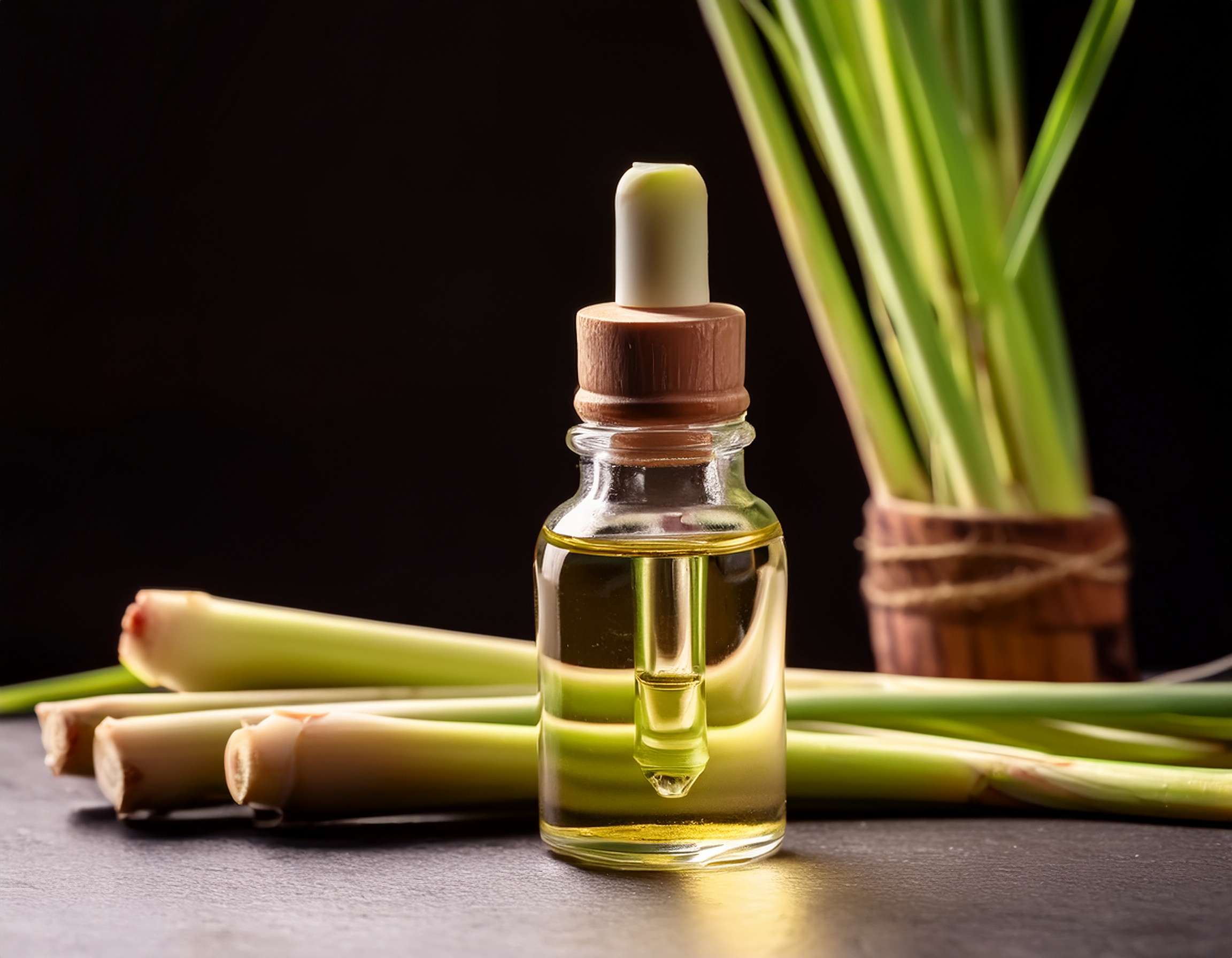
Lemongrass essential oil carries a bright citrus scent with a grassy edge, like crushed stalks warming in the sun. In aromatherapy, its lively aroma can become a sensory cue for slowing down, clearing mental clutter, and noticing your mood.
This concentrated oil differs from lemongrass herbal tea, which is a gentle water infusion of the plant. Use scent-based routines as wellness companions, while giving diagnosed mental health concerns the care they deserve.
Key Takeaways
- Lemongrass essential oil can support a refreshed atmosphere, mindful breathing, and focused daily pauses.
- Gentle inhalation helps you notice shifts in energy, comfort, and mood.
- Topical blends work best with a low dilution and a patch test on intact skin.
- Short diffusion sessions in a ventilated room keep the aroma pleasant and comfortable.
- Lemongrass tea offers a warm herbal ritual, while essential oil is a concentrated aromatic product.
- Personal routines feel best when they stay simple, comfortable, and easy to repeat.
Lemongrass Essential Oil Emotional and Mental Awareness: What It May Support
Emotional and mental awareness means recognizing what you feel, where your attention rests, and what your body needs in that moment. The crisp aroma of lemongrass may support a refreshed mood, a relaxed pause, or a clearer workspace.
A 2025 dental inhalation study registered as IRCT20230615058492N2 reported good short-term tolerability during its procedure. Aromatherapy experiences remain personal, so let comfort and observation guide your routine.
How the Bright Citrus Aroma Can Shape a Mindful Moment
Place one drop on a tissue or use a personal inhaler. Breathe gently for one minute, then notice your shoulders, breath, and current emotion.
Lemongrass has a sunny, grassy sharpness that can bring attention back to the present. A diffuser on a gentle setting offers the same cue when you want a wider room fragrance.
Lemongrass Oil for Calm, Focus, and a Refreshed Atmosphere
For relaxation, pair a soft aroma with slower breathing. For daytime focus, use a brief session before reading, writing, or planning.
Keep a few notes about how the scent feels each day. The benefits of diffusing lemongrass essential oil can also help you create a fresher, more inviting room.
Safe Ways to Use Lemongrass Essential Oil in Daily Wellness Routines
Inhalation and diffusion are simple options for scent-based awareness. For adult leave-on body blends, stay around the 0.7% maximum concentration, about 4 drops per fluid ounce of carrier oil.
Apply diluted oil to intact skin after a small patch test. Keep blends away from eyes, lips, inner ears, nostrils, sensitive areas, damaged skin, and bathwater.
A Gentle Diffuser Routine for Morning Clarity
Add 3 to 5 drops of lemongrass oil to 100 mL of diffuser water. Run it for 15 to 20 minutes with fresh airflow in the room.
While the aroma fills the space, take three slow breaths and write a few words about your energy, focus, and mood. A lighter amount often creates a more comfortable experience.
A Diluted Personal Blend for Massage and Evening Reflection
Blend 4 drops of lemongrass essential oil into 1 fluid ounce of jojoba or sweet almond oil. After patch testing, massage a small amount onto the arms, shoulders, or feet.
Pause afterward and record one feeling you want to carry into the evening. This low-scent ritual works well when the day has felt crowded.
Who Benefits From Extra Care With Aromatic Use
Pregnant or breastfeeding people, children, people with sensitive skin or respiratory sensitivity, medication users, and pet households benefit from individual guidance from a qualified professional.
Pause the routine if stinging, redness, rash, eye discomfort, throat irritation, or breathing discomfort appears. Pets appreciate ventilation and an easy path to another room.
Three Simple Lemongrass Wellness Recipes for Mood and Awareness
These recipes support aromatic and herbal rituals for adults. Essential oil blends belong in a diffuser, inhaler, or correctly diluted body product, while tea uses the herb itself.
Lemongrass Morning Diffuser Blend
- 2 drops lemongrass essential oil
- 2 drops sweet orange essential oil
- 1 drop peppermint essential oil
- 100 mL diffuser water
Add the oils to water in a clean diffuser. Run for 15 minutes in a ventilated room, then choose a morning intention such as “steady attention” or “a fresh start.”
Lemongrass and Lavender Personal Inhaler
- 5 drops lemongrass essential oil
- 5 drops lavender essential oil
- 1 blank personal inhaler wick
Add the oils directly to the wick, place it in the inhaler, and allow the aroma to settle for a few minutes. Take one or two gentle sniffs during a mindful check-in, and keep the inhaler personal and away from your eyes.
Warm Lemongrass Herbal Tea and Awareness Ritual
- 1 tablespoon dried lemongrass or 1 bruised fresh lemongrass stalk
- 1 cup hot water
- Honey or fresh ginger, optional
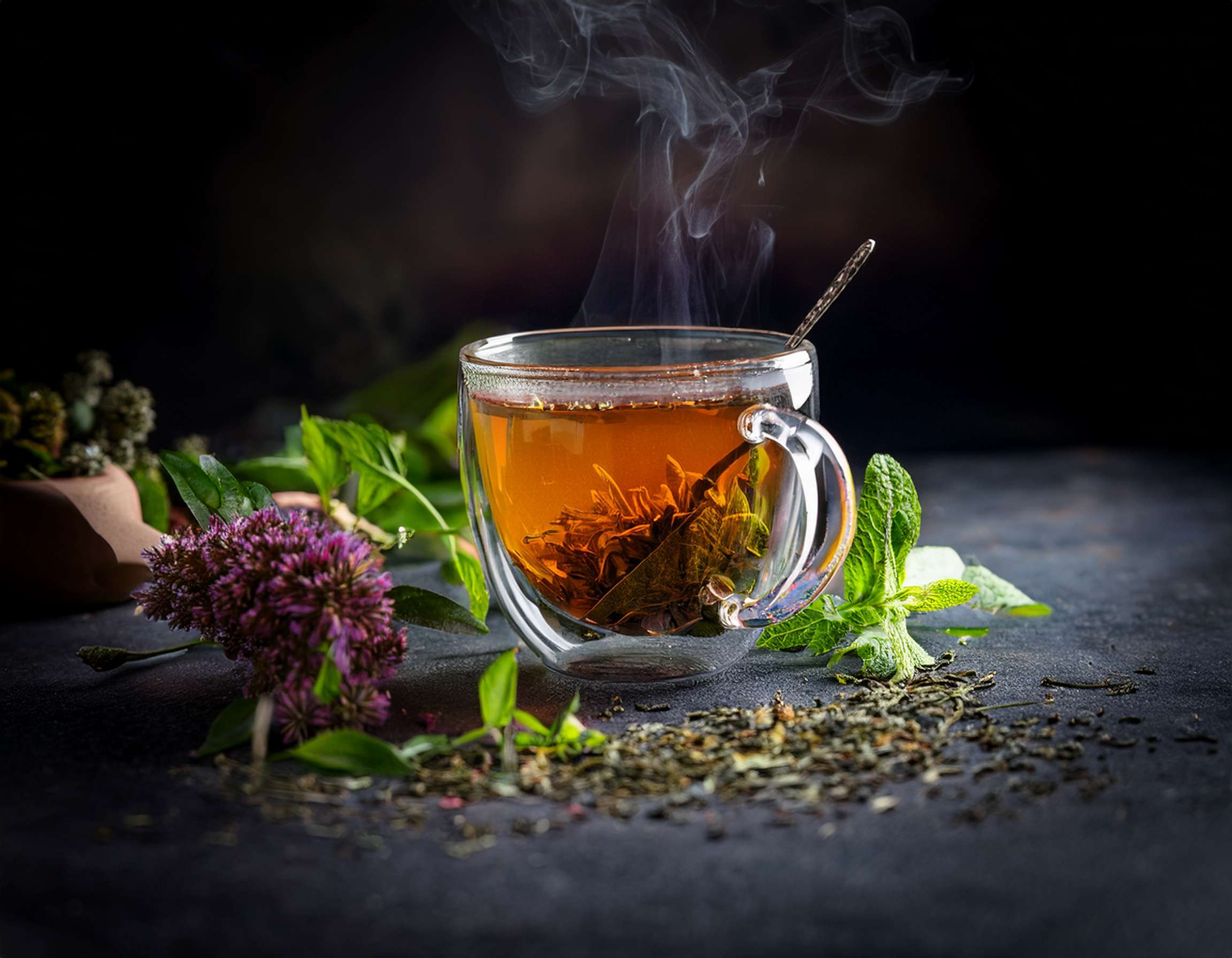
Steep the herb in hot water for 5 to 10 minutes, then strain and sip slowly. Notice the warmth and lemony aroma as you drink. This tea is a water infusion of the herb, so keep essential oil out of the cup.
Lemongrass Essential Oil and Herbal Tea Have Different Uses
Essential oil is highly concentrated and suits aromatic use or carefully diluted topical blends. Herbal tea uses plant material in water and offers a mild, comforting beverage ritual.
Food or flavoring status does not make an essential oil suitable for casual internal use. People who are pregnant, breastfeeding, managing a health condition, or taking medication can seek personalized tea guidance from a qualified professional.
Choosing the Right Option for Your Goal
Choose diffusion or a personal inhaler when you want scent-based mood support. A diluted blend suits a body-care ritual, while tea brings warmth and flavor to a slower pause.
How to Build a Personal Awareness Practice
Pause with your chosen aroma or tea. Notice the scent, breath, and body sensations, then write a few words about mood and focus.
Repeat the same gentle practice for several days. Patterns become easier to spot when your routine stays familiar.
Frequently Asked Questions
What does lemongrass essential oil smell like?
It smells bright, lemony, grassy, and slightly earthy. Its sharper citrus character often feels energizing in a morning or workspace routine.
How long should I diffuse lemongrass oil?
A 15 to 20-minute session is a comfortable starting point. Fresh airflow keeps the room pleasant and lets you enjoy the scent with ease.
Can I blend lemongrass with lavender?
Yes, lavender adds a soft floral note that rounds out lemongrass’s crisp edge. This pairing works especially well in a personal inhaler or low-dilution body blend.
Is lemongrass tea the same as lemongrass oil?
They come from the same plant family but have different forms and uses. Tea is an herb steeped in water, while essential oil is a concentrated aromatic extract.
How can I tell whether the aroma suits me?
Notice your breathing, comfort, focus, and mood during a short session. Your own observations can guide the amount, timing, and frequency that feel best.
A Bright Cue for Everyday Awareness
Lemongrass essential oil can add a fresh sensory cue to mindful breathing, focused work, relaxation, or a warm tea ritual. Gentle dilution, brief diffusion, ventilation, and attention to personal comfort keep the experience supportive.
Choose one small routine today, then notice how its citrus-bright pause supports your day.
Stay Connected for More Natural Living Inspiration
For more wellness tips, subscribe to the blog for weekly posts about essential oils, teas, and herbs. Want an ad free experience with DIY essential oil, herbal recipes and tips? Head here for a distraction free experience.
Thanks for stopping by!

You must be logged in to post a comment.