
(DISCLAIMER: I am not a doctor, and you should consult your healthcare professional before starting any health regimen. Product links are commissioned and supports the blog)

Key Takeaways:
- Essential oils can be a gentle tool for stressful days, as long as you keep it simple and safe.
- Start with beginner-friendly oils: Lavender, bergamot, and Roman chamomile are popular for a reason, they’re easy to like and easy to use.
- Choose a method you’ll actually do: Diffusers, personal inhalers, and diluted topical use tend to be the most practical.
- Patch test every new oil: Skin irritation can happen even with “gentle” oils, especially if you’re sensitive.
- Watch citrus in the sun: Expressed citrus oils (like bergamot and sweet orange) can cause photosensitivitywhen used on skin.
- Buy better oils, not more oils: Look for the Latin name, purity info, and dark glass bottles that protect the oil.
- Use one oil at a time at first: Give it a week so you can tell what’s helping (and what isn’t).
- Check with a clinician when needed: If you’re pregnant, on medication, have asthma, or get panic attacks, ask before using essential oils.
Anxiety can feel like your mind won’t stop talking. Your chest feels tight, your shoulders creep up to your ears, and even simple tasks can start to feel heavy. Some days it’s a low buzz in the background. Other days it’s loud and distracting.
Using an essential oil for anxiety won’t “fix” anxiety on its own, and it’s not a replacement for medical care. But scent can be a real support for relaxation, especially when you use it with simple calming habits.
This guide walks you through the best starter oils, the safest ways to use them (diffuser, inhaler, or diluted on skin), a few easy blend ideas, and the signs that it’s time to get extra help.
How essential oils may support anxiety (and what they cannot do)
Smell is not just “nice,” it’s wired into how your brain reads safety and threat. When you breathe in an essential oil, scent signals travel through your nose to areas of the brain tied to memory and emotion. That’s one reason a smell can bring back a moment instantly, like sunscreen reminding you of summer or coffee reminding you of early mornings.
For stress, this matters because your body reacts fast. If your nervous system is on high alert, a calming scent can act like a soft cue that says, “You’re okay right now.” People often notice changes like slower breathing, less jaw clenching, or a feeling of settling.
Still, it helps to keep expectations realistic:
- Essential oils may support relaxation, a calmer mood, or easier bedtime routines.
- They can’t diagnose, treat, or cure an anxiety disorder.
- If anxiety is rooted in trauma, hormone shifts, or ongoing life stress, oils might feel helpful, but they won’t be the whole answer.
Research on essential oils and anxiety is mixed. Some studies suggest certain oils (often lavender and citrus) may reduce short-term stress in specific settings. Other studies show smaller effects or results that depend on the person. That lines up with real life, one oil might feel comforting to you and annoying to someone else.
Timeline matters too. Inhalation (diffuser or inhaler) can feel noticeable within minutes. A routine, like using the same scent at bedtime, often works best over days to weeks because your brain starts to link that scent with “wind down time.”
When essential oils are a good fit vs when you need more support
Essential oils tend to fit best when anxiety is mild or situational. Think of them like background music, they don’t solve the problem, but they can change the tone in your body.
They can be a good fit for:
- Mild stress during a busy week
- Racing thoughts at bedtime
- A tight chest before a meeting
- Irritability that shows up as muscle tension
Get extra support if you notice red flags like:
- Frequent panic attacks, or fear of having one
- Thoughts of self-harm (even fleeting)
- Anxiety that blocks work, school, or relationships
- Severe insomnia that won’t improve
- Needing alcohol or substances to “calm down”
If any of those hit close to home, reaching out to a doctor or therapist is a strong next step. You deserve more than coping tools, you deserve real support.
The best essential oils for anxiety, and how to choose the right one for you
There isn’t one best essential oil for anxiety for everyone. Scent preference matters, and so does timing. Some oils feel cozy and sleepy. Others feel bright and steady, better for daytime.
A helpful approach is to pick one oil, use it the same way for a week, and take quick notes. Did it help your shoulders drop? Did it make you feel nauseous? Did it help you fall asleep faster? Small patterns are easier to spot when you don’t switch oils every day.
Below are seven main picks, plus two optional choices if you want a different scent style. If you’re building a small collection, start with two oils that fit your life: one for daytime, one for night.
If you already keep versatile oils on hand, you might like this guide on lavender oil for soothing skin and stress relief, since calming oils often pull double duty in a basic home kit.
Lavender, bergamot, and frankincense: the most popular calming trio
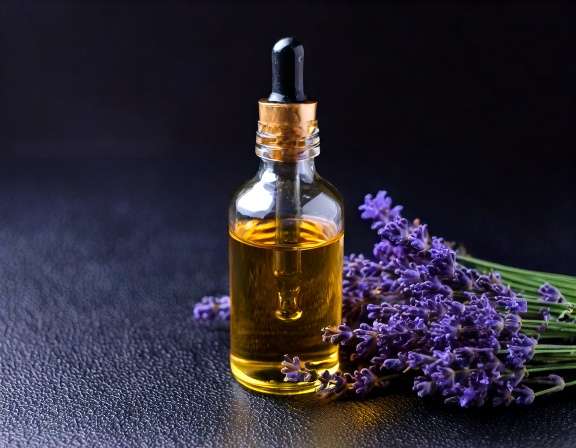
Lavender (Lavandula angustifolia) smells herbal-floral, clean, and familiar. It’s often chosen for bedtime, overstimulation, and “I can’t shut my brain off” evenings. If you don’t love floral scents, try a smaller dose, or blend it with cedarwood.
Bergamot (Citrus bergamia) smells bright, slightly sweet, and citrusy with a soft edge. Many people like it for daytime stress because it feels uplifting without being sharp. Safety note: expressed bergamot can cause photosensitivity on skin, so it’s best diffused, used in an inhaler, or used topically only if it’s bergapten-free (often labeled FCF).
Frankincense (Boswellia carterii or Boswellia sacra) has a resinous, warm, slightly peppery scent. It’s a good choice when you want calm without “sleepy,” like before a presentation or during a tense afternoon. It also blends well with almost everything.
Quick use ideas that don’t feel complicated:
- Diffuse for 10 minutes while you answer emails.
- Take 2 to 3 deep breaths from a personal inhaler.
- Use a diluted roll-on on pulse points (wrists or sides of neck).
If you want oils that calm you but still help you stay sharp, this post on essential oils that boost focus and mental clarity pairs well with a daytime routine.
Roman chamomile, ylang ylang, and clary sage: for winding down and letting go of tension
Roman chamomile (Chamaemelum nobile) smells soft, sweet, and apple-like. It’s a classic for bedtime anxiety, irritability, and that “frayed nerves” feeling after a long day. It’s also a nice option if lavender feels too perfumey to you.
Ylang ylang (Cananga odorata) is rich, tropical, and very floral. Some people love it for emotional comfort and body tension, especially if stress shows up as a tight stomach or clenched shoulders. Go easy, too much can feel overwhelming and may trigger headaches in sensitive people.
Clary sage (Salvia sclarea) is herbal, slightly sweet, and a little musky. People often choose it when stress feels hormonal or when they’re stuck in a tense, on-edge mood. It’s not the best choice during pregnancy, and it can be a “check first” oil if you have hormone-related concerns, so it’s smart to ask a clinician if that applies to you.
These oils shine at night. They also work well in a warm bath, as long as they’re properly diluted in a carrier (never added straight to water).
If you want something fresh, not floral: sweet orange, cedarwood, or vetiver
Not everyone wants to smell like a bouquet when they’re anxious. If floral notes make you feel worse, try these.
Sweet orange (Citrus sinensis) is bright, juicy, and friendly. It’s often used for mood support and “reset” moments, like after work. Like other expressed citrus oils, it can be photosensitizing on skin, so keep topical use off sun-exposed areas, or stick to diffusion.
Cedarwood (Juniperus virginiana or Cedrus atlantica) smells dry, woody, and steady. It’s a great choice for sensitive noses because it’s not as loud as peppermint or heavy florals. Many people like it at bedtime, especially when anxious thoughts feel repetitive.
Vetiver (Chrysopogon zizanioides) is earthy, deep, and strong. The oil is thick, and a little goes a long way. Start with 1 drop and blend it with citrus or lavender to soften the scent. Vetiver can feel grounding for some people, but it’s intense, so it’s better as a small accent oil than the main event.
Safe ways to use essential oils for anxiety at home (diffuse, inhale, or dilute)
For anxiety support, you’ll usually get the best results from inhalation, either in a diffuser or a personal inhaler. Topical use can be helpful too, but it’s the method where safety matters most.
Three practical options:
- Diffuse to set the tone of a room. This works well for morning routines, work-from-home stress, or bedtime wind-down.
- Personal inhaler for quick support, especially in the car, at work, or before an appointment. It’s also helpful if you live with people who don’t want a diffuser running.
- Diluted topical use when you want the scent to stay close to you, like on wrists or the back of your neck.
General dilution guidance for healthy adults: aim for 1 to 2 percent in a body oil. That’s about 1 to 2 drops of essential oil per teaspoon (5 mL) of carrier oil. If you’re new, start lower.
Common safety basics that prevent most problems: don’t ingest essential oils unless guided by a qualified professional, keep oils away from eyes and mucous membranes, and be cautious around pets (cats and birds are often more sensitive to airborne scents).
Simple routines help oils feel like part of life instead of another task:
- Morning reset: a short diffuser session while you make breakfast.
- Midday break: 2 minutes with an inhaler and slower breathing.
- Bedtime: a diluted oil on wrists plus a consistent lights-out routine.
Diffusers and personal inhalers: the easiest place to start
For a small room, add 3 to 6 drops of essential oil to your diffuser (follow your diffuser’s water line). Run it for 15 to 30 minutes, then take a break. Constant diffusion can become irritating and it stops feeling “special” to your nervous system.
Personal inhalers are simple too. Add a cotton wick to the inhaler tube, drip on 10 to 15 drops total (single oil or a blend), then cap it. To use it, hold it close, inhale gently, and take 2 to 3 slow breaths. You don’t need big dramatic inhales. Keep it subtle and comfortable.
If you have asthma or react to strong scents, start with shorter sessions and lighter oils (like lavender or cedarwood). Stop if you feel tightness, coughing, or a headache.
Topical use: how to dilute, where to apply, and what to avoid
Topical use only works well when it’s diluted. Choose a carrier oil you like the feel of, such as jojoba, fractionated coconut, or sweet almond oil.
Good places to apply a diluted blend:
- Wrists
- Chest (a small amount)
- Back of neck
- Bottoms of feet (milder scent effect, but still comforting)
Avoid applying oils on broken skin, near your eyes, or on mucous membranes. And keep citrus oils in mind again: bergamot and sweet orange can cause sun sensitivity when used on skin, especially on arms, chest, and neck.
A quick patch test checklist (worth the 24 hours):
- Apply a tiny amount of your diluted blend to inner forearm.
- Cover it, or leave it alone if covering irritates you.
- Check for redness, itching, burning, or swelling over 24 hours.
- If you react, wash with soap and water and don’t use that blend again.
Conclusion
Essential oils can’t erase anxiety, but they can help your body find a calmer gear. The safest, most helpful approach is simple: pick 1 to 2 oils, start with diffusion or a personal inhaler, and only use oils on skin when they’re properly diluted. Track how you feel for a week, and keep what works.
Pair scent with habits that calm the nervous system, like slow breathing, light stretching, a protein-forward breakfast, or a steady sleep routine. Those basics make the biggest difference over time.
If anxiety starts to feel bigger than self-care, or you’re dealing with panic attacks or severe insomnia, reach out for medical support. You deserve real help, not just coping tricks.
Stay Connected for More Natural Living Inspiration
If you enjoyed this post about herbal wellness and love discovering natural ways to refresh your home and wellness, don’t miss out on future recipes and clean-living tips! Subscribe to the blog for weekly DIYs, wellness inspiration, and herbal remedies delivered straight to your inbox.
Don’t forget to visit my Amazon storefront for the links to my favorite essential oils, herbal teas, and natural recipes. I also create YouTube ambiance videos for sleeping; a channel I created to help people who have trouble sleeping. The link to all social media content is here.
Thanks for coming by!

Leave a Reply