(DISCLAIMER: I am not a doctor, and you should consult your healthcare professional before starting any health regimen.)

Key Takeaways:
- Scalp balancing: Lemongrass can help hair feel cleaner and less greasy when used correctly.
- Fresh feel: Many people like it for post-workout scalp freshness and stubborn product buildup.
- Dandruff support: Early research is promising, but it’s not a cure and results vary.
- How to dilute: Start low (about 0.5% to 1%) and keep it mostly in wash-off products.
- Who should avoid: Skip if you have a history of reactions to fragrance, very sensitive skin, or a damaged scalp, also ask a clinician if you’re pregnant, breastfeeding, or using it on kids.
Oily roots by day two, itchy spots that flare after workouts, that “my scalp needs a reset” feeling, it’s common. Lemongrass essential oil shows up in a lot of hair routines for a reason: it smells clean, feels clarifying, and can be a nice add-on when your scalp gets heavy with sweat, oil, or styling products.
Quick safety note up front: lemongrass essential oil is strong. Don’t apply it neat (undiluted) to your scalp. Dilute it, patch test it, and start with short contact time. If you’ve got ongoing scalp issues, essential oils are a support tool, not a diagnosis or a treatment plan.
Why lemongrass is popular for scalp care
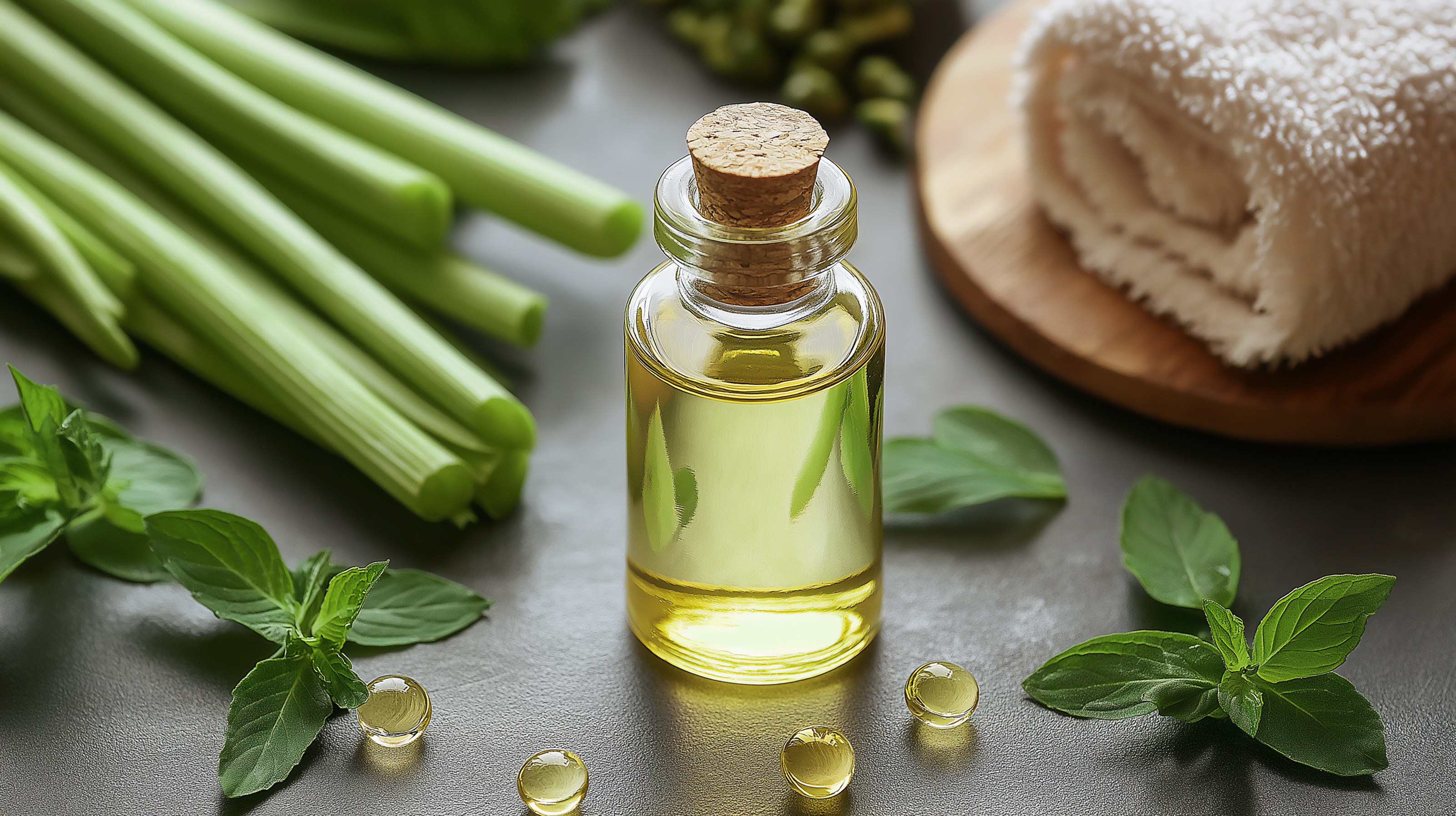
Lemongrass essential oil is steam-distilled from lemongrass (usually Cymbopogon citratus or Cymbopogon flexuosus). It’s known for a bright, citrus-herb scent that instantly reads “fresh.” In body care, it’s often used in soaps, shampoos, and deodorizing blends because it has a naturally cleansing feel.
Two of its best-known components are citral and geraniol. You don’t need to memorize those names, but here’s what they mean in plain terms:
- Citral is a major part of lemongrass’ sharp lemon scent. It’s also one reason lemongrass can be irritating if used too strong.
- Geraniol contributes a softer floral note and shows up in lots of aromatic plants used in personal care.
People also use lemongrass because of its reputation for supporting a cleaner scalp environment. There’s early research interest around lemongrass and dandruff, often tied to how it may interact with microbes linked to flaking. The key phrase is “early.” Studies and formulas vary, and your scalp is its own ecosystem, so results can be different from person to person.
If you already enjoy using essential oils in hair routines, you might also like this guide to a DIY essential oil blend for hair growth (it covers general scalp-friendly oils and safer blending ideas).
Scalp benefits people notice most
Most real-world lemongrass “wins” are about comfort and appearance, not miracles.
A cleaner feel that lasts longer: If your roots get oily fast, lemongrass in a shampoo (properly diluted) can make your hair feel fresher between washes.
Less visible oil at the roots: Many people find their scalp looks less shiny, especially when they focus shampoo on the scalp and rinse well.
A fresher post-workout scalp: Sweat itself doesn’t smell much, but bacteria + sweat + trapped oils can. Lemongrass can help the routine feel more deodorizing, especially in wash-off products.
Buildup support when used gently: If you use dry shampoo, hairspray, gels, or heavy butters, lemongrass can pair well with a good cleanse. It won’t “melt” buildup on its own, but it can make your wash routine feel more effective.
Results depend on your hair type, wash schedule, water hardness, and how many styling products you use. If you wash once a week, expect a different outcome than someone who washes every other day.
What it won’t fix on its own
Lemongrass essential oil can support a routine, but it won’t do everything.
- It won’t regrow hair by itself.
- It won’t treat psoriasis or severe dermatitis.
- It won’t replace a prescription for fungal infections or inflammatory scalp conditions.
See a dermatologist if you have:
- Scalp pain, oozing, or bleeding
- Thick scale that keeps coming back
- Bald patches or sudden shedding
- Symptoms that last longer than 2 to 4 weeks
- Worsening redness or burning after new products
How to use lemongrass essential oil on your hair without irritating your scalp
If there’s one rule that matters most, it’s this: never apply undiluted lemongrass essential oil to your scalp. Citral-rich oils can irritate quickly, and a “stronger is better” approach often backfires with more itching and flakes.
Start low, keep contact time short, and treat it like seasoning, not salad dressing.
A few practical guardrails:
- Use wash-off products first (like shampoo or a pre-wash oil).
- Try it 1 to 2 times per week at the start.
- Avoid the eyes, wash hands after applying, and keep it off broken skin.
- If you’re unsure about carriers, bookmark this guide on how to dilute essential oils for scalp care. It makes the “how much do I use?” part much less confusing.
Easy dilution guide for beginners
For the scalp, starting around 0.5% to 1% is a good conservative range.
Here are simple examples you can actually use at home:
- In a carrier oil (scalp massage oil):
1 tablespoon (15 mL) carrier oil + 1 drop lemongrass essential oil (very gentle starter) - In shampoo (small batch):
1 ounce (30 mL) shampoo + 3 to 6 drops lemongrass essential oil
Start with 3 drops if your scalp is sensitive.
A few quick tips:
- Mix well, especially if you pre-mix in a small bottle.
- Don’t add essential oils to your whole big shampoo bottle unless you know the formula can handle it and you’ll use it quickly.
- If the scent feels “too much” in the shower, it’s a sign to lower the drops.
Best ways to apply it (pick one that fits your routine)
You don’t need five methods. Pick one and stick with it long enough to judge results.
Option 1: Add to shampoo (simple, low mess)
Put your shampoo in your palm, add 1 drop of lemongrass, lather, then apply to scalp. This avoids over-scenting an entire bottle and keeps the dose controlled.
Option 2: Pre-wash scalp massage (good for oily roots and buildup)
Dilute in a light carrier oil like jojoba or grapeseed, massage into the scalp for 1 to 2 minutes, then wait 10 minutes. Shampoo thoroughly. Think of it like loosening up the “grime layer” before your cleanse.
Option 3: Add to conditioner, but keep it off the scalp if you’re sensitive
Conditioner is usually best for mid-lengths and ends anyway. If you’re prone to irritation, don’t put essential oils directly on your scalp in a leave-on product.
Option 4: Skip scalp sprays unless you know what you’re doing
Water and essential oils separate. A proper spray needs a solubilizer and careful measuring. If you still want a spray, keep it mild, shake well every time, and avoid daily use on sensitive skin.
Frequency: 1 to 2 times per week for the first couple weeks. If your scalp stays calm, you can adjust from there.
Patch testing and common signs you used too much
Patch testing sounds extra until you’ve had a burning scalp and regret.
How to patch test:
- Apply a tiny amount of your diluted blend behind your ear or on your inner arm.
- Wait 24 hours.
- If you get redness, itching, swelling, or a rash, don’t use it on your scalp.
Common signs you overdid it:
- Burning or hot sensation that doesn’t fade quickly
- Redness or tenderness
- Flaking that gets worse (not better)
- Headache or nausea from the scent
Simple fix plan:
- Stop using it right away.
- Wash with a gentle, fragrance-free shampoo.
- Wait until your scalp fully calms down.
- If you try again, drop to a lower dilution and less frequent use.
Targeted benefits: dandruff, oily roots, and scalp odor
Most people try lemongrass because they want one of three things: fewer flakes, less oil, or a fresher scalp.
The best way to get those benefits is to pair lemongrass with basic scalp hygiene. Essential oils can support, but technique matters more than people think: where you shampoo, how well you rinse, and whether your brushes and pillowcases are clean.
Using lemongrass for dandruff and flaky scalp support
Not all flakes are the same.
- Dry scalp flakes tend to be smaller and may come with tightness or dryness.
- Dandruff often shows up as oily flakes and scalp irritation, and it can be tied to yeast that naturally lives on the skin.
Lemongrass has shown promise in small dandruff-focused studies when used in hair products, but home use should stay gentle. A scalp that’s already irritated doesn’t need an aggressive blend.
A simple routine to try:
- Do a pre-wash oil at 0.5% to 1% dilution.
- Leave it on for 10 minutes only.
- Shampoo well, focusing on scalp, not ends.
- Don’t scratch. Scratching feels good for five seconds, then your scalp gets angry.
If you’re dealing with thick scale, intense itching, or recurring flakes that don’t improve, it’s time to get a medical opinion. Sometimes you need an anti-fungal shampoo or a different diagnosis.
Helping oily hair look fresher between washes
Oily roots can feel like a clock starts ticking the moment your hair dries. Lemongrass can help your wash feel more clarifying, but it works best with smart habits.
Try these adjustments alongside a mild lemongrass shampoo blend:
- Shampoo the scalp twice if you use styling products or dry shampoo often.
- Keep conditioner on your ends, not your roots.
- Rinse longer than you think you need, leftover product can make hair look oily fast.
- Clean brushes weekly, especially paddle brushes and round brushes.
- Go easy on heavy pomades, waxes, and butters near the scalp.
One more thing: if you strip your scalp too hard, some people get rebound oil. If your roots get oily faster after you “deep clean,” scale back. Use lemongrass less often and choose a gentler shampoo base.
Freshening scalp odor after workouts
Sweat isn’t the main problem. The smell comes from bacteria breaking down sweat and oils on your skin. Add a hat or a tight ponytail, and you’ve got the perfect trapped environment.
Lemongrass can be a nice fit here because it has a naturally fresh scent and pairs well with a wash-off routine.
A simple post-workout plan:
- If you can’t fully wash, do a quick rinse and focus water on your scalp.
- Use a scalp-focused shampoo (with your diluted lemongrass) and rinse thoroughly.
- Dry your scalp well. Damp roots can smell musty.
- Swap pillowcases often if you work out a lot, oil and sweat build up there too.
If odor keeps coming back even with good hygiene, check for scalp irritation or product buildup. Sometimes the fix is as boring as clarifying once in a while and cleaning your brush.
Choosing a good oil and storing it so it stays effective
Lemongrass essential oil isn’t all the same. Quality affects scent, strength, and how your skin reacts. Old or poorly stored oil can also oxidize, and oxidized oil is more likely to irritate.
You don’t need a huge collection or expensive packaging. You just need a few label basics and smart storage.
What to look for on the label
When you’re buying lemongrass essential oil, look for:
- Botanical name: Cymbopogon citratus or Cymbopogon flexuosus
- Country of origin (helpful for traceability)
- Batch number (a good sign the brand tracks quality)
- Dark glass bottle (helps protect it from light)
- A date system (distilled-on date, or at least a best-by date)
Different lemongrass species can smell slightly different. One might smell sharper or greener than another. Some people also find one type feels gentler on the skin, but that’s personal and depends on the full chemical profile.
Storage tips and shelf life basics
Store lemongrass oil like you store good spices. Heat, light, and oxygen slowly change it.
- Keep it in a cool, dark place.
- Cap it tightly after each use.
- Don’t leave it next to a sunny window or in a hot bathroom.
Oxidation is a big deal with essential oils because it can increase the chance of skin reactions. If your lemongrass oil starts smelling “off,” sour, or like it lost its bright top note, replace it. Your scalp will thank you.
Conclusion
Lemongrass essential oil can be a solid add-on for scalp care if your goals are oil control, a fresher feel, and mild dandruff support. The best results usually come from simple habits paired with safe use: dilute, patch test, start low, and try it in wash-off products before anything leave-on. If irritation shows up, back off fast and let your scalp reset.
What’s your main scalp goal right now, less oil, fewer flakes, or just more freshness after workouts? Share what you’ve tried, and if symptoms keep hanging around, loop in a dermatologist or healthcare pro so you’re not guessing.
Stay Connected for More Natural Living Inspiration
If you enjoyed this post and love discovering natural ways to refresh your home and overall health wellness, don’t miss out on future recipes and clean-living tips! Subscribe to the blog for weekly DIYs, wellness inspiration, and herbal remedies delivered straight to your inbox.
Tap here to visit my LinkTree store where you can purchase the essential oils and herbal teas listed in this article.
Thanks for coming by!

Leave a Reply