
(DISCLAIMER: I am not a doctor, and you should consult your healthcare professional before starting any health regimen.)

Key Takeaways
- Turmeric essential oil is far more concentrated than turmeric powder, so a little goes a long way.
- Main benefits include support for skin, muscles and joints, mood, and seasonal wellness.
- Always dilute it in a carrier oil before using on skin, and avoid taking it internally without expert guidance.
- Easy starter uses include a simple joint rub, a cozy diffuser blend, or a gentle glow face oil.
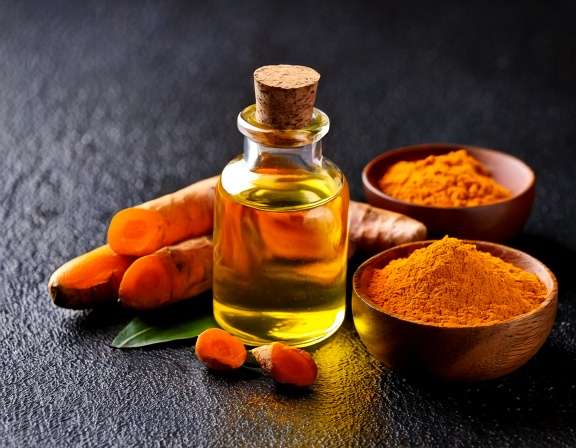
If you love cooking with turmeric, you already know its bright golden color and cozy smell. Turmeric essential oil is like the concentrated, aromatic side of that familiar spice, captured in a tiny bottle.
This oil comes from the same root you use in curry, but it works very differently from the powder in your kitchen. A few drops of turmeric essential oil can support comfort, mood, and skin in ways the spice alone cannot. Used well, it fits right into a simple, natural living routine.
In this guide, we will walk through turmeric essential oil benefits, key turmeric oil advantages, and what turmeric essential oil does for skin, mood, sore muscles, and home care. Think of it as a friendly tour of how to actually use the bottle sitting on your shelf.
What Is Turmeric Essential Oil and How Is It Different From Turmeric Powder?
Turmeric essential oil is made from the root of the turmeric plant, usually through steam distillation. The steam pulls out the aromatic oil from the root, then it is collected into the pure essential oil you buy in a small glass bottle.
This oil is much more concentrated than turmeric powder or fresh turmeric. A single drop carries a strong scent and active plant compounds. That is why you only need tiny amounts and why safety and dilution matter.
It also helps to separate three things:
- Turmeric essential oil: pure, concentrated aromatic oil, very strong, used mostly on skin or in a diffuser.
- Turmeric infused carrier oil: a base oil, like jojoba or almond, with turmeric root soaked in it. This is much milder.
- Turmeric spice or powder: dried root used for cooking and tea.
The essential oil smells warm, earthy, and slightly spicy, with a hint of wood. It blends well with ginger, orange, lemon, lavender, frankincense, and black pepper.
Key Active Compounds That Give Turmeric Oil Its Power
You do not need a chemistry degree to use turmeric oil well, but it helps to know that it is not magic. The benefits of turmeric oil come from aromatic compounds that are naturally present in the plant.
A main group is called turmerones. These compounds are linked with soothing sore areas, supporting clear looking skin, and encouraging a balanced, grounded mood. They also add to the warm scent that many people find comforting and familiar.
Think of these compounds as the “personality” of the oil. They help explain why turmeric essential oil can feel soothing for muscles, helpful for appearance of blemishes, and supportive for your emotional state.
Top Turmeric Essential Oil Benefits for Body, Skin, and Mind
When people ask about turmeric essential oil benefits or what does turmeric essential oil do, they usually want to know what it changes in daily life. In simple terms, the main turmeric oil advantages show up in how your skin looks, how your body feels, and how your mood shifts.
The benefits of turmeric oil include:
- Support for clear looking, bright skin
- Comfort for tired joints and muscles
- A warm, grounding scent for mood and stress
- Gentle support during seasonal sniffle times
- A cozy, relaxed environment around meals that may support digestion
Essential oils are helpers, not cures. They work best as part of a caring routine that may also include good sleep, movement, and medical care when needed.
Skin Support: Brightening Look, Blemishes, and Redness Relief
Turmeric essential oil is popular in natural skin care because it can help skin look brighter and more even. When used in a very diluted face oil, some people notice their skin appears more radiant and less dull over time.
It may also support the look of dark spots or old marks from past blemishes. The oil has a gentle, cleansing character that can be useful in tiny amounts for occasional breakouts, especially in spot treatments.
Red, easily bothered skin may also respond well. Many people find that a low dilution of turmeric oil in a soothing carrier oil, like jojoba or argan, helps calm the look of redness.
Important notes for skin:
- Always dilute in a carrier oil before applying.
- Start low, such as 1 drop of turmeric essential oil in 1 tablespoon of carrier oil for the face.
- Patch test on a small area before using it all over.
Joint and Muscle Comfort: Natural Soothing After a Long Day
Turmeric has a long history as a kitchen spice for comfort, especially in drinks like golden milk. The essential oil carries the same “ahh” feeling into topical care.
You can use diluted turmeric oil as part of a massage blend after workouts, long walks, or days spent at a desk. Many people enjoy rubbing a small amount into knees, shoulders, or the lower back and then sitting with a warm compress or blanket.
For a simple massage oil, mix turmeric essential oil into a carrier like fractionated coconut or sweet almond oil. Add a few drops of ginger or black pepper essential oil to boost warmth. Massage gently into tired spots, then wash your hands so you do not rub the oil into your eyes.
The goal is not to push hard or “fix” anything, but to bring gentle comfort and awareness to the area.
Mood and Stress Support: Grounding, Warm, and Comforting
The scent of turmeric essential oil feels like a cozy kitchen on a cool day. It is warm, earthy, and slightly spicy, which many people find grounding when life feels scattered.
You can use turmeric oil in a diffuser when you feel tense or distracted. The aroma pairs well with sweet orange for a sunny, hopeful blend, or with lavender for evening calm. Some people like to use it during journaling, stretching, or meditation to signal the brain that it is time to slow down.
Turmeric oil does not “fix” depression or anxiety, and it should never replace care from a therapist or doctor. It can, however, be a small and comforting part of a daily routine that supports a steadier mood.
Immune and Seasonal Wellness: Supporting the Body Naturally
During cold and flu season, many people reach for turmeric essential oil as part of their supportive rituals. The warm scent blends well with oils like eucalyptus, rosemary, or lemon, which are common in seasonal diffuser mixes.
You might use a diluted blend on your chest and upper back during times of seasonal discomfort, or run a diffuser in the living room to freshen the air and lift the mood. Turmeric can add a feeling of strength and warmth to these blends.
This type of use is about comfort and caring for yourself and your family. It is not a cure for any illness. Always talk with a health professional for serious or ongoing symptoms.
Digestive and Gut Comfort: Gentle Aromatic Support Only
Some people enjoy using turmeric essential oil in a diffuser around mealtimes. The cozy scent can encourage a more relaxed state while you eat, and a calmer body often digests food more easily.
Keep this support to aromatic use only. Turmeric essential oil is very concentrated, and internal use can be risky without guidance from a trained professional. For most home users, it is safer to sip turmeric tea or cook with turmeric if you want to support digestion from the inside.
Practical Ways to Use Turmeric Essential Oil at Home
So how do you use this little bottle in real life? The most helpful question is not only what does turmeric essential oil do, but how can it fit into your normal routines.
You can:
- Add it to simple face and body oils
- Use it in massage blends for joints and muscles
- Diffuse it for mood, focus, and seasonal support
- Add a tiny amount to natural cleaning recipes for extra freshness
The recipes below are light on fuss and easy to remember.
Simple Dilution Guide: How Much Turmeric Oil to Use Safely
For most adults, a 1 to 2 percent dilution works well for everyday body use.
As a quick guide:
- 1 percent dilution: 1 drop of essential oil per teaspoon of carrier oil
- 2 percent dilution: 2 drops of essential oil per teaspoon of carrier oil
For the face, stay closer to 0.5 to 1 percent. Turmeric oil is strong, can stain, and may irritate sensitive skin if you use too much.
Children, elderly people, and those with delicate skin usually need much lower dilutions, often 0.25 to 0.5 percent or less. Pregnant or nursing people should talk with a health professional before using turmeric essential oil on skin.
When in doubt, use less. You can always add a drop next time if you feel you need more.
DIY Skin and Body Oil Blends With Turmeric Essential Oil
Here are a few simple ways to enjoy the benefits of turmeric oil in daily care.
Soft glow face oil
Add 1 drop of turmeric essential oil and 1 to 2 drops of lavender essential oil to 1 tablespoon of jojoba oil. Mix in your palm or a small bottle. Apply a few drops to clean, slightly damp skin at night, avoiding the eye area.
Joint and muscle comfort oil
To 1 tablespoon of carrier oil, add 1 drop of turmeric, 1 drop of ginger, and 1 drop of black pepper essential oil. Massage gently into knees, wrists, or shoulders after a long day. Wash hands after use.
Bedtime foot rub oil
Mix 1 drop of turmeric and 2 drops of lavender or cedarwood into 1 tablespoon of a rich oil like sweet almond. Rub into feet before bed, then put on cozy socks. This small ritual helps signal to your body that it is time to slow down.
Cozy Diffuser Blends for Mood, Focus, and Seasonal Support
Turmeric essential oil is very strong in a diffuser, so start with just 1 drop. Aim for a total of 4 to 6 drops of essential oil per diffuser session, depending on the size of your device and room.
Try these ideas:
Warm citrus mood lift
- 1 drop turmeric essential oil
- 3 drops sweet orange essential oil
- 1 drop lemon essential oil
Cozy evening unwind
- 1 drop turmeric essential oil
- 2 drops lavender essential oil
- 2 drops vanilla oleoresin or benzoin essential oil, if you have it
Seasonal comfort blend
- 1 drop turmeric essential oil
- 2 drops eucalyptus essential oil
- 2 drops tea tree or lemon essential oil
Run the diffuser for 20 to 30 minutes at a time, then give the room a break.
Natural Cleaning and Fresh Home Uses for Turmeric Oil
Turmeric essential oil brings a warm, slightly spicy freshness to homemade cleaning products. It can boost deodorizing power in bathrooms, trash areas, or kitchens.
Add just 1 drop of turmeric essential oil to a spray bottle of your favorite vinegar and water cleaner, plus a few drops of lemon or tea tree oil. Shake well each time you use it. Spray on tough spots like trash can lids or toilet brushes.
You can also add 1 drop to a jar of baking soda with 5 to 8 drops of lemon, pine, or tea tree oil. Sprinkle into sinks or tubs, scrub, then rinse.
Because turmeric can stain, always test on a small, hidden area first, and avoid use on light fabrics, grout, or unfinished wood.
Safety Tips, Side Effects, and Who Should Avoid Turmeric Essential Oil
Turmeric essential oil is powerful. Respecting that power is part of natural living.
Used well, it can support comfort and mood. Used carelessly, it can irritate skin or cause unwanted reactions.
Key points to keep in mind:
- Always dilute before putting it on your skin.
- Keep it away from your eyes, inside your nose, and genitals.
- Store it out of reach of kids and pets.
- Do not take it by mouth unless you are working closely with a trained professional.
Skin Sensitivity, Staining, and Patch Testing
Turmeric essential oil can stain skin, nails, clothes, and surfaces. Sometimes this fades quickly, sometimes it lingers, especially on lighter items.
Before using a new blend on a large area, do a patch test:
- Mix a small amount, for example, 1 drop of turmeric essential oil in 1 teaspoon of carrier oil.
- Apply a little to the inner forearm.
- Wait 24 hours and watch for redness, itching, or discomfort.
If your skin feels fine and the color is not a problem, you can slowly use the blend on a larger area. If you worry about staining on your face or neck, start with night use or small areas first.
Pregnancy, Children, Pets, and When to Talk to Your Doctor
Some groups need extra care with essential oils, including turmeric.
Use extra caution and seek guidance if:
- You are pregnant or breastfeeding.
- You want to use turmeric essential oil on babies or young children.
- You have hormone related conditions, blood clotting issues, or take blood thinning medication.
- You have asthma, epilepsy, or ongoing serious health concerns.
A qualified health professional or clinical aromatherapist can help you decide what is safe for your situation.
Many essential oils can be hard on pets, especially cats and small dogs. Diffuse in well ventilated rooms, and always give pets a way to leave the space. For direct use around animals, talk with a veterinarian who understands essential oils before trying anything new.
How to Choose and Store High Quality Turmeric Essential Oil
Good quality turmeric essential oil smells better, usually works better, and is often safer because you know what you are getting. It does not have to be the most expensive brand, but a little label reading goes a long way.
Look for companies that are open about their sourcing and testing, and buy from sellers you trust.
Reading Labels: What to Look For Before You Buy
A clear label can tell you a lot. Check for:
- Latin name: should say Curcuma longa.
- Plant part: root or rhizome.
- Country of origin: such as India, Sri Lanka, or another region.
- Purity: look for wording like “100 percent pure essential oil” with no added fragrance or carrier oils.
Many quality companies also share batch test results, often called GC/MS reports. These show the breakdown of plant compounds and help confirm that the oil is not mixed with cheap fillers.
Organic certification can be a nice bonus, especially if you use the oil often. If organic is not in your budget, focus on purity, transparency, and a supplier with good reviews.
Best Storage Habits So Your Turmeric Oil Lasts Longer
Turmeric essential oil lasts longer and stays more effective when you treat it well.
Simple storage tips:
- Keep the bottle in a cool, dark place, like a closed cabinet.
- Avoid heat sources, bright windows, and steamy bathrooms.
- Always put the cap back on tightly to limit air exposure.
- Store away from kids and pets.
You can write the date you opened the bottle on the label. Aim to use turmeric essential oil within about 1 to 3 years, depending on the brand’s guidance and how it smells over time. If the scent changes sharply or smells “off,” it may be time to let it go.
Conclusion
Turmeric essential oil brings the cozy spirit of the kitchen into your self care and home care routines. The main benefits of turmeric oil touch many parts of daily life, from supporting bright and clear looking skin, to soothing tired joints, to lifting mood with a warm, grounding aroma.
Because it is so concentrated, a little goes a long way. Respectful dilution, patch testing, and simple safety habits keep this oil in the helpful zone instead of the irritating one.
You do not need to try every single use at once. Start with one small habit, like a nightly joint massage blend or a warm citrus diffuser mix, and see how your body responds. Over time, you can build a handful of go to recipes that fit your style of simple, natural living.
If you already use turmeric essential oil, what is your favorite blend or ritual? If you are new to it, which idea in this guide feels like the easiest place to begin?
Stay Connected for More Natural Living Inspiration
If you enjoyed this post about herbal wellness and love discovering natural ways to refresh your home and wellness, don’t miss out on future recipes and clean-living tips! Subscribe to the blog for weekly DIYs, wellness inspiration, and herbal remedies delivered straight to your inbox.
Don’t forget to visit my Amazon storefront for the links to my favorite essential oils, herbal teas, and natural recipes. I also create YouTube ambiance videos for sleeping; a channel I created to help people who have trouble sleeping. The link to all social media content is here.
Thanks for coming by!

Leave a Reply