
(DISCLAIMER: I am not a doctor, and you should consult your healthcare professional before starting any health regimen. Product links are commissioned and supports the blog)

Key Takeaways
- Cool the skin first with a cool shower or compress, then use Aloe Vera Gel or a fragrance-free moisturizer.
- Essential oils are optional add-ons, not first-line sunburn care.
- Always dilute essential oils before putting them on sunburned skin.
- Lavender Essential Oil and Chamomile Essential Oil are the most common picks for mild, soothing blends.
- Peppermint Essential Oil can feel cool, but it may also sting and is often too strong for fresh sunburn.
- Citrus oils like bergamot, lemon, lime, and grapefruit can increase sun sensitivity.
- Call a doctor if you have blistering, fever, chills, dizziness, severe pain, or a large burned area.
Your skin feels hot, tight, and tender, like it shrank a size after a long day in the sun’s UV rays. If you are looking for safe, effective ways to use essential oils for sunburn, it is important to understand what provides relief and what might make your discomfort worse.
In that moment, as you seek sunburn relief, essential oils may sound comforting, and some can be, when they’re diluted and used with care. Still, sunburn is skin injury, not a simple case of dryness, so oils should never replace cooling, hydration, aloe, and rest. Mishandling them could cause further skin irritation.
Some oils may soothe mild discomfort. Others can sting, trap heat, or make things worse. Start with the basics first, then decide if a gentle blend belongs in the picture.
What to do first for sunburn before reaching for essential oils
When skin is freshly burned, think of it like a pan pulled off the stove. It needs cooling and calm, not a stack of extra ingredients.
First, get out of the sun. Then cool the area with a cool shower, cool bath, or a damp compress for 10 to 15 minutes. The goal is to lower heat in the skin without shocking it.
After that, pat the skin dry. Leave a little moisture behind, then smooth on plain aloe vera gel or a gentle, fragrance-free moisturizer. Aloe vera gel supports the healing process and helps soothe inflammation while reducing tightness and slowing water loss from the skin.
You should also drink water. Sunburn pulls fluid toward the skin, and dehydration can sneak up fast, especially after heat and sweat.
Cooling comes first. Essential oils come later, if at all.
Essential oils are not the main fix for sunburn. At most, they can play a small supporting role once you’ve handled the basics. If you like building a home kit for minor skin troubles, this guide to top essential oils for natural first aid offers broader safety context.
Simple first-aid steps that calm burned skin fast
Keep things plain and gentle for the first day or two. Cool compresses help because they draw heat away without rubbing the skin. Aloe vera gel often feels best when skin still radiates warmth. A simple, unscented lotion can also help, especially if aloe feels too light. Witch hazel or oral vitamin C can be part of general recovery once the initial cooling phase passes.
Wear loose cotton clothing if you need to cover the area. Friction makes burned skin feel angrier, and tight straps can turn a mild burn into an all-day annoyance.
Some things are better left alone. Don’t put ice directly on the skin, because it can damage tissue further. Skip hot showers, harsh scrubs, and strong fragranced products. Heavy ointments can also trap heat on very fresh burns.
If your skin feels hot and swollen, less is more. A cool cloth, a glass of water, and a quiet room often do more good than a crowded DIY blend.
Signs your sunburn needs medical care, not a DIY remedy
Most mild sunburns improve with home care. Still, some burns cross the line from uncomfortable to unsafe.
Get medical help if you have blistering over a wide area, severe pain, fever, chills, dizziness, nausea, or signs of dehydration. Redness and swelling accompanied by those symptoms also deserve prompt attention, along with confusion, fainting, or a headache that keeps building.
Burns in babies and young children need extra care. Their skin is thinner, and dehydration can happen faster. If a child has a significant burn, it’s safer to call a doctor early.
Broken or heavily blistered skin is not the place for essential oils. Tea tree oil is generally too harsh and drying for fresh blisters or a compromised skin barrier. At that point, protecting the skin barrier matters more than trying a home remedy.
The best essential oils for sunburn relief, and why they may help
Research on essential oils for sunburn is still limited. That matters, because comfort is not the same as skin repair. In other words, a blend might feel soothing without treating the actual damage caused by UV rays.
That said, a few oils come up again and again in aromatherapy because they tend to be gentler and more comforting on irritated skin. The best choices are usually simple, lightly diluted, and used on mild burns only.
Lavender Essential Oil for calm, comfort, and gentle skin support
Lavender Essential Oil often tops the list for irritated skin, and the reason is easy to understand. Its scent feels soft, familiar, and calming, while the oil itself is widely used in soothing skin blends due to its anti-inflammatory properties.
For mild sunburn, Lavender Essential Oil may help the skin feel less tense and more comfortable. Many people also like it because the aroma can make the whole situation feel less stressful. That matters when you’re trying not to scratch, rub, or fuss with tender skin.
Still, gentler doesn’t mean harmless. Burned skin reacts fast, so Lavender Essential Oil should always be diluted. Patch test first on a small area of intact skin. If it stings, stop.
Use a light hand. On irritated skin, one or two drops can go a long way.
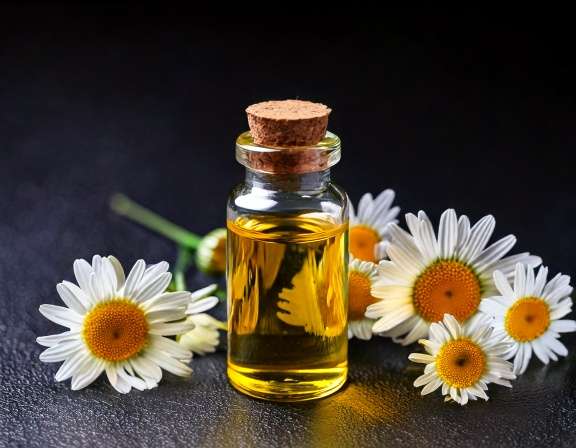
Chamomile Essential Oil for tender, reactive skin
Chamomile Essential Oil is another favorite for skin that feels red, touchy, or reactive. If lavender is the soft cotton blanket of aromatherapy, chamomile is the cool pillowcase. Its anti-inflammatory properties contribute to its reputation for mildness.
People often choose it for sensitive skin because it tends to feel mild in blends. Its scent is less floral and more apple-like, and that gentle profile makes it a good match for simple aloe or lotion bases.
Extra caution makes sense if you have ragweed allergies. Chamomile belongs to the same plant family, so patch testing is especially important in that case.
For some people, Chamomile Essential Oil works best as the only oil in the blend. Keeping the formula short lowers the chance of irritation and makes it easier to tell what your skin likes.
Helichrysum Oil and Geranium Essential Oil as other supportive options
Helichrysum Oil and Geranium Essential Oil offer additional support for minor skin upset. Helichrysum Oil is prized for its potential regenerative benefits on skin, while Geranium Essential Oil can help soothe and balance irritated areas. As with other oils, dilute them well and patch test before use on sunburned skin.
Peppermint Essential Oil and other cooling oils, why they can be tricky
Peppermint Essential Oil gets a lot of attention because it feels cool on contact. That cooling sensation comes mostly from menthol, not from actual heat removal. Your skin may feel cooler while the burn underneath stays just as irritated.
Fresh sunburned skin often doesn’t love Peppermint Essential Oil. It can sting, feel too intense, and push reactive skin over the edge. That’s why it’s usually not the best first choice for a new or badly burned area.
Eucalyptus Essential Oil can create a similar problem. It smells clean and brisk, but it can also feel strong on damaged skin. For mild sunburn, both oils are more likely to complicate things than help.
If you’re drawn to that icy feeling, pause first. A cool compress gives real physical cooling, and it does so without the sting.
How to Dilute Essential Oils Safely
Safe topical application starts with very low dilution. Burned skin is already stressed, so this isn’t the time for rich salves or strong aromas.
A simple rule works well here: use about 1 drop of essential oil per 1 teaspoon of carrier oil or base. Less is better on damaged skin. If the burn is mild and already cooled, that low ratio is enough.
Never apply essential oils to broken, blistered, or peeling-open skin. Keep them away from the eyes, lips, and any area that feels raw. If you notice burning, itching, or more redness, wash it off gently and stop using it.
Photosensitive oils deserve special warning. Bergamot, lemon, lime, and grapefruit can raise sun sensitivity, especially on skin that’s already been exposed. They don’t belong on sunburned skin before going back outside.
The best carrier oils and bases for a soothing blend
The base matters as much as the essential oil, and a good carrier oil can enhance relief. On hot, fresh sunburn, aloe vera gel often feels better than plain oil because it’s lighter and more cooling on contact.
Choose pure aloe vera gel when you can. Some store versions contain alcohol, fragrance, or bright colorants, and those can sting burned skin.
Jojoba oil is a solid choice for mild burns that feel dry more than hot. It’s light, simple, and usually well tolerated. Fractionated coconut oil also works, especially if you want a silky texture without a heavy feel. Calendula vegetable oil makes another excellent carrier oil option, prized for its gentle, healing properties on irritated skin.
Unscented lotion can be useful too, as long as it’s gentle and fragrance-free. If the skin still feels like it’s giving off heat, use more aloe and less oil.
A simple sunburn relief recipe readers can make at home
Keep your blend small and plain. Here’s a gentle option for intact skin only:
- 2 tablespoons pure aloe vera gel
- 2 teaspoons jojoba oil
- 2 drops lavender essential oil
- 1 drop vitamin E oil
Stir until smooth, then apply a thin layer to cooled, unbroken skin. Don’t rub hard. Let it sit, and reapply lightly only if your skin likes it. The vitamin E adds extra nourishment and helps preserve the mix.
Store the blend in a clean, covered jar in the fridge and use it within 2 to 3 days. The cool texture often feels nice, but stop right away if it stings, prickles, or makes redness worse.
If lavender doesn’t suit you, skip the essential oil entirely and use the aloe vera gel and jojoba by themselves. A simple blend often wins.
Frequently Asked Questions
Can I apply essential oils immediately after getting a sunburn?
No, essential oils should never be the first step. Cool the skin with a shower or compress, apply aloe vera gel, and hydrate first oils come later, if at all, on mild burns only. Fresh sunburn needs calm and cooling, not added ingredients that could trap heat or irritate.
Which essential oils are best for sunburn relief?
Lavender and chamomile essential oils top the list for their gentle, anti-inflammatory properties that may soothe mild irritation. Helichrysum and geranium offer support too, but always dilute and patch test. Skip peppermint, eucalyptus, and citrus oils like lemon or bergamot they can sting, intensify sensitivity, or worsen damage.
How do I safely dilute essential oils for sunburned skin?
Use a very low ratio: 1 drop per teaspoon of carrier like aloe vera gel or jojoba oil, on intact skin only. Patch test on unburned skin first, and avoid broken, blistered, or hot areas. Less is more, stop if it stings or reddens.
What if an essential oil makes my sunburn worse?
Rinse gently with cool water, pat dry, and switch back to plain aloe or moisturizer. Don’t reapply, and watch for increasing redness, itching, or swelling. Severe reactions mean skipping oils entirely and calling a doctor if symptoms like fever or dizziness appear.
When should I skip essential oils and see a doctor?
Seek medical help for blistering, fever, chills, severe pain, dizziness, nausea, or large burned areas, especially in children. Essential oils aren’t for broken skin or serious burns; protecting the barrier and professional care come first. Mild sunburns improve with basics like cooling and aloe alone.
Mistakes to avoid if you want relief without making sunburn worse
The biggest mistake is using oils neat, straight from the bottle. Even gentle oils can cause contact dermatitis or burn irritated skin when they aren’t diluted. Always do a patch test on healthy skin first.
Another common slip is adding too many oils at once. A crowded blend sounds fancy, but it makes irritation more likely and turns troubleshooting into a guessing game. One oil, or none, is often the smarter move.
Don’t apply essential oils to blistered skin. That surface needs protection, not perfume. Along the same lines, avoid peppermint overload. A little menthol can feel sharp enough on healthy skin, so a sunburn may react even more.
Citrus oils are another trap. Lemon, lime, bergamot, and grapefruit may smell bright and clean, but they can raise photosensitivity on sun-exposed skin. That’s the opposite of what sunburn needs.
Natural doesn’t mean mild. Poison ivy is natural too. Treat essential oils with respect, especially when the skin barrier is already damaged.
Sunburn can turn a simple summer day into a long night. The best care stays wonderfully boring: cool the skin, hydrate, use aloe, and let your body rest. This helps reduce redness and swelling during recovery.
Essential oils for sunburn can sometimes support mild sunburn relief, but only when they’re diluted, patch tested, and used on intact skin. Keep blends simple, skip strong cooling oils, and get medical care for severe burns or wide blistering.
If your skin starts talking back, listen. In summer, the smartest remedy is often shade today, better sun protection tomorrow.
Stay Connected for More Natural Living Inspiration
If you enjoyed this post about herbal wellness and love discovering natural ways to refresh your home and wellness, don’t miss out on future recipes and clean-living tips! Subscribe to the blog for weekly DIYs, wellness inspiration, and herbal remedies delivered straight to your inbox.
Don’t forget to visit my Amazon storefront for the links to my favorite essential oils, herbal teas, and natural recipes. I also create YouTube ambiance videos for sleeping; a channel I created to help people who have trouble sleeping. The link to all social media content is here.
Thanks for coming by!



Leave a Reply