

(DISCLAIMER: I am not a doctor, and you should consult your healthcare professional before starting any health regimen.)

Key Takeaways:
- Geranium essential oil is often used for mood support, skin routines, and freshening the home.
- Some early research suggests it has helpful properties, but results vary by person and product quality.
- For skin and scalp use, dilution matters, it helps lower irritation risk.
- A little goes a long way, too much can cause headaches or skin reactions.
- This is not medical advice, talk with a clinician if you’re pregnant, nursing, managing a condition, or taking meds.
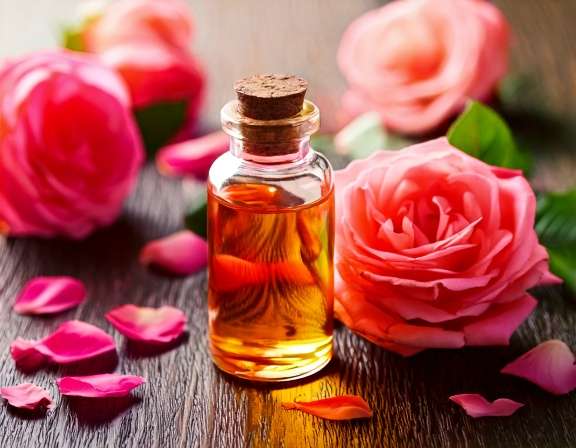
Geranium essential oil (Pelargonium graveolens) is one of those oils that feels familiar the first time you smell it. It has a classic, rose-like scent, soft, green, and slightly sweet. People reach for it when they want comfort, balance, and a simple way to make daily routines feel a little nicer.
What makes geranium essential oil special (and why the quality matters)
Essential oils are concentrated plant extracts. They capture the plant’s aromatic compounds, which is why they smell so strong and why you only use a few drops at a time. Think of an essential oil like a loud perfume made by nature. It’s powerful, and it doesn’t behave like a regular “oil” you’d cook with or moisturize with.
Geranium essential oil is sometimes sold as “geranium” or “rose geranium.” Both names usually point to the same general idea: a Pelargonium plant with a floral scent that reminds many people of roses. The smell can shift based on where it’s grown and how it’s processed. Some bottles smell bright and rosy. Others smell greener, like crushed leaves, or a bit herbal.
That’s part of the charm, but it’s also why quality matters. The plant source, harvest timing, and distillation choices can change the final oil. When an oil smells “flat,” harsh, or oddly sweet in a fake way, it can be a sign of age, poor storage, or heavy processing.
People commonly use geranium essential oil in two big ways:
- Aromatherapy: because a steady floral scent can feel comforting during stressful seasons.
- Skin and body routines: because many find it gives a fresh, clean finish when blended properly (never straight on skin).
Keep expectations realistic. You might love it on day one, or you might find it’s not your scent. Both are normal.
How it’s made and the types you’ll see when shopping
Most geranium essential oil is made through steam distillation. Steam passes through plant material, the aromatic compounds lift with the vapor, and then they’re cooled back into liquid. The essential oil separates from the water and is collected.
You’ll see labels that mention different details, such as:
- Pelargonium graveolens (the botanical name you want to see)
- “Rose geranium” (a common name tied to scent profile)
- “Bourbon” (often linked to Réunion cultivation style and aroma)
- “Egyptian” (country of origin that may smell greener or more herbal)
When you shop, three quick checks help:
- Botanical name: look for Pelargonium graveolens.
- Country of origin: it should be listed, even if it’s a blend of regions.
- Batch info: a lot number, date, or test report reference is a good sign.
How to store it so it stays fresh longer
Light, heat, and air are the big enemies of essential oils. Geranium can hang on for a while, but it still changes over time.
A simple storage checklist:
- Keep it in a dark glass bottle (amber or cobalt).
- Close the cap tightly after each use.
- Store it in a cool cabinet, away from sunny windows and steamy bathrooms.
- Try to use it within a reasonable time after opening (many people aim for 1 to 3 years, depending on storage).
If your oil starts to smell sour, dusty, or “off,” don’t force it. Old oil can be more irritating on skin, even if it used to be fine.
The main geranium essential oil benefits people use it for
Geranium essential oil has a strong “everyday” appeal because it fits into routines without needing a complicated plan. People use it for emotional comfort, for a cleaner feeling in skin and hair care, and for odor control around the house.
Still, it’s smart to keep your language and expectations grounded. Many benefits are based on personal experience and aromatherapy tradition. Some early research suggests geranium has properties that may support skin comfort and microbial balance, but that doesn’t mean it’s a cure for anything.
Below are the most common, practical reasons people keep geranium oil in their collection, plus easy ways it often shows up in real life.
Mood and stress support, a steadying scent for tough days
Smell travels fast. When you inhale a scent you like, it can shape your mood in a way that feels almost instant. It’s not magic, it’s your body reacting to sensory input and the routines you build around it.
Many people find geranium’s rose-like scent feels steady and “tidy,” like opening fresh sheets or walking into a calm room.
Try it like this:
- After work, add a couple of drops to a diffuser for a short session while you change clothes and reset.
- Before bed, do a simple blend: geranium plus lavender, then keep the room ventilated.
If you enjoy diffuser ideas, you might also like these allergy and immunity diffuser blend ideas for other times of year when you want the air to smell extra clean.
Skin support, especially for the look of oily or tired skin
Geranium shows up a lot in DIY skincare because it smells fresh and many people say it helps their skin feel more balanced. It’s often used in a basic facial oil or added to unscented lotion.
Keep it simple and gentle. Facial skin can get irritated fast.
A practical approach:
- Use a very low dilution for the face, around 0.5 to 1 percent.
- That’s roughly 1 to 2 drops essential oil per 1 teaspoon (5 ml) of carrier oil, depending on drop size.
If you’re still getting comfortable with blending, this guide on carrier oils for skin and hair basics makes dilution feel a lot less confusing.
Always patch test. A nice-smelling oil can still bother your skin.
Scalp and hair routine add-on (when your scalp feels greasy or itchy)
Some people reach for geranium oil when their scalp feels oily, itchy, or just “off.” The goal is usually freshness and comfort, not a dramatic transformation.
Two easy, low-effort options:
- Add one drop to the shampoo in your palm right before you wash (not into the whole bottle).
- Make a diluted scalp oil with a light carrier oil, then massage a small amount into the scalp before shampooing.
Important: essential oils can sting on broken skin, and they should not be used undiluted. If your scalp is scratched, inflamed, or sensitive that day, skip it.
For a broader look at hair routines, this essential oils for thicker hair guide has more ideas for blends and scalp-friendly habits.
Natural deodorizing and freshening for home and laundry
Geranium oil’s scent works well for “soft clean” deodorizing. It’s floral, but not sugary, and it can help a room feel more pulled together.
Common uses include:
- A quick room refresh (a light mist in the air, not on delicate surfaces).
- Linen spray for bedding (test first, essential oils can spot some fabrics).
- Wool dryer balls for laundry freshness.
A few cautions keep this safe and simple. Essential oils can stain, and some pets are sensitive to airborne oils. Cats, in particular, are often more vulnerable, so it’s best to be cautious with diffusing and sprays around them.
Easy ways to use geranium essential oil at home (without overdoing it)
With essential oils, more isn’t better. If you’ve ever diffused too much and ended up with a headache, you already know. Geranium works best when it stays in the background, like soft music instead of a blaring speaker.
Here are common methods that keep things reasonable:
- Diffuser
- Personal inhaler
- Bath (with proper dispersing)
- Massage oil
- Body oil
- Light cleaning spray
Pick one method and stick with it for a week. You’ll learn faster what you like and what your body doesn’t.
Diffusing, personal inhalers, and quick “reset” routines
For diffusing, start low. Many people do well with 2 to 4 drops in a water-based diffuser, depending on room size and sensitivity. Run it for a short time, like 15 to 30 minutes, then take a break and air the room out.
A personal inhaler is even simpler. It gives you the scent without filling the whole house. That can be helpful if you share space with kids, roommates, or anyone who doesn’t love strong smells.
Easy pairing ideas (keep it basic):
- Geranium + lavender for a softer, bedtime vibe
- Geranium + bergamot for a brighter mood lift
- Geranium + cedarwood for a calmer, grounded feel
Topical use basics, dilution that actually protects your skin
Dilution means mixing essential oil into a carrier oil (like jojoba, grapeseed, or sweet almond) so it’s gentler on skin.
Simple ranges many people follow:
- Face: 0.5 to 1 percent (very low)
- Body: 1 to 2 percent (general daily range)
In kitchen terms, that looks like:
- 1 teaspoon (5 ml) carrier oil: 1 to 2 drops for face-level dilution
- 1 tablespoon (15 ml) carrier oil: about 3 to 6 drops for body-level dilution
Safety basics that save a lot of trouble:
- Patch test on the inner arm first.
- Avoid eyes, lips, and other sensitive areas.
- Wash hands after applying.
- Don’t use essential oils on broken or freshly shaved skin.
Safety, side effects, and who should check with a pro first
Geranium essential oil is popular, but “natural” doesn’t mean risk-free. Skin irritation and allergy reactions are the biggest issues, especially when oils are used undiluted or too often.
Be extra careful if any of these apply to you:
- Pregnancy or breastfeeding: check with a clinician first.
- Babies and young kids: many essential oils are not a good fit.
- Asthma or scent sensitivity: diffusing can trigger symptoms in some people.
- Medical conditions or medications: essential oils can still be active substances.
- Pets: cats are often sensitive to essential oils, and some dogs are too.
Quality and dilution lower risk, but they don’t remove it.
Stop using geranium oil and wash the area with soap and water if you notice:
- Burning or stinging
- Redness, rash, or swelling
- Headache or dizziness
- Nausea
- Trouble breathing (get help right away)
If you’re building a small collection and want a safety-first mindset, this guide to essential oils for a natural first-aid kitis a helpful refresher on smart, cautious use.
Conclusion
Geranium essential oil benefits tend to show up in everyday moments: a calmer mood after a long day, a skin routine that feels cleaner and more balanced, a fresher-smelling room, and a simple boost to your hair or scalp habits. The best results usually come from doing less, not more.
A low-effort plan: pick one method (diffuser or a diluted body oil), start with a small amount, patch test, and track how you feel for a week. If it works, keep it simple and steady. Choose a quality bottle, store it well, and treat dilution like a non-negotiable.
Stay Connected for More Natural Living Inspiration
If you enjoyed this post and love discovering natural ways to refresh your home and overall health wellness, don’t miss out on future recipes and clean-living tips! Subscribe to the blog for weekly DIYs, wellness inspiration, and herbal remedies delivered straight to your inbox.
Tap here to visit my LinkTree store where you can purchase the essential oils and herbal teas listed in this article.
Thanks for coming by!

Leave a Reply