
(DISCLAIMER: I am not a doctor, and you should consult your healthcare professional before starting any health regimen. Product links are commissioned and supports the blog)

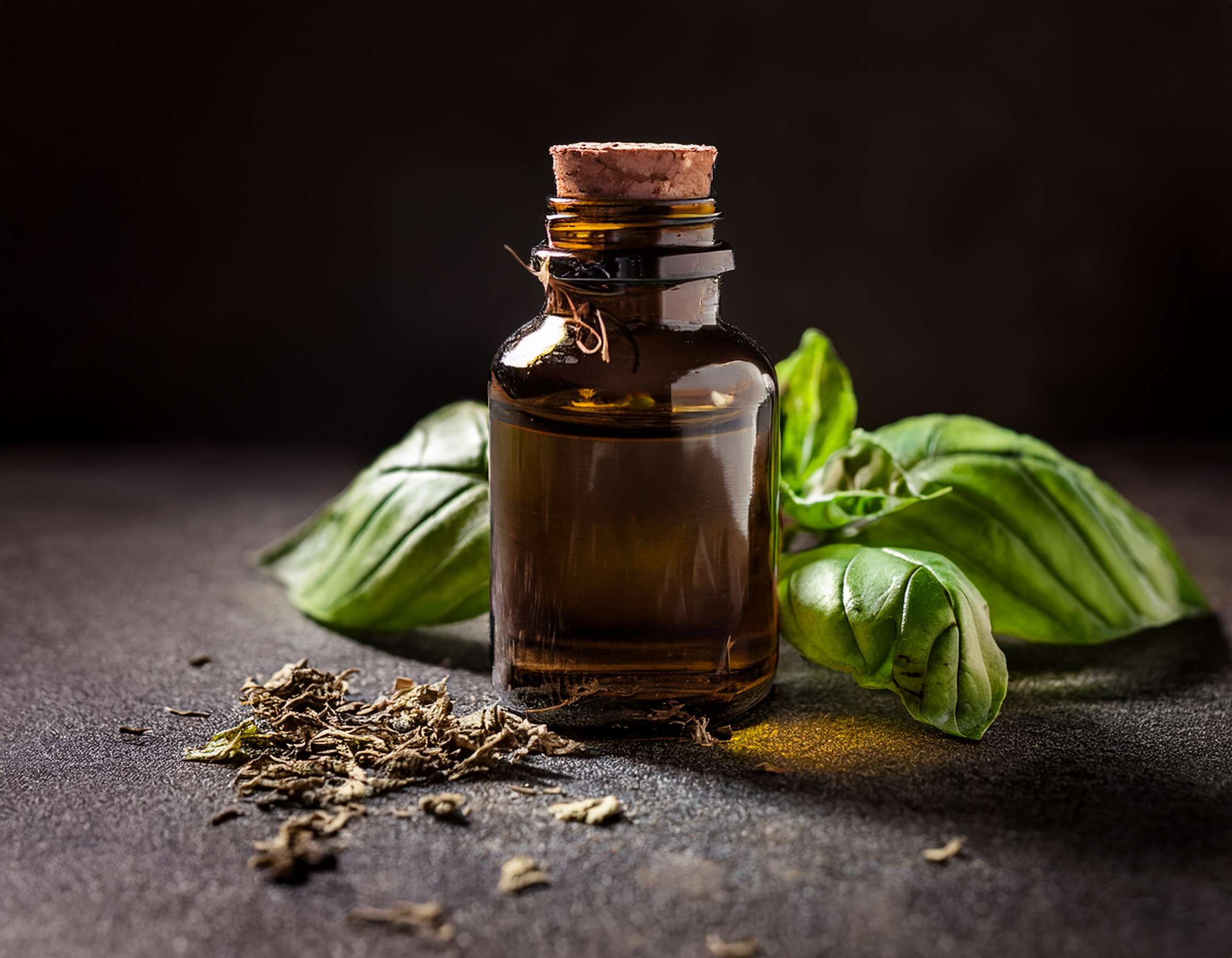
The scent of fresh basil can turn an ordinary kitchen into a summer garden, with green, peppery notes rising from crushed leaves. That same aroma makes basil essential oil appealing to people who want a fresher scalp routine and a natural touch for dry, dull hair.
A properly diluted blend may leave the scalp feeling lighter and the hair lengths looking smoother. It may also offer a pleasant, soothing ritual after washing. However, basil oil isn’t a proven cure for hair loss, dandruff, infection, or scalp disease. The safest approach is to treat it as a small addition to gentle hair care, not as a replacement for medical treatment.
Key Takeaways About Basil Essential Oil for Hair
- Basil essential oil may support a fresh, balanced-feeling scalp routine.
- Research on basil oil and human hair growth remains limited.
- Always dilute the oil before applying it to your scalp or skin.
- A patch test can help identify irritation before wider use.
- Stop using it if you notice burning, redness, itching, or swelling.
- Sudden hair loss, painful bumps, heavy flaking, or bald patches need medical advice.
Basil Essential Oil Benefits for Hair and Scalp
Basil essential oil is highly concentrated, so a little goes a long way. People often choose it for its green scent, refreshing feel, and place in traditional herbal care. Those qualities can make a hair routine feel more enjoyable, but they don’t prove that the oil changes follicle activity or reverses hair loss.
The most realistic benefits are cosmetic and sensory. A diluted blend may help the scalp feel clean and comfortable, while a small amount on the hair lengths can add temporary slip. Stronger claims need better human research.
A fresher-feeling scalp and a cleaner hair-care routine
Basil essential oil has an aromatic, cleansing quality that can make a scalp massage feel refreshing. When mixed with jojoba or grapeseed oil, it may reduce the heavy, coated feeling that some people notice after using richer products.
That effect doesn’t mean basil oil removes excess sebum in every person. It also doesn’t replace shampoo or treat a fungal or bacterial infection. If your scalp feels oily, wash according to your hair’s needs with a gentle shampoo rather than repeatedly applying essential oils.
A diluted blend works best as an occasional pre-shampoo treatment. Use a small amount, massage lightly, and rinse thoroughly. Scrubbing hard can create more irritation, especially when the scalp already feels tender or flaky.
Possible support for scalp comfort and healthier-looking strands
Basil’s herbal reputation and laboratory research on basil compounds have encouraged interest in its soothing and antioxidant qualities. Yet laboratory findings don’t show that a basil oil blend will stimulate follicles, regrow thinning areas, or stop shedding in people.
Healthy-looking hair depends on everyday habits that matter more than one oil. Gentle washing, enough dietary protein, regular conditioning, and less heat or chemical stress can protect the hair shaft. A clean pillowcase and careful detangling may also help reduce friction.
If your scalp tolerates the blend, the massage itself may feel calming. Keep the pressure light because vigorous rubbing can pull on fragile strands and irritate inflamed skin.
Why basil oil may improve shine without repairing damage
Oil can smooth the outer surface of a hair strand. As a result, a properly diluted blend may add slip and create a short-term glossy appearance, especially on dry lengths and ends.
That shine doesn’t repair split ends or rebuild chemically damaged hair. Once a strand splits, trimming is the only permanent fix. Conditioner, a leave-in product, or a lightweight carrier oil is usually more dependable for softness than essential oil alone.
Apply finishing oil sparingly. Too much can make hair look greasy and may force you to shampoo more often. Fine hair often needs one drop spread across both hands, while thick or textured hair may tolerate slightly more.
Three Simple Ways to Use Basil Essential Oil in Your Hair Routine
Essential oils reward restraint. Start with one recipe, use a low dilution, and give your scalp time to respond before adding another product. These blends are intended for external use only.
Diluted basil scalp massage blend
This small-batch blend suits normal to dry scalps and occasional pre-shampoo care.
Ingredients
- 1 teaspoon jojoba or grapeseed oil
- 1 drop basil essential oil
Mix the oils in a clean teaspoon or small glass dish. Dab a little onto your fingertips, then massage it over a few scalp sections for one or two minutes. Leave it on for about 10 minutes before shampooing thoroughly.
Avoid your eyes, hairline cuts, broken skin, and any area that already burns or feels sore. Don’t cover the entire scalp with a heavy layer. This blend may make a massage feel refreshing, but it doesn’t promise faster growth or thicker hair.
Basil and aloe pre-shampoo scalp mask
Aloe can give this rinse-off mask a cool, lightweight texture. It works best for readers who prefer a water-based-feeling treatment rather than straight oil.
Ingredients
- 1 tablespoon plain aloe vera gel
- 1 teaspoon jojoba oil
- 1 drop basil essential oil
Stir the aloe, jojoba oil, and basil oil together until the mixture looks as even as possible. Apply it mainly to the scalp, avoiding the eyes and face. Leave it on for 10 to 15 minutes, then shampoo until no residue remains.
Aloe products vary, and some contain alcohol, fragrance, or other ingredients that may irritate sensitive skin. Use the mixture immediately instead of storing it. Rinse at once if you feel burning, redness, or itching.
Light basil finishing oil for dry ends
This option targets the hair lengths rather than the scalp. It suits dry, coarse, or textured ends that need a little extra smoothness after washing.
Ingredients
- 2 teaspoons jojoba, argan, or grapeseed oil
- 1 drop basil essential oil
Combine the ingredients in a small glass container and close it tightly. After washing, warm one or two drops between your palms. Smooth the oil over damp ends, keeping it away from the roots if your hair becomes oily quickly.
Fine hair should start with a single drop of the finished blend. Thick or very dry hair may tolerate slightly more, but don’t casually increase the essential oil concentration. Add more carrier oil instead if the blend feels too strong.
How to Use Basil Oil Safely and Choose a Quality Product
A pleasant scent doesn’t guarantee a safe application. Basil oil can irritate skin, and repeated exposure may cause sensitization. Careful dilution and a small test area reduce avoidable problems.
Dilution, patch testing, and application rules
For beginners, a low dilution is the sensible starting point. One drop in one teaspoon of carrier oil is about a 1% blend, while the aloe mask and finishing oil above are milder. Measure the carrier oil rather than guessing by eye.
Patch test before using a new blend. Apply a small amount of the diluted mixture to the inner arm, then wait 24 hours. Don’t use the blend if you develop a rash, itching, swelling, or persistent warmth.
Essential oils should never go on the scalp undiluted.
Keep basil oil away from the eyes, lips, nostrils, and broken skin. Don’t swallow it or add it to food and drinks. Wash your hands after applying a blend, and store the bottle away from children and pets.
How to spot a safer basil essential oil
Choose a product with the botanical name, plant part, country of origin, and batch or lot information on the label. A reputable seller should also provide clear storage guidance and avoid vague claims about curing hair loss.
Basil oils can have different chemical profiles depending on the plant and extraction details. Therefore, scent alone can’t prove purity or quality. Avoid bottles that smell sour, look cloudy when they shouldn’t, or have changed noticeably since purchase.
Store the bottle in a cool, dark place with the cap closed. Heat, light, and air can reduce freshness over time. A dark glass bottle with a tight-fitting lid is preferable to a clear plastic container.
When home care isn’t enough for hair or scalp concerns
Sudden shedding, bald patches, painful bumps, thick scaling, bleeding, severe itching, and pus need evaluation by a doctor or dermatologist. These signs can have causes that an essential oil blend can’t identify or treat.
Hair loss may relate to alopecia, thyroid problems, medication effects, stress, or nutrient deficiencies. Delaying an evaluation while trying multiple oils can make the real problem harder to address.
Ask a healthcare professional before using basil oil during pregnancy or while nursing. Extra caution also makes sense if you have eczema, psoriasis, known allergies, or highly sensitive skin. Stop using the oil when your scalp reacts, even if the reaction seems mild.
Conclusion
Basil essential oil can add a fresh scent and a pleasant massage experience to a careful hair routine. A low-dilution blend may help the scalp feel lighter, while a tiny amount on the ends can create temporary softness and shine. Evidence for hair growth remains limited, so treat those claims with care.
Begin with one recipe, patch test first, and watch how your scalp responds. For ongoing hair loss or scalp symptoms, professional care matters more than any homemade blend. Consistent gentle care, good conditioning, and sensible product use will always matter more than a single oil.
Stay Connected for More Natural Living Inspiration
If you enjoyed this post about herbal wellness and love discovering natural ways to refresh your home and wellness, don’t miss out on future recipes and clean-living tips! Subscribe to the blog for weekly DIYs, wellness inspiration, and herbal remedies delivered straight to your inbox.
Don’t forget to visit my Amazon storefront for the links to my favorite essential oils, herbal teas, and natural recipes. I also create YouTube ambiance videos for sleeping; a channel I created to help people who have trouble sleeping. The link to all social media content is here.
Thanks for coming by!


Leave a Reply