
(DISCLAIMER: I am not a doctor, and you should consult your healthcare professional before starting any health regimen. Product links are commissioned and supports the blog)

Key Takeaways
- Lemongrass can support a refreshed, more aware mood when you feel foggy or tense.
- The scent works best when you pair it with a simple check-in habit (breath, journaling, body scan).
- Safe use matters, dilute for skin, diffuse in short cycles, and patch test.
- Some people should be cautious (sensitive skin, asthma, scent-triggered headaches, pregnancy, kids, pets).
You know that feeling when your brain’s busy, but nothing’s getting done? You’re snappy at small things, your thoughts jump around, and even simple choices feel weirdly hard.
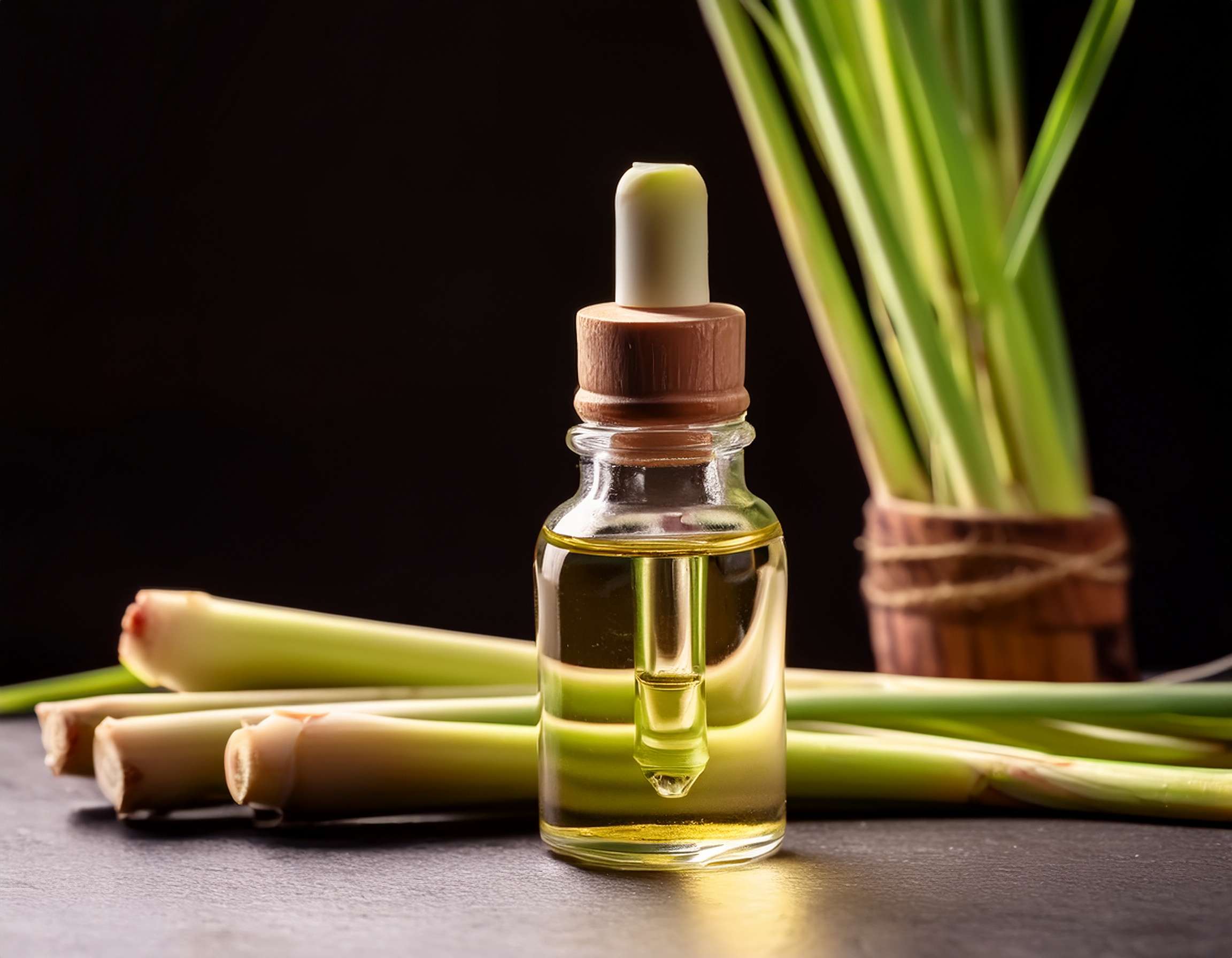
That’s often the moment people reach for lemongrass essential oil. It has a fresh, lemony, grassy scent that can feel like opening a window in a stuffy room. Used with care, it can support a clearer headspace and help you notice what’s going on inside you, before stress turns into a full-blown spiral.
Quick safety note: lemongrass is strong. Always dilute it for skin use, and do a patch test first. If you’re pregnant, using oils around kids, or you have pets (especially cats), extra caution matters.
Why lemongrass essential oil can support emotional and mental awareness
“Emotional and mental awareness” sounds fancy, but it’s pretty simple in real life. It’s noticing what you feel, naming it, and catching your stress signals early, before you say something you don’t mean or crash later.
It can look like:
- Realizing you’re not “fine,” you’re overstimulated.
- Noticing your jaw’s clenched and your shoulders are up by your ears.
- Catching the moment your mind starts spinning stories (worst-case thinking, replaying conversations, rushing ahead).
Lemongrass essential oil doesn’t force you to be calm. It doesn’t magically fix your day. What it can do is help create a “clearer signal” so you can hear yourself again.
Its scent profile is often described as fresh, lemony, and grassy, with a sharp clean note. That sharpness is part of why people like it for mental clarity. Smell also hits fast. When you breathe in an aroma, it connects with parts of the brain tied to memory and emotion. You don’t need to know the science to feel the effect. One breath can shift your state from scattered to more present.
This is where a lot of the lemongrass oil mood benefits show up in daily life, not as a dramatic before-and-after, but as a small nudge. Think of it like rinsing a smudged window. You still see the same view, you just see it more clearly.
Some people also use lemongrass essential oil for anxiety support, in a non-medical way, as part of a calming routine. That might mean diffusing it while you journal, using a personal inhaler before a stressful meeting, or applying a properly diluted blend before an evening wind-down.
Results vary. Your nervous system is your nervous system. Lemongrass can support your routine, but it’s not a replacement for mental health care, therapy, or prescribed treatment.
If you like exploring other oils that support a calmer mood, neroli benefits for emotional balance are worth reading about too.
The focus effect: when your mind feels busy or scattered
Lemongrass is a good pick for those moments when your brain feels like a browser with 27 tabs open.
Common times to reach for it:
- Mid-day slump, when you’re tired but wired
- Before journaling, planning, or a “catch-up” session
- When your thoughts feel cluttered and you can’t pick a starting point
A simple practice that takes under a minute:
- Open the bottle and smell from the cap (don’t touch your nose to it).
- Take 3 slow breaths, in through your nose, out through your mouth.
- Name one feeling without arguing with it. “I feel tense,” “I feel rushed,” “I feel disappointed.”
That last step matters. Naming a feeling can take the heat out of it. The scent is just the cue that reminds you to pause.
For more ideas on oils that people use when they want sharper thinking, essential oils that sharpen mental clarity can give you a few options to rotate through.
The reset effect: shifting from tense to steady
Sometimes you don’t need “focus,” you need a reset.
A bright scent can feel like stepping into cool air after you’ve been holding your breath all day. Lemongrass often lands that way for people, especially after a hard moment.
Picture this:
- You just sat through traffic and your body’s still buzzing.
- You had an argument, and now your mind keeps replaying it.
In those moments, smell can help mark a boundary between “what just happened” and “what’s happening now.” Try pairing lemongrass with one grounding habit so you don’t rely on scent alone.
A few easy pairings:
- Drink a glass of water slowly
- Take a 3-minute walk, even if it’s just down the hallway
- Do a 30-second shoulder roll and neck stretch
The goal isn’t to erase your emotions. It’s to stop them from driving the car.
Best ways to use lemongrass oil for mood and calmer thinking
Lemongrass is beginner-friendly in the sense that it’s easy to use, but it’s also easy to overdo. Start small. If you can strongly smell it across the room, you probably used too much.
Before you use it, a quick quality checklist helps. Look for:
- The Latin name Cymbopogon citratus or Cymbopogon flexuosus
- A bottle in dark glass
- Some form of batch info (so it’s traceable)
You don’t need the fanciest brand on earth, but you do want an oil that’s labeled clearly and stored well.
Here are the easiest, safest ways to work lemongrass into a mood routine.
Diffuser blends for clarity and a lighter mood
Diffusing is great when you want a whole-room shift, like while cleaning, planning, or decompressing after work.
Basic room guidance (keep it simple):
- Small room (bedroom, office): start with 3 to 5 total drops
- Medium space (living room): 5 to 8 total drops
- Diffuse 30 to 60 minutes, then take a break
Blend ideas (adjust down if you’re sensitive):
- Clear head blend: 2 drops lemongrass, 2 drops lavender
- Fresh and steady blend: 2 drops lemongrass, 2 drops frankincense
- Gentle support blend (often used for lemongrass essential oil for anxiety routines): 1 drop lemongrass, 3 drops lavender
If you share space with others, ask first. Scent is personal, and some people get headaches from strong oils.
Personal inhaler or tissue method for on-the-go awareness
This is the no-fuss option when you’re not home, or you don’t want to scent a whole room.
Try it like this:
- Add 1 to 3 drops of lemongrass to a personal inhaler wick, or to a tissue.
- Hold it a few inches from your nose and inhale gently.
- Pause for a few seconds after each breath.
Then do a quick body check-in. One simple prompt is enough:
- “What am I feeling right now?”
You’re not hunting for a perfect answer. You’re building the habit of noticing. If you’re in public, keep it subtle. Strong scents can bother people nearby.
Topical use for grounding (dilution, where to apply, when to skip)
Topical use can feel more “anchoring” because you notice it in small waves during the day. It also comes with the biggest safety rules, because lemongrass can irritate skin.
A simple dilution range:
- 1 percent for sensitive skin (about 1 drop per teaspoon of carrier oil)
- Up to 2 percent for most adults (about 2 drops per teaspoon of carrier oil)
Good places to apply a properly diluted blend:
- Wrists
- Back of neck
- Shoulders
Avoid eyes, inner ears, and broken skin. Always patch test first, because irritation is common with lemongrass.
Extra caution is smart if you’re pregnant, using oils on kids, or you have pets that may contact your skin. If you’re not sure what’s safe for your situation, ask a qualified professional.
Simple routines that build emotional awareness with lemongrass essential oil
Lemongrass works best when it becomes a cue, like a small bell that reminds you to check in. One day of diffusing won’t teach your brain much. A steady routine will.
Think of emotional awareness like learning a song by ear. At first you catch only the loud parts. With repetition, you start hearing the softer notes too.
A few tips that keep it doable:
- Pick one method (diffuse, inhale, or diluted topical).
- Use it at the same time most days.
- Track what you notice in a notebook, just a few lines.
You’re looking for patterns: what stresses you, what steadies you, and what helps you recover faster.
Morning clarity check-in (2 minutes)
This is quick, and it sets the tone without turning into a whole wellness production.
- Diffuse lemongrass for a few minutes, or use a tissue inhale.
- Take 3 slow breaths.
- Choose one word for your mood (calm, heavy, edgy, hopeful).
- Choose one goal for the day (keep it realistic).
- Name one support you need (a break, water, a hard conversation, a plan).
That last step is the heart of awareness. It turns “I feel off” into “I know what I need.”
Evening unwind to process the day without overthinking
Evenings can turn into a replay loop. You’re tired, but your mind keeps scrolling.
Try a gentle wind-down:
- Diffuse lemongrass for 20 to 30 minutes, or apply a diluted blend to shoulders.
- Sit with a notebook and write two short lists:
- What went well today
- What felt hard today
Keep it short so it doesn’t turn into rumination. If you want to add comfort, pair it with herbal tea or a warm shower. The point is to signal “day is done” to your body.
Safety, side effects, and when lemongrass is not the right choice
Lemongrass is popular because it smells clean and energizing, but it’s not the best match for everyone.
The most common issue is skin irritation. This oil has a strong chemical profile, so proper dilution and patch testing matter more than usual. If your skin gets red, itchy, or hot, wash with soap and water and stop using it.
Diffuser basics help too. Use it in a ventilated room, avoid continuous diffusion all day, and keep the total drops modest.
Photosensitivity with lemongrass isn’t as clearly defined as some citrus oils, but if you’re unsure, play it safe. Don’t apply it topically right before sun exposure, and avoid tanning or long outdoor time on freshly applied areas.
Also consider:
- Asthma or breathing issues: diffused oils can be irritating for some people.
- Scent-triggered headaches: lemongrass can be sharp, start with one drop.
- Pets: cats are especially sensitive to essential oils, keep diffusion light, ventilate well, and prevent licking from skin.
If anxiety, panic, or depression feels ongoing or intense, get support from a mental health professional. Oils can be comforting, but they can’t carry the whole load.
For broader, practical safety habits, first aid essential oils for minor injuries includes reminders that apply to strong oils like lemongrass too.
Quick safety checklist you can follow every time
- Patch test before first use
- Dilute for skin use (start at 1 percent)
- Ventilate the room when diffusing
- Diffuse in cycles (30 to 60 minutes, then break)
- Store oils away from kids and pets
- Stop right away if irritation or nausea happens
Conclusion
When your mood feels messy or your thoughts won’t sit still, lemongrass can help create a cleaner, more refreshed headspace. That shift makes it easier to notice what you’re feeling, name it, and choose a calmer next step, instead of reacting on autopilot.
Start small: pick one method and try it for one week. Pair it with one awareness habit, like slow breathing, a short journal note, or a quick walk around the block. Over time, those small check-ins add up to real emotional awareness.
How do you like to use lemongrass, diffuser, inhaler, or a diluted roll-on? Share what you’re aiming for next, calmer evenings, steadier mornings, or less stress in the middle of the day.
Stay Connected for More Natural Living Inspiration
If you enjoyed this post about herbal wellness and love discovering natural ways to refresh your home and wellness, don’t miss out on future recipes and clean-living tips! Subscribe to the blog for weekly DIYs, wellness inspiration, and herbal remedies delivered straight to your inbox.
Don’t forget to visit my Amazon storefront for the links to my favorite essential oils, herbal teas, and natural recipes. I also create YouTube ambiance videos for sleeping; a channel I created to help people who have trouble sleeping. The link to all social media content is here.
Thanks for coming by!


Leave a Reply