(DISCLAIMER: I am not a doctor, and you should consult your healthcare professional before starting any health regimen.)

Key takeaways
- Dandelion is an edible herb, not just a common lawn plant.
- Different parts serve different roles, leaves, roots, and flowers are used in distinct ways.
- Dandelion often appears in teas and foods, from fresh greens to roasted root brews.
- Traditional use centers on digestion and normal fluid balance, though research is still limited.
- Taste changes by plant part, leaves are more bitter, roots are earthy, and flowers are mild.
- It isn’t right for everyone, especially people with certain allergies, stomach issues, or medication concerns.
- Check with a healthcare professional if you’re pregnant, nursing, taking medicine, or managing a health condition.
A bright yellow dandelion pushing through a sidewalk crack is easy to ignore. So is the puffball that follows, scattering seeds across the yard like tiny parachutes. Yet this familiar plant has a long, steady history in herbal wellness.
Dandelion herb has been used for generations in food, tea, and home remedies. People use the leaves, roots, and flowers in different ways, and each part brings its own taste and purpose. This post covers practical benefits, common uses, safety points, and easy ways to try it. It also keeps one thing clear, dandelion can be useful for some people, but it isn’t a cure-all.
What dandelion herb is and which parts people use
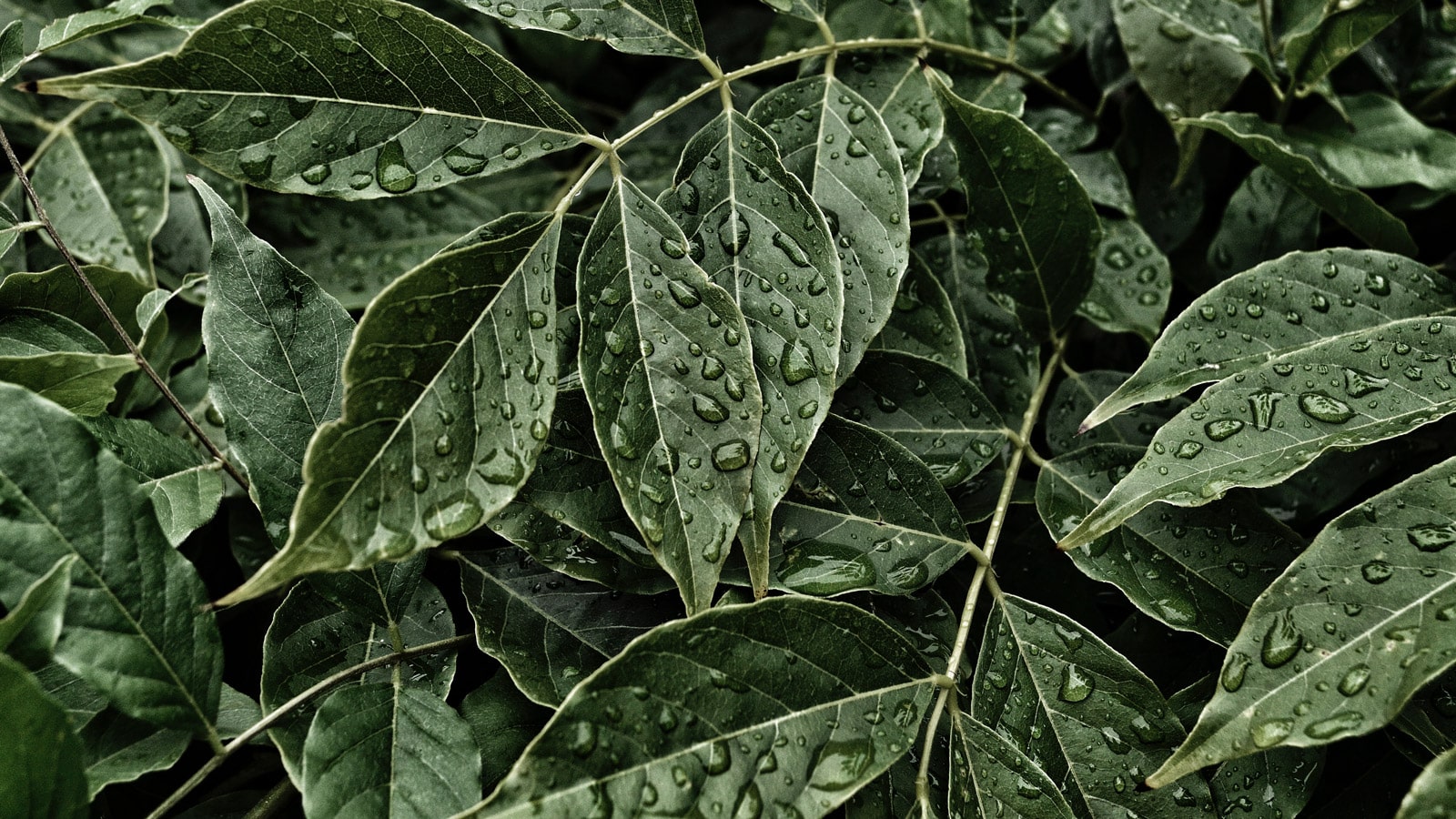
Dandelion herb usually refers to Taraxacum officinale, the common dandelion seen in lawns, fields, and along paths. It has jagged leaves, a hollow stem, and a sunny flower that later turns into a seed head. Many people know it as a weed. Herbalists and cooks know it as a useful plant with several edible parts.
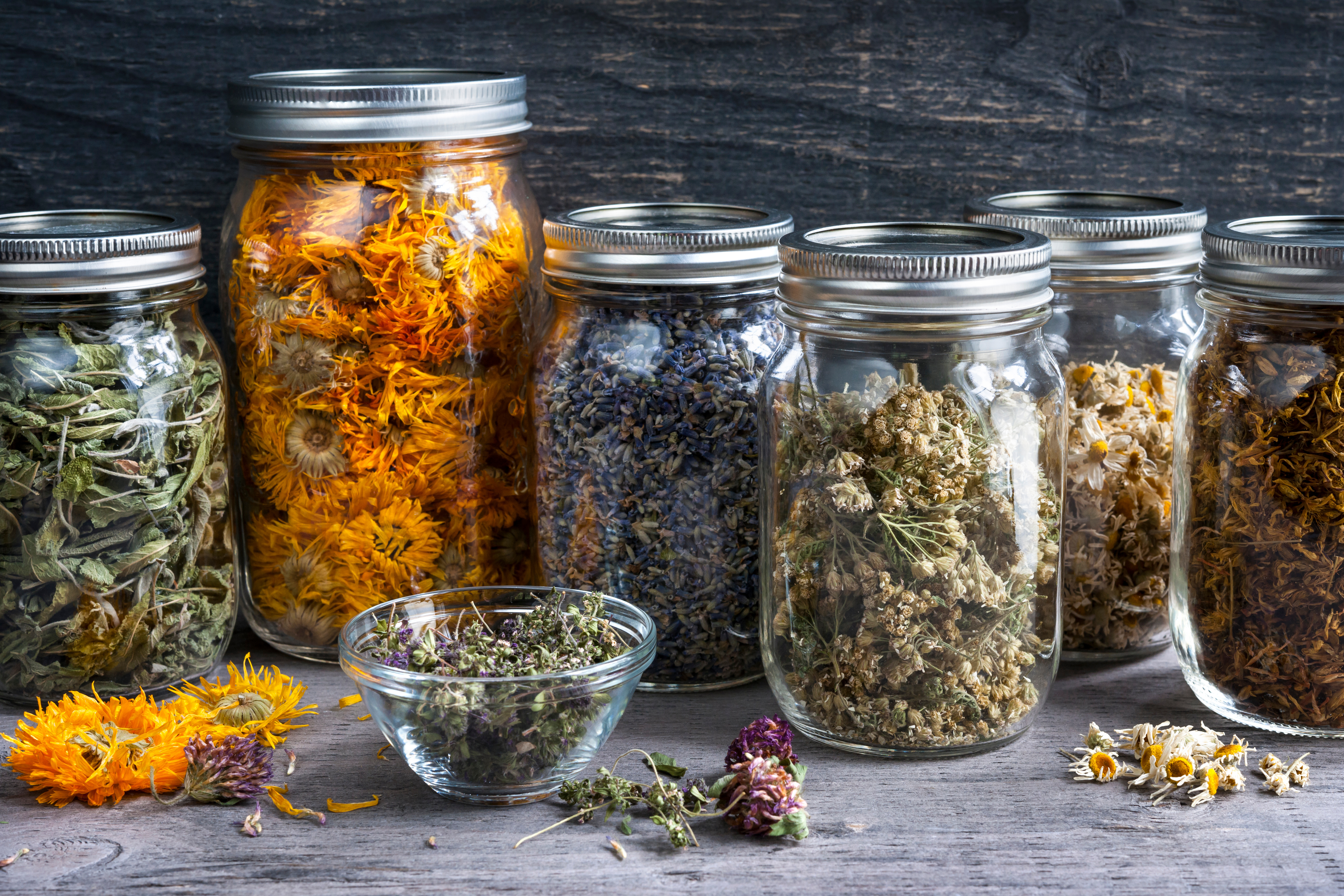
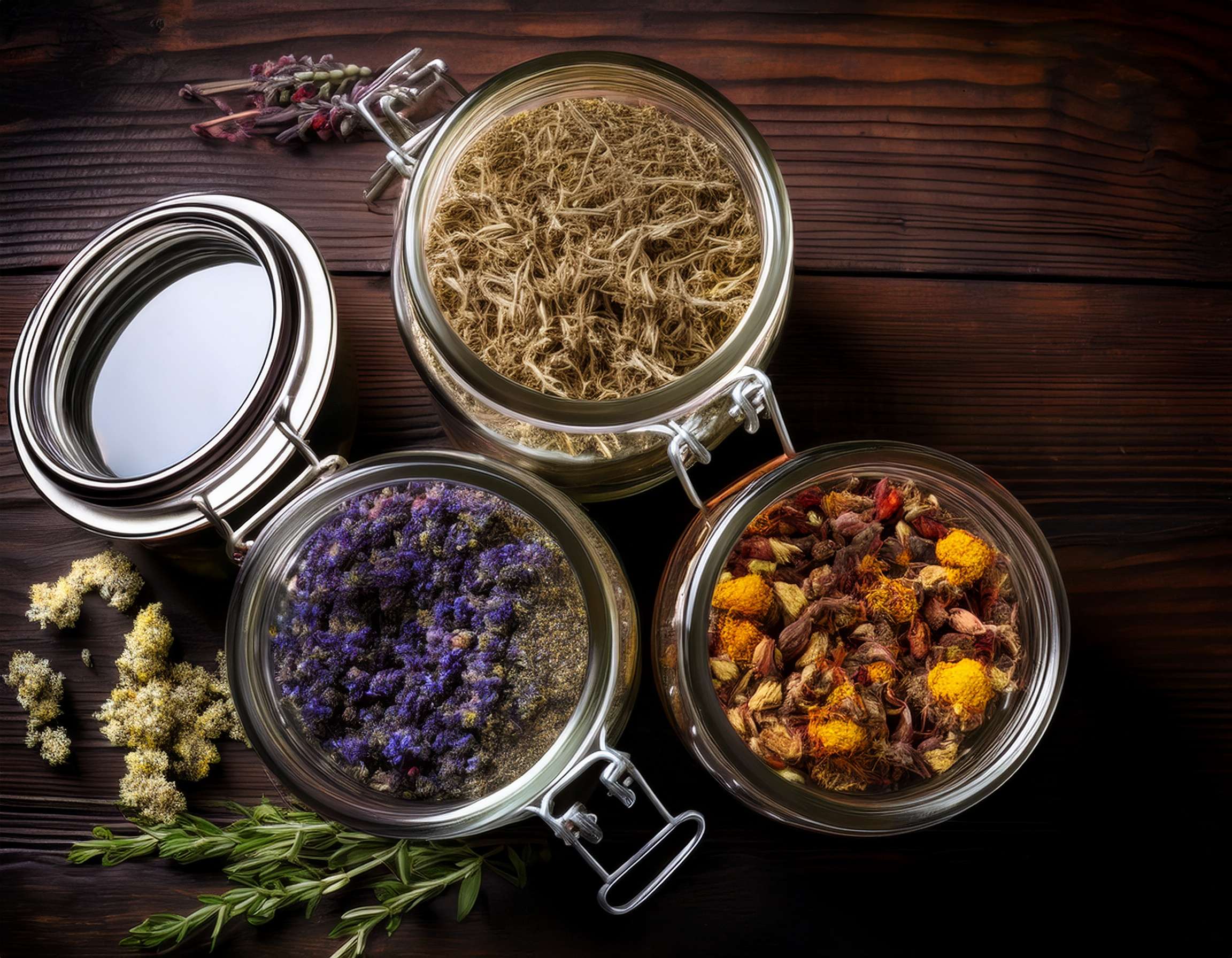
The whole plant has a place in traditional use. Young leaves often go into salads or tea blends. Roots are dried, chopped, steeped, or roasted. Flowers may be used in syrups, infused oils, or simple homemade projects. In other words, dandelion is like a small pantry hiding in plain sight.
What makes it interesting is how flexible it is. Some herbs are all leaf or all flower. Dandelion offers more than one entry point, so people can choose the part that best fits their taste and routine.
Leaves, roots, and flowers each bring something different
The leaves are the part most people eat first. Young leaves are tender enough for salads, while older leaves taste more bitter and work better cooked or steeped as tea. You may also see dried leaf sold in loose herbal blends.
The roots feel more grounding. Sellers often offer them cut and sifted, powdered, or roasted. Dandelion root tea has a deeper flavor, and roasted root is sometimes used as a caffeine-free coffee-style drink.
The flowers are softer in taste and mood. They show up less often in stores, but you may see them in craft-style herbal kits, infused oils, syrups, or DIY recipes. Their bright color alone makes them appealing.
How dandelion tastes in tea, food, and herbal blends
Taste depends on the part of the plant and how it’s prepared. The leaves taste green, fresh, and slightly bitter. That bitterness is part of why some people enjoy them before meals.
Roots taste earthy and fuller. Once roasted, they can seem nutty or almost toasted. They don’t taste like coffee, but they do have that warm, dark note many people like in a mug.
Flowers are milder and a bit softer on the palate. They don’t carry the same strong bitter edge as the leaves. As a result, they fit better in gentle DIY recipes or sweet preparations.
The same plant can taste like salad greens, a bitter tonic, or a roasted cup, depending on which part you use.
Potential benefits of dandelion herb, and what the research really suggests
Dandelion contains plant compounds, minerals, and bitter elements that have made it a long-used herb in folk practice. That history matters, but it doesn’t replace solid medical proof. Traditional use tells us how people have worked with the plant. Research helps show where those uses may make sense and where claims go too far.
So far, dandelion looks promising as a general wellness herb. It may support normal digestion, appetite, and fluid balance for some people. It also contains antioxidant compounds, which are found in many plant foods and herbs. Still, most research on dandelion is early, limited, or based on lab and animal work rather than large human trials.
That means balance matters. Dandelion may be a helpful part of a wellness routine, but it shouldn’t be treated like a fix for disease.
Why many people use dandelion for digestion and gentle daily support
Bitters have a long place in herbal practice, and dandelion fits that group well. Bitter herbs are often used before or after meals because they may support the body’s normal digestive responses. For some people, that means a better appetite or a more settled feeling after eating.
Dandelion is also often used for gentle fluid support. Some people drink leaf tea when they want a light, everyday herb that doesn’t feel heavy. If you’re interested in other soothing brews for the stomach, these top herbal teas for bloating and digestion can round out a tea shelf nicely.
The key is to keep expectations grounded. Dandelion may support daily comfort, but it doesn’t replace care for ongoing digestive trouble.
Nutrients and plant compounds found in dandelion
Dandelion offers more than bitterness. Fresh leaves can provide nutrients such as vitamin K, along with some vitamin A and vitamin C. The root contains compounds that vary by season and preparation, including bitter substances and some fiber, such as inulin.
It also contains antioxidants, though amounts change by plant part and how it’s dried or brewed. Think of dandelion less as a miracle herb and more as a useful, nutrient-rich plant with a long record of everyday use.
Simple ways to use dandelion herb at home
The easiest way to try dandelion is to treat it like a kitchen herb, not a big event. A mug of tea, a few leaves in a salad, or a small homemade project can tell you a lot. Many people do best when they start simple and stay consistent.
Quality matters here. If you’re buying dried dandelion, choose a trusted seller with clear labeling. If you’re foraging, use only clean, correctly identified plants from safe areas. A pretty patch beside a busy road may look harmless, but it can carry pesticides or pollutants.
Dandelion tea, tincture, capsules, and fresh greens
Tea is the most approachable form. Leaf tea feels lighter and greener, while root tea tastes darker and earthier. Roasted root tea works well for people who want a cozy, caffeine-free drink.
Tinctures are liquid extracts. They suit people who want a quick, concentrated form without brewing tea. Because tinctures are stronger and more direct, it’s smart to read product labels carefully.
Capsules offer convenience and no herbal taste. That’s useful if bitterness puts you off. Still, capsules remove some of the ritual and sensory clues that help you notice how an herb feels in your body.
Fresh greens are the food-first option. Young leaves can be added to salads, soups, or sautés. If you enjoy relaxed tea rituals, you may also like these 10 soothing herbal teas for anxiety relief, especially for evening routines.
Easy kitchen and DIY ideas for leaves, roots, and flowers
Young leaves can be mixed with milder greens so the bitterness doesn’t take over the plate. A handful in a spring salad works better than a whole bowl for most people.
Roasted root tea is another easy place to begin. It has a deep, cozy smell that feels right on cool mornings. Some people sip it plain, while others blend it with cinnamon or a little milk.
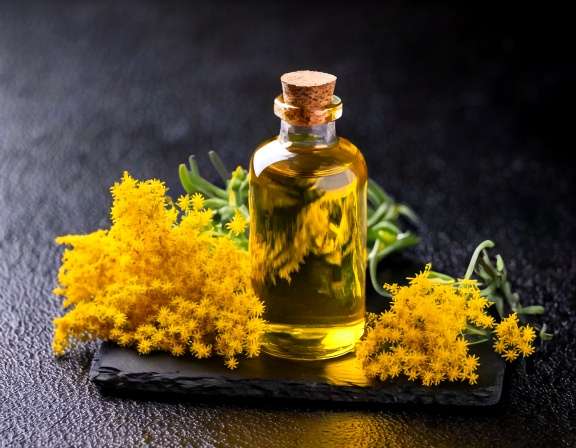
Flowers invite simple projects. You might infuse them in oil for a homemade body-care blend or simmer them into a basic syrup. Keep those projects clean and simple, and always use properly identified plants.
Who should use caution before trying dandelion herb
Dandelion is gentle for many people, but not for all. If your body tends to react strongly to herbs, bitter foods, or plant pollens, slow down before adding it to your routine.
People with allergies to plants in the daisy family may be more likely to react. That family includes ragweed, chamomile, marigold, and others. In addition, dandelion may not suit people with gallbladder trouble, kidney concerns, stomach irritation, or certain digestive conditions.
Medicines matter too. Dandelion may not mix well with some drugs, including diuretics, lithium, and medicines related to blood sugar. Fresh leaves also contain vitamin K, so anyone managing blood-thinner use should ask a healthcare professional before making it a regular food.
Possible side effects, interactions, and allergy concerns
Most side effects are mild, but they still count. Some people notice an upset stomach, heartburn, loose stools, or more trips to the bathroom. If the herb doesn’t agree with you, your body usually says so pretty quickly.
Skin contact with the plant may also bother sensitive people. That can show up as itching, redness, or a rash. If you have a history of plant allergies, patch testing or extra caution makes sense.
If you’re pregnant, nursing, taking medication, or managing a health condition, talk with a qualified healthcare professional before using dandelion regularly.
Foraging and product quality tips that help you stay safe
Foraging sounds simple, but it asks for care. Dandelions growing by roadsides, parking lots, treated lawns, or old industrial areas aren’t good choices. Plants pull from their surroundings, and clean soil matters.
Proper plant ID matters just as much. Several yellow flowers look similar from a distance. If you aren’t fully sure what you’re picking, don’t use it.
Store-bought herbs can be easier for beginners. Look for clear product names, the plant part used, and a seller with a good reputation. Organic can be helpful, but clear sourcing and good handling matter just as much.
Dandelion herb is more than a yard weed. It’s a long-used plant with practical uses in teas, foods, and simple wellness habits. Start small, choose good-quality herbs, and pay attention to how your body responds. With that grounded approach, dandelion can earn a modest, useful place in everyday herbal living.
Stay Connected for More Natural Living Inspiration
If you enjoyed this post about herbal wellness and love discovering natural ways to refresh your home and wellness, don’t miss out on future recipes and clean-living tips! Subscribe to the blog for weekly DIYs, wellness inspiration, and herbal remedies delivered straight to your inbox.
Don’t forget to visit my Amazon storefront for the links to my favorite essential oils, herbal teas, and natural recipes. I also create YouTube ambiance videos for sleeping; a channel I created to help people who have trouble sleeping. The link to all social media content is here.
Thanks for coming by!
Leave a Reply