
(DISCLAIMER: I am not a doctor, and you should consult your healthcare professional before starting any health regimen.)

Key Takeaways
- Tea tree’s scent can feel crisp and clearing, which may help you reset.
- Aromatherapy works through smell and the brain’s emotion and memory centers.
- Tea tree often feels more “focus-forward” than “sleepy,” especially alone.
- Small doses and short sessions usually feel better than heavy, all-day use.
- Blending tea tree with softer oils can make it more calming.
- It’s not a treatment for anxiety or depression, but it can support a calmer routine.
It’s 3:17 p.m., your inbox is loud, your shoulders are up near your ears, and your brain keeps replaying the same three thoughts like a stuck song. In moments like that, a scent can feel like a light switch. Tea tree essential oil is best known for skin and cleaning, but some people also use it for mood support through simple aromatherapy routines, especially when they want a “fresh reset” feeling.
Tea tree oil isn’t a cure for anxiety or depression, and it shouldn’t replace professional care. Safety matters: never ingest essential oils, dilute for skin use, and keep oils away from pets and kids.
How tea tree scent may support mood and stress in everyday life
Stress support doesn’t always look like a big self-care plan. Sometimes it’s a tiny pause that helps your nervous system stop “revving” for a minute. Scent can be that pause because it’s fast. You smell something, and your brain reacts before you’ve even had time to form an opinion about it.
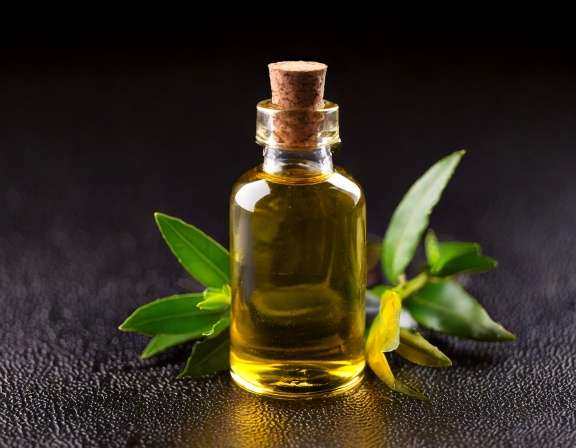
Tea tree essential oil (from Melaleuca alternifolia) has a sharp, herbal, slightly medicinal aroma. People often describe it as clean, cool, and clarifying. That doesn’t mean it magically erases stress. It can mean it helps you feel like you’ve opened a window in a stuffy room, even if the “room” is your head.
A helpful way to think about it is this: scent can act like a mental cue. Just like putting on sneakers can tell your brain “we’re about to move,” turning on a diffuser can tell your brain “we’re shifting gears.” If tea tree is part of that cue, the smell itself becomes tied to your reset moment.
And because stress is personal, scent response is personal too. Some people find tea tree too intense, especially when they’re already on edge. Others love it because it feels crisp and straightforward. The goal is to pay attention to your body’s reaction and use the oil as a gentle tool, not a test of willpower.
If mental fog is part of your stress, you might also like exploring other oils that people use for concentration. This guide on essential oils for focus and mental clarity can help you compare tea tree’s vibe with options like rosemary or peppermint.
The scent-to-brain connection, why aromatherapy can feel calming
When you inhale an aroma, scent signals travel through your nose to parts of the brain that link closely to emotion and memory. That’s one reason a smell can change your mood so quickly. You’re not “thinking” your way into a reaction, your body is responding first, and your thoughts catch up later.
This can feel calming in a practical way. Stress often stacks small triggers: noise, clutter, stale air, too many tabs open, not enough breaks. A fresh scent can become a reset button because it interrupts the stack. It gives you something simple to focus on for a few breaths.
Tea tree can also feel “clean” to many people, and that clean association can matter. If your brain connects that smell with fresh sheets, a tidy room, or post-shower air, you may feel more steady for a moment. It’s like rinsing a cup before you refill it.
Quick example: during an afternoon slump, run a diffuser for 20 minutes while you clear your desk and drink water. The scent becomes part of the routine, and your brain starts to link tea tree with “reset time,” not just “I’m stressed.”
What tea tree is good at, focus, freshness, and a clean-air vibe
Tea tree’s strength (for mood routines) is that it often feels direct and clarifying. If lavender is soft and pillow-like, and citrus is bright and sunny, tea tree is more like cool, brisk air. That can be exactly what you want when you feel mentally sticky.
Here’s what many people report, in plain terms:
- Sharper focus feel when they’re scattered
- A “fresh room” sensation that makes deep breathing easier
- A mental clean-slate cue when they’re irritated or tense
At the same time, it’s not everyone’s comfort scent. If you’re craving cozy, tea tree on its own might feel too clinical. That’s why blending matters. When you pair it with lavender, cedarwood, or a gentle citrus, tea tree keeps its clean edge but stops shouting.
Also keep expectations realistic. Aromatherapy is about perception and routine. Your nervous system still needs basics like sleep, food, movement, and support. Tea tree can fit into that bigger picture as a small, repeatable signal that helps you slow down.
Best ways to use tea tree oil for calmer routines (without overdoing it)
With tea tree, more isn’t better. Too much can feel intense, and intensity is not what most people want when they’re trying to unwind. The sweet spot is usually low drops, short sessions, and a plan that feels easy enough to repeat on a normal Tuesday.
Think of tea tree like strong coffee. A little can feel helpful. A lot can make you jittery. If you’ve ever over-diffused an oil and ended up with a headache, you already know the lesson.
Start by choosing a “moment” in your day where stress shows up most. For many people, it’s one of these:
- The start of a work block (focus and boundaries)
- Right after work (switching out of work mode)
- During cleaning (turning chores into a mini ritual)
- Before bed (not for sedation, but to clear the air and mind)
Tea tree also pairs well with routines that already have sensory cues, like warm showers, fresh sheets, or a wiped-down kitchen counter. When you combine scent with an action, you create a stronger signal to your brain that it’s safe to shift gears.
If tea tree is already part of your home cleaning habits, you might enjoy connecting those dots with antibacterial essential oils for cleaning so your “clean-air vibe” routine stays safe, simple, and not overloaded with too many strong oils at once.
Diffuser ideas for work stress and mental clutter
Diffusing is the easiest way to use tea tree for mood support because it avoids skin sensitivity and lets you control intensity. Keep it light, especially in smaller rooms.
Try one of these blends (for a standard water diffuser):
- Clean Focus Blend: 2 drops tea tree + 3 drops lavender
- Fresh Reset Blend: 2 drops tea tree + 2 drops sweet orange + 1 drop cedarwood
- Clear Head Blend: 1 drop tea tree + 3 drops lemon + 1 drop frankincense
Timing matters. Run your diffuser 15 to 30 minutes, then turn it off and take a break. If you keep it going for hours, the scent can start to feel cloying, and some people get headaches.
A few practical tips that make a difference:
- Use it in a well-ventilated room, especially if the aroma feels strong.
- Keep drops low at first, you can always add one more next time.
- If your mood feels edgy after diffusing, switch to a softer blend (more lavender, less tea tree).
Tea tree can be a great “start work” cue. It’s like flipping on bright kitchen lights. It doesn’t lull you, it helps you show up.
Roll-on blends for on-the-go stress support (safe dilution basics)
A roll-on is nice when you want support without scenting the whole house. It also helps you keep dosage steady, which matters with tea tree.
For daily use, a simple rule is 1 percent dilution, which means about 3 drops of essential oil per 10 ml of carrier oil. If you have sensitive skin, go lower.
Good carrier oils for roll-ons:
- Jojoba oil (light, long shelf life)
- Fractionated coconut oil (clear, smooth feel)
- Sweet almond oil (nice glide, avoid if you have nut allergies)
Where to apply: wrists, back of the neck, or behind the ears (not too close to hairline if you’re sensitive). Avoid eyes, nostrils, and broken skin.
Easy roll-on recipe (10 ml bottle):
- 2 drops Tea Tree Essential Oil
- 4 drops Lavender Essential Oil
- Fill the rest with carrier oil
Shake gently, then do a patch test on your inner arm. If redness, itching, or burning shows up, wash it off and don’t use it.
Tea tree also shows up in many “natural first aid” routines, which can make it feel like a practical, reassuring oil to keep around. If that’s your style, this post on essential oils for a natural first aid kit is a helpful next read.
Shower and steam routines for a quick reset
If your stress sits in your chest, a warm shower plus a crisp scent can feel grounding fast. The goal isn’t to blast your senses. It’s to slow your breathing and give your body a clean, steady signal.
Two safer options:
- Shower steamer method: Add 1 to 2 drops of tea tree to a shower steamer tablet (or a damp washcloth placed on the shower floor, away from direct water stream).
- Bowl steam method: Add 1 drop of tea tree to a bowl of hot water, sit back, and breathe normally. Keep your face back from the steam, and stop if you feel irritated.
A simple 5-minute mini routine:
- Start the shower and let the room warm up for 60 seconds.
- Place the steamer or cloth on the floor, then take 6 slow breaths.
- As you rinse, mentally name three things you’re done carrying today.
It’s small, but it can break the loop of racing thoughts. And because it’s tied to something you already do, it’s easier to repeat.
Safety, who should be careful, and how to pick a good tea tree oil
Tea tree is a strong oil. Used the right way, it can be a helpful part of your routine. Used the wrong way, it can cause irritation, headaches, or just make you feel worse, which is the opposite of stress support.
If you’re pregnant, nursing, have asthma, have a seizure disorder, or you’re using oils around children, it’s smart to check with a qualified professional first. And if you have ongoing anxiety, panic, or low mood, it’s also smart to talk with a healthcare provider. Aromatherapy can sit beside real support, not replace it.
Quality also matters more than people think. A harsh-smelling tea tree oil can feel abrasive, and if it’s old or poorly stored, it can be more likely to irritate skin. Buying a decent bottle and storing it well usually saves you trouble later.
Common safety mistakes that can make stress worse
These are the slip-ups that often lead to “I tried it and hated it” stories:
- Never ingest tea tree oil. It can be toxic if swallowed.
- Don’t apply it neat (undiluted) to skin, it can burn or trigger a rash.
- Don’t diffuse all day. Short sessions are usually enough.
- Keep oils away from kids and pets, especially cats (many oils can be risky for them).
- Stop if you feel nauseated, dizzy, or get a headache. Fresh air and water help.
- Watch for skin irritation or allergy. Patch testing isn’t optional if you’re new to an oil.
If you’re using tea tree to support a calmer mood, comfort is the point. If the scent feels too sharp, blend it or switch oils. Your body’s feedback matters more than a recipe.
What to look for on the label so you get the real thing
A good tea tree oil usually lists the botanical name clearly: Melaleuca alternifolia. That’s your first quality check.
Other label and packaging signs that help:
- A dark glass bottle (amber or cobalt) to protect the oil from light
- A batch or lot number, which suggests the brand tracks sourcing
- An expiration date (or at least a clear “best by” window)
- A scent that’s fresh, herbal, and medicinal, not sweet or perfumey
Once you bring it home, store it with care. Keep the cap tight, and store it away from heat and sunlight (a cool cabinet is fine). Old, oxidized oils are more likely to irritate skin, and irritation is not relaxing.
Conclusion
Tea tree oil won’t fix stress on its own, but its crisp, clean scent can support a calmer routine, especially when you use it as a short reset cue. For many people, it feels fresh and clearing, which can help when the day feels mentally crowded. Blending it with softer oils like lavender can keep the clarity without the intensity.
Start small: a 20-minute diffuser session, a gently diluted roll-on, or a quick shower steamer routine. Notice how you feel, and adjust based on your body’s feedback. And if stress is constant, prioritize sleep, movement, and real support alongside any aromatherapy habit.
What’s your go-to calming blend or routine right now? Share it in the comments so others can try it, too.
Stay Connected for More Natural Living Inspiration
If you enjoyed this post about herbal wellness and love discovering natural ways to refresh your home and wellness, don’t miss out on future recipes and clean-living tips! Subscribe to the blog for weekly DIYs, wellness inspiration, and herbal remedies delivered straight to your inbox.
Don’t forget to visit my Amazon storefront for the links to my favorite essential oils, herbal teas, and natural recipes. I also create YouTube ambiance videos for sleeping; a channel I created to help people who have trouble sleeping. The link to all social media content is here.
Thanks for coming by!

Leave a Reply