
(DISCLAIMER: I am not a doctor, and you should consult your healthcare professional before starting any health regimen. Product links are commissioned and supports the blog)

Key Takeaways
- Ylang ylang essential oil has a sweet floral scent that many people find calming.
- Start small in a diffuser, this oil can feel intense fast and can trigger headaches if you overdo it.
- Pair ylang ylang with citrus, lavender, or frankincense for a softer, steadier vibe.
- Headaches are often about the setup, poor ventilation, too many drops, and scent overload matter.
- For skin use, dilute well, patch test, and keep blends away from eyes and mucous membranes.
Some days feel like your brain has 27 tabs open, and every single one is making noise. On high-stress days, the right scent can act like a gentle cue to unclench your jaw, drop your shoulders, and breathe like you mean it.
That’s where ylang ylang essential oil often shines. It’s not “instant calm in a bottle,” but it can help set the tone, especially when you use it lightly and pair it with oils that keep it balanced. This guide covers how to use it on stressful days, diffuser blends that don’t overwhelm the room, common headache triggers, and simple dilution rules that help you stay on the safe side.
Why ylang ylang can feel helpful when stress is running the show
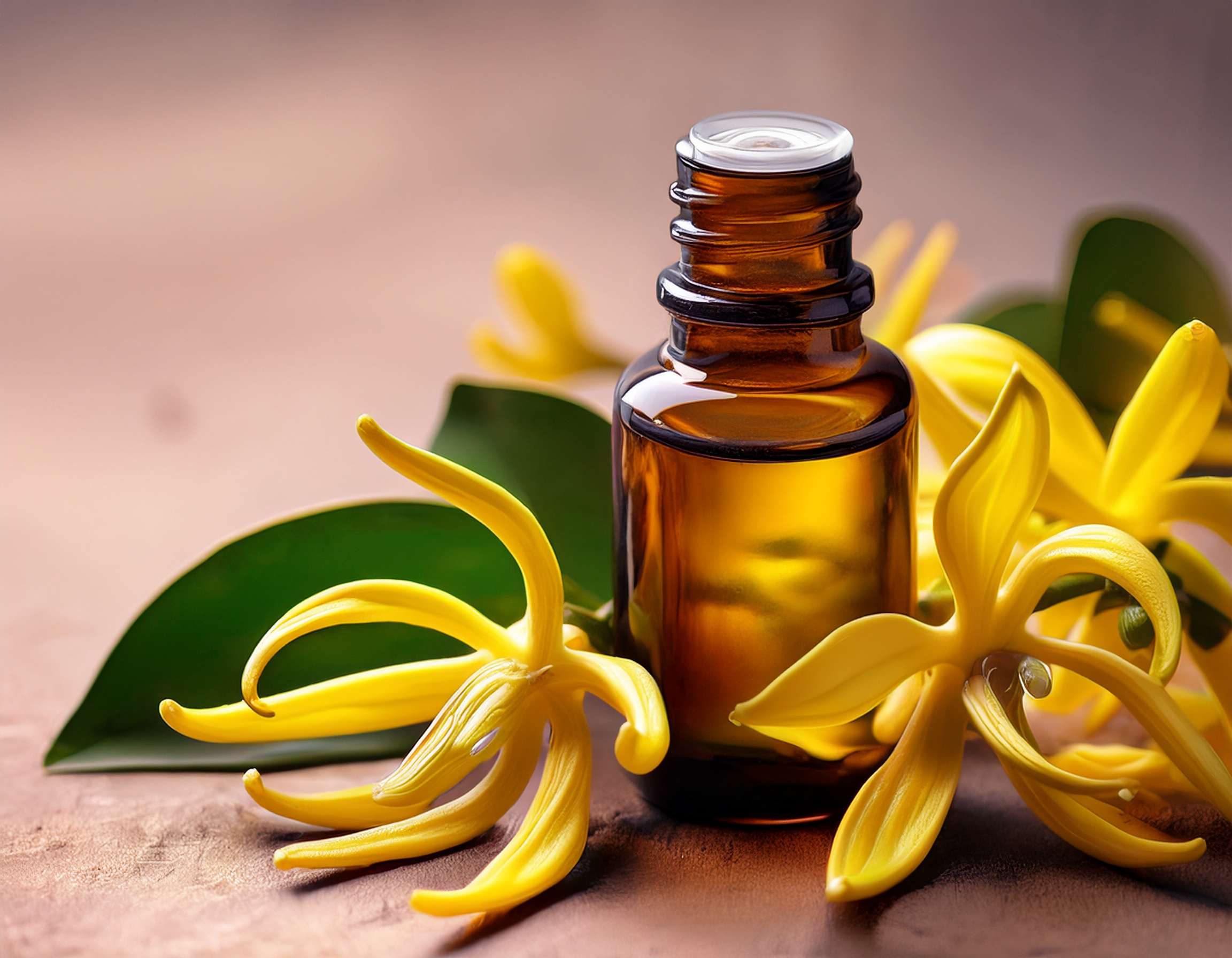
Ylang ylang smells lush, sweet, and floral, like walking past a tree that’s blooming a little too confidently. That strong personality is exactly why some people love it and others need it in tiny amounts.
On high-stress days, scent works like background music for your nervous system. You might not “think” your way into calm, but your body can respond to repeated cues, like a familiar aroma during a slow evening routine. Ylang ylang is often used in aromatherapy for relaxing vibes, winding down, and easing tension that shows up as restlessness.
It’s also one of those oils that can feel almost heavy if you use too much. If stress has you feeling wired, heavy florals can either be comforting or too much, kind of like putting on a thick sweater when you’re already overheated. The trick is to treat ylang ylang like salt, a little changes everything.
If you like seeing what research does and doesn’t say, this evidence summary on ylang ylang oil is a helpful reality check. Aromatherapy studies can be mixed, and personal response matters a lot. Your best guide is how you feel after a few short sessions, not how many drops you can tolerate.
Diffuser blends for high-stress days (calm without the scent overload)
With ylang ylang, less usually works better. A good goal is a blend that smells pleasant from a few feet away, not one that clings to your throat. If you walk into the room and it hits you like perfume, it’s probably too strong.
A few practical diffuser habits help right away:
- Diffuse for 20 to 30 minutes, then take a break.
- Keep a door cracked or a window slightly open if the room is small.
- Start with 1 drop of ylang ylang, then adjust next time.
Here are three blends that tend to feel steady on stressful days (drop counts are for a typical ultrasonic diffuser, scale down for small rooms):
- Soft landing (evening decompression): 1 drop ylang ylang, 2 drops lavender, 2 drops sweet orange
- Clear and calm (workday reset): 1 drop ylang ylang, 2 drops bergamot, 1 drop frankincense
- Bright but grounded (mood lift): 1 drop ylang ylang, 2 drops grapefruit, 1 drop cedarwood
If you’re trying to stay focused while stress is buzzing in the background, it can help to pair calming oils with more “clear-headed” ones. This list of essential oils for mental clarity is a great menu for picking a supporting oil (rosemary, lemon, and peppermint are common favorites, but peppermint can be a headache trigger for some people).
One more note: ylang ylang’s floral note can dominate blends. If you want it to stay in the background, keep it at one-third or less of the total drops.
Headache triggers and safe dilution (so ylang ylang stays a comfort, not a culprit)
Headaches linked to essential oils usually come from “too much, too long, too close.” Ylang ylang is a common offender simply because it’s potent and perfume-like.
Common headache triggers with ylang ylang oil
If diffusing gives you a headache, it doesn’t always mean the oil “doesn’t work for you.” It might just mean the conditions are wrong.
Watch for these patterns:
- Over-diffusing: running it for hours makes scent fatigue real, and it can turn into nausea or pressure.
- Too many drops: more drops do not equal more benefit, they often equal a pounding forehead.
- Poor ventilation: a small closed room concentrates the aroma fast.
- Layering scents: candles, laundry fragrance, cleaning spray, and then diffuser oil can overload your senses.
- Low-quality or old oil: oxidation can make oils harsher over time.
If what you’re feeling is sinus pressure or congestion, the approach is different than “stress-head tension.” This DIY sinus decongestant diffuser blend can be a better fit for those head-cold days, and it’s a good reminder to match the blend to the real trigger.
If you want more background on traditional uses and plant compounds, this open-access review, Traditional uses and bioactivities of Cananga odorata (ylang ylang), is a solid reference.
Safe dilution for skin use (roll-ons, pulse points, and “stress perfume”)
Ylang ylang is one oil I don’t recommend using neat (undiluted). For most adults, a 1 percent dilution is a comfortable place to start for a leave-on blend.
A simple way to think about it:
- 1 percent: about 1 drop essential oil per 1 teaspoon (5 ml) carrier oil
- 2 percent: about 2 drops per 1 teaspoon (5 ml)
For a quick roll-on, you can blend ylang ylang with a carrier like jojoba or fractionated coconut oil. Apply to wrists or upper chest, then wait. Give it 20 minutes before adding more. This oil tends to “bloom” as it warms on skin.
Safety basics matter here:
- Patch test first.
- Keep away from eyes and sensitive areas.
- Be extra cautious with pregnancy, kids, asthma, migraines, and pets.
For general guidance on essential oil use and precautions, Young Living’s safety education page is a decent starting point, even if you don’t buy oils there.
Conclusion
On high-stress days, ylang ylang essential oil can be a small, helpful cue that tells your body it’s safe to slow down. Keep the dose light, diffuse in short sessions, and treat headaches as useful feedback about ventilation, intensity, and timing. If you want to make it part of a daily routine, start with a gentle diffuser blend, then try a properly diluted roll-on that feels like comfort instead of perfume.

Leave a Reply