
(DISCLAIMER: I am not a doctor, and you should consult your healthcare professional before starting any health regimen. Product links are commissioned and supports the blog)

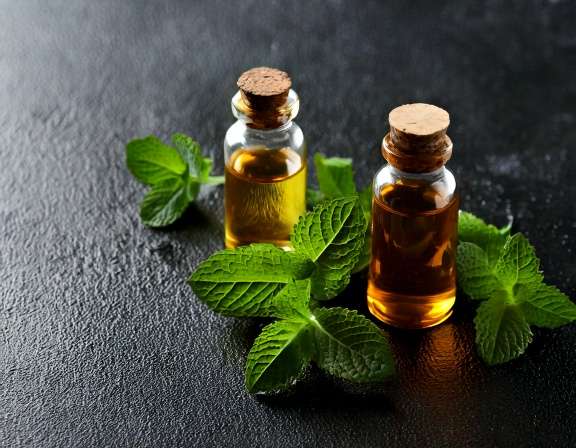
The clean scent of spearmint essential oil feels like a cool breeze through a sunny herb garden. Its mint aroma is fresh but gentle, which makes it appealing to people who find peppermint too sharp or intense.
Health-conscious readers often use spearmint oil in diffusers, personal inhalers, diluted roller blends, and simple home sprays. Still, essential oils are concentrated products, not substitutes for medical care. Their most dependable benefits are sensory and routine-based, while stronger health claims need better evidence. Before using a bottle, learn what it contains, how to dilute it, and when to avoid it.
Key Takeaways
- Spearmint oil has a softer, sweeter mint aroma than peppermint.
- Common uses include short diffusion sessions and diluted topical application.
- A carrier oil is necessary for skin use, and about 1 percent dilution is a cautious starting point for many adults.
- Traditional aromatherapy use is not the same as strong clinical evidence.
- Choose a clearly labeled product made from Mentha spicata.
- Don’t swallow essential oils unless a qualified medical professional directs you to do so.
Spearmint Essential Oil: What It Is and How It Differs From Peppermint
Spearmint essential oil comes from the leaves and flowering tops of Mentha spicata, the plant commonly known as spearmint. Producers usually extract the aromatic compounds through steam distillation. The result is a concentrated oil with a bright herbal scent and a sweet quality that often feels less forceful than peppermint.
One naturally occurring compound associated with spearmint is carvone. Peppermint contains more menthol, which helps give it a sharper smell and a stronger cooling sensation on the skin. Spearmint usually has a rounder aroma, so some people prefer it for shared rooms, personal inhalers, or daytime routines.
| Feature | Spearmint | Peppermint |
|---|---|---|
| Botanical name | Mentha spicata | Mentha x piperita |
| Main scent impression | Sweet, soft, fresh mint | Sharp, intense, cooling mint |
| Common aromatic compound | Carvone | Menthol |
| Typical preference | Gentle room fragrance | Stronger mint presence |
These differences don’t make one oil universally better. Scent preference depends on your sensitivity, surroundings, and purpose. A small amount of spearmint may feel pleasant in a bedroom or office, while peppermint may suit someone who wants a more pronounced mint aroma.
Neither oil should be treated as a cure for pain, infection, digestive disease, breathing problems, or other medical conditions. A bottle’s plant origin also doesn’t remove the need for careful handling. Concentrated natural products can irritate skin and airways when used incorrectly.
What Are the Potential Benefits of Spearmint Essential Oil?
The realistic benefits of spearmint oil begin with the senses. Inhaling the aroma may make a room feel fresher, support a pleasant self-care ritual, or help you create a calm and focused setting. Some people enjoy its crisp scent during morning routines, desk work, stretching, or quiet evening activities.
Research on spearmint essential oil itself remains limited. Findings from spearmint tea, capsules, or plant extracts don’t automatically apply to the distilled oil. The preparation, dose, route of use, and compounds reaching the body are different.
That distinction matters when you see claims about hormones, headaches, infections, digestion, or other health conditions. A study involving spearmint tea cannot prove that inhaling the oil produces the same result. Likewise, traditional use can guide personal routines, but it isn’t proof that the oil treats a disease.
Individual responses vary. A scent that feels refreshing to one person may cause nausea or coughing in another. Persistent pain, stomach symptoms, breathing changes, sleep problems, or mood concerns deserve professional medical advice rather than repeated essential oil use.
How Aromatherapy May Support Mood and Focus
A diffuser can add a clean mint note to a ventilated room. Use the water amount recommended by the device, then run it for a short session rather than filling the air for hours. A personal inhaler offers a more controlled option, especially when you don’t want to scent an entire room. These essential oil inhaler recipes can help you plan a portable blend without applying oil to your skin.
Stop using the aroma if you develop coughing, dizziness, nausea, headache, or irritation. Fragrance can support a routine, but it doesn’t replace sleep, hydration, food, medical care, or mental health support.
Why Spearmint Tea and Spearmint Oil Should Not Be Treated the Same
Spearmint tea is a diluted beverage made by steeping plant material in water. Essential oil is a highly concentrated aromatic product. Drinking tea and inhaling a drop of oil are different experiences with different safety concerns.
For that reason, don’t use tea research to justify swallowing spearmint oil. A pleasant cup of tea may fit your routine, while an essential oil belongs in carefully considered aromatherapy or properly diluted topical use.
Simple Ways to Use Spearmint Essential Oil at Home
Start with one small batch and keep every container clean, dry, and labeled with the ingredients and date. Skin blends need a patch test before broader use. Avoid preparing mixtures near food, children’s toys, or pet bowls.
Refreshing Spearmint Diffuser Blend
This blend suits a standard home diffuser. Use fewer drops in a small room or around people who are sensitive to fragrance.
Ingredients
- 4 drops spearmint essential oil
- 2 drops sweet orange essential oil
- Water in the amount recommended by your diffuser
Add the oils to the diffuser after filling it with the manufacturer’s recommended amount of water. Run the blend for about 10 to 15 minutes in a ventilated room, then turn the device off. Keep the door open when appropriate, and never treat diffusion as a way to freshen a poorly ventilated space.
Children, pets, and people with scent sensitivity may need to leave the room or avoid diffusion altogether. Check your pet’s veterinary guidance before using any essential oil around animals.
Cooling Spearmint Roller Blend for Wrists or Neck
A 10 mL roller bottle with two total drops of essential oil gives roughly a 1 percent dilution, depending on the dropper and oil density. This blend is for a fresh scent and cooling-feeling self-care, not for treating pain or illness.
Ingredients
- 2 drops spearmint essential oil
- Jojoba oil or fractionated coconut oil
- One clean 10 mL glass roller bottle
Add the spearmint oil to the bottle, then fill it with the carrier oil. Close the roller, gently turn the bottle several times, and label it. Apply a small amount to intact skin on the wrist or the side of the neck. Keep it away from the eyes, lips, face, inner ears, and broken skin.
Patch test the diluted blend on a small area first. Wait and monitor the skin before regular use. Wash the area and stop if burning, redness, itching, or swelling develops.
Fresh Spearmint Room and Linen Spray
Oil and water don’t stay mixed on their own. A solubilizer or alcohol-based ingredient helps disperse the oil, but the bottle still needs a shake before each use.
Ingredients
- 6 drops spearmint essential oil
- 1 teaspoon perfumer’s alcohol or an appropriate solubilizer
- Distilled water
- One clean 1-ounce spray bottle
Add the essential oil and alcohol or solubilizer to the bottle. Fill with distilled water, leaving a little space at the top, then close and shake well. Test the spray on a hidden area before applying it to fabric, since some materials can stain or develop water marks.
Label the bottle with its contents and date. Store it away from heat, children, and pets. Make a small batch, keep it tightly closed, and discard it if the smell, color, or appearance changes. Avoid spraying bedding used by pets or surfaces that may react to alcohol or essential oils.
Spearmint Essential Oil Safety, Dilution, and Buying Tips
Never swallow essential oils unless a qualified medical professional gives you clear, product-specific directions. Don’t apply spearmint oil straight to your skin. Keep it away from the eyes, inner ears, mucous membranes, and damaged skin.
For many adults, about 1 percent dilution is a cautious starting point for topical use. Sensitive skin may need a weaker blend or no topical use at all. Possible reactions include redness, itching, burning, allergic symptoms, coughing, and breathing discomfort. Stop using the product when symptoms appear.
Pregnant or nursing people, young children, older adults, and anyone with asthma, allergies, epilepsy, or an ongoing medical condition should ask a qualified clinician before use. Prescription medicines and scent-triggered symptoms also deserve a professional review.
A reliable label should include:
- The botanical name, Mentha spicata
- The plant part used
- The extraction method
- The country of origin
- Batch or lot information
- Storage guidance and clear quality or testing details
A high price alone doesn’t prove quality. Fragrance oil isn’t the same as essential oil, and a product labeled only “mint oil” doesn’t provide enough information about its source. Choose a seller that identifies the plant and provides basic testing or batch details.
How to Dilute Spearmint Oil for Safer Skin Use
Use jojoba, fractionated coconut, or sweet almond oil as a carrier. For a 10 mL bottle, two drops of spearmint oil provide an approximate 1 percent dilution. Follow the oil brand’s guidance, since drop size and product instructions vary.
Children and sensitive adults need extra care and usually fewer drops. A patch test can show how one small area responds, but it can’t guarantee that a reaction won’t occur later. Monitor the skin each time you use the blend.
When to Avoid Spearmint Oil or Ask a Professional
Ask a qualified professional before using spearmint oil if you are pregnant or breastfeeding, or if you plan to use it around an infant or young child. Get advice before use around pets, especially when a diffuser could fill an enclosed room.
Extra caution is also needed with asthma, scent-triggered breathing problems, known mint allergies, epilepsy, prescription medicines, or use near the eyes. Essential oils can cause harm when misused. Trouble breathing, facial swelling, a severe rash, or accidental swallowing requires prompt professional help.
A Fresh Scent Works Best With Care
Spearmint essential oil is a gentle-smelling choice for cautious aromatherapy and simple self-care. Its clearest benefits are sensory: a fresh room, a pleasant inhalation ritual, or a lightly scented diluted roller blend. Stronger claims need better evidence, especially when they involve medical conditions.
Keep topical blends diluted, avoid ingestion, and use short diffusion sessions in a ventilated room. Choose a clearly labeled Mentha spicata product, then begin with one small recipe and pay attention to how your body responds.
Stay Connected for More Natural Living Inspiration
If you enjoyed this post about herbal wellness and love discovering natural ways to refresh your home and wellness, don’t miss out on future recipes and clean-living tips! Subscribe to the blog for weekly DIYs, wellness inspiration, and herbal remedies delivered straight to your inbox.
Don’t forget to visit my Amazon storefront for the links to my favorite essential oils, herbal teas, and natural recipes. I also create YouTube ambiance videos for sleeping; a channel I created to help people who have trouble sleeping. The link to all social media content is here.
Thanks for coming by!


Leave a Reply