
(DISCLAIMER: I am not a doctor, and you should consult your healthcare professional before starting any health regimen. Product links are commissioned and supports the blog)

Dry skin can feel tight after a wash, flaky by noon, and sore in cold air. A good moisturizer helps, but sometimes your skin wants something a little richer and more soothing.
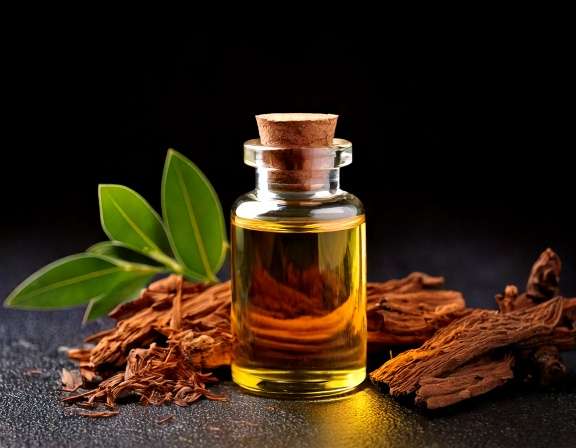
That is where sandalwood essential oil comes in. When it is diluted well, it can fit into a gentle face oil that feels soft, calm, and easy to use.
The quick takeaways below will help you use it well, then you can move into the simple blend and nightly routine.
Key takeaways for using sandalwood essential oil on dry skin
- It can help dry skin feel softer. Sandalwood has a smooth, emollient feel that suits rough or tight skin.
- Always dilute it. Pure essential oil should never go straight on the face.
- Patch testing matters. A small test helps you catch redness, itching, or burning before full use.
- Face oil can lock in moisture. It works best on slightly damp skin, where it helps hold water in place.
- Nighttime is the easiest time to use it. Your skin has hours to rest, settle, and absorb the blend.
What makes sandalwood essential oil helpful for dry skin?
Dry skin needs more than a pretty scent. It needs comfort, slip, and a way to hold onto moisture. Sandalwood oil fits that need because it feels rich without feeling heavy when it is blended well.
Its texture is one reason people reach for it. On rough, weather-beaten skin, that soft glide can make a simple face oil feel more calming right away.
It helps skin hold moisture instead of losing it
Skin feels tight when water escapes too fast. Cold wind, indoor heat, and strong cleansers can all make that worse.
Sandalwood essential oil is often used in blends for dry skin because it helps support a smoother-feeling barrier. In plain terms, it can help your skin keep more of the water it already has. That matters after washing, after a long day outside, or any time your face feels like it has shrunk a little.
It can calm redness and irritation
Dry skin often shows up with more than flakes. It can look pink, sting, or feel irritated after cleansing.
Sandalwood has a soothing reputation for a reason. When skin feels stressed, a calm, steady oil can make your routine feel less harsh. That makes it a useful choice for skin that looks tired, feels sensitive, or reacts to the weather.
Dry skin often needs comfort before it needs more products.
It may help soften the look of fine lines caused by dryness
Dry skin can make fine lines show up faster, especially around the mouth and eyes. When skin is better moisturized, it often looks smoother and a little fuller.
Sandalwood is also discussed for its antioxidant support. That does not mean it erases lines, but it does fit a routine that aims to keep skin looking rested. The effect is simple, skin that feels better often looks better too.
How to use sandalwood essential oil on your face safely
Sandalwood essential oil should never go on the face neat. Facial skin is thin, and pure essential oil can irritate it fast.
For a broader look at facial dilution, the safe essential oil application guide for skin covers the basics well.
A good blend should smell soft, not sharp. If it stings, it is too strong.
Always dilute it with a carrier oil first
A gentle face-safe starting point is 2 to 3 drops of sandalwood essential oil per 1 tablespoon of carrier oil.
Jojoba oil is a strong match for dry skin because it feels light and smooth. Sweet almond oil brings a richer feel. Rosehip oil can also work well if your skin likes a little more cushion.
Mix slowly and keep the blend simple. More drops do not mean better results.
Do a patch test before the first use
Test the finished blend before you put it on your face.
Place a small amount on the inside of your forearm or behind your ear. Wait 24 hours. Watch for redness, itching, burning, or a warm sting that does not fade.
If your skin reacts, wash the area and skip the blend. A short patch test can save you from a much bigger flare-up later.
Use it at night and keep it away from sensitive spots
Night is the easiest time to use a face oil. Your skin has time to settle, and you do not need to rush makeup or sunscreen over it.
Apply the blend after cleansing. Keep it away from your eyes, nostrils, and any broken skin. Use only a few drops, then press them in gently. A thin layer is enough for most faces.
A simple sandalwood face oil blend for dry skin
A dry-skin face oil should feel like a soft blanket, not a shiny coat. This recipe stays simple, low-cost, and easy to make.
Dry skin face oil recipe with jojoba and sandalwood
Ingredients
- 1 tablespoon jojoba oil
- 2 drops sandalwood essential oil
- 1 small glass bottle with a tight lid
Optional add-in
- 1 teaspoon rosehip oil, if your skin likes a little more richness
Steps
- Pour the jojoba oil into the bottle.
- Add the sandalwood essential oil.
- Cap the bottle and roll it gently between your hands.
- If you want a richer blend, add the rosehip oil and mix again.
- Use 2 to 4 drops on slightly damp skin at night.
Keep the bottle in a cool, dark place. Make small batches so the blend stays fresh and easy to use.
A little goes a long way here. The goal is soft skin, not a greasy finish.
How to adjust the blend for extra dry or sensitive skin
If your skin feels very dry, you may want more cushion than scent. Add a little more jojoba oil, or use the rosehip oil only if your skin already likes it.
For sensitive skin, start lower. Use just 1 drop of sandalwood per tablespoon of carrier oil the first time.
Skip extra essential oils until you know how this one feels. A short ingredient list is often the kindest choice for dry, reactive skin.
Best ways to fit face oil into a dry skin routine
A face oil works best when it sits in the right place in your routine. Used well, it helps keep moisture from slipping away after cleansing.
Layer it after cleansing and before bed
Start with a mild cleanser. Pat your skin so it stays slightly damp, not dripping wet.
Next, apply your moisturizer if you use one. Then press a few drops of the sandalwood blend on top. That helps seal in the water left on the skin.
If your skin feels especially parched, use the oil last as a finishing step. The routine stays simple, but the effect can feel much richer.
Pair it with gentle habits that protect dry skin
A good face oil works better when the rest of your routine stays calm too.
- Use a mild cleanser that does not leave your face squeaky.
- Keep water lukewarm instead of hot.
- Pat, don’t rub, when you dry your skin.
- Use the blend regularly, not only when your skin feels rough.
Dry skin likes consistency. A steady routine often does more than a long list of products.
Conclusion
Dry skin often needs the same thing each night, a little moisture, a little comfort, and no extra fuss. Sandalwood essential oil can fit that need when it is diluted well and blended into a simple face oil.
Patch testing, gentle use, and a small batch recipe keep the process safe and easy. If your skin likes calm routines, this blend can become one of those quiet habits that makes your face feel softer by morning.
A few drops on slightly damp skin can go a long way, especially when you make it part of a peaceful nighttime ritual.
Stay Connected for More Natural Living Inspiration
If you enjoyed this post about herbal wellness and love discovering natural ways to refresh your home and wellness, don’t miss out on future recipes and clean-living tips! Subscribe to the blog for weekly DIYs, wellness inspiration, and herbal remedies delivered straight to your inbox.
Don’t forget to visit my Amazon storefront for the links to my favorite essential oils, herbal teas, and natural recipes. I also create YouTube ambiance videos for sleeping; a project I created to help with insomnia symptoms and the second channel, Rooted in Nature YouTube Channel both channels feature herbal recipes for wellness and home. The link to all social media content is here.
Thanks for coming by!



Leave a Reply