
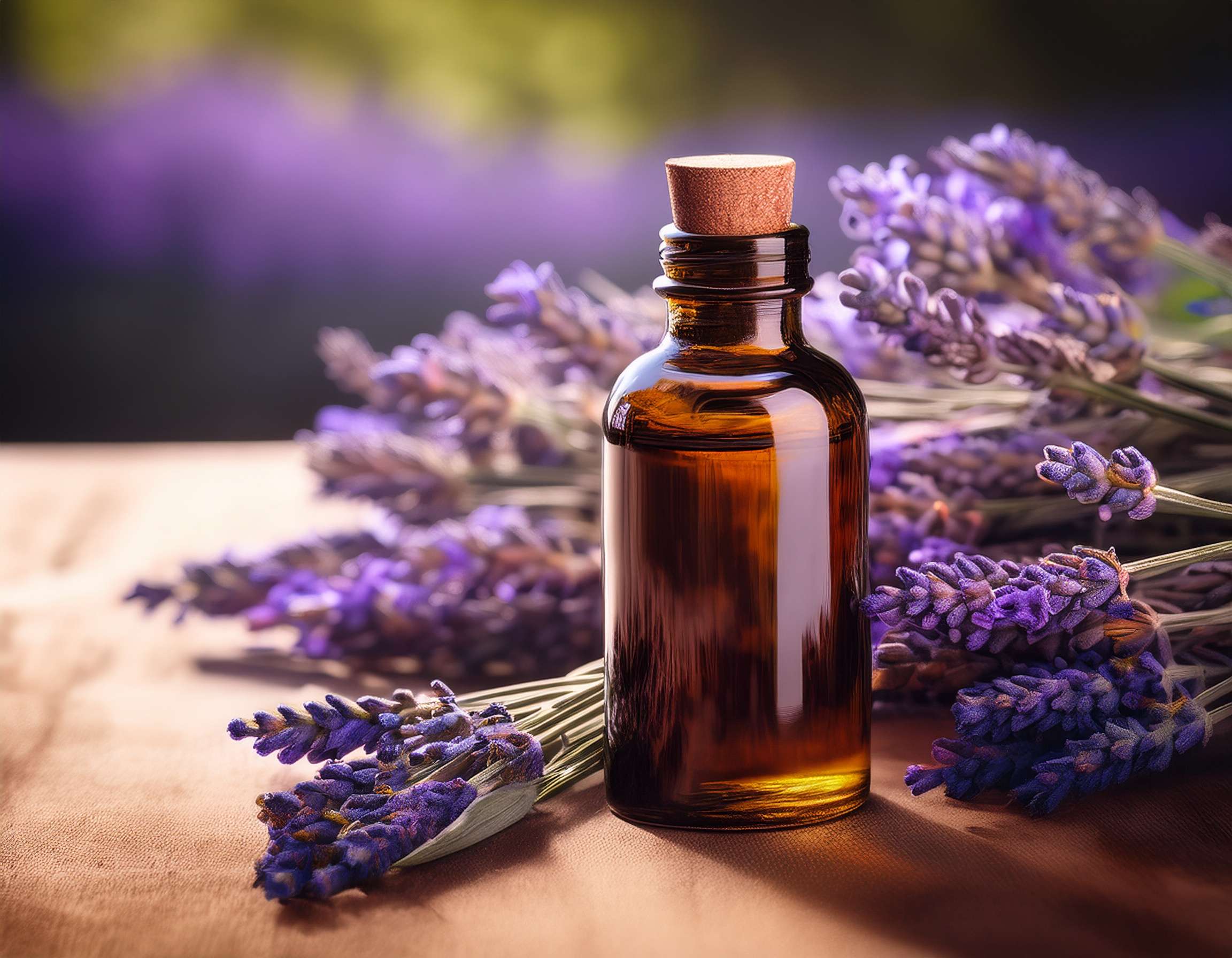
Discover how to safely use lavender oil on sensitive skin with expert tips on dilution, patch testing, and avoiding irritation.

Key takeaways for using lavender oil without irritation
(DISCLAIMER: I am not a doctor, and you should consult your healthcare professional before starting any health regimen. Product links are commissioned and supports the blog)
- Never use lavender essential oil undiluted on sensitive skin.
- Always mix it with a carrier oil first, then start low.
- For reactive skin, 0.5% to 1% dilution is a smart starting point.
- Patch test a tiny spot before you use it anywhere else.
- Stop right away if you see burning, itching, bumps, redness, or swelling.
- If your skin is already inflamed, broken, or eczema-prone, skin use may not be the best choice.
Lavender essential oil is popular because it smells calm, clean, and easy to fit into homemade skin care. But sensitive skin can turn on it fast, even when the scent feels soft.
That’s where the trouble starts. The oil itself is concentrated, and a small mistake can mean redness, stinging, or a rash. This guide keeps things simple, with safer ways to dilute lavender oil, patch test it, and know when to skip it altogether.
Why sensitive skin reacts differently to essential oils
Sensitive skin usually has a weaker barrier. That barrier is the outer layer that helps keep moisture in and irritants out. When it’s dry, cracked, or already irritated, more things slip through.
That’s why skin with eczema, dermatitis, or frequent redness often reacts faster. The same goes for skin that’s been scrubbed, over-washed, or exposed to too many strong products. Lavender essential oil may smell gentle, but it’s still a concentrated plant extract. Natural does not always mean mild.
Think of the skin barrier like a brick wall. If the wall has gaps, even a small amount of a strong ingredient can get through and cause trouble.
Common signs your skin is reacting
A reaction can show up right away, or a few hours later. Redness is one of the first signs, but it’s not the only one.
Watch for itching, burning, stinging, bumps, hives, swelling, or a rash. Some people also notice tightness or a warm feeling where the oil was applied.
If that happens, wash the area with gentle soap and water, then stop using the oil. Don’t try to push through it. Skin irritation is a signal, not a challenge.
Who should be extra careful
People with very reactive skin need to move slowly, if at all. That includes anyone with eczema, dermatitis, allergies, or skin that flares easily after fragrance or new products.
Broken skin is another no-go. Fresh cuts, scrapes, cracks, and inflamed patches are more likely to sting. Children, pregnant people, and anyone with a history of fragrance sensitivity should check with a healthcare professional before using lavender essential oil on the skin. If your skin already has a long history of reactions, that advice matters even more.
The safest way to dilute lavender essential oil for skin use
Lavender essential oil should never go straight from the bottle to your skin. Dilution means mixing a small amount of essential oil into a larger amount of a carrier oil, so the final blend is much gentler.
Good carrier oils for this include jojoba, grapeseed, sweet almond, and coconut oil. If you want a broader skin-safety checklist, essential oil skin safety guidelines are a useful place to start. The main rule stays the same, though, less is better when your skin is reactive.
For sensitive skin, the weakest mix is usually the smartest one.
A simple dilution formula anyone can follow
A very easy starting point is 1 drop of lavender essential oil in 1 teaspoon of carrier oil. That gives you a gentle blend for a small amount of skin use.
If your skin is calm and the patch test goes well, 1 to 2 drops per teaspoon is still a low-strength mix. Start with the weakest version first. You can always make a blend stronger later, but you can’t take excess oil back out once it’s on your skin.
Best carrier oils for delicate skin
Jojoba is light and easy to spread, which makes it a solid choice for people who dislike heavy oils. Grapeseed feels thinner and works well when you want something that sinks in without much residue.
Sweet almond oil is richer, so it can suit drier skin that needs more slip. Coconut oil feels heavier and may be fine on body skin, but it’s not for everyone. The best carrier oil is the one your skin already gets along with. If a carrier oil has bothered you before, skip it.
How to patch test before putting it anywhere else
Patch testing is not optional. It’s the first real test of whether your skin likes the blend.
- Mix a tiny amount of your diluted lavender oil.
- Apply it to a small spot, like the inner forearm or behind the ear.
- Leave it alone for 24 hours.
- Check for redness, itching, burning, bumps, or swelling.
If the spot stays calm, that’s a better sign, but it still doesn’t mean you should use a big amount. Keep the first application tiny and simple.
What to do if the patch test fails
Wash the area with gentle soap and water, then stop using the blend. Don’t reapply it, and don’t test it again until the skin has fully settled.
A reaction means the oil may not be a good fit for your skin, even if other people tolerate it well. Sensitive skin does not need to be pushed through irritation. If the patch test fails once, that’s enough information.
Easy ways to use lavender oil with less risk
Once dilution and patch testing are in place, keep the use small. Think body, not face. Think light, not heavy. Lavender essential oil works best for sensitive skin when it shows up in tiny amounts.
A gentle body oil for dry skin
After a bath or shower, mix 1 drop of lavender essential oil into 1 teaspoon of jojoba or sweet almond oil. Rub a few drops between your hands, then press it onto arms, legs, or feet.
Keep it off areas that are already red, itchy, or freshly shaved. This kind of blend is better for dry skin that isn’t actively irritated. If your skin feels calm and the patch test went well, that’s the kind of area where a light body oil makes the most sense.
A low-strength spot blend for tense areas
For small, non-broken areas like the shoulders or the back of the neck, you can use a very light blend after patch testing. Mix 1 drop of lavender oil into 1 teaspoon of carrier oil, then apply a small amount and stop there.
Less is more here. A little goes farther than people expect, and piling on more oil only raises the chance of irritation. For another quick reference on topical dilution, guide to diluting lavender essential oil for skin safety keeps the numbers simple.
When it is better to use aroma only
If your skin reacts to almost everything, scent-only use may be the safer route. A diffuser can give you the lavender aroma without putting the oil on your skin.
That matters when your skin is already dry, inflamed, or tired of being tested. Enjoying the smell is still a valid way to use lavender. Sometimes the safer choice is to keep it out of the lotion step completely.
When to avoid lavender oil and choose a gentler option instead
Some people with very sensitive skin do better avoiding essential oils on the skin altogether. That’s not overcautious, it’s practical.
If lavender essential oil still stings, reddens, or itches after proper dilution and patch testing, it’s probably not the right match. The same goes for skin that’s in the middle of a flare, or skin that keeps reacting to fragrance. A dermatologist can help if you deal with repeated reactions or ongoing skin issues.
If a diluted blend still stings, your skin has already given the answer.
Conclusion
Lavender essential oil can feel soothing, but sensitive skin needs a careful hand. The safest path is simple, use a carrier oil, start with a very low dilution, and patch test before you go any farther.
If your skin reacts, stop at once. If it stays calm, keep the amount small and use it only on skin that can handle it. That’s the real balance here, a calm scent without making your skin pay for it.
Stay Connected for More Natural Living Inspiration
If you enjoyed this post about herbal wellness and love discovering natural ways to refresh your home and wellness, don’t miss out on future recipes and clean-living tips! Subscribe to the blog for weekly DIYs, wellness inspiration, and herbal remedies delivered straight to your inbox.
Don’t forget to visit my Amazon storefront for the links to my favorite essential oils, herbal teas, and natural recipes. I also create ambiance videos for sleeping on YouTube; a project I created to help with insomnia symptoms, and I also have a second channel, Rooted in Nature; both channels feature herbal recipes for wellness and home. The link to all social media content is here.
Thanks for coming by!


Leave a Reply