
(DISCLAIMER: I am not a doctor, and you should consult your healthcare professional before starting any health regimen. Product links are commissioned and supports the blog)

Key Takeaways
- Palmarosa is loved for skin routines, especially when you want a balanced, comfortable feel.
- The scent is rosy, bright, and clean, great for mood and home scenting.
- It’s often used in diluted blends for dry patches and rough, tight-feeling skin.
- Safe use matters: dilute, patch test, and avoid eyes (and never ingest essential oils).
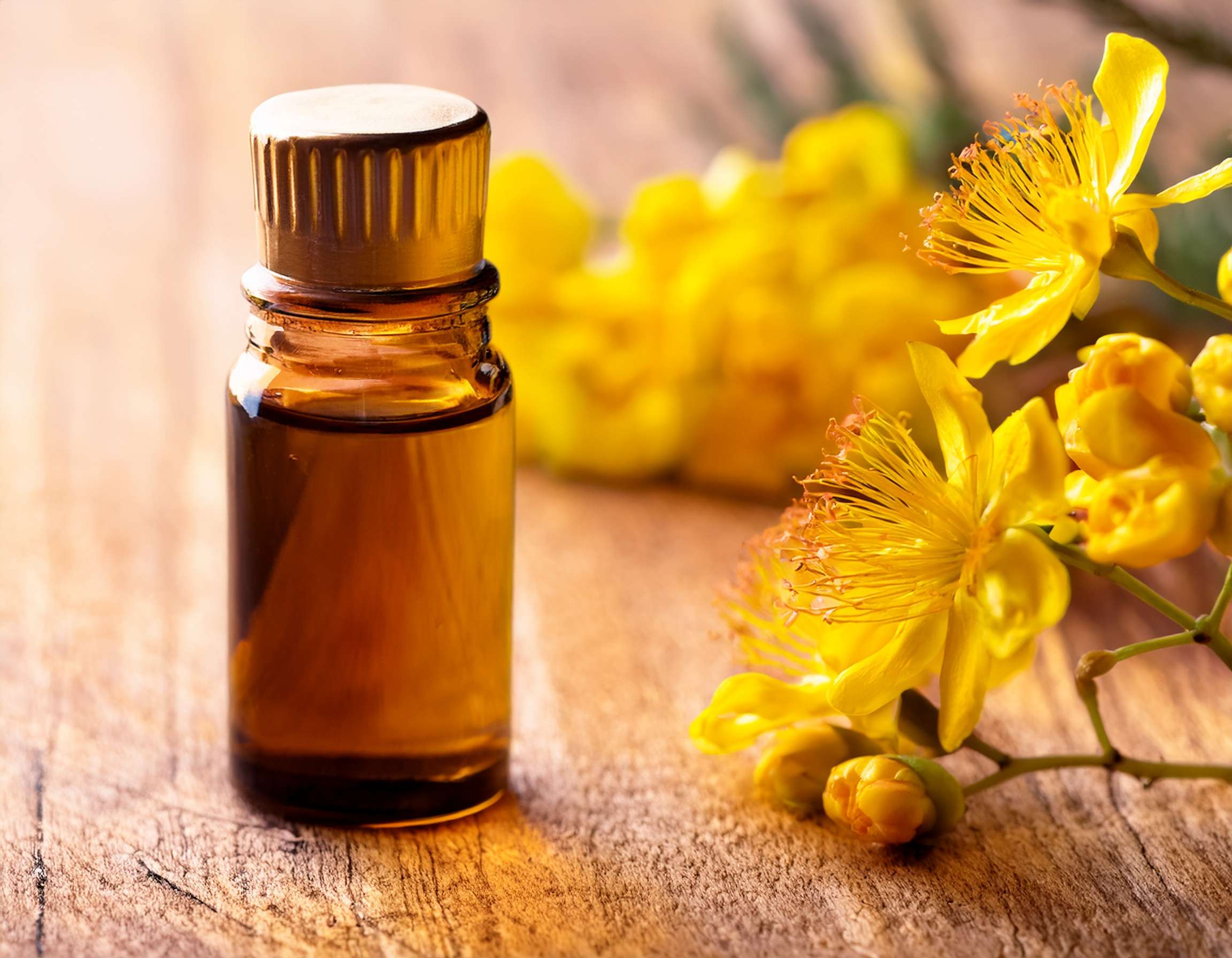
Palmarosa essential oil is a plant-based oil distilled from a fragrant grass, and it smells like a clean rose with a soft, grassy twist. If rose oils feel too rich (or too pricey), palmarosa often hits that sweet spot: floral, fresh, and simple to use.
When people talk about palmarosa essential oil benefits, they usually mean the everyday kind, like how their skin feels after a week of consistent use, or how a room feels after a few minutes in the diffuser. Results depend a lot on oil quality, proper dilution, and using it often enough to notice a difference.
What is palmarosa essential oil and why people love it
Palmarosa comes from a tall aromatic grass (not a rose), and the essential oil is usually steam-distilled from the grass leaves. The botanical name you’ll see most often is Cymbopogon martinii.
So why all the love?
First, the scent. Palmarosa smells fresh and rosy, like a clean floral soap, but in a natural way. It also has a green, slightly grassy note that keeps it from feeling heavy. If rose feels like a velvet dress, palmarosa is more like a crisp cotton shirt.
Second, it’s versatile. Many people use palmarosa in:
- Simple skincare blends (especially with a plain lotion or face oil)
- Post-shower body oils
- Diffuser routines for a calmer, cleaner-feeling home
- DIY sprays for bedding areas or entryways (diffuse-first is usually the safest for sleep spaces)
Third, it often feels more budget-friendly than true rose essential oil, while still giving that soft floral vibe. Compared to geranium, palmarosa usually smells a bit brighter and cleaner, with less of the deep, perfumey finish some geranium oils have.
Palmarosa vs lemongrass vs geranium: the quick difference
These three get compared a lot, since they can all read as “fresh,” and two of them come from grasses.
- Palmarosa: Rosy, clean, slightly grassy. Often high in geraniol, which helps explain the floral scent and why many people find it gentle-feeling in skin blends.
- Lemongrass: Sharp, lemony, bold. Great when you want a strong “wake up” scent, but it can feel intense on sensitive skin.
- Geranium: Floral and green, sometimes sweet or a bit heavy. It’s a classic for skin and mood blends, with a more perfume-like profile.
If your goal is a soft floral that still smells “clean,” palmarosa is usually the easiest pick.
What to look for when buying palmarosa oil
Quality makes a big difference with palmarosa. A good bottle should check these boxes:
- Botanical name: Cymbopogon martinii
- Extraction: steam-distilled (common for palmarosa)
- Bottle: dark glass with a tight cap (light and air break oils down)
- Scent: strong, fresh, rosy, and grassy, not like synthetic perfume
- Price: realistic. If it’s unbelievably cheap, it may be diluted or low quality.
Store it in a cool, dark place, and keep the cap tight. Oxygen is sneaky, it dulls the scent over time.
Palmarosa essential oil benefits for skin and body
Let’s keep this practical. Palmarosa won’t “fix” skin overnight, but many people use it to support a routine that feels more comfortable and balanced.
Think of it like adding a small pinch of salt to food. The salt doesn’t replace the meal, it just helps everything work better together. Palmarosa works the same way in skincare. It’s usually used in tiny amounts, blended into a carrier oil or unscented product.
A few general patterns people notice with consistent use:
- Skin looks less “shiny-greasy” by mid-day (especially with oily or combo skin)
- Dry skin feels softer when palmarosa is blended with a richer carrier
- Rough patches feel more comfortable when you stick to a simple routine
If you’re new to mixing oils, using the right base oil matters as much as the essential oil. This guide helps a ton: How to dilute essential oils safely with carrier oils.
Supports a balanced, healthy-looking complexion
Palmarosa is popular in face blends because it smells clean and doesn’t usually overpower other products. People with oily or combo skin often like how it feels in lightweight routines, while dry skin types tend to prefer it in a richer carrier.
A few easy ways to use it:
- Lotion boost: Add 1 drop of palmarosa to a palmful of unscented lotion, mix in your hands, then apply.
- Simple face oil (2 to 3 times a week): Add palmarosa to a gentle carrier oil (like jojoba). Keep the dilution low, especially for face use.
What to expect over time: a more even, “settled” look and a comfortable feel, not a dramatic overnight change.
Quick reminders:
- Avoid the eye area (and wash hands after applying).
- Always patch test first, even if you’ve used essential oils before.
- Start low and slow. More drops don’t mean better results.
Comfort for irritated, dry, or rough skin patches
When skin feels tight, rough, or just unhappy, palmarosa often shows up in soothing body routines. The key is to keep it diluted and stick to simple blends you’ll actually use.
Ideas that feel good in real life:
- After-shower body oil: Apply on damp skin so it spreads well and feels less oily.
- Hand balm upgrade: Mix a tiny amount into an unscented balm for winter hands.
- Spot routine for rough areas: Use a slightly stronger dilution only on small areas (not all over).
Two safe dilution examples:
- 1% dilution (daily use): good for body oils and regular routines.
- 2% dilution (small areas, short-term): good for elbows, knees, or a small patch that needs extra comfort.
Extra caution: If your skin is reactive or very sensitive, stay closer to 0.5% to 1%, and don’t use essential oils on broken skin. If anything stings, stop and rinse with soap and water.
Palmarosa essential oil benefits for mood, stress, and sleep routines
Scent is personal. One person’s “calming” oil is another person’s “too floral.” Palmarosa tends to land in the middle, it’s soothing, but it still feels bright and clean.
People often use palmarosa when they want their space to feel more put together. Like opening a window on laundry day, but in scent form.
Results vary, and consistency matters. You may notice the biggest change when you use it the same way for a week or two, like a simple after-work routine.
A calming scent that still feels bright and clean
Palmarosa can be a nice choice when you want to unwind without a heavy bedtime scent.
It fits well into moments like:
- After work, when your brain feels loud
- During journaling, reading, or stretching
- While resetting your space (dishes, laundry, quick tidy)
Easy blend ideas (keep them simple):
- Palmarosa + lavender: soft and comforting
- Palmarosa + bergamot: fresh and uplifting (bergamot can be phototoxic on skin, so keep it for diffusing)
- Palmarosa + frankincense: calm, warm, and grounded
- Palmarosa + cedarwood: clean floral with a cozy base
If you want more diffuser inspiration, these blends are handy: Allergy and immunity diffuser blend recipes.
Easy ways to use it at home (diffuser, shower, pillow-safe habits)
Diffuser basics
- Small room: 3 to 5 drops
- Medium room: 5 to 8 drops
- Large open area: 8 to 10 drops
Diffuse for 30 to 60 minutes, then take a break. Ventilation helps, too.
Shower steam routine (simple and cozy)
- Add 1 to 2 drops to a warm, wet washcloth.
- Place it on a shower shelf away from direct water stream.
- Let the steam carry the scent.
A pillow-safe sleep habitSkip putting essential oils directly on pillows or sheets. It can irritate skin and it’s hard to control the dose. A safer routine is to diffuse for 20 to 30 minutes before bed, then turn the diffuser off.
Kid and pet caution: Always diffuse in a well-ventilated space, keep oils out of reach, and watch for sensitivity (sneezing, coughing, watery eyes). If that happens, stop diffusing and air the room out.
How to use palmarosa safely, plus simple DIY recipes
Palmarosa is still an essential oil, so treat it like a concentrated ingredient, not a body splash.
Safety basics that keep you out of trouble:
- Dilute for any skin use.
- Patch test every new blend.
- Palmarosa is not known as a top photosensitive oil, but any oil can irritate your skin, especially in sun or heat.
- Never ingest essential oils, and don’t use them in eyes, ears, or other sensitive areas.
If you’re pregnant, nursing, managing asthma, taking medications, or shopping for baby use, it’s smart to ask a qualified professional first.
Dilution guide for everyday use (so you don’t overdo it)
Here are easy, common dilution targets:
- Face: 0.5% to 1%
- Daily body use: 1%
- Short-term use on small areas: up to 2%
Simple math that helps:
- 1 teaspoon (5 ml) carrier oil: 1 drop essential oil is about 1%
- 1 tablespoon (15 ml) carrier oil: 3 drops is about 1%
- 1 ounce (30 ml) carrier oil: 6 drops is about 1%
- 2 ounces (60 ml) carrier oil: 12 drops is about 1%
After you apply a blend, wash your hands. It saves you from accidental eye rubbing later.
3 beginner-friendly recipes: body oil, scalp oil, and room spray
1) After-shower body oil (2 oz bottle, 1% dilution)
This is the easiest way to use palmarosa consistently.
- 2 oz (60 ml) glass bottle
- 2 oz carrier oil (sweet almond, jojoba, grapeseed, or fractionated coconut)
- 12 drops palmarosa essential oil
Add the carrier oil, add the drops, cap, and roll the bottle between your hands. Apply to damp skin after showering.
2) Scalp massage oil (1 oz bottle, 1% dilution)
Think of this as a pre-wash treat.
- 1 oz (30 ml) glass bottle
- 1 oz jojoba or fractionated coconut oil
- 6 drops palmarosa essential oil
Massage a small amount into your scalp for 3 to 5 minutes. Let it sit 15 to 30 minutes, then shampoo. If you want to build a fuller hair routine, this guide has more ideas: Essential oils that promote hair growth.
3) Room spray (2 oz bottle)
A spray is great for quick freshness, but oils and water don’t mix well, so use a solubilizer and make small batches.
- 2 oz (60 ml) spray bottle
- 1/2 teaspoon unscented castile soap (acts as a simple solubilizer)
- 20 drops palmarosa essential oil
- Distilled water to fill
Add soap, add essential oil, swirl, then add water. Shake before each use. Spray into the air, not onto skin or pets, and avoid slippery floors.
If you want a true cleaning spray, use oils suited for that job. This list is a good starting point: Antibacterial essential oils for home cleaning.
Conclusion
Palmarosa is one of those oils that quietly earns its spot. The main palmarosa essential oil benefits people notice are skin support (especially in diluted body oils), a fresh calm mood boost, and simple home scenting that doesn’t feel heavy.
Keep it safe and it stays enjoyable. Dilute every skin blend, patch test, and use small amounts consistently instead of going strong once in a while.
How do you like to use palmarosa, as a solo scent, or blended with lavender, bergamot, or something woodsy?
Stay Connected for More Natural Living Inspiration
If you enjoyed this post about herbal wellness and love discovering natural ways to refresh your home and wellness, don’t miss out on future recipes and clean-living tips! Subscribe to the blog for weekly DIYs, wellness inspiration, and herbal remedies delivered straight to your inbox.
Don’t forget to visit my LinkTree for the links to my favorite essential oils, herbal teas, natural recipes, YouTube ambiance videos for sleeping; a project I created to help with insomnia symptoms and the second channel, Rooted in Nature YouTube Channel both channels feature herbal recipes for wellness and home.
Thanks for coming by!
Leave a Reply