(DISCLAIMER: I am not a doctor, and you should consult your healthcare professional before starting any health regimen. Product links are commissioned and supports the blog)

Key Takeaways
- Oud essential oil comes from agarwood, a resin-rich wood formed in certain Aquilaria trees.
- True oud oil is rare, rich, and often expensive because production is slow and labor-heavy.
- The scent features a woody aroma that’s warm, smoky, earthy, and resinous, but each oil can smell a bit different.
- Many products sold as oud are blends or fragrance oils, not pure and natural essential oil.
- Oud works best in small amounts for diffusion, personal scent blends, and home atmosphere.
- For skin use, it should be diluted well and patch tested first.
- Even therapeutic grade oud may support mood and ambiance, but it is not a cure or medical treatment.
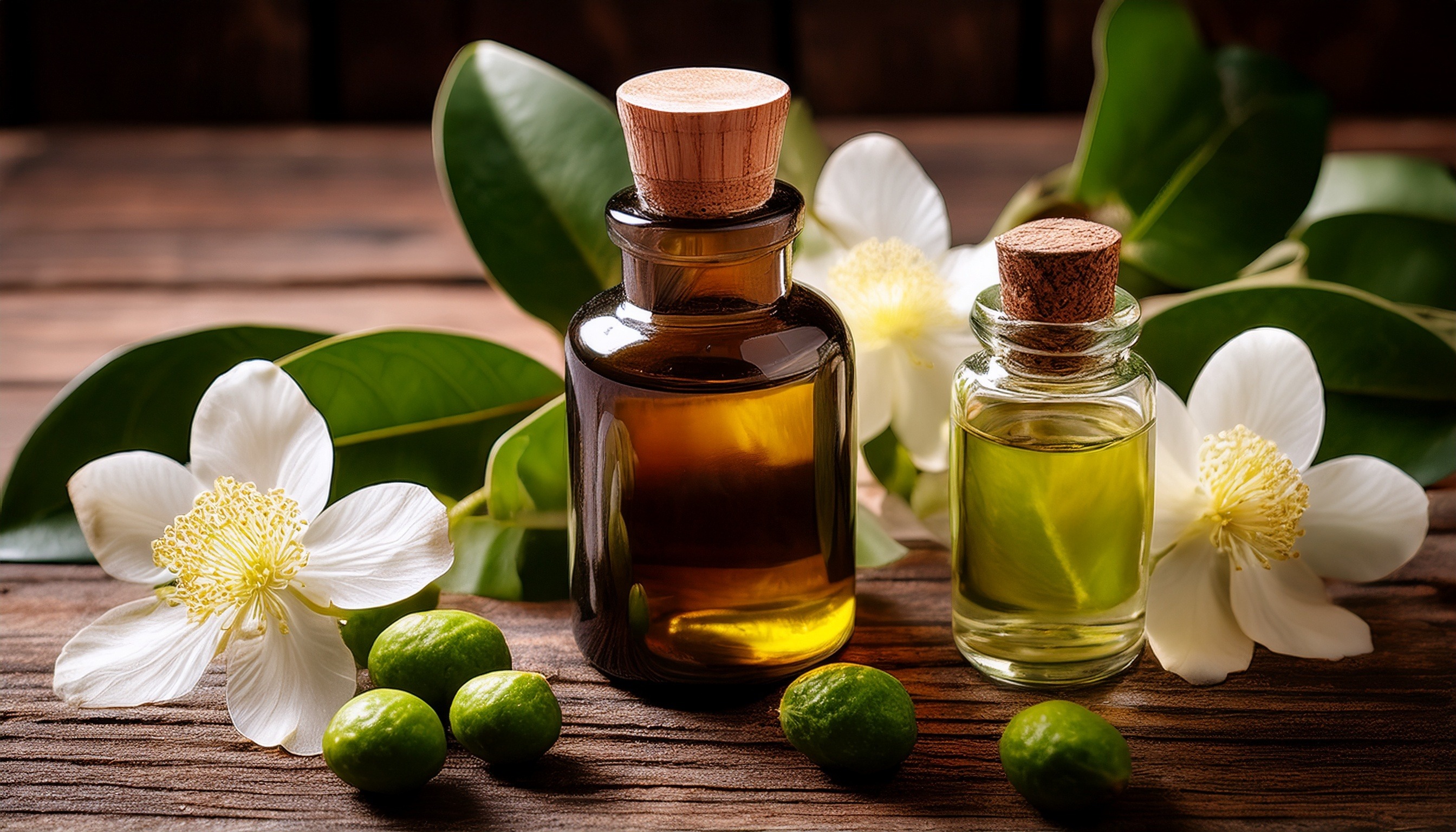
Oud essential oil, also called agarwood oil or oudh, has a scent people rarely forget. It smells deep, woody, resin-rich, and often a little smoky, which is why it shows up in fine perfume, aromatherapy, and luxury self-care.
Still, oud (known globally as aloeswood) can feel confusing at first. Some bottles hold true agarwood oil, while others are blends or fragrance oils with a similar scent. That difference matters for both price and use.
This guide keeps it simple, so you can understand what oud is, how it smells, how to use it at home, a few easy recipes, and the safety basics that help you enjoy it wisely.
Oud essential oil at a glance, what it is and why it stands out
Oud comes from agarwood, a dark, fragrant wood that forms inside certain Aquilaria trees native to Southeast Asia, such as Aquilaria malaccensis and Aquilaria crassna. The tree does not make agarwood all the time. Instead, it produces a resin as part of a natural response to stress or injury. Over time, that resin changes the wood, giving it the rich scent people prize.
That rarity is a big part of oud’s appeal. Unlike common citrus or mint oils, true oud is not easy to produce, and the oil is usually distilled from resinous wood rather than fresh leaves or flowers.
Because of that, many products on the market are not pure oud essential oil. Some are perfume oils. Others are blends made with a small amount of oud plus carrier oil or other aromatic materials.
A bottle labeled “oud” might be pure agarwood oil, a blend, or only a fragrance oil, so the label matters as much as the scent.
How oud forms inside agarwood trees
Not every Aquilaria tree produces agarwood. The resin develops only when the tree reacts to a natural trigger, such as injury or microbial activity. In simple terms, the tree starts making resinous heartwood to protect itself.
That process can take years. As a result, resin-rich wood is limited, and that helps explain why oud is seen as one of the most prized aromatic materials in the world.
Why pure oud oil is so expensive
Several things drive the price up. First, true agarwood is rare. Next, harvesting and sorting resinous wood takes time and skill. Then the distillation itself can be slow, with only a small amount of dark brown oil of thick consistency produced from valuable raw material. This dark brown oil is typically steam distilled from the wood.
Demand also stays high in perfume and wellness circles. Still, a high price alone doesn’t prove quality. Good labeling, clear sourcing, and honest product details matter more than a fancy bottle.
What oud essential oil smells like and how to choose one you’ll enjoy
Oud has one of those scents that feels almost textured. Many people notice its woody aroma, smoke, resin, earth, leather, warmth, and a touch of sweetness. Some oils smell smooth and polished, while others come across darker and more intense.
If you’re new to oud, don’t judge it too fast. The first sniff can feel bold, dense, or even sharp. Give it a minute on a blotter or diffuser strip, and it often softens into something warmer and rounder.
Regional style and distillation method can change the scent, too. One oud may feel sweet and balsamic. Another may smell smoky, dry, and almost forest-like. That range is part of the draw, but high-quality oud is highly sought after in the fragrance industry, so blind buying can get expensive.
Common scent notes people notice in oud
Most oud oils fall somewhere between these scent impressions: woody, smoky, earthy, resinous, warm, leathery, and slightly sweet. Some also have animalic notes, which means they smell more raw or wild.
Beginners usually enjoy softer oud styles first. If you love sandalwood, frankincense, or patchouli, oud may fit your taste. If you prefer light floral oils, it may take time to warm up to it.
How to shop for oud without wasting money
Start with the ingredient list. If the product is pure, the label should make that clear. You may also see the botanical source listed, such as Aquilaria species. Look for GC/MS testing to verify purity. If the label says “fragrance oil,” “perfume oil,” or stays vague, treat it as a scented product rather than a true essential oil.
It also helps to look for sourcing details and bottle size. Because oud is rare and precious, a tiny amount is often the smartest first purchase. Good storage habits matter too, especially with high-value oils. For more general tips on building a careful oil collection, this guide to essential oils for a natural first aid kit reinforces simple, safe habits that carry over here as well.
Best ways to use oud essential oil at home
Oud shines when you use it with a light hand. It’s strong, long-lasting, and usually better as an accent than the main event. Think of it like a dark spice in cooking. A little changes the whole mood.
At home, people often use oud (which has long held spiritual significance and is often used during meditation) in an essential oil diffuser, as a perfume ingredient in personal scent blends, or quiet evening routines. It can make a room feel warmer and more grounded thanks to its grounding properties, especially in colder months or at the end of the day. That doesn’t make it a treatment, but it can shape the feel of a space in a memorable way.
Oud also pairs well with other deep or soft oils. Sandalwood adds creaminess. Frankincense gives lift and calm. Rose softens the edges. Orange and bergamot bring light into the blend, so oud doesn’t feel too heavy.
If you enjoy building a scent-focused evening routine, pairing oud with other mood-boosting essential oils can help you create a space that feels more settled and intentional.
Using oud in a diffuser for a warm, calming atmosphere
Start small. In most diffusers, 1 drop of oud is enough for a first test, especially in a bedroom or small office. You can add a second drop later, but many people find one drop goes farther than expected.
Oud blends beautifully with sandalwood, frankincense, rose, sweet orange, and bergamot. Because the scent can linger, test it when you have some time and fresh airflow. If you already like frankincense in your diffuser, this DIY sinus-clearing essential oil recipe offers another safe way to enjoy it in home blends.
Wearing oud in a diluted roller blend or natural perfume
Oud works especially well as a base note, which means it gives a blend depth and staying power. Instead of smelling loud and flat, it helps a scent feel layered.
For beginners, a small roller is the easiest place to start. Add oud to jojoba oil with one softer note, like rose or bergamot, and maybe one grounding partner, like sandalwood. Then patch test before regular use, because even lovely oils can irritate skin if they’re too strong.
Simple oud essential oil recipes readers can actually make
Oud is expensive, so recipes should use small amounts. That’s also the best way to learn what you like.
Cozy evening diffuser blend with oud, orange, and frankincense
Try this in a water-based diffuser:
- 1 drop oud essential oil
- 2 drops sweet orange essential oil
- 2 drops frankincense essential oil
This blend smells warm, grounded, and gently bright. The orange lifts the woodiness, while frankincense smooths the middle. If your room is small, start with fewer total drops and follow your diffuser’s directions.
Easy oud roller blend for a rich, layered personal scent
For a 10 mL roller bottle, add these to jojoba oil:
- 1 drop oud essential oil
- 1 drop rose essential oil
- 1 drop sandalwood essential oil
- Fill the rest with a carrier oil such as jojoba oil
This blend draws on oud’s traditional reputation as an aphrodisiac for an alluring personal scent. Cap the bottle and roll it gently between your hands. Apply a small amount to wrists or collarbone after a patch test. Store it away from heat and light, because good oils deserve good care.
Simple oud and bergamot pulse-point blend
If you want something lighter, use:
- 1 drop oud essential oil
- 2 drops bergamot essential oil
- Fill a 10 mL roller with jojoba oil
This version feels less floral and a bit brighter. It’s a nice choice if straight oud feels too dark at first.
Safety tips, dilution, and who should use extra care
Oud may smell luxurious, but while it is often used as a “natural incense,” the oil form is more concentrated and still needs the same respect as other potent oils. Keep it away from eyes, broken skin, and places where kids or pets can reach it. Also, don’t use more just because the bottle is small. Potent oils often work best in tiny amounts.
Skin safety matters most with personal blends, especially when seeking the healing benefits of essential oils for wellness. Patch testing helps you catch irritation before you use a new blend more widely. People who are pregnant, nursing, very sensitive to fragrance, or managing health concerns should check with a qualified professional before trying new essential oils.
Also remember that fragrance oils sold as oud do not behave like pure essential oil. They may smell nice, but they can contain different ingredients and may not be suitable for aromatherapy use in the same way.
How much to dilute oud essential oil
For leave-on use, beginners should start around 1 percent dilution unless a trusted professional suggests otherwise. In plain terms, that means a very small amount of essential oil in a larger amount of carrier oil.
That low starting point makes sense for two reasons. The carrier oil provides skin nourishment while the oud provides its signature scent, and it’s potent and expensive. You don’t need much to enjoy it.
Signs a product may not be pure oud oil
Watch for vague labels, no ingredient transparency, or prices that seem unrealistically low. If a product is marketed like an essential oil but only says “perfume oil” or “fragrance oil,” that’s a sign to pause.
Clear sourcing helps, too. While not every brand gives the same level of detail, better products usually tell you what the bottle contains. If the label hides more than it reveals, move on.
Oud stands out because it brings together depth, rarity, and versatility in one small bottle. Used well, it can add warmth to a room, richness to a perfume blend, and a sense of quiet luxury to simple routines.
Start with a tiny bottle, a light hand, and one easy recipe. That’s often all you need to learn whether Oudh suits your taste.
If the opening scent stopped you in your tracks, give it a second moment. With oud, the best part often comes after the first breath.
Stay Connected for More Natural Living Inspiration
If you enjoyed this post about herbal wellness and love discovering natural ways to refresh your home and wellness, don’t miss out on future recipes and clean-living tips! Subscribe to the blog for weekly DIYs, wellness inspiration, and herbal remedies delivered straight to your inbox.
Don’t forget to visit my LinkTree for the links to my favorite essential oils, herbal teas, natural recipes, YouTube ambiance videos for sleeping; a project I created to help with insomnia symptoms and the second channel, Rooted in Nature YouTube Channel both channels feature herbal recipes for wellness and home.
Thanks for coming by!

Leave a Reply