
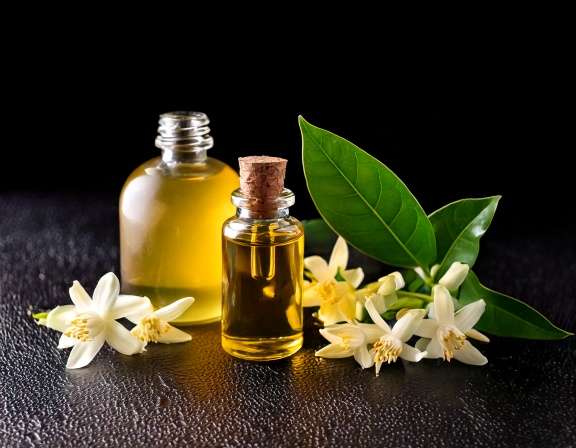
firefly generate an image of neroli essential oil ; aromatherapy concept, cozy home and tranq 217485

(DISCLAIMER: I am not a doctor, and you should consult your healthcare professional before starting any health regimen. Product links are commissioned and supports the blog)

firefly generate an image of neroli essential oil ; aromatherapy concept, cozy home and tranq 217485

Why Neroli Essential Oil Deserves a Spot in Your Body Care Routine

  • Soft floral scent that feels clean, calm, and a little elegant
  • Light texture in blends, so it fits well in lotions, body oils, and scrubs
  • A good fit for dry or tired skin when used in the right dilution
  • Popular for self-care routines that feel simple, soothing, and handmade

Neroli essential oil has a way of making homemade body care feel soft, calm, and a little luxurious without getting fussy. Its light floral scent works well in recipes for dry, tired, or sensitive-feeling skin, and a small amount goes a long way in lotion, body oil, and sugar scrub.

If you’ve wanted to try neroli essential oil in your own routine, this is a good place to start. You’ll find beginner-friendly recipes, plus the basics on safe dilution, simple carrier oils, and how to keep blends gentle on skin, with a few helpful essential oils skin safety tips along the way.

What makes neroli oil stand out from other floral oils?

Neroli smells like orange blossom with a fresh, softly citrus edge. It’s floral, but not syrupy. That makes it feel lighter than sweeter oils and less overpowering than richer florals that can take over a blend fast.

In body care, it gives products a silky, pampering feel. A lotion with neroli oil can smell like a clean towel at a spa, not a candy jar. That’s the appeal for a lot of people, it feels refined without trying too hard.

If you like floral oils but want something more balanced, neroli is a smart pick. It sits nicely between bright and soft, which gives homemade recipes a more finished scent profile. For readers who like to keep things simple, getting started with aromatherapy can help make the most of that kind of blend.

Who may enjoy using it most?

Neroli essential oil is a good match for people with dry skin who want body care that feels comforting and lightly fragrant. It also fits well into wellness routines, especially if you like your products to feel calm, clean, and easy to use.

It’s also a favorite for aromatherapy fans and anyone who enjoys handmade self-care products. There’s something satisfying about turning a simple batch of lotion or body oil into something that feels a bit more luxurious.

If your skin is sensitive, patch test first. Even gentle oils can be too much for some people.

In short, neroli oil works best for anyone who wants body care that feels soft, floral, and quietly elevated, without the heaviness of stronger scents or the stickiness of overly sweet ones.

What to Know Before You Mix Your First Recipe

  • Pick a carrier oil first, because it shapes how the final blend feels on skin.
  • Use only a few drops of neroli essential oil, since more can make a blend too strong.
  • Patch test every new recipe and store it in a cool, dark place so it stays fresh longer.

Before you mix anything, get the basics right. A good body-care recipe is not about stuffing in more oil or chasing a stronger scent. It’s about balance, comfort, and a blend that feels good on skin.

Once you know how carrier oils work, how much neroli essential oil to use, and how to test and store your mix, the rest gets easier fast. That’s where simple DIY body care starts to feel less like guesswork and more like second nature.

Choose the right carrier oil for your skin

The carrier oil does most of the work in your recipe, so it’s worth choosing one that matches your skin and your texture preference. If you like something light and smooth, jojoba oil is a strong choice. It absorbs well, feels close to the skin, and works nicely in everyday body oils.

Sweet almond oil has a silkier, slightly richer feel. It’s a good pick when you want more glide, especially for massage-style blends or dry skin. If your skin likes a little more cushion, this one usually feels comfortable and easy to use.

Coconut oil feels richer and more solid, depending on the temperature. It can be a nice fit for thicker body butters or oil blends, but it may feel heavy for some people. Olive oil is also richer, with a more noticeable texture, so it often works best for readers who don’t mind a denser feel on skin.

If you want a quick way to decide, think about the finish you want:

  • Light and fast-absorbing: jojoba
  • Smooth and soft: sweet almond
  • Rich and creamy: coconut
  • Heavy and moisturizing: olive

If you’re still unsure, start with jojoba or sweet almond oil. They tend to feel easy on the skin and give neroli essential oil a clean base to shine through, which is exactly what you want in a simple body recipe. For a deeper look at blending basics, how to mix essential oils for beginners is a helpful place to start.

Use the right amount of neroli essential oil

Neroli essential oil is potent, so you only need a small amount. In body care, the scent can come through fast, and that’s part of its charm. A few drops are enough for most leave-on recipes, especially when you want something soft and skin-friendly.

For adult body oils and lotions, gentle dilution is the safest route. A light blend usually falls in the 1% to 3% range total essential oil, which keeps the recipe pleasant without overwhelming the skin. More is not better here. A stronger scent does not mean a better blend, just a more irritating one.

A simple starting point for a body oil is:

  1. Add your carrier oil first.
  2. Mix in 4 to 6 drops of neroli essential oil for a light scent.
  3. If you want a stronger aroma, stay modest and test the blend before making a bigger batch.

If your blend smells too intense, dilute it more. That’s the fix, not more essential oil.

Keep the scent soft and the formula balanced. Neroli works best when it adds a clean floral note, not when it takes over the whole bottle. If you’re making a lotion, body oil, or scrub, think gentle first.

Patch testing and storage tips that help your recipes last

Patch testing is simple, but it saves a lot of trouble. Apply a small amount of your finished blend to the inside of your elbow or forearm, then wait 24 hours. If the skin stays calm, you can usually move ahead with more confidence. If you notice redness, itching, stinging, or warmth, stop using it.

Storage matters too, especially with DIY body care. Essential oils and carrier oils both last longer when they’re kept away from heat and sunlight. Dark glass jars or bottles are ideal because they help protect the blend from light, and a cool cabinet is better than a bright bathroom shelf.

A few habits make a real difference:

  • Make small batches so the product stays fresh.
  • Use clean tools and containers every time.
  • Label the jar with the ingredients and the date.
  • Store away from windows, heaters, and humid spots.

If you’re mixing your first recipe, start small and keep it simple. That way, you’ll know how the blend feels, how the scent settles, and whether your skin likes it before you make more.

A Soft, Creamy Neroli Lotion Recipe for Everyday Moisture

  • Best for normal to dry skin, especially when you want a lighter lotion that still feels rich
  • Uses simple ingredients you can find at most grocery or health stores
  • Works well with a small amount of neroli essential oil, so the scent stays soft and pleasant
  • Stores best in a clean jar or pump bottle kept away from heat and sunlight

A homemade neroli lotion should feel smooth, not heavy. You want a formula that sinks in well, leaves skin comfortable, and carries that clean orange blossom scent without taking over the whole jar.

This recipe keeps things simple on purpose. It uses a basic lotion base with a creamy texture, then adds neroli essential oil at the end so the scent stays fresh and the blend stays gentle on skin.

Ingredients and simple swap options

You only need a few practical ingredients for this lotion, and most are easy to find. A simple base keeps the texture soft and lets the neroli shine through.

You will need:

  • 1/2 cup unscented lotion base or plain shea butter lotion
  • 1 tablespoon sweet almond oil or jojoba oil
  • 4 to 6 drops neroli essential oil
  • 1 teaspoon vegetable glycerin, optional for extra slip
  • 1 clean jar or pump bottle

If you want a lighter feel, use jojoba oil. It absorbs fast and works well for everyday use. If your skin feels drier, sweet almond oil gives the lotion a softer, richer finish.

No sweet almond oil on hand? Try apricot kernel oil or grapeseed oil. Both are easy swaps and keep the texture smooth. For a more nourishing feel, you can use a little shea butter lotion as the base instead of a thinner body lotion.

If you want to keep the scent profile even softer, cut the neroli drops back to 3 or 4. That gives you a lighter floral note that still feels polished.

For readers who like extra guidance on blending essential oils into lotion bases, tips for mixing essential oils into lotion bases can help you keep the texture and dilution in check.

Step-by-step mixing directions

Start with a clean bowl and spoon or a small whisk. If your lotion base is firm, soften it just enough so it stirs easily, but don’t melt it completely if you want to keep a creamier finish.

  1. Add the lotion base to a mixing bowl.
  2. Stir in the carrier oil until the texture looks even.
  3. Add vegetable glycerin if you’re using it, then mix again.
  4. Drop in the neroli essential oil last, and stir slowly until it smells evenly blended.
  5. Spoon the finished lotion into a clean jar or pump bottle.

If you want a fluffier texture, whip the mixture lightly with a hand mixer for a minute or two. That gives it a softer, more whipped feel without making it airy or unstable.

Store the lotion in a cool, dry place. A bathroom shelf can work if it’s not too warm, but a cabinet is better. Use a clean spoon or dry hands each time so the lotion stays fresh longer.

How to use it without making skin feel greasy

A little goes a long way here. Start with a small dab, warm it between your palms, then smooth it over skin after bathing while the skin is still slightly damp. That helps the lotion spread better and absorb faster.

If you use too much, the formula can sit on top of skin instead of sinking in. Begin with a pea-sized amount for each arm or leg section, then add more only where you need it. Dry elbows, knees, and shins usually need the most help.

A few small habits keep the finish comfortable:

  • Apply to slightly damp skin instead of fully dry skin.
  • Use less product than you think you need.
  • Massage it in with slow, even strokes.
  • Wait a minute before dressing so the lotion can settle.

If your skin still feels slick after applying, you probably used too much. Next time, cut the amount in half and add only what your skin can actually absorb. That is the sweet spot, soft, moisturized skin without the greasy layer.

A Nourishing Neroli Body Oil for Soft, Glowing Skin

A good neroli body oil should feel light, smooth, and easy to wear every day. The goal is soft skin, not a greasy finish, so the carrier oil matters just as much as the scent.

Keep the blend simple and the texture balanced. That way, the neroli stays elegant, and your skin gets the kind of moisture that feels calm, clean, and comfortable.

Best oils to pair with neroli

The best carrier oils for neroli are the ones that feel gentle and skin-friendly without weighing the blend down. Jojoba oil is one of the easiest choices because it feels light, absorbs well, and leaves skin soft without a slick layer. It gives the finished oil a smooth, almost dry-touch finish.

Sweet almond oil is another strong option. It has a slightly richer feel, so it works well if your skin leans dry or you want more glide. It makes the body oil feel a little more cushioning, which is especially nice on rough elbows, shins, and knees.

If you want to compare carrier oils by how they feel on skin, this simple carrier oil guide is a helpful place to start. The right oil changes the whole recipe, from how it spreads to how fast it sinks in.

For a lighter finish, choose jojoba. For a softer, more nourishing feel, reach for sweet almond. Both pair well with neroli essential oil because they let the floral scent come through without turning the blend heavy.

How to mix and bottle the oil

A small glass bottle makes this recipe easy to use and easy to store. Start with a clean 2-ounce amber or cobalt glass bottle, then add your carrier oil first so you can measure it cleanly.

A simple beginner-friendly mix looks like this:

  1. Pour in 2 tablespoons of jojoba oil or sweet almond oil.
  2. Add 4 to 6 drops of neroli essential oil.
  3. Cap the bottle tightly and roll it gently between your hands to blend.
  4. Label the bottle with the ingredients and the date.

You don’t need fancy tools here, just a small funnel if you want less mess. Dark glass helps protect the oil from light, and a cool cabinet keeps it fresh longer. Shake lightly before each use if the oils settle a bit.

When and how to apply it

Body oil works best right after a shower or bath, when skin is still slightly damp. That little bit of moisture helps the oil spread better and lock in a softer feel.

Warm a few drops in your hands, then smooth it over your arms, legs, and any dry patches. Elbows, knees, and shins usually need the most attention. If one area feels extra dry, add a second tiny layer instead of using too much at once.

A few easy ways to use it:

  • Apply it to damp arms before getting dressed.
  • Massage it into legs after shaving or bathing.
  • Press a small amount into elbows and knees.
  • Dab it on dry patches at the end of the day.

Keep the layer light. With neroli essential oil, less really is more, and that is what gives the blend its soft, glowing finish.

A Simple Neroli Sugar Scrub That Feels Like a Spa Treat

  • Fine sugar gives the scrub a softer touch, while coarser sugar feels more intense.
  • Light oils make the blend glide better and feel less greasy.
  • A small amount of scrub is enough on damp skin, especially for body use.
  • A pretty jar or a simple gift set can make the recipe feel extra special without much work.

A neroli sugar scrub is one of those small DIY recipes that feels nicer than it looks on paper. Sugar, oil, and a few drops of neroli essential oil can turn into a body scrub that smells clean, floral, and just a little spa-like.

The trick is keeping the texture comfortable. If the sugar feels too sharp or the oil feels too heavy, the whole thing loses its charm. Once you get the texture right, though, this is the kind of scrub you’ll want to keep near the sink or shower.

Pick the sugar and oil texture you like best

Sugar size changes the whole scrub. Fine sugar feels smoother and gentler on skin, so it’s a better choice if you want a softer, more polished finish. Coarser sugar gives a stronger scrub, which works well on rougher areas like feet, elbows, and knees.

The oil changes the feel too. Light oils, like jojoba or sweet almond, help the scrub spread easily and keep it from feeling sticky. Heavier oils, like olive oil or coconut oil, make it richer and more coating, which some people love and others find too slick.

A simple way to think about it:

  • Fine sugar + light oil gives you a soft, easy scrub.
  • Fine sugar + heavier oil feels smooth but richer.
  • Coarse sugar + light oil feels scrubby and a little brisk.
  • Coarse sugar + heavier oil feels thick and more intense.

For most body scrubs, a middle ground works best. You want enough grit to buff skin, but not so much that it feels scratchy.

How to mix, package, and use the scrub

Start with sugar in a bowl, then stir in your oil a little at a time until the mixture looks moist but not soupy. Add the neroli essential oil last, then mix again so the scent spreads evenly through the scrub.

Spoon it into a clean glass jar with a tight lid. A small mason jar works fine, and it keeps the scrub easy to scoop. If you want it to feel gift-ready, use a label and a simple ribbon, nothing fancy needed.

To use it, apply a small amount to damp skin in gentle circles. Rinse well, then pat skin dry. You do not need much, and you do not want to scrub hard.

Over-scrubbing can leave skin irritated, so keep the pressure light and the session short.

Easy ways to make the scrub feel more special

A few small touches can make this simple recipe feel like a treat. Add a few drops of vitamin E if you want a little extra care in the blend, or use a pretty jar so the scrub looks as nice as it smells.

You can also pair it with the matching body oil from the same recipe set. That makes a thoughtful gift without adding much work, and it gives the whole routine a more polished feel.

A few beginner-friendly ideas:

  • Stir in a little vitamin E oil for a more finished blend.
  • Use a small amber jar or clear jar with a tight lid.
  • Tie it with twine or a label for a simple homemade look.
  • Bundle it with the body oil for a matching gift set.

Keep it practical, keep it simple, and let the neroli do the rest.

How to Pick the Right Recipe for Your Skin and Routine

  • Choose lotion when your skin feels dry, tight, or needs daily moisture.
  • Choose body oil when you want the quickest routine after a shower or before heading out.
  • Choose the scrub when your skin looks dull, rough, or needs a smooth reset a few times a week.

The best recipe is the one that fits your skin and your schedule. Some days call for a creamy lotion that sinks in and keeps dry patches calm. Other days, a few drops of body oil are all you need.

Think of these three recipes as different tools, not a one-size-fits-all plan. Once you know what your skin needs most, the right choice gets obvious fast.

Choose lotion for rich moisture

Lotion is the best pick when your skin feels dry all over, especially on elbows, legs, and hands. Those spots usually need more comfort than a light oil can give, and lotion brings that cushioned, all-over moisture that lasts through the day.

If your skin gets rough, flaky, or tight after washing, lotion should be your go-to. It also works well when you want something easy to apply fast, since it spreads quickly and leaves a softer finish than heavier oils.

This is the recipe to reach for when you want:

  • Everyday moisture for dry skin
  • A softer feel on rough patches
  • A lightweight but creamy texture that is still comforting

Lotion fits well into a regular routine because it feels familiar and low-effort. Smooth it over skin after bathing, then give extra attention to dry elbows and knees. For skin that wants more comfort without a greasy layer, lotion is the most balanced choice.

Choose body oil for the fastest care routine

Body oil is the easiest option when you want moisture with almost no fuss. It works especially well in busy mornings or right after a shower, when skin is still a little damp and ready to hold onto hydration.

If you like a routine that moves fast, body oil is hard to beat. A few drops can cover a lot of skin, and the finish can feel smooth without the heavier feel of a cream. It is also a nice choice when your skin needs a simple seal after lotion.

Use body oil when you want:

  • Quick application before dressing
  • Post-shower moisture that helps trap softness
  • A light, polished finish on arms, legs, and hands

Body oil works best on damp skin. That small bit of moisture helps it spread better and feel less slick.

For mornings when you do not want a full body-care routine, this is the one to grab. It is simple, fast, and easy to repeat every day without making skincare feel like a chore.

Choose the scrub for smooth, refreshed skin

The scrub is the best choice when your skin feels a little dull or rough and needs a fresh start. It helps lift away dry, flaky skin so your lotion or body oil can go on more smoothly afterward.

Use it a few times a week, not daily. That keeps the skin comfortable and avoids overdoing it, especially on arms, legs, elbows, and knees. Scrubbing too often can leave skin irritated, while a moderate schedule keeps it soft and ready for moisture.

A scrub is ideal when you want:

  • Smoother skin before moisturizing
  • A refreshed feel after a long week
  • A prep step for lotion or body oil

The best time to use it is before moisturizing. Rinse, pat skin dry, then follow with lotion or body oil while skin still has a little warmth. That one-two step is what gives the skin that polished, soft finish without much effort.

Conclusion

Neroli essential oil brings a soft, floral finish to homemade body care without making the recipes complicated. The lotion, body oil, and sugar scrub each give you a different way to use it, depending on whether your skin wants more moisture, a lighter touch, or a gentle polish.

The main thing to remember is simple: keep the dilution low, patch test first, and choose the texture that fits your skin best. A lighter oil suits quick everyday care, while a richer lotion or scrub makes more sense when skin feels dry or rough.

Start with one recipe and see how it feels. Homemade body care does not need to be fancy to feel lovely and effective.

Stay Connected for More Natural Living Inspiration

If you enjoyed this post about herbal wellness and love discovering natural ways to refresh your home and wellness, don’t miss out on future recipes and clean-living tips! Subscribe to the blog for weekly DIYs, wellness inspiration, and herbal remedies delivered straight to your inbox.

Don’t forget to visit my Amazon storefront for the links to my favorite essential oils, herbal teas, and natural recipes. I also create YouTube ambiance videos for sleeping; a project I created to help with insomnia symptoms and the second channel, Rooted in Nature YouTube Channel both channels feature herbal recipes for wellness and home. The link to all social media content is here.

Thanks for coming by!
Leave a Reply

This site uses Akismet to reduce spam. Learn how your comment data is processed.

Discover more from DI Writes & Blogs

Subscribe now to keep reading and get access to the full archive.

Continue reading