(DISCLAIMER: I am not a doctor, and you should consult your healthcare professional before starting any health regimen. Product links are commissioned and supports the blog)

Key takeaways
- Moringa tea is caffeine-free, so many people drink it later in the day.
- It contains plant compounds and nutrients, but it is not a cure-all.
- The taste is usually green, grassy, and slightly bitter.
- A 5 to 10 minute steep often gives the smoothest cup.
- People who take medicines, are pregnant, or have health concerns should check with a clinician first.
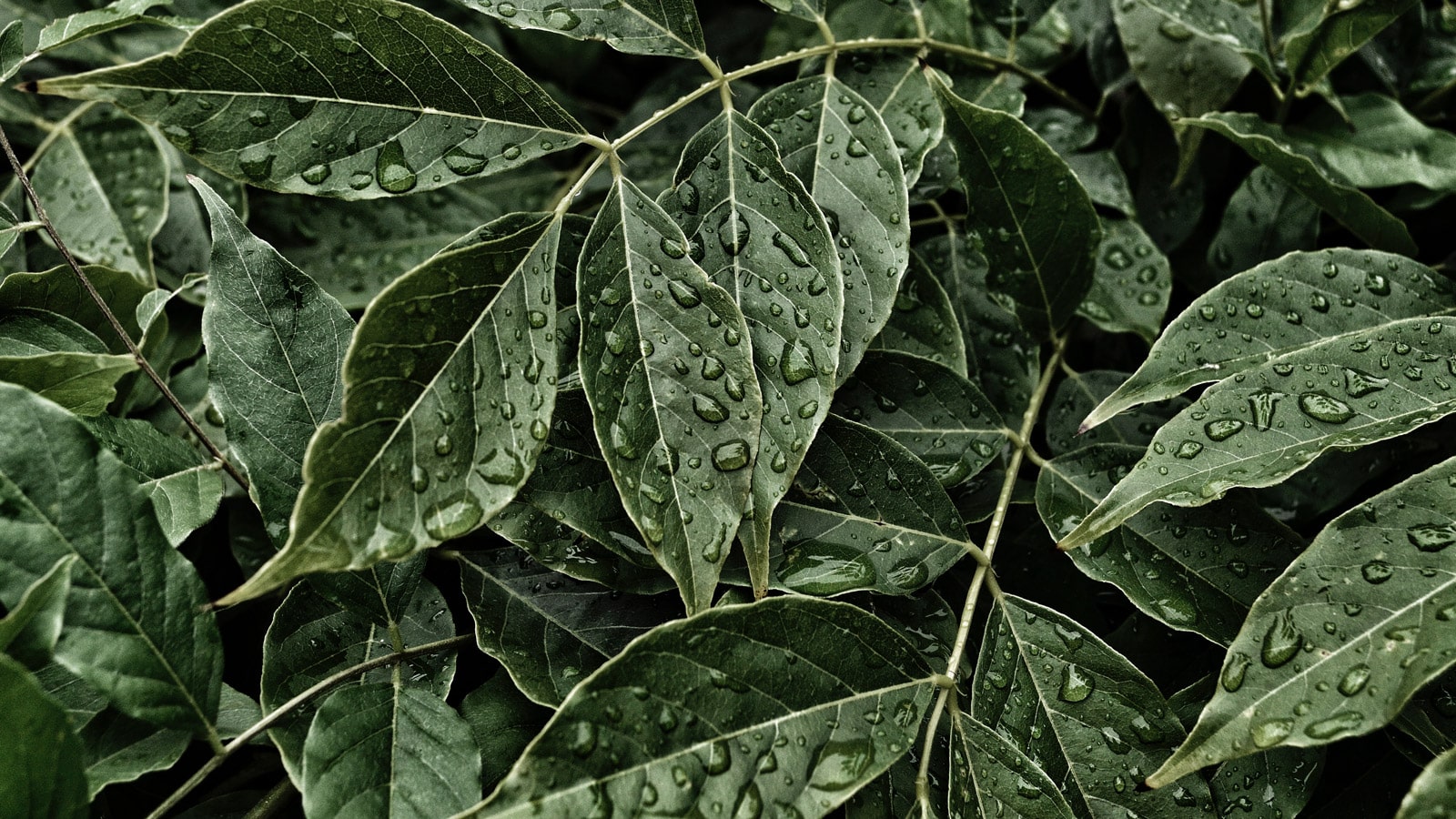
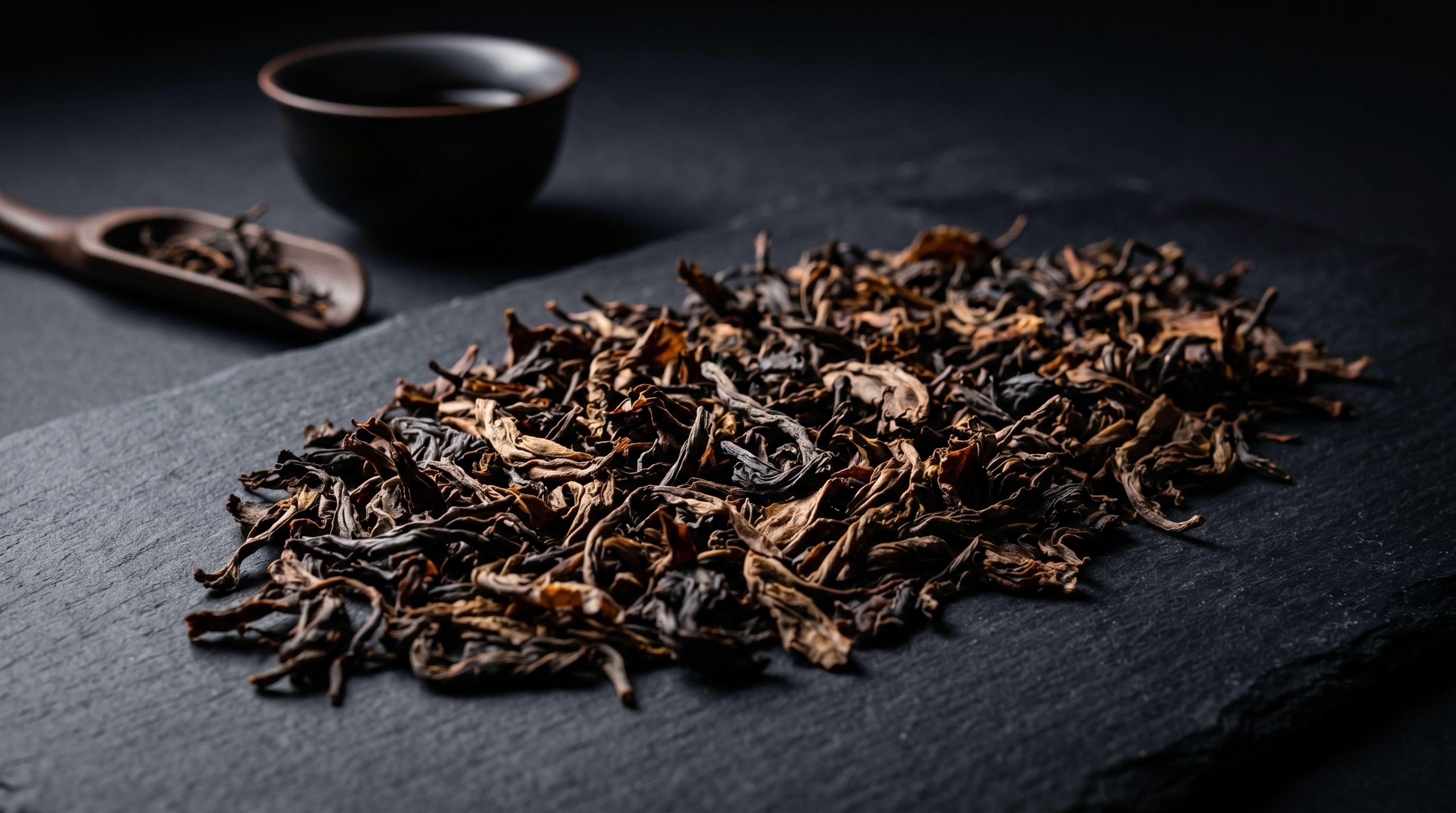
Moringa tea is a simple herbal drink made from dried moringa leaves. People often reach for it when they want something warm, green, and caffeine-free that fits into a calmer daily routine.
Its rise in wellness circles makes sense. The cup is easy to brew, the flavor is earthy and light enough for many people, and the leaves bring a long list of plant compounds that sound appealing to health-minded readers. Still, taste and safety matter just as much as the buzz around it.
This guide keeps things practical. You’ll get a clear look at the main benefits, the flavor you can expect, the best brew time, and the safety points that deserve attention.
Moringa tea benefits: what makes this green herbal drink worth trying
People usually drink moringa tea for gentle, everyday support. It feels like a calm cup rather than a loud one. That is part of the appeal.
The leaves contain antioxidants and helpful nutrients, including vitamins and minerals. In simple terms, that means the plant offers compounds that help the body handle everyday stress. It does not replace a balanced diet, but it can fit beside one.
Because it’s caffeine-free, moringa tea also works well when you want a warm drink without the buzz of coffee or black tea. Many people use it as a daily wellness tea, especially in the afternoon or evening. If you already enjoy hibiscus herbal tea for heart health, moringa may feel like another steady, low-key option.
Antioxidants, nutrients, and everyday wellness support
Moringa leaves contain plant compounds that act as antioxidants. These compounds help protect cells from daily wear and tear. That sounds plain, and it is, but plain habits often matter most.
The leaves also bring nutrients such as vitamin C, vitamin A, and iron. A tea won’t deliver the same amount as a full serving of food, yet it still adds something to your routine. For people who like herbal drinks with a little more substance, that matters.
Think of moringa tea as support, not a fix. It can be part of a healthy day, alongside good food, movement, sleep, and water. That balance keeps the claims honest.
How moringa tea may support digestion, blood sugar, and heart health
This is where the tea gets a lot of attention. Some people drink it for digestion, and others are curious about blood sugar or heart health. The research is still limited in humans, so the best approach is cautious.
Some early findings suggest moringa may help with inflammation and digestion. A few people also report less bloating after regular use. For that reason, it sometimes sits beside other gentle teas like dandelion tea for digestive health.
Blood sugar support is another common talking point. Some studies look promising, but the results are mixed, and dosage matters. Heart-related claims are similar. The tea may offer antioxidants and plant compounds that support overall wellness, yet it should not be treated as medical treatment.
What moringa tea tastes like, and how to make it easier to enjoy
The first sip often surprises people. Moringa tea tastes green in a very direct way. If you picture a cross between mild spinach, grass, and a light green herbal tea, you’re close.
The flavor is usually clean but earthy. Some cups taste soft and leafy. Others lean sharper, especially when the steep is long or the leaves are older. Tea bags and loose leaves can also vary a lot in quality, so one brand may taste gentler than another.
If you enjoy green herbs, the taste may feel comforting. If you prefer sweeter teas, you may want to soften it a little.
Flavor notes: earthy, green, grassy, and slightly bitter
The main notes are earthy, grassy, and a little bitter. Most cups stay light, but the edges can sharpen fast if the water is too hot or the steep runs long.
The aftertaste can feel vegetal, similar to cooked greens. That makes sense, since the tea comes from leaves. A mild cup is often more pleasant than a bold one, so less can be more here.
Freshness matters too. A good batch should smell clean and leafy, not dusty or flat. If the scent seems dull, the tea may taste dull as well.
Easy ways to soften the flavor with honey, lemon, or mint
A little honey can round off the bitterness and give the tea a softer finish. Lemon adds brightness, which cuts through the earthy notes. Mint cools the cup and makes it feel lighter on the tongue.
These additions work because they balance the green flavor instead of hiding it. Start small, then adjust next time. Too much sweetener can flatten the tea, while too much lemon can make it taste thin.
If you want a smoother cup without changing the character too much, try one add-in at a time. That makes it easier to find your favorite version.
The best brew time for moringa tea, plus a few easy recipe ideas
Moringa tea usually tastes best with a moderate steep. Too short, and it can taste weak. Too long, and the bitterness can take over.
Water temperature matters too. Very hot water pulls out more sharp flavor. A gentler pour gives you a smoother cup. If your tea package gives directions, follow those first, because brands can vary.
How long to steep for a smooth cup
A good starting point is 5 to 10 minutes. Around 5 minutes gives a lighter, greener taste. Closer to 10 minutes, the tea grows stronger and a bit more bitter.
If you’re new to it, start on the shorter side. Taste the cup, then steep a little longer next time if you want more depth. That simple adjustment usually works better than guessing.
For loose leaves, strain after steeping. For tea bags, remove the bag at the same point. The cup should taste fresh, not muddy.
Three simple moringa tea recipes to try at home
Here are three easy ways to make it at home.
- Basic hot moringa tea
Use 1 teaspoon dried moringa leaves or 1 tea bag and 1 cup hot water. Steep for 5 to 7 minutes, then strain and drink plain. - Honey lemon moringa tea
Brew the tea as above, then stir in 1 teaspoon honey and a squeeze of lemon. The honey softens the bitter edge, while the lemon brightens the cup. - Iced mint moringa tea
Steep a stronger batch with 2 teaspoons leaves or 2 tea bags in 1 cup hot water for 8 minutes. Add fresh mint, cool it, pour over ice, and top with cold water.
Each version gives you a different mood. The hot cup feels simple and grounded, the honey lemon version tastes brighter, and the iced mint glass works well on warm days.
Moringa tea safety: who should be careful before drinking it
Moringa tea is not a fit for everyone. That does not make it bad. It just means the leaf deserves respect, especially if you already manage a health condition.
The biggest concern is medication interaction. Moringa may lower blood sugar, so people who take diabetes medicine should ask a doctor before using it. It may also affect blood pressure medicine or other drugs, so a quick check with a clinician is smart.
Pregnancy needs special care. Pregnant women should avoid moringa unless a medical professional says otherwise. Some sources also advise caution for people getting chemotherapy or taking complex prescriptions.
Start with a small amount if you’re trying it for the first time. That gives you a chance to notice how your body responds before you make it a habit.
Medicines, pregnancy, and other times to ask a doctor first
Ask first if you take insulin, metformin, or other diabetes medicines. Ask first if you use blood pressure pills, blood thinners, or regular prescription drugs. Also ask first if you’re pregnant, trying to conceive, or receiving cancer treatment.
That guidance may sound cautious, but it’s the right kind of cautious. Herbs can be useful and still need care.
Signs the tea does not agree with you
Stop drinking it if you notice stomach upset, nausea, or a new rash. A strange headache or a racing feeling also deserves attention.
If the reaction is mild and fades, you may still want to pause and retry later in a smaller amount. If it’s strong or keeps returning, get medical advice. Your body usually gives clear feedback when a tea doesn’t suit you.
Conclusion
Moringa tea can be a useful caffeine-free herbal drink with a mild wellness boost, a green earthy taste, and a brew window that keeps it smooth. This delightful beverage not only provides hydration but is also packed with vital nutrients, making it a fantastic addition to your daily routine.
The best cups stay simple, especially when you keep the steep around 5 to 10 minutes, allowing the leaves to release their beneficial properties without becoming bitter. You may choose to add honey, lemon, or mint only if you want them, as these subtle additions can enhance the tea’s flavor profile while maintaining its wholesome essence. Furthermore, sipping on Moringa tea regularly may contribute to overall health, promoting energy and vitality throughout your day.
The same tea that feels easy to love can still need caution. Start with a small amount, and check first if you use medicines or if pregnancy is part of the picture.
Stay Connected for More Natural Living Inspiration
If you enjoyed this post about herbal wellness and love discovering natural ways to refresh your home and wellness, don’t miss out on future recipes and clean-living tips! Subscribe to the blog for weekly DIYs, wellness inspiration, and herbal remedies delivered straight to your inbox.
Don’t forget to visit my Amazon storefront for the links to my favorite essential oils, herbal teas, and natural recipes. I also create YouTube ambiance videos for sleeping; a channel I created to help people who have trouble sleeping. The link to all social media content is here.
Thanks for coming by!




Leave a Reply