
(DISCLAIMER: I am not a doctor, and you should consult your healthcare professional before starting any health regimen. Some links are commissioned and supports the blog)

Key Takeaways
- Relaxation support in busy moments: Magnolia’s soft floral aroma can help you feel more grounded when your mind won’t slow down.
- Linalool for calming effects: This key constituent is responsible for much of magnolia essential oil’s soothing relaxation properties.
- A smoother path to sleep: Many people diffuse it at night or use a diluted roll-on to promote sleep as part of a wind-down routine.
- Skin comfort and a “soft” feel: In proper dilution, magnolia’s soothing benefits make body oils and lotions feel more luxurious.
- Post-activity body ease: In massage blends, it can support that relaxed, loosened feeling after a long day or workout.
- Home fragrance without the harshness: A few drops in a diffuser can make a room smell clean, floral, and welcoming.
- Blends well with: Citrus, woods, and classic sleep oils like lavender.
- A little goes a long way: Magnolia is often rich and perfume-like, so low amounts usually smell best.
- Results vary: This is wellness support, not a cure or medical treatment.
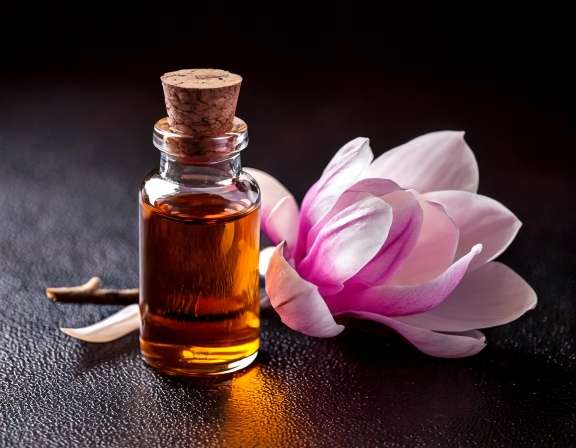
The day’s finally quiet. Dishes are done, lights are low, and the air feels soft. You twist open a small bottle and a sweet floral aroma rises up, creamy like petals warmed by skin. Magnolia essential oil has that kind of presence, sweet, smooth, and comforting without shouting for attention, delivering key magnolia essential oil benefits right from the start.
People use magnolia essential oil, derived from Michelia alba, for simple reasons: to help the nervous system settle, to make bedtime feel less sharp, to add a clean, cozy note to home fragrance, and to turn basic body care into a slower, nicer ritual with aromatherapy. This post covers the day-to-day benefits you can expect, practical ways to use it, and how to buy and blend it wisely.
Quick safety note: essential oils are concentrated. Always dilute for skin, patch test first, and use extra caution around pregnancy, young kids, and pets.
Magnolia essential oil benefits you can actually feel day to day
Magnolia doesn’t usually hit you with a sharp “peppermint wake-up” or a strong herbal punch. It’s more like a soft blanket for your senses. For many aromatherapy fans, that’s the point. You don’t need a dramatic effect to notice a shift, sometimes you just want your shoulders to drop half an inch for emotional well-being.
In daily life, magnolia oil benefits often show up in small moments: a calmer mood while making dinner, a more peaceful bedtime, a less tense feeling in your neck after too much screen time. The scent tends to feel floral, creamy, and slightly citrusy, depending on the species and how it’s extracted. In Traditional Chinese Medicine, magnolia has been valued for its role in promoting wellness. If you’ve ever smelled magnolia blossoms at dusk, you already understand the vibe.
There are a few easy ways to work it into real routines:
- Add magnolia essential oil to a diffuser while you tidy up, journal, or read.
- Use a personal inhaler for a quick reset between tasks.
- Blend it into a body oil so your evening shower doesn’t feel rushed.
The best part is how flexible it is. Magnolia can be the star of the blend, or it can be the soft middle note that makes other oils feel smoother and less sharp.
A calmer mood when your mind feels busy
Scent is like a shortcut to the emotional part of the brain. A floral aroma can signal comfort and safety, which is why people reach for magnolia essential oil to reduce stress and relieve anxiety when they want to feel less “wired.” It won’t erase your to-do list, but it may help your body stop reacting like every email is an emergency.
Try one of these low-effort options:
- Diffuser reset: Add 2 to 4 drops of magnolia essential oil to your diffuser, and run it for 15 to 30 minutes while you work or fold laundry.
- Personal inhaler: Put magnolia on an inhaler wick (follow your inhaler’s directions), then inhale gently a few times.
- Tissue inhale: Add 1 drop to a tissue, let it sit for a moment, then inhale from a comfortable distance.
A simple 30-second breathing prompt to pair with it: inhale through your nose for a slow count of 4, hold for 2, exhale for 6. Do that three times. Let the scent be a “now” signal for your body.
A gentler bedtime routine that helps you unwind
If your nights feel like a second shift, magnolia can help you create a clearer line between day and rest. Think of it as a natural sedative dimming the lights inside your nervous system, one small cue at a time.
Two easy ideas:
Diffuser blend for sleep (simple and low)
Use 2 drops magnolia plus 2 drops lavender essential oil in a diffuser for 20 minutes while you get ready for bed. Lavender essential oil and bergamot essential oil make great partners with magnolia for sleep-focused blends. Keep the scent light. Stronger isn’t always better when you’re trying to sleep.
Diluted roll-on for wind-down
In a 10 ml roll-on bottle, fill with carrier oil, then add essential oils at a gentle level (about 1 percent total). Apply to pulse points or the back of the neck, avoiding eyes and sensitive areas.
A few bedtime safety reminders: keep oils away from eyes, don’t apply right before touching your face, and avoid putting essential oils directly on pillows (especially if pets sleep on your bed). Pair the scent with low light and a no-phone rule, even for 10 minutes, and you’ve got a routine your body can learn.
Skin and body uses: soothing support without the guesswork
Magnolia can be a beautiful addition to your daily skincare routine and body care because it turns “I have to moisturize” into “I get to take care of myself.” Topical application is also where people can get into trouble if they skip dilution. Essential oils are potent, and magnolia is no exception.
Here’s a plain-language dilution guide many adults use:
- Face: 0.5 to 1 percent dilution (very low, especially if sensitive).
- Body: 1 to 2 percent dilution for daily use.
- Spot use (small areas only): Some people use 2 percent, but starting low is smart.
If you want the math to feel easy: for 1 tablespoon (15 ml) of carrier oil, use 2 drops of magnolia for a gentle everyday blend. For a stronger body blend, some adults go up to 4 drops per tablespoon, but it’s better to build slowly than to “power through” irritation.
Choosing the right carrier matters, too. Jojoba feels light, sweet almond feels soft and classic, and fractionated coconut oil feels clean and absorbs well. If you want a deeper guide to bases and ratios, this breakdown of carrier oils for essential oil dilution is a helpful reference.
If you have sensitive skin, eczema-prone skin, or you’re using it on the face, patch testing is non-negotiable. Apply a small amount to the inner forearm and wait 24 hours. If you see redness, itching, or a rash, stop.
For skin: comfort, soft glow, and that fresh-washed feeling
Most people aren’t using magnolia essential oil to “fix” skin. They’re using it to make skin care feel gentle and pleasant, providing comfort and soothing redness thanks to its anti-inflammatory properties. Magnolia’s floral scent turns body oil into a small luxury, like slipping into freshly washed sheets.
Two simple DIY ideas (no complicated equipment required):
1) Soft-skin body oil
Add 2 drops magnolia essential oil to 1 tablespoon of carrier oil (jojoba, sweet almond, or grapeseed) to moisturize the skin. Smooth onto damp skin after a shower, when your skin is still slightly wet. That’s when it spreads easily and feels less greasy.
2) Shower steam routine (easy aroma, no skin contact needed)
Add 1 to 2 drops of magnolia to a damp washcloth, then place it on the shower floor away from direct water. The steam lifts the scent. You get the experience without worrying about leave-on skin sensitivity.
Photosensitivity isn’t typically associated with magnolia the way it is with some citrus oils, but irritation can still happen from using too much or using it too often. If you notice warmth, redness, or stinging, wash it off and take a break.
For the body: a soothing massage after a long day
Magnolia is lovely in a massage blend because it feels calming without turning the whole room into a perfume counter. It’s especially nice for the places that hold quiet tension: neck, shoulders, hands, calves, and feet.
A short, practical recipe:
- Mix 2 to 4 drops magnolia essential oil into 1 tablespoon of carrier oil.
- Massage into shoulders or feet with slow pressure to improve circulation, then wash your hands.
A few important boundaries: don’t use on broken skin, avoid mucous membranes, and keep it away from eyes. If you’re massaging feet, make sure you won’t be walking on slippery floors right after. Comfort is the goal, not a surprise fall.
How to choose, blend, and use magnolia oil safely
Not every “magnolia” product is the same, and labels can be confusing. In plain terms:
- Magnolia essential oil: Usually Steam distilled; light, aromatic compounds only.
- Magnolia CO2 extract: Pulled with carbon dioxide; can smell richer and closer to the plant.
- Magnolia absolute: Solvent-extracted; often very concentrated, used more in perfumery.
- Magnolia fragrance oil: Lab-made scent; not the same as an essential oil, and not used the same way.
For aromatherapy benefits, such as sometimes supporting respiratory issues, most people want a true essential oil (or a clearly labeled CO2). For skin use, quality matters because impurities and vague blends can raise the risk of irritation.
Storage affects your results more than you’d think. Heat and light can flatten an oil’s scent over time. Keep your bottle tightly closed, store it in a cool cabinet, and don’t leave it next to a sunny window.
If you’re building a small, practical home collection, it also helps to keep a simple safety mindset. This guide on natural first aid kit essentials is a good reminder that essential oils work best when you treat them like concentrated tools, not casual body sprays.
Picking a quality Magnolia essential oil bottle so you get the real benefits
A good Magnolia essential oil usually tells you what it is, clearly and specifically. Look for:
- Botanical name (common ones include Magnolia alba (White jade orchid), Magnolia champaca (White champaca), or Magnolia grandiflora, depending on the product)
- Plant part (flower is common)
- Extraction method (steam-distilled, CO2, or absolute)
- Country of origin
- Batch testing info (many reputable brands offer GC-MS reports on request, which can confirm key active compounds like Honokiol)
Be cautious with labels that only say “magnolia oil” with no botanical name, or bottles priced far below the usual range. Magnolia can be costly to produce, so extremely cheap products are often diluted, synthetic, or fragrance-based.
Easy blends that make magnolia shine (and don’t overpower)
Magnolia blends well with oils that brighten it or ground it. Keep blends simple so the scent stays airy instead of heavy.
- Magnolia + bergamot: bright calm, like clean sheets and morning light
- Magnolia + lavender: classic bedtime comfort
- Magnolia + cedarwood: soft floral with a warm, woody base
- Magnolia + frankincense: quiet, centered, and steady
- Magnolia + sweet orange: cheerful and gentle, great for daytime diffusing
- Magnolia + jasmine essential oil: lush and floral, more perfume-like
- Magnolia + sandalwood: creamy, slow, and cozy for evening routines
Quick mental checklist to keep it safe and simple:
- Start with low drops
- Dilute for skin
- Patch test new blends
- Diffuse in time blocks, not all day
- Use extra caution with pregnancy, kids, and pets
Conclusion
Magnolia essential oil benefits tend to feel quiet but real: a calmer mood, a softer bedtime routine, a more comforting body-care ritual, and a home that smells clean and welcoming. It’s the kind of oil that doesn’t demand attention; it invites you to slow down for true relaxation.
If you’re new to it, start your aromatherapy practice low and go slow. Diffuse it once for 20 minutes, or make a small 1 percent body oil and see how your skin responds. Notice the simple stuff: your breathing, your shoulders, the tone of the room.
Try one magnolia recipe tonight, then check in with yourself after. Did the evening feel a little gentler? That’s often where magnolia’s soothing benefits shine best.
Stay Connected for More Natural Living Inspiration
If you enjoyed this post about herbal wellness and love discovering natural ways to refresh your home and wellness, don’t miss out on future recipes and clean-living tips! Subscribe to the blog for weekly DIYs, wellness inspiration, and herbal remedies delivered straight to your inbox.
Don’t forget to visit my Amazon storefront for the links to my favorite essential oils, herbal teas, and natural recipes. I also create YouTube ambiance videos for sleeping; a channel I created to help people who have trouble sleeping. The link to all social media content is here.
Thanks for coming by!



Leave a Reply