
(DISCLAIMER: I am not a doctor, and you should consult your healthcare professional before starting any health regimen. Product links are commissioned and supports the blog)

Key Takeaways:
- Lemongrass essential oil is best known for its fresh scent and “clean house” vibe.
- It’s popular for air freshening, DIY cleaning, and summer bug season.
- For skin or scalp, dilution matters, and patch testing saves headaches.
- Quality varies, so label checks help you avoid “fragrance oil” mixes.
- Use extra care around pets (especially cats) and sensitive lungs.
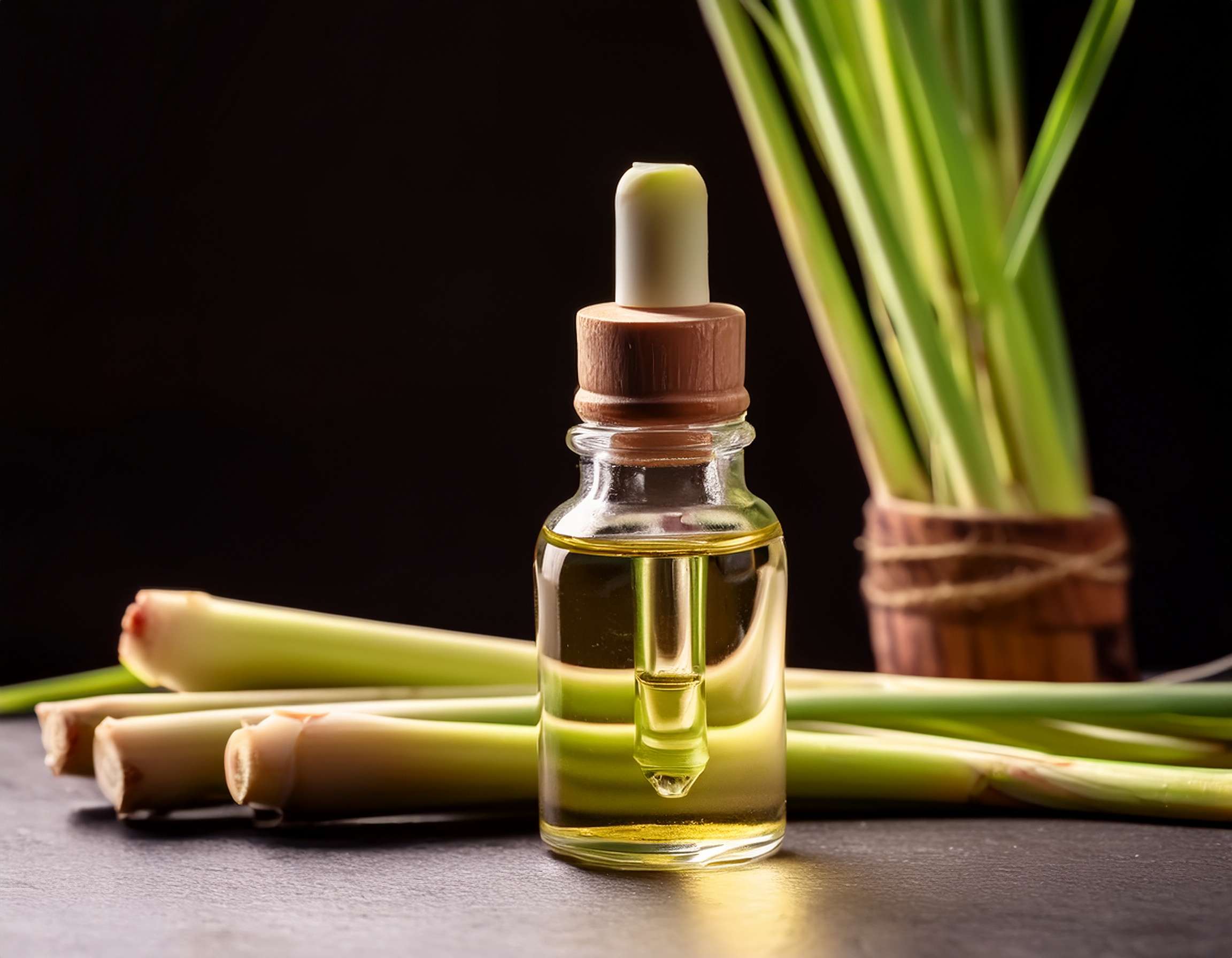
Lemongrass essential oil smells bright, lemony, and grassy, like you just crushed fresh stalks between your fingers. People love it because it’s simple to use, usually affordable, and fits into daily life in a bunch of ways, from freshening the air to boosting a DIY cleaner.
Quality and safe use matter, especially on skin and around pets. A little goes a long way, and “more drops” isn’t a shortcut to better results.
What lemongrass essential oil is, and what’s inside that makes it work
Lemongrass essential oil comes from the long, blade-like leaves of Cymbopogon grasses (you’ll see Cymbopogon citratus and Cymbopogon flexuosus most often). The oil is usually made by steam distillation, which is a fancy way of saying steam pulls the aromatic compounds out of the plant material, then that vapor cools back into liquid. The essential oil floats on top and gets separated.
That “freshly scrubbed” smell isn’t just in your head. Lemongrass oil is naturally rich in citral, a compound that’s actually a mix of two parts: geranial and neral. Citral is a big reason lemongrass smells so sharp and lemony, and why it’s used in home freshening blends and cleaners.
You’ll also run into smaller amounts of natural compounds like geraniol and limonene. In plain language, these help round out the scent (less harsh, a bit sweeter), and they’re part of why lemongrass oil is often picked for that “cleaning boost” feeling. Many people also like lemongrass for skin and outdoor use because strong, citrus-like aromas tend to be less welcome to certain insects.
One important reality check: the same compounds that make lemongrass smell strong can also make it too intense for skin if you use it straight. Undiluted lemongrass oil can cause stinging, redness, or a rash for some people. That’s not a sign the oil is “working,” it’s a sign your skin barrier is irritated.
How to pick a good bottle without overthinking it
Shopping for essential oils can get weird fast, so keep it simple. A good lemongrass oil usually passes a few basic checks:
- Latin name on the label (look for Cymbopogon citratus or Cymbopogon flexuosus).
- Plant part listed (leaf is common for lemongrass).
- Country of origin (not required, but it’s a good sign of transparency).
- Batch info or testing transparency (some brands share GC/MS reports, even if you don’t read them).
- Packaging and scent: dark glass bottle, and a true lemon-grass aroma, not sugary “lemon candy.”
Be cautious with bottles labeled fragrance oil, perfume, or vague blends that don’t list the plant name. Those can smell nice, but they’re not the same thing, and they’re not a good match for skin use.
The real-life benefits people use lemongrass oil for at home
When people talk about lemongrass essential oil benefits, they usually mean one thing: it makes everyday routines feel fresher. It’s the kind of oil you reach for when your kitchen smells like last night’s dinner, when you want your counters to smell clean, or when summer evenings bring unwanted buzzing guests.
Keep expectations grounded. Lemongrass oil can support comfort and daily wellness habits, but it isn’t a substitute for medical care or regulated products. Also, scent is personal. Some people find it energizing, and others think it’s too sharp. Try it in small amounts first.
Fresh-smelling air and better mood support
Lemongrass is a go-to for air freshening because it smells crisp and confident. It can help “cut” musty odors in a closed room, and it’s a nice reset after cooking (especially fish, garlic, or anything fried).
For many people, that bright scent also feels mentally clearing, like opening the windows on the first warm day. It won’t fix a bad day, but it can help set a lighter tone while you work, clean, or journal.
A simple way to use it:
- Add 3 to 5 drops to a water-based diffuser.
- Run it for 30 to 60 minutes, then take a break.
If lemongrass feels too sharp on its own, blend it with something softer. Lavender adds calm, peppermint adds a cool edge, and cedarwood can make it feel warmer and less “lemon cleaner.”
Natural cleaning boost for kitchens, bathrooms, and yoga mats
Lemongrass is popular in DIY cleaning because it gives that “just cleaned” smell, and it pairs well with simple ingredients you already have. It’s especially nice for quick wipe-downs, yoga mats, and trash can areas.
A basic recipe outline (keep it flexible):
- Water as the base
- A small amount of Castile soap or rubbing alcohol
- A few drops of lemongrass oil
- Shake before each use
Always spot test first, especially on stone, sealed wood, or delicate finishes. Essential oils can dull some surfaces over time.
One more important note: a good-smelling spray isn’t the same as disinfection. If you need true disinfection (like after raw meat prep), follow a product label that’s made for that job, and use your lemongrass spray for freshening and everyday cleanup.
Skin and scalp support when diluted the right way
Lemongrass essential oil is often used for oily or sweaty skin days because it has a “toned and fresh” feel when properly diluted. Some people also like it for the look of occasional blemishes, mostly because it helps them keep a simple routine they’ll actually stick with.
For scalp, lemongrass can feel refreshing, especially if your hair gets heavy fast or you want your roots to smell cleaner between wash days. The key is keeping the dose low. Too much can irritate, and scalp irritation can look a lot like “dryness” that won’t go away.
Start with small dilutions:
- 1% for face: about 1 drop per 1 teaspoon of carrier oil
- 2% for body: about 2 drops per 1 teaspoon of carrier oil
You can use it in a roller blend (carrier oil plus essential oil), or add a diluted blend to a scalp massage before shampooing. Avoid the eyes, inner ears, and broken skin, and don’t treat “tingling” like a badge of honor.
Bug season help for patios and evenings outside
Lemongrass essential oil is famous for bug season because its strong scent may help make you less appealing to insects. Results vary by person, weather, and what bugs you’re dealing with. Still, many households keep lemongrass in rotation for summer nights on the porch.
Easy ways to use it:
- Outdoor diffuser near seating (not right beside your face)
- A light body spray (properly diluted and shaken before use)
If you want more ideas for outdoor pests, this guide on Lemongrass oil as a natural fly repellent can help you build a simple plan for home and patio use.
A reality check: essential oils aren’t the same as registered insect repellents. If you need reliable protection (ticks, heavy mosquitoes, travel), use a product made for that purpose. Also avoid using essential oils on very young kids unless a qualified professional guides you.
How to use lemongrass essential oil safely, without irritating your skin
Lemongrass oil is powerful, and that’s why safety matters. The biggest rule is simple: don’t use it neat (straight from the bottle) on skin. Most irritation stories come from overdoing it.
For daily skin use, stick to low dilution and keep it off sensitive areas. If you’re using it for body, short-term use at a slightly higher dilution can work for some people, but only if your skin tolerates it. Wash your hands after applying blends, and keep oils away from eyes, lips, nostrils, and other mucous membranes.
Photosensitivity comes up a lot with citrus oils. Lemongrass isn’t known as strongly phototoxic like expressed bergamot or some lemon oils, but caution still makes sense. If you’re trying a new lemongrass body blend, don’t apply it right before sun exposure. Use it at night first, or keep it to areas covered by clothing.
Skip or pause use if:
- You have a rash, broken skin, or active irritation
- You’re reacting with burning, itching, or swelling
- The scent triggers headaches or breathing discomfort
Extra care situations:
- Pregnancy and nursing: check with a trusted healthcare professional, and keep diffusion light.
- Kids: use very low amounts, and avoid routine topical use without guidance.
- Asthma-sensitive homes: diffuse for shorter times, and ventilate the room.
- Pets: be careful, especially with cats, since they process some aromatic compounds differently. Don’t diffuse in closed rooms with pets, and never apply oils to their fur or paws unless a vet directs it.
Storage matters more than people think. Keep the bottle capped tight, away from heat and direct sun. If it smells “off” (stale, sour, or like old cleaner), or it’s been sitting open often, it’s time to replace it. Old, oxidized oil can be more irritating.
Quick dilution guide and patch test steps you can follow in 5 minutes
A few rules of thumb keep things easy:
- Start at 1% dilution for most uses.
- Go up to 2% for short-term body use if you tolerate it.
- Avoid “strong for results” thinking. Strong often just means irritating.
Patch test steps:
- Mix your lemongrass oil into a carrier (like jojoba, sweet almond, or fractionated coconut oil).
- Apply a small amount to your inner forearm.
- Wait 24 hours without washing that spot a bunch.
- Watch for redness, burning, itching, or swelling.
A mild cooling feeling can happen with some oils, but tingly doesn’t always mean normal. If it feels hot, prickly, or uncomfortable, wash it off with soap and water and stop using that blend.
Conclusion
Lemongrass essential oil benefits show up in everyday moments: a fresher-smelling home, a brighter mood, a simple cleaning routine, and some extra help during bug season. It can also support skin and scalp comfort when you keep the dilution low and stay consistent. The biggest safety point is also the simplest: dilute it and patch test before you commit to using it regularly.
If you want an easy start, diffuse lemongrass for 30 minutes, or mix a small cleaning spray for quick wipe-downs. Listen to your body, and if irritation shows up, stop and simplify.
Stay Connected for More Natural Living Inspiration
If you enjoyed this post about herbal wellness and love discovering natural ways to refresh your home and wellness, don’t miss out on future recipes and clean-living tips! Subscribe to the blog for weekly DIYs, wellness inspiration, and herbal remedies delivered straight to your inbox.
Don’t forget to visit my Amazon storefront for the links to my favorite essential oils, herbal teas, and natural recipes. I also create YouTube ambiance videos for sleeping; a channel I created to help people who have trouble sleeping. The link to all social media content is here.
Thanks for coming by!


Leave a Reply