
(DISCLAIMER: I am not a doctor, and you should consult your healthcare professional before starting any health regimen.)

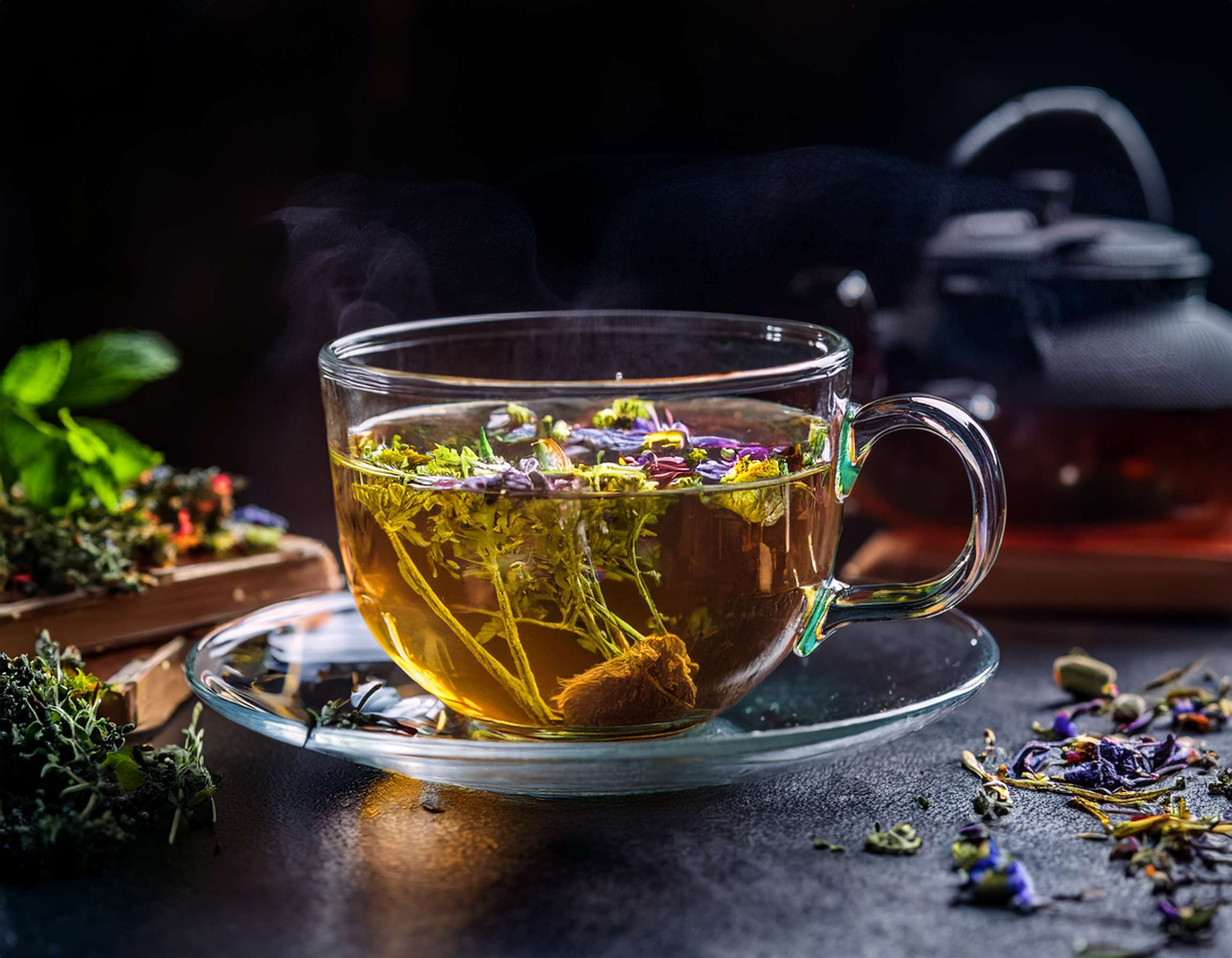
A cup of lemon verbena tea fills the kitchen with a bright lemon scent without the sharpness of citrus juice. This caffeine-free herbal infusion has a soft, calming character that fits easily after dinner or before bed.
Traditional use and early research suggest possible support for comfortable digestion and relaxation. Still, lemon verbena tea isn’t a cure or a replacement for medical care. The right brew time also matters, since a longer steep can turn its gentle flavor bitter. Here is how to prepare it, what it may help with, and who should ask a health professional first.
Key Takeaways
- Lemon verbena tea may support comfortable digestion after a heavy or rich meal.
- Its soothing aroma can fit into a calm bedtime routine, although evidence for sleep benefits remains limited.
- A practical brew time is 7 to 10 minutes with the cup covered.
- Longer, stronger infusions may taste bitter, so adjust the amount of leaves before steeping longer.
- Pregnant or breastfeeding people, children, and anyone taking regular medicines should ask a qualified health professional before drinking it often.
Lemon Verbena Tea Benefits: What It May Help With
Lemon verbena, known botanically as Aloysia citrodora, has narrow leaves with a strong lemon fragrance. People have traditionally prepared the leaves as an infusion for indigestion, gas, bloating, stomach cramps, and general digestive discomfort.
That traditional use makes a cup appealing after a large meal. The warm liquid may feel comforting on its own, while the herb’s aromatic compounds can make the drink pleasant and refreshing. Some herbal sources describe lemon verbena as mildly antispasmodic, meaning it may help relax intestinal muscle activity. However, strong human evidence remains limited.
For readers with sensitive digestion, gentle herbs can be useful additions to everyday routines. You can find more ideas in this guide to herbs for digestion and gut health, especially if you prefer mild flavors over strong mint or spice.
Lemon verbena is also traditionally used for relaxation. Its fresh scent and warm, caffeine-free character may help create a slower evening ritual. Drinking it while lowering the lights, putting away screens, or reading a few pages can give your body a consistent signal that the day is winding down. The tea may support that routine, but it hasn’t been proven to treat anxiety or insomnia.
Some early research examines lemon verbena’s antioxidant and anti-inflammatory compounds. Those findings are interesting, yet they don’t prove that a cup of tea will reduce chronic inflammation, relieve pain, or prevent illness. The amount of active compounds in a homemade infusion also varies with the plant, harvest, storage, and steeping method.
Lemon verbena tea is best viewed as a pleasant beverage with possible gentle digestive and calming benefits, not as a treatment for a health condition.
You may enjoy it after a heavy meal, during a quiet afternoon, or as part of a relaxing bedtime habit. If ongoing bloating, pain, reflux, diarrhea, or sleep problems concern you, seek medical advice instead of relying on tea alone.
How to Brew Lemon Verbena Tea and Get the Brew Time Right
A good starting point is 1 to 2 teaspoons of dried lemon verbena leaves per cup of water. For fresh leaves, use a small handful, rinse them, and lightly tear or bruise them with clean fingers. This helps release their lemony aroma.
Heat fresh water to about 90 to 95 C, just below a full rolling boil. Pour it over the leaves, cover the cup, and steep for 7 to 10 minutes. Covering the cup keeps the volatile aromatic compounds from escaping with the steam.
Five minutes produces a lighter, delicate cup. Ten minutes creates a fuller herbal flavor with more body. A small infusion comparison reported a balanced result at about six minutes and 90 C, while tea sellers commonly recommend five to eight minutes. The practical range depends on the leaf size and your taste.
Strain the leaves before drinking, then taste the tea before adding honey. If the cup tastes weak, increase the amount of leaves next time. Steeping far beyond 10 minutes can bring out a bitter or grassy edge. More leaves and a normal brew time usually give you better control than leaving the tea in hot water for much longer.
Fresh lemon isn’t necessary because the leaves already have a clear citrus scent. If you want extra brightness, add a thin lemon slice after straining. Honey can soften the herbal taste, but wait until the tea cools slightly before stirring it in.
Simple lemon verbena recipes
Classic evening infusion
Ingredients
- 1 to 2 teaspoons dried lemon verbena leaves
- 1 cup water
- 1 teaspoon honey, optional
Heat the water to 90 to 95 C and pour it over the leaves. Cover and steep for 7 to 10 minutes, then strain. Taste the tea before adding honey, and serve warm.
Lemon verbena and ginger digestive cup
Ingredients
- 1 teaspoon dried lemon verbena leaves
- 2 to 3 thin slices fresh ginger
- 1 cup water
- A small lemon slice, optional
Place the lemon verbena and ginger in a cup or teapot. Add hot water, cover, and steep for 7 to 8 minutes. Strain the drink and add a lemon slice if you want a sharper citrus note. Ginger has a stronger flavor, so start with a small amount.
Cooling mint and verbena tea
Ingredients
- 1 teaspoon dried lemon verbena leaves
- 4 to 6 fresh mint leaves
- 1 cup water
- Ice, optional
- 1 teaspoon honey, optional
Steep the lemon verbena and mint in hot water for 7 minutes. Strain and sweeten while the tea is warm, if desired. Let it cool, then pour it over ice for a refreshing afternoon drink. For a more delicate flavor, use less mint rather than reducing the brew time too far.
The leaves can often handle a second, lighter infusion, especially when you use fresh material. The second cup will have a softer aroma and less intensity, so taste it before adding more leaves.
Who Should Skip Lemon Verbena Tea or Ask First?
Many healthy adults appear to tolerate lemon verbena in normal tea amounts. However, safety research is limited, and there are no widely accepted official dosing guidelines for frequent or concentrated use. A small cup now and then is different from drinking several strong infusions every day.
Pregnant and breastfeeding people should avoid regular use unless a qualified health professional gives specific advice. Safety during pregnancy and lactation hasn’t been established well enough to assume that frequent herbal tea is harmless.
Children should also receive professional guidance before drinking it regularly. Their bodies handle herbs differently, and a homemade tea can vary in strength. The same caution applies to anyone with a medical condition, especially kidney disease or a history of plant allergies.
Lemon verbena may cause stomach irritation in some people, particularly with excessive or prolonged use. Stop drinking it if you develop nausea, worsening stomach discomfort, an itchy rash, swelling, or breathing trouble. Seek urgent care for serious allergy symptoms.
The herb may also make some people feel sleepy. Use extra care if you take sedatives, sleep medicines, or other products that cause drowsiness. Alcohol may increase that effect. Ask a pharmacist or clinician about possible interactions if you take prescription medicines, over-the-counter drugs, or several supplements.
People with kidney problems should ask before making lemon verbena a regular drink. Large amounts have raised concerns about kidney irritation, although the evidence is not strong enough to establish a clear risk for ordinary tea use.
Tea made from the leaves is not the same as lemon verbena essential oil. Never swallow undiluted essential oil unless a qualified clinician specifically directs you to do so.
If you have a chronic condition or take daily medicine, mention the herb by its botanical name, Aloysia citrodora, when asking for advice. That helps prevent confusion with lemon balm, lemon-scented plants, or blended products with several ingredients.
Conclusion
Lemon verbena tea is a bright, caffeine-free drink with a soft herbal finish. It may offer gentle digestive comfort and support a calming evening routine, but its benefits shouldn’t be overstated.
Start with a mild cup using 1 to 2 teaspoons of dried leaves and a 7 to 10 minute brew time. Pregnant or breastfeeding people, children, anyone with allergies or a medical condition, and people taking medicines should ask a health professional before regular use. Enjoy the tea as one soothing part of a balanced routine, never as a substitute for professional care.
Stay Connected for More Natural Living Inspiration
If you enjoyed this post about herbal wellness and love discovering natural ways to refresh your home and wellness, don’t miss out on future recipes and clean-living tips! Subscribe to the blog for weekly DIYs, wellness inspiration, and herbal remedies delivered straight to your inbox.
Don’t forget to visit my Amazon storefront for the links to my favorite essential oils, herbal teas, and natural recipes. I also create YouTube ambiance videos for sleeping; a channel I created to help people who have trouble sleeping. The link to all social media content is here.
Thanks for coming by!



Leave a Reply