

(DISCLAIMER: I am not a doctor, and you should consult your healthcare professional before starting any health regimen. Product links are commissioned and supports the blog)

Key Takeaways:
- Lemon oil is best as a supporting player in a routine, not a cure for skin issues.
- Always dilute it, and keep face use extra low.
- Cold-pressed lemon oil can be phototoxic, meaning UV exposure after use can cause burns or dark marks.
- Rinse-off products are the easiest, lowest-drama way to use it.
- A patch test saves you from guessing and regretting it later.
A lot of people reach for lemon oil when they want a more “clarified” feel, especially if they deal with oiliness, dull-looking skin, or product buildup in hair. But lemon essential oil is also one of those oils that can punish you if you treat it like a gentle face serum. Used the wrong way, it can irritate skin and increase sun sensitivity (phototoxicity is the big one).
That clean, bright scent of lemon essential oil can make a routine feel instantly fresher. It’s the kind of smell that says “reset,” even if your day is a mess and your skin is acting up.
This post covers realistic benefits, safe dilution, sun rules, and a few DIY ideas you can actually stick with.
What lemon essential oil can do for skin and hair (realistic benefits)
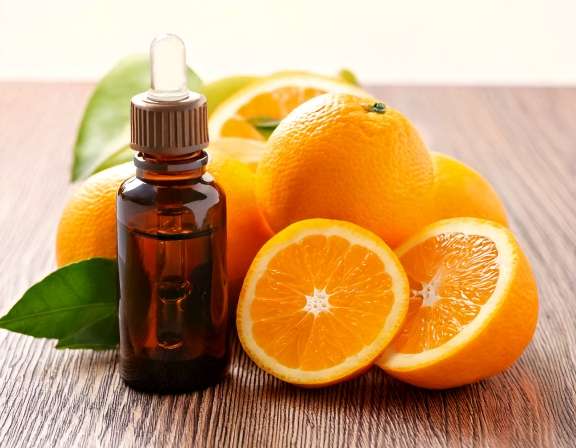
Lemon essential oil usually comes from the peel of the lemon. It’s a concentrated mix of aromatic plant compounds, which is why it smells so strong and why a little goes a long way. That also means it’s not the same thing as lemon juice, and it’s definitely not a “natural” shortcut you can slap on your face without thinking.
An essential oil is not a carrier oil. It evaporates, it’s potent, and it needs dilution for skin use. A carrier oil (like jojoba or sweet almond) is the gentle base that spreads the essential oil out so your skin can handle it. If you’re still getting comfortable with carriers, this guide helps you match oils to your skin type and keep ratios safe: How to safely dilute essential oils with carrier oils
Quality matters more than people think. Look for fresh, properly stored essential oil from a reputable brand. Lemon oil oxidizes faster than many oils, and old, oxidized citrus oil is more likely to irritate skin. Store it in dark glass, cap it tight, and keep it away from heat and sunlight. Also, make sure you’re buying essential oil, not a “fragrance oil” (those are made for scent, not skin).
For oily or dull-looking skin, it can feel clarifying
Lemon oil is popular in skincare because it can make products feel “cleaner” and lighter. In a very low dilution, it pairs well with routines built for oily skin, where the goal is to feel fresh without stripping everything.
It’s also a scent thing. Lemon smells crisp and bright, and that alone can make a morning routine feel more energizing. That might sound fluffy, but routines are easier to keep when they feel good.
What it does not mean: it’s not a promise to “clear acne,” “erase dark spots,” or “fix texture overnight.” Skin is more complicated than that. Lemon oil is best used as a small add-on in a blend, not as a main active ingredient.
If you want that “fresh” vibe without pushing your skin too hard, keep lemon as a tiny part of a formula, or choose rinse-off use instead of leave-on.
For hair and scalp, it’s mostly about freshness and buildup support
For hair, lemon essential oil is usually about the feel. It can support a fresher scalp routine, especially if your hair gets weighed down by oils, dry shampoo, or heavy styling products.
The safest way to use it is in rinse-off products, like shampoo, conditioner, or a quick scalp treatment that you wash out. Some people also like a very diluted scalp oil before showering, but you still need to be careful, especially if your scalp is irritated or scratched.
Essential oils also don’t replace medicated options. If you’re dealing with stubborn flakes, itching, or suspected dandruff, lemon oil isn’t a substitute for a treatment shampoo your dermatologist recommends. Think of it like a nice supporting habit, like wiping down your kitchen counters, not a deep mold fix.
Patch test matters here too. Scalps can react fast, and you don’t want to find out mid-week when your hair needs washing and your head feels like it’s on fire.
Safety first: dilution, phototoxicity, and who should skip it
Lemon essential oil can be useful, but it’s one of those oils where safety rules aren’t optional.
First, dilution. Most irritation stories start with “I used just a drop,” which usually means “I used it straight.” Straight essential oils can cause redness, burning, itching, or a rash, even if the oil smells clean and “natural.” The face is extra sensitive, so keep facial blends lower than body blends.
Second, phototoxicity. Some citrus oils (including lemon) contain compounds that can react with UV light. In plain language: you apply it, then sunlight hits your skin, and you can end up with something that looks like a burn or blotchy dark marks. This can happen even if you don’t feel irritation right away.
Here’s the important detail: expressed (cold-pressed) lemon oil is the bigger phototoxic concern because it keeps more of those UV-reactive compounds from the peel. Steam-distilled lemon oil is generally considered lower risk, but it’s still smart to treat it with caution, especially in leave-on products.
Check the label. If it doesn’t say cold-pressed or steam-distilled, don’t assume.
People who should be extra careful, or skip it altogether in leave-on skincare:
- Anyone with very sensitive skin, eczema-prone skin, or a history of reactions
- Anyone using retinoids, strong acids, or prescription acne products (your barrier may already be stressed)
- Anyone who spends a lot of time outdoors, even in winter
- Kids and babies (ask a qualified professional first, and when in doubt, don’t)
Also keep essential oils away from eyes, nostrils, and lips. Lemon oil near the inner corners of your nose is a fast way to regret your choices.
If you want more general safety basics for having essential oils around the house, this natural kit guide is a good reference point: Essential oils to stock in a natural first aid kit
Simple dilution guide you can follow without doing math
You don’t need to turn your bathroom into a lab. A simple drop guide gets you close enough to stay safe.
For beginners, these are conservative, skin-friendly starting points for leave-on blends:
- Face oils (about 0.5%): 1 drop lemon essential oil per 2 teaspoons carrier oil
- Body oils (about 1 to 2%): 2 to 3 drops lemon essential oil per 1 tablespoon carrier oil
If you’re sensitive, go lower. With citrus, less is better.
Beginner-friendly carriers:
- Jojoba oil is a solid choice for face because it feels lightweight.
- Sweet almond oil works well for body and feels soft on dry areas.
- Fractionated coconut oil is easy for body blends and doesn’t feel too heavy.
Avoid applying blends right next to your eyes, around your nostrils, or on lips. Those spots react faster than you’d expect.
Patch test steps (quick and simple):
- Mix your diluted blend first.
- Apply a tiny amount to your inner forearm.
- Leave it alone for 24 hours (no scrubbing that spot).
- If you get redness, bumps, itching, or heat, don’t use it.
Phototoxicity and sun exposure, the rule that saves your skin
The safest rule is easy to remember: no sun after leave-on citrus.
If you use lemon essential oil in a leave-on product, keep it for nighttime, and don’t treat the next day like a “maybe it’s fine” situation. UV is UV. That includes cloudy days, car rides with sun through the window, and tanning beds.
If you want lemon in your routine without worrying as much, use it in rinse-off products (like a scrub you wash away) instead of leave-on oils.
Higher-risk situations where lemon oil is more likely to backfire:
- Applying on neck and chest (sun hits these areas a lot)
- Beach days, hiking days, or outdoor workouts
- Right after shaving or waxing (skin is more reactive)
- When your skin is already irritated or freshly exfoliated
- Using acids or retinoids the same night as a lemon blend
If any of that sounds like your life, keep lemon oil in the shower category, not the serum category.
Easy lemon essential oil beauty recipes you can actually use
These recipes are meant to be simple and realistic. No 18-step spa routine, no ingredients you’ll use once and forget.
A few basics before you start:
- Use clean tools and keep water out of jars.
- Store blends in dark glass if possible, in a cool spot.
- Citrus blends smell best when they’re fresh, so make small batches and use within a few weeks.
- Patch test every recipe, even if you’ve used lemon oil before.
Bright-smelling shower scrub (rinses clean, low drama)
This is the easiest place to start because it’s rinse-off. You get the scent and the “fresh” feel, with less phototoxic stress.
Ingredients (about an 8-ounce jar)
- 1 cup sugar (white or brown)
- 1/3 cup carrier oil (sweet almond, jojoba, or fractionated coconut)
- 3 to 6 drops Lemon Essential Oil (keep it conservative)
- Optional: 1 teaspoon honey or 1 capsule vitamin E (for a little extra skin feel)
Steps
- Stir sugar and carrier oil until it looks like wet sand.
- Add lemon essential oil, then stir again.
- Spoon into a clean jar and cap tightly.
Use it 1 to 2 times a week in the shower. Massage onto damp skin, then rinse well. Don’t use it right after shaving, and don’t let shower water drip into the jar (water can shorten shelf life).
Clarifying clay mask boost (only if your skin tolerates it)
Clay masks are short contact time, but lemon oil can still irritate. This is one of those “listen to your face” recipes. If you feel stinging, rinse it off.
Ingredients (single use)
- 1 tablespoon kaolin clay (gentler) or bentonite clay (stronger)
- Enough water or aloe gel to make a smooth paste
- 1 teaspoon carrier oil (jojoba or grapeseed work well)
- 1 drop lemon essential oil
Steps
- Mix the lemon essential oil into the carrier oil first. This helps it spread evenly.
- In a separate bowl, mix clay with water or aloe gel.
- Stir the lemon-infused carrier oil into the clay paste.
- Apply a thin layer, avoiding eyes and corners of nose.
- Leave on 5 to 8 minutes, then rinse before it fully cracks and dries.
Limit to once a week. Follow with a plain moisturizer. Skip this on any days your skin feels dry, tight, or over-exfoliated.
Nighttime “glow” face oil blend for oily skin (very low dilution)
This is the one leave-on recipe, and it’s intentionally low. If you’re prone to irritation, skip lemon entirely and keep the blend to a gentler oil you already tolerate.
Ingredients (1-ounce bottle)
- 1 ounce jojoba or grapeseed oil
- 1 drop lemon essential oil (max)
- Optional: 1 to 2 drops of a non-citrus essential oil you tolerate well (lavender is a common pick)
Steps
- Add essential oils to the bottle first.
- Fill with carrier oil.
- Cap and roll the bottle between your hands to mix.
Apply 2 to 3 drops to clean skin at night, mainly on areas that get oily. Keep it away from eyes and lips.
To be extra safe, avoid sun on treated areas the next day, or save this blend for nights before low-UV days. It’s also fine to use this as a “once in a while” blend, not an every-night thing.
Conclusion
Lemon essential oil can be a fun add-on in skin and beauty routines when you keep expectations realistic. It can make products feel fresher, support oily-skin routines, and add that clean scent that makes self-care feel easier to stick with.
The big guardrails are simple: dilution matters, patch testing matters, and phototoxicity is the main reason people get burned (sometimes literally). If you want the easiest path, start with rinse-off ideas like a shower scrub or a short-contact mask, then decide if you even need a leave-on blend.
Pick one recipe, patch test it, and keep quick notes on how your skin reacts. If you try it, share what you made and your skin type, it helps narrow down what’s worth repeating.
Stay Connected for More Natural Living Inspiration
If you enjoyed this post about herbal wellness and love discovering natural ways to refresh your home and wellness, don’t miss out on future recipes and clean-living tips! Subscribe to the blog for weekly DIYs, wellness inspiration, and herbal remedies delivered straight to your inbox.
Don’t forget to visit my LinkTree for the links to my favorite essential oils, herbal teas, natural recipes, YouTube ambiance videos for sleeping; a project I created to help with insomnia symptoms and the second channel, Rooted in Nature YouTube Channel both channels feature herbal recipes for wellness and home.
Thanks for coming by!


Leave a Reply