(DISCLAIMER: I am not a doctor, and you should consult your healthcare professional before starting any health regimen. Product links are commissioned and supports the blog)

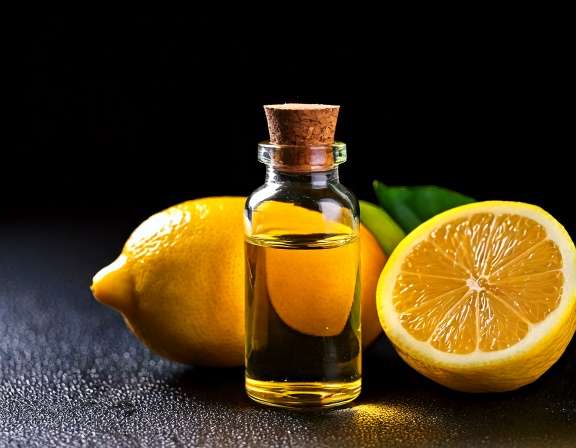
Lemon essential oil brings a clean, sunny scent to simple beauty routines. It is popular in body oils, sugar scrubs, scalp blends, and small-batch hand care because a few diluted drops can make familiar products feel fresh again.
The most helpful lemon essential oil skin and beauty uses begin with the bottle label. The form of the oil, thoughtful dilution, patch testing, and sun-smart habits all matter. Below, you will find three easy recipes and beginner-friendly guidance for using lemon oil with care.
Key Takeaways for Using Lemon Essential Oil
- Choose steam-distilled lemon essential oil for leave-on beauty products whenever possible, especially if your skin may see daylight.
- Mix lemon oil into a carrier oil, unscented lotion, aloe gel, or another finished beauty base before skin use.
- Begin with a small patch test, even when a blend feels gentle and familiar.
- Cold-pressed or expressed lemon oil needs extra sunlight awareness. Keep treated skin out of direct sun for at least 12 hours, with 24 hours as the more cautious choice.
- Keep homemade recipes simple. A few well-chosen ingredients are often enough.
- Lemon oil fits best into a balanced beauty routine, alongside the skin care products and habits that already work for you.
Lemon Essential Oil Skin and Beauty Uses
Lemon essential oil is best known for its crisp citrus aroma, but its appeal goes beyond scent. In properly diluted blends, it can make body care feel lighter, cleaner, and more uplifting without adding a long list of ingredients.
For a closer look at gentle ways to use it, explore these lemon oil beauty uses. Start with small amounts, then pay attention to how your skin feels over time.
Refresh Oily-Looking Skin and Homemade Facial Care
A simple evening facial oil can feel especially nice when skin looks shiny or heavy after a long day. Lemon essential oil may add a fresh aromatic note to a lightweight blend, but the carrier oil does much of the practical work.
Jojoba, grapeseed, and sunflower oil are easy options for oily-looking skin because they have a lighter feel. Keep facial blends modest, with only a few total essential oil drops in the whole bottle. Lemon oil should always be mixed into the carrier first, never placed directly on the face.
A small inner-arm patch test gives you useful information before adding a new blend to your routine. For facial care, a lower dilution is the comfortable place to begin.
Brighten the Feel of Body Scrubs and Bath Products
Lemon oil has a familiar clean scent that works beautifully in body oils, sugar scrubs, bath salts, and unscented lotion blends. It can turn an ordinary shower into a small moment of care, especially when paired with a soft towel and warm water.
Use a well-diluted blend on smooth, comfortable skin. Save citrus scrubs for days when skin feels settled, then rinse them thoroughly after a light massage. A gentle touch goes further than firm scrubbing.
Lemon oil also pairs well with lavender, sweet orange, rosemary, and cedarwood. Still, a simple one- or two-oil blend is easier to patch test and enjoy.
Support a Fresh Scalp and Simple Hair-Care Routine
A diluted scalp massage oil can bring a fresh, clean-feeling finish to a wash-day routine. Lemon essential oil is often chosen for its bright scent, particularly when blended with jojoba or lightweight sunflower oil.
Keep the dilution low and apply with care around the hairline. Massage a small amount into the scalp before shampooing, then wash your hands well afterward. Take extra care to keep the blend away from the eyes.
Sensitive scalps benefit from an especially small test area first. The goal is a pleasant cosmetic ritual, not a complicated treatment plan.
How to Use Lemon Essential Oil Safely on Skin
Lemon essential oil is concentrated, so a small amount is plenty. A carrier oil or finished beauty base helps spread it evenly and makes the blend more comfortable to apply.
The important detail is that lemon oil comes in different forms. Steam-distilled and cold-pressed lemon oils may smell similar, yet they call for different sun-care habits. These practical essential oil skin safety tips can help you build a calm, consistent routine.
Choose the Right Lemon Oil for Topical Beauty Care
Read the label before opening the bottle. Look for terms such as “steam-distilled,” “cold-pressed,” or “expressed.” Steam-distilled lemon essential oil is generally preferred for leave-on skin products because it does not carry the same phototoxic concern as expressed lemon oil.
Cold-pressed or expressed lemon oil contains naturally occurring furocoumarins, including bergapten. It can still fit into carefully prepared body products, but treated skin needs time away from direct sunlight and tanning beds.
Plan for at least 12 hours of sun avoidance after using expressed lemon oil. A 24-hour pause is a comfortable, more cautious choice for leave-on body care.
The bottle label matters as much as the recipe. “Lemon oil” is not always one identical product.
Dilute, Patch Test, and Protect Your Skin
For a simple patch test, blend 1 drop of lemon essential oil into 1 teaspoon of carrier oil. Apply a small amount to the inner forearm and give the area 24 hours before broader use.
For general body care, begin with 3 to 6 drops per 1 tablespoon of carrier oil or unscented base. Use less for facial care and sensitive skin. A 10 mL roller blend may contain 5 to 10 total essential oil drops, with the lower amount offering a gentle place to start.
Expressed lemon oil should stay at or below a 2% dilution for leave-on skin products. Think of that figure as a maximum, rather than a target. Lower blends are often more comfortable for beginners.
Keep blends away from the eyes, lips, and delicate areas. Store finished products tightly capped in a cool, dark place, and use this guide on how to patch test essential oils whenever you try a new formula.
Three Easy Lemon Essential Oil Beauty Recipes
These small recipes keep the ingredient list short and the process relaxed. Use steam-distilled lemon essential oil for leave-on blends when possible. Every new blend deserves a patch test, and products containing expressed lemon oil call for careful sunlight planning.
For more simple ideas, these lemon essential oil body-care recipes offer a few more ways to enjoy bright citrus scent at home.
Refreshing Lemon Body Oil
This after-shower oil has a soft texture and a fresh floral-citrus scent. It is made for arms and legs, not for the face.
Ingredients
- 1 tablespoon jojoba oil or sweet almond oil
- 3 drops steam-distilled lemon essential oil
- 2 drops lavender essential oil
Add the oils to a small glass bottle and shake gently to combine. After a shower, massage a small amount onto damp arms and legs. The water left on your skin helps the oil spread with less effort.
If you choose expressed lemon oil instead, use sun-smart habits and keep treated skin covered or indoors for the appropriate time.
Gentle Lemon Sugar Scrub
A fine sugar scrub can make hands, elbows, knees, and body skin feel smooth without a complicated formula. Use a light touch and let the sugar do the work.
Ingredients
- 1/4 cup fine sugar
- 1 tablespoon jojoba oil or sunflower oil
- 3 drops steam-distilled lemon essential oil
Stir the ingredients in a small bowl until the sugar is evenly coated. Massage lightly onto damp hands or body skin, then rinse well with warm water. Pat dry and follow with plain body oil or lotion if your skin enjoys extra moisture.
Use this scrub occasionally rather than scrubbing firmly. Save it for skin that feels calm, comfortable, and ready for a little polish.
Lemon and Aloe Hand Serum
This quick hand serum feels light and cooling after handwashing. Because aloe-based mixtures are perishable, make only enough for a few uses and keep it refrigerated between applications.
Ingredients
- 1 tablespoon aloe vera gel
- 1 teaspoon jojoba oil
- 1 drop steam-distilled lemon essential oil
Blend the aloe, jojoba, and lemon oil in a clean small bowl until smooth. Massage a small amount into clean hands, paying attention to dry knuckles and cuticles. Apply the rest within a few days for the freshest texture.
Patch test the blend before regular use. If using expressed lemon oil, evening is a comfortable time for this hand-care ritual.
Frequently Asked Questions
Can lemon essential oil go directly into bath water?
Lemon oil blends best into a bath product first, rather than being added as plain drops to water. Stir it into bath salts, a spoonful of carrier oil, or an unscented bath base, then add the mixture to warm water. This helps the oil distribute more evenly.
Can I use lemon essential oil in store-bought lotion?
Yes, an unscented lotion can be a convenient base for a small batch. Mix the oil into only the amount of lotion you plan to use within a few days, rather than adding it to the whole bottle. A patch test still keeps the routine simple and thoughtful.
Is lemon juice the same as lemon essential oil in DIY beauty recipes?
They are different ingredients with different textures and uses. Lemon essential oil is highly concentrated and blends into oil-based products when diluted first. Lemon juice is water-based and can change the texture and shelf life of a homemade mixture.
How long does a lemon oil blend stay fresh?
A plain carrier-oil blend usually keeps best when stored tightly capped away from heat and light. Check its scent and texture before use, especially after several months. Aloe, water, or fresh botanical ingredients create a shorter-lived product, so make those blends in small amounts.
Can lemon essential oil be blended with other essential oils?
Yes, lemon pairs naturally with lavender, rosemary, sweet orange, cedarwood, and frankincense. Keep the overall number of drops low, especially in leave-on products. A simpler blend is easier to enjoy and easier to patch test.
A Fresh, Simple Way to Use Lemon Oil
The best lemon essential oil skin and beauty uses are often the simplest ones. Choose the right type of lemon oil, dilute it well, patch test each new blend, and keep sun awareness part of the routine.
Body oils, gentle scrubs, hand care, and scalp blends all offer approachable ways to enjoy that bright citrus aroma. Start with one small recipe, use it consistently, and adjust based on how your skin feels.
Stay Connected for More Natural Living Inspiration
For more wellness tips, subscribe to the blog for weekly posts about essential oils, teas, and herbs. Want an ad free experience with DIY essential oil, herbal recipes and tips? Head here for a distraction free experience.
Thanks for stopping by!

You must be logged in to post a comment.