
(DISCLAIMER: I am not a doctor, and you should consult your healthcare professional before starting any health regimen.)

Key Takeaways:
- Juniper berry essential oil is often used to help skin feel fresher and less greasy.
- It may be a good fit for oily or blemish-prone skin types, especially after workouts.
- Always dilute it in a carrier oil, never use it straight on skin.
- Patch test first, irritation can happen even with “natural” products.
- Skip it (or ask a pro) if you’re pregnant, have kidney issues, have very sensitive skin, or use strong prescription acne treatments.
A lot of people reach for it when their skin feels oily, congested, or out of sorts after stress, sweat, or a week of not-so-great sleep. That doesn’t mean it’s magic, it just means it can be a helpful supporting player when you use it the right way.
If your skin gets shiny by noon or you’re tired of that “sticky” feeling after moisturizer, juniper berry essential oil might sound like a breath of fresh air. It has a crisp, piney scent that makes skin care feel cleaner, even when you’re keeping your routine simple.
What juniper berry essential oil is, and why skin care folks like it
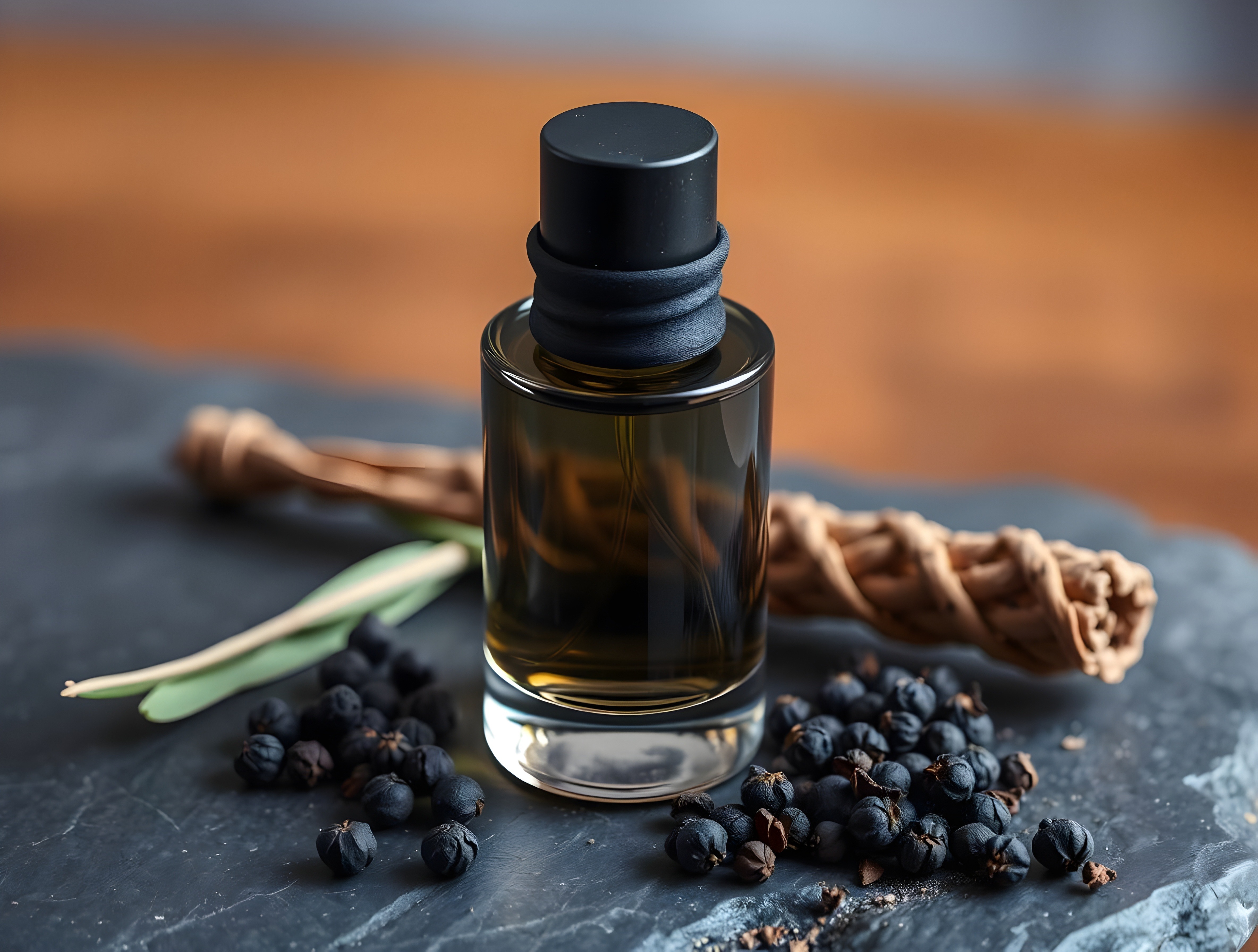
Juniper berry essential oil usually comes from the berries (technically seed cones) of Juniperus communis. You might also see it called common juniper. The oil is most often steam-distilled, which pulls aromatic compounds into a concentrated essential oil.
That word “concentrated” matters. Essential oil isn’t the same thing as a gentle herbal oil. A few drops can scent a whole bottle of carrier oil, and that’s exactly why people like it in DIY skin blends.
The aroma is clean and woody, with a sharp, slightly peppery edge. If lavender feels like fresh laundry, juniper feels like stepping outside after rain, crisp air, evergreen trees, and a clear head. In skin care, that scent alone can make your routine feel more refreshing, especially if you’re tired of sweet or floral products.
It also helps to know what juniper berry oil is not, because labeling can get messy:
- Juniper berry essential oil: a strong, aromatic concentrate (use it diluted).
- Juniper-infused oil: berries soaked in a carrier oil over time (usually milder).
- Fragrance oil or perfume oil: synthetic scent blends, not the same as essential oil, and not always skin-friendly for leave-on use.
- “Juniper” blends: mixes that may include other oils (like cedarwood or pine), so the feel and risk of irritation can change.
People add juniper berry essential oil to DIY blends because it pairs well with simple carriers (like jojoba), it smells fresh without being “perfume-y,” and it fits routines aimed at oily skin and occasional breakouts.
Quick safety baseline, always dilute and patch test
If you only remember one thing, make it this: don’t put undiluted juniper berry essential oil on your skin.
A simple dilution guide:
- Face: 1 drop per 1 teaspoon (5 mL) of carrier oil (about a 1 percent dilution).
- Body: 2 to 3 drops per 1 teaspoon (5 mL) of carrier oil (about 2 to 3 percent).
Good carrier oils for many skin types include jojoba, grapeseed, sunflower, sweet almond, and fractionated coconut oil. If you’re acne-prone, jojoba and grapeseed are popular because they feel lighter.
A basic patch test routine:
- Mix your diluted blend.
- Apply a small amount to the inner forearm (or behind the ear).
- Leave it on and watch the area for 24 hours.
- If you see redness, itching, swelling, or a rash, don’t use it.
Keep essential oils away from eyes, lips, nostrils, genitals, and any broken or freshly shaved skin. Juniper berry essential oil isn’t known as a big photosensitivity oil like some citrus oils, but sun care still matters. If you’re using any leave-on oil, wear sunscreen during the day.
Who should skip it or ask a pro first
Juniper berry essential oil isn’t a good experiment for everyone. It’s smart to pause and get advice first if any of these apply:
- Pregnancy or breastfeeding: avoid essential oils unless a qualified clinician says it’s OK.
- Kidney disease or kidney concerns: juniper is often flagged for caution here.
- Very sensitive or reactive skin (eczema-prone, rosacea-prone): irritation is more likely.
- Kids: essential oils require extra care and much lower dilutions.
- Pets in the home: diffusing and topical use can affect them, especially cats.
- Prescription acne meds or retinoids: your skin barrier may already be stressed.
If burning, redness, or hives show up, stop using it. If you need to remove it, wipe with carrier oil first, then wash with a gentle cleanser.
Realistic skin benefits, what juniper berry oil can and cannot do
Juniper berry essential oil is best thought of like a supporting seasoning in a recipe. A little can change the vibe, but it doesn’t replace the basics.
What it can do for skin, in a realistic sense, is help your routine feel cleaner and more clarifying. Many people use it when they want skin to feel less “slick” and look less shiny. The scent also plays a role. When something smells fresh, we tend to associate it with being freshly washed, even before we see results.
What it can’t do is “detox” your pores, change your hormones, or erase acne on its own. Skin doesn’t need detoxing, it needs gentle care, consistent cleansing, and time. If your breakouts are persistent, painful, or scarring, it’s worth talking with a dermatologist.
Where juniper berry oil often fits best:
- Oily skin that feels heavy by midday
- Skin that gets bumpy after sweating
- A T-zone that looks shiny even when you’re moisturizing lightly
- A simple routine that needs a small tweak, not a total overhaul
Also, results vary. One person’s “holy grail” scent can be another person’s irritation trigger. Think of this as a two-week trial, not a lifelong commitment. If your skin looks calmer and feels more comfortable, keep going. If it feels tight or stings, back off.
Helps oily skin feel more balanced
When people say an oil “balances” oily skin, it usually means this: the skin looks less shiny, feels less greasy, and makeup sits better. It does not mean your skin stops producing oil forever.
Juniper berry essential oil is commonly used in tiny amounts in face oils for that lighter, cleaner finish. You still want the carrier oil to do most of the work. A non-comedogenic-feeling carrier can soften skin without making it feel coated.
A good baseline routine for oily skin is simple:
- Gentle cleanser, not a stripping one
- Light moisturizer (or a few drops of a face oil on damp skin)
- Sunscreen daily
Juniper can be a small add-on to that routine, not the whole routine.
Support for blemish-prone skin, especially after sweat and stress
Post-workout breakouts are the worst because they feel unfair. You did something good for your body, then your skin throws a tantrum.
This is one reason people reach for juniper berry essential oil. It has that “freshly showered” vibe, and in a properly diluted blend it can support a routine that feels more clarifying after sweat.
A few practical reminders matter more than the oil itself:
- Don’t put essential oil straight on a pimple, even “just a dot.”
- Don’t pick. It turns a small bump into a longer problem.
- Change out sweaty clothes quickly, and rinse your face if you can.
If you want to use juniper for blemish-prone skin, use it as a thin layer over a larger area (like the T-zone), not as a harsh spot treatment.
Easy ways to use juniper berry essential oil on skin (simple DIY ideas)
The easiest way to use juniper berry essential oil is to add it to something you already do, like applying a face oil after cleansing or using body oil after a shower. Keep the routine low-effort, because consistency beats complicated recipes.
A few ground rules that make DIY safer:
- Start with the lowest dilution that makes sense.
- Use clean hands and clean bottles.
- Don’t mix ten essential oils at once. It raises irritation risk and makes it hard to tell what caused a reaction.
If you’re new to essential oils on skin, use juniper only 2 to 3 times a week at first. If your skin stays calm, you can adjust from there.
A simple face oil blend for an oily T-zone
This is a “less is more” blend. It’s meant to feel light, not greasy.
Basic recipe (1 percent dilution)
- 1 teaspoon (5 mL) jojoba oil or grapeseed oil
- 1 drop juniper berry essential oil
How to use it:
- Cleanse your face and pat it so it’s still slightly damp.
- Warm 2 to 3 drops total of the blend between your palms.
- Press into skin, focusing on the T-zone (forehead, nose, chin).
- Avoid the eye area.
Frequency: start 2 to 3 nights a week.
If dryness shows up (tightness, flaking, stinging), don’t push through it. Use it less often, cut the essential oil in half, or switch to a gentler carrier (jojoba is often a safe bet). Also check your cleanser, a harsh cleanser can make any leave-on product feel irritating.
Body care for rough patches and post-workout skin
For the body, you can use a slightly higher dilution because the skin is thicker than facial skin. This is great after a shower when your skin is warm and damp.
Simple body oil blend (2 percent dilution)
- 1 tablespoon (15 mL) carrier oil (sunflower, sweet almond, or fractionated coconut)
- 6 drops Juniper Berry Essential Oil
How to use it:
- Apply right after showering, when your skin still has a little moisture.
- Massage into areas that feel rough or sweaty-prone, like shoulders, back, chest, or legs.
- Skip sensitive areas and avoid freshly shaved skin.
A small tip that saves annoyance later: oils can stain fabric. Let the oil sink in before dressing, and use a towel you don’t mind getting a little oily.
For feet, this blend can feel especially nice after a long day. Keep it on the soles and heels, then wash your hands so you don’t rub your eyes by accident.
Choosing a good bottle and storing it so it stays fresh
Juniper berry essential oil is one of those products where quality really shows. A low-quality oil can smell “off,” feel harsher, or be more likely to irritate skin. Buying a good bottle also makes DIY safer because you know what you’re working with.
It’s also smart to buy a smaller bottle if you’re only using it for skin blends. Essential oils last longer when stored well, but they don’t stay perfect forever.
Label checks that matter, Latin name, purity, and batch info
A label should tell you what’s actually inside. Look for:
- Latin name: Juniperus communis
- Plant part: berry (or berry cones)
- Extraction method: steam-distilled (common)
- Country of origin (or at least some sourcing info)
- Batch number and ideally testing info (often listed as GC/MS)
Packaging matters too. Choose a dark glass bottle with a tight cap. Clear bottles and flimsy caps mean faster oxidation, and that can raise the chance of skin reactions.
Be cautious with vague labels like “fragrance,” “perfume oil,” or “juniper scented oil.” Also watch for blends that don’t list each ingredient. If the label hides what’s in it, your skin has to do the guessing.
Shelf life and storage tips for fewer skin reactions
Most essential oils don’t have a strict expiration date, but they do oxidize over time. Oxidized oils are more likely to irritate skin, even if they were fine when new.
Store your bottle:
- In a cool, dark place (not on a sunny bathroom shelf)
- With the cap screwed on tightly
- Away from heat sources
Signs it may be time to toss it:
- The scent changes sharply (sour, stale, or “paint-like”)
- The oil looks thicker than it used to
- Your skin reacts even at a dilution that was previously fine
If you’re making blends, label them with the date. Future you will be grateful.
Conclusion
Juniper berry essential oil can be a nice add-on if your goal is skin that feels cleaner, lighter, and less greasy, especially if you’re oily or tend to get the occasional post-sweat breakout. The biggest benefits come from using it gently, in small amounts, and as part of a simple routine that already works for your skin.
If you want a starter plan, keep it easy: choose one method (a 1 percent face oil or a 2 percent body oil), dilute it well, patch test, then use it 2 to 3 times a week. Reassess after two weeks and decide if your skin looks calmer or feels more comfortable.
What’s your skin type, and what carrier oil do you like best (jojoba, grapeseed, or something else)?
Stay Connected for More Natural Living Inspiration
If you enjoyed this post about herbal wellness and love discovering natural ways to refresh your home and wellness, don’t miss out on future recipes and clean-living tips! Subscribe to the blog for weekly DIYs, wellness inspiration, and herbal remedies delivered straight to your inbox.
Don’t forget to visit my LinkTree for the links to my favorite essential oils, herbal teas, natural recipes, YouTube ambiance videos for sleeping; a project I created to help with insomnia symptoms and the second channel, Rooted in Nature YouTube Channel both channels feature herbal recipes for wellness and home.
Thanks for coming by!

Leave a Reply