
(DISCLAIMER: I am not a doctor, and you should consult your healthcare professional before starting any health regimen. Product links are commissioned and supports the blog)

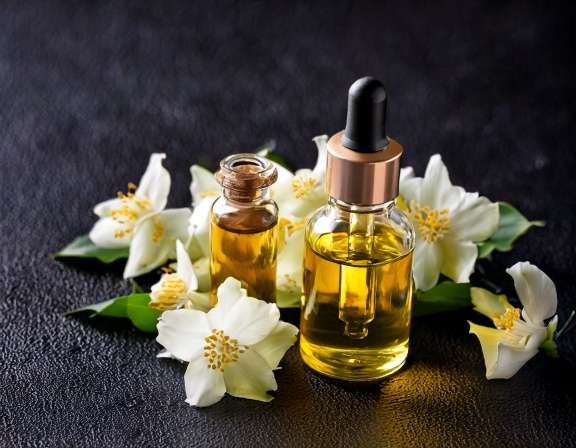
A few drops of jasmine essential oil can change the feel of an ordinary evening. Its rich floral scent warms the room, slows the pace, and gives a rushed night the atmosphere of a small home spa.
Many people reach for jasmine when stress follows them into bed. They want better sleep, a lighter mood, and a peaceful routine that doesn’t leave them feeling groggy. Research is still limited, but early findings suggest jasmine aroma may support relaxation, reduce nighttime movement, and improve next-day alertness. The best results come from using it as part of a gentle ritual, not as a cure for insomnia. Start with the scent, then let the rest of your routine follow.
Key Takeaways: What Jasmine Essential Oil Can Do for Your Night
- Jasmine aroma may ease anxious feelings and create a more restful mood.
- Some small studies link jasmine scent with better sleep quality and less nighttime movement.
- Its floral character can feel calming without making the evening feel heavy or dull.
- Diffusion, diluted massage oil, and light room sprays are simple ways to use it.
- True jasmine oil can cost more, so clear labeling and careful buying matter.
- A small amount is enough for a soft, comfortable spa-night atmosphere.
The right method depends on how much scent you enjoy and how your skin responds. First, it helps to understand why jasmine can feel both soothing and bright.
Why Jasmine Essential Oil Feels Calming and Uplifting at the Same Time
Jasmine essential oil has a full, sweet floral aroma, but it doesn’t always create the sleepy heaviness associated with some bedtime scents. Many people describe it as comforting, warm, and mood-lifting. That combination makes it useful when your body feels tired but your mind still feels busy.
When you inhale a fragrance, odor molecules interact with receptors in your nose. Those signals travel to areas of the brain involved in emotion, memory, and arousal. A familiar or pleasant scent can then become a fast reminder to slow your breathing and release some tension.
The response is personal. Jasmine may help one person feel peaceful while another finds the aroma too rich or energizing. Therefore, use a light concentration and notice how you feel before bedtime. If the scent makes you feel more alert, move it earlier in your evening routine.
The Scent, the Brain, and the Mood Shift
Jasmine can make a room feel softer within minutes. The warm floral note may help interrupt repetitive thoughts, especially when you pair it with a quiet activity such as stretching, reading, or journaling.
Unlike a sedative, the aroma doesn’t force your body into sleep. Instead, it may support a calmer transition between daytime activity and rest. Dim lighting and slower breathing strengthen that transition because your surroundings also tell your brain that the day is ending.
If you enjoy floral oils, ylang ylang essential oil for bedtime calm offers another option for an evening scent ritual. Keep jasmine and other rich florals light, since too much fragrance can quickly become overwhelming.
What the Research Says About Restful Sleep
The evidence for jasmine and sleep is promising but small. A study associated with Wheeling Jesuit University compared jasmine fragrance with lavender and an unscented room. Participants exposed to jasmine reportedly moved less during sleep, experienced less anxiety upon waking, and performed better on an afternoon alertness test.
Other research found improved sleep quality after jasmine aromatherapy among hemodialysis patients. A separate sleep study used synthetic jasmine scent on T-shirts and reported less wake time after falling asleep, along with improvements in total sleep time and sleep quality.
These findings don’t prove that every bottle of jasmine essential oil will improve sleep. Some studies used specific patient groups or synthetic fragrance rather than essential oil. Jasmine is best viewed as a relaxation aid that may support a restful routine, not a treatment for insomnia or a substitute for medical care.
How to Use Jasmine Essential Oil for a Soothing Spa Night at Home
A spa night doesn’t require a large bathtub, expensive products, or an hour of free time. Jasmine works well in a short routine that begins with clearing one small area, lowering the lights, and choosing one calming activity.
Use the oil in the air first. Diffusion gives you control over the strength and limits direct skin contact. If you apply it to your body, dilute it in a carrier oil. Never place undiluted jasmine oil on your skin.
Set the Mood With a Diffuser or Room Blend
Add a small amount to a diffuser according to the device instructions. For most personal spaces, begin with two or three total drops rather than filling the room with fragrance. Run the diffuser for about 20 to 30 minutes before bed, then turn it off unless the manufacturer gives different guidance.
A bedroom, bathroom, or meditation corner can become your evening reset space. Keep the surface uncluttered, switch to warm lamps, and choose quiet music without lyrics if your thoughts feel active. The scent doesn’t need to fill the entire home. A gentle pocket of fragrance often feels more comfortable.
You can also place one diluted drop on a cotton pad near your bed, away from your face. This option suits people who find continuous diffusion too strong.
Try a Gentle Massage or Pulse-Point Ritual
For a small massage blend, combine jasmine with jojoba, sweet almond, or fractionated coconut oil. A 1% dilution equals about six drops of essential oil per 1 ounce of carrier oil. Beginners may prefer 0.5%, which uses about three drops per ounce.
Apply a small amount to your hands, neck, shoulders, or wrists. A slow hand massage after a warm shower can help mark the end of the day. Patch test the diluted blend on a small area first, and stop if you notice redness, itching, burning, or swelling.
Jasmine products may contain an absolute rather than a steam-distilled essential oil. Follow the product’s label because the material and recommended dilution can differ.
Turn Bath Time Into a Relaxing Wind-Down
Essential oils don’t mix safely into plain bathwater. Floating droplets can cling to your skin at full strength and cause irritation. Before adding jasmine to a bath, disperse it in a suitable bath product designed to blend essential oils, following that product’s directions.
A safer option is to use a pre-made aromatherapy bath product with clear ingredients. You can also diffuse jasmine in the bathroom while the tub fills, keeping the bottle away from heat and water.
Use a small amount of fragrance and keep the bath comfortable rather than intensely scented. The goal is a soft floral atmosphere that helps you slow down, not a cloud of perfume that follows you into bed.
Three Easy Jasmine Spa Recipes for a More Restful Night
These recipes use small amounts because jasmine has a strong aroma and can be costly. Choose a product labeled for aromatherapy, check the ingredient list, and follow your diffuser or container instructions.
Bedtime Diffuser Blend With Jasmine and Lavender
This blend creates a mellow floral room scent for the first part of your bedtime routine.
INGREDIENTS
- 2 drops jasmine essential oil
- 3 drops lavender essential oil
- Water for your diffuser, according to its fill line
Add the water first, then add the oils. Run the diffuser for 20 to 30 minutes while you shower, read, or prepare for bed. Turn it off before sleeping unless your diffuser is designed for longer use. If the blend smells too strong, use one drop of jasmine and two drops of lavender next time.
Lavender is often studied more extensively for sleep than jasmine. Combining a small amount of jasmine with lavender lets the floral scent remain present without dominating the room.
Jasmine Relaxation Massage Oil
This small batch works well after a warm shower or before journaling.
INGREDIENTS
- 1 ounce jojoba oil or fractionated coconut oil
- 3 drops jasmine essential oil
- 1 dark glass bottle with a dropper or cap
Pour the carrier oil into the bottle and add the jasmine. Close the bottle and roll it gently between your palms to combine. Apply a few drops to your hands, then massage your shoulders, forearms, or feet with slow pressure.
The three-drop amount creates about a 0.5% dilution in 1 ounce of carrier oil. That level suits many beginners, but skin sensitivity varies. Patch test the blend 24 hours before wider use, and keep it away from eyes, broken skin, and mucous membranes.
Soft Jasmine Pillow or Room Spray
This light spray freshens the air without making the room smell heavy.
INGREDIENTS
- 1 tablespoon vodka or perfumer’s alcohol
- 3 tablespoons distilled water
- 6 drops jasmine essential oil
- A 2-ounce glass spray bottle
Add the alcohol and jasmine to the bottle first. Add the distilled water, close the bottle, and shake well. Shake again before every use because essential oils can separate over time.
Spray lightly into the air or onto a washable fabric sample. Test any linen first, since oils and alcohol can mark delicate materials. Don’t spray near your face, pets, open flames, or electrical equipment. A few sprays are enough for a bedroom. Let the room air out if the scent feels intense.
Safety, Quality, and Smart Buying Tips Before You Bring It Home
Jasmine oil can be expensive because genuine jasmine material often requires costly extraction. A bargain bottle may contain fragrance oil, a diluted blend, or another floral ingredient. Those products aren’t automatically useless, but they shouldn’t be sold as pure jasmine essential oil.
How to Tell if the Oil Is High Quality
Look for the botanical name, plant part, country of origin, extraction method, and full ingredient list. A dark glass bottle helps protect the aromatic compounds from light. The label should also identify whether the product is an essential oil, absolute, diluted oil, or fragrance blend.
Buy from a company that provides clear usage and safety information. Avoid bottles that hide ingredients behind vague terms such as “proprietary fragrance.” Pure jasmine products may have a strong price tag, so a higher cost alone isn’t proof of quality, but an unusually low price deserves caution.
When to Skip It or Ask for Medical Advice
Stop using jasmine if it causes headache, nausea, breathing discomfort, or skin irritation. People with asthma, fragrance sensitivity, or reactive skin should introduce it carefully and use good ventilation.
Pregnant or nursing readers should ask a qualified healthcare professional before using essential oils. Keep oils away from children and pets, and never swallow them. If poor sleep continues, speak with a healthcare provider instead of relying on aromatherapy alone.
A Softer Night Starts With a Small Ritual
Jasmine essential oil may help create a calmer mood, reduce bedtime tension, and support more settled sleep for some people. Its greatest value may come from the complete ritual: softer light, slower movement, and a scent that tells your mind the busy part of the day has ended.
Start with one method, such as a short diffuser session or a diluted hand massage. When the evening feels rushed, a few careful drops of jasmine can turn the room into a gentler place to rest.
Stay Connected for More Natural Living Inspiration
If you enjoyed this post about herbal wellness and love discovering natural ways to refresh your home and wellness, don’t miss out on future recipes and clean-living tips! Subscribe to the blog for weekly DIYs, wellness inspiration, and herbal remedies delivered straight to your inbox.
Don’t forget to visit my Amazon storefront for the links to my favorite essential oils, herbal teas, and natural recipes. I also create YouTube ambiance videos for sleeping; a channel I created to help people who have trouble sleeping. The link to all social media content is here.
Thanks for coming by!

Leave a Reply