
(DISCLAIMER: I am not a doctor, and you should consult your healthcare professional before starting any health regimen.)

Key takeaways
- Hyssop usually means true hyssop, Hyssopus officinalis, a fragrant herb in the mint family.
- True hyssop is not the same as anise hyssop, Agastache foeniculum.
- True hyssop tastes sharper, more bitter, and more camphor-like than anise hyssop.
- People use hyssop at home in tea, infused honey, sachets, bath blends, and pollinator gardens.
- Its aroma is herbal, minty, slightly floral, and somewhat bitter.
- Essential oil needs more caution than dried herb or mild tea.
- This post includes an easy hyssop tea recipe for beginners.
Hyssop feels like a herb from another age. Brush the leaves, and the scent rises fast, sharp, green, and a little wild. It has a long folk history, yet many modern readers still pause at the same point: what, exactly, counts as hyssop?
Part of the confusion comes from names. True hyssop, Hyssopus officinalis, often gets mixed up with anise hyssop, which is a different plant with a softer flavor. That mix-up matters if you’re buying seeds, drying leaves for tea, or adding a pinch to food.
Used with care, hyssop can have a place in simple home routines, from light teas to aromatic blends and kitchen use. Still, it isn’t a cure-all, and it shouldn’t replace medical care. First, it helps to know which plant you’re dealing with.
How to recognize hyssop and avoid mixing it up with similar herbs
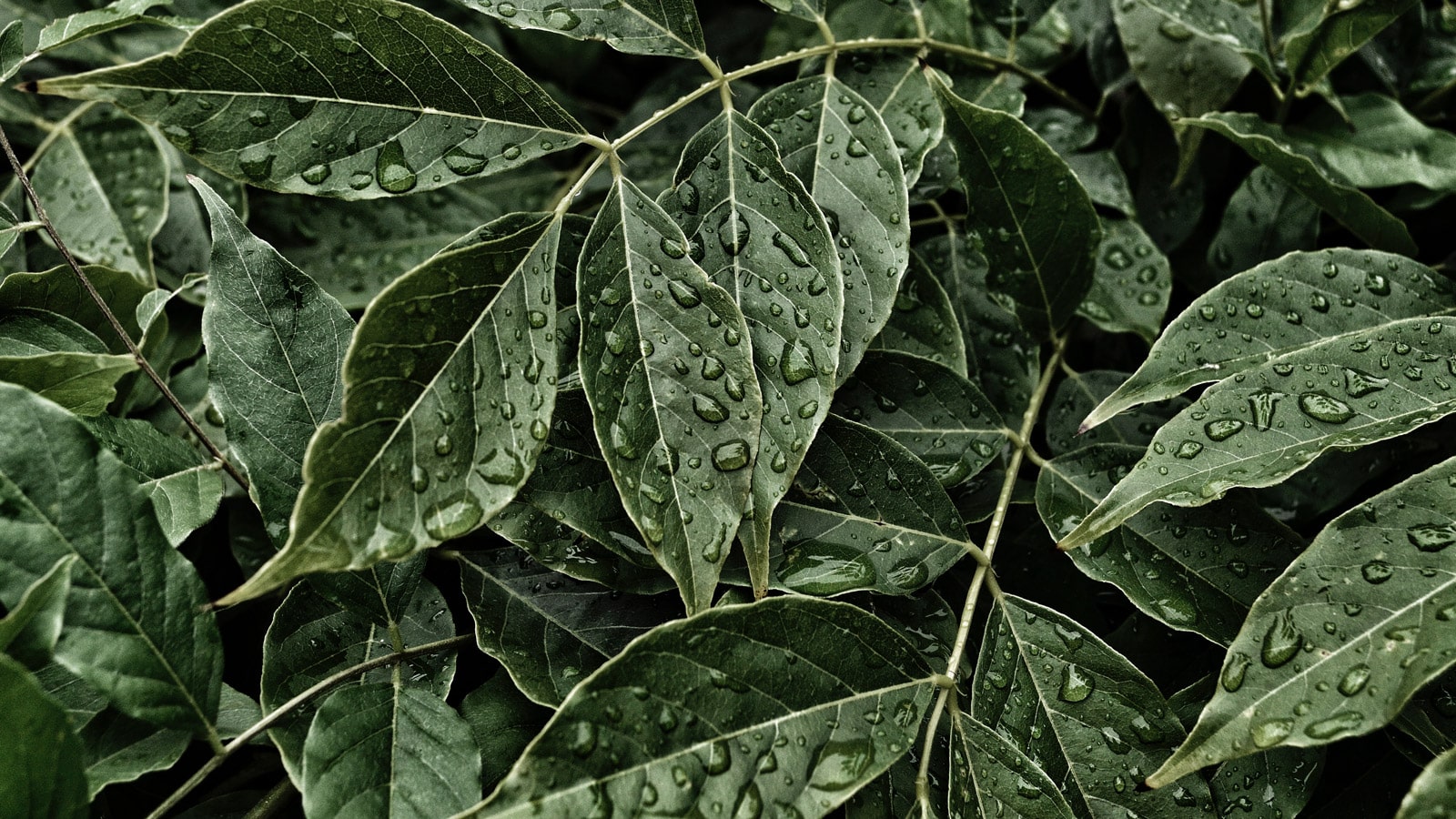
True hyssop, Hyssopus officinalis, is a small, woody, upright herb. It usually forms a neat clump rather than a floppy mound. The stems are slender, the leaves are narrow and pointed, and the plant often looks tidy even when mature.
Its flowers can appear in shades of blue, violet, pink, or white, depending on the variety. Many people picture blue blooms first, but color alone won’t confirm the plant. The scent helps more. Rub a leaf between your fingers and you’ll notice a strong herbal smell with minty and camphor-like notes.
In the garden, true hyssop often behaves like a compact, sun-loving shrublet. It likes good drainage and doesn’t look lush or soft the way some mint relatives do. That firmer habit can help beginners spot it.
If the label doesn’t say Hyssopus officinalis, don’t assume you’re buying true hyssop.
True hyssop vs anise hyssop, the difference matters
This is where many herb shoppers get tripped up. Anise hyssop, Agastache foeniculum, belongs to the same wider plant family, but it is not true hyssop. The leaves are broader and softer, and the flower spikes often look showier and more airy.
The biggest clue is aroma. True hyssop smells brisk, resinous, and a bit bitter. Anise hyssop smells sweeter, with a clear licorice-like note. If one reminds you of old herb gardens and the other hints at fennel candy, you’re noticing the difference.
Flavor matters too. True hyssop tastes sharper and more camphor-like. Anise hyssop tastes gentler, sweeter, and easier for many people to enjoy in tea. Their uses can overlap in teas, garnishes, and drying for scent, but they are not interchangeable in every recipe.
What hyssop tastes and smells like
Hyssop has a bold personality. A small pinch can shift a whole cup or dish.
In plain terms, it tastes herbal, minty, slightly floral, and a little bitter. Some people also notice a clean, almost medicinal edge. That doesn’t mean it’s unpleasant, but it does mean moderation helps. Think of it like rosemary’s more intense cousin, less piney, more brisk.
The scent follows the same path. It’s green and aromatic, with a dry freshness that lingers. If you enjoy sage, thyme, or strong mint-family herbs, hyssop may appeal to you. If you prefer soft floral teas, start light.
Traditional hyssop uses, plus what modern wellness fans like about it
Hyssop has been part of folk herbal practice for centuries. People valued it in home gardens, cleansing customs, and simple household preparations. That long history gives the herb a certain old-fashioned charm, like a plant that has stayed useful because people kept reaching for it.
Today, interest in hyssop looks a little different. Wellness-minded readers often turn to it for modest, everyday uses. A light tea, a steam bowl, a dried sachet, or a few leaves in a herb blend feel practical and approachable. Gardeners also love it because pollinators do. Bees seem to find it without hesitation.
Aromatic use brings another layer of interest. Still, the form matters. Dried leaves in a tea cup are not the same as a concentrated essential oil. If you enjoy learning broader oil safety basics, this guide to essential oils for natural first aid offers helpful context for cautious home use.
Common ways people use hyssop at home
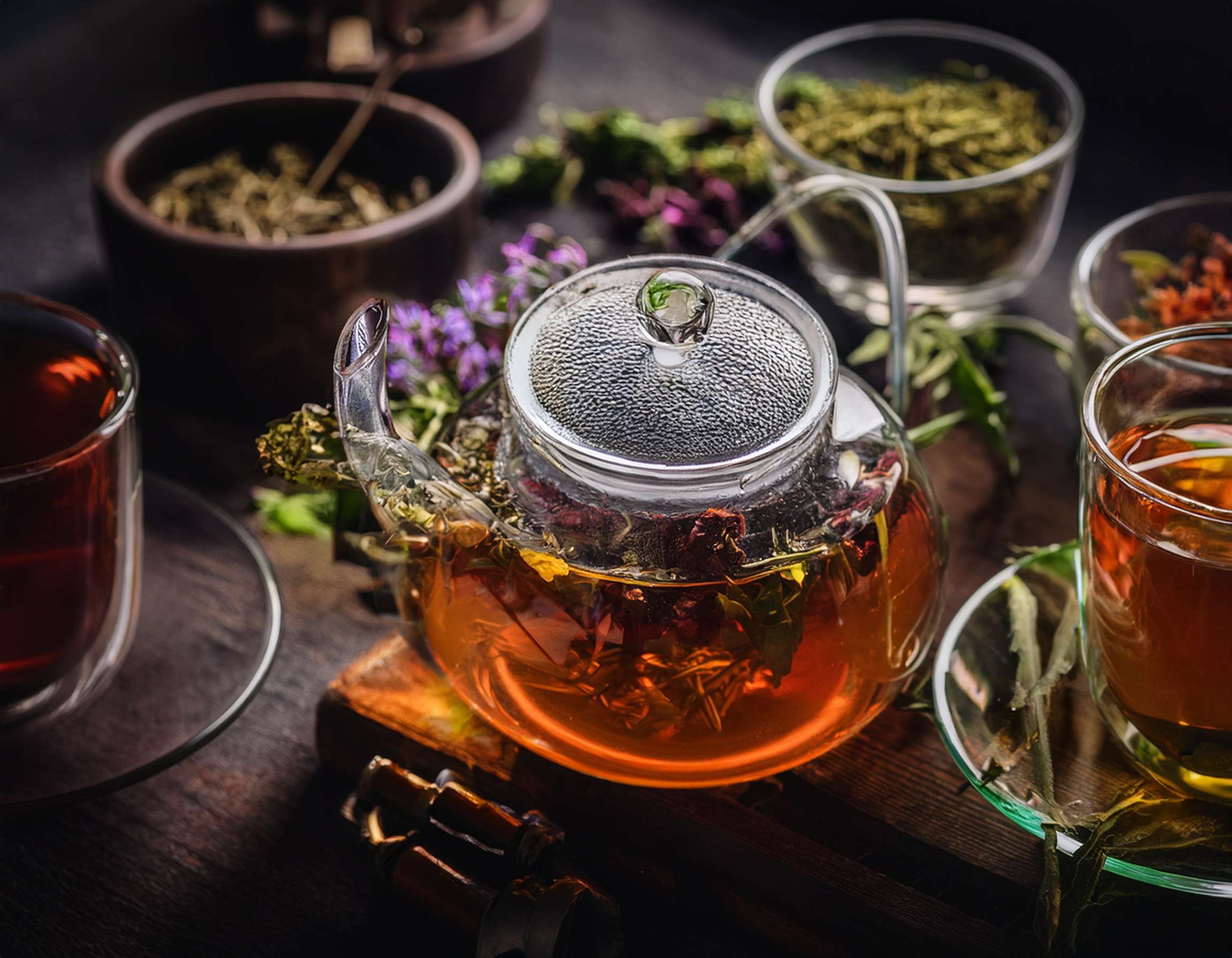
Most home uses are simple. People brew the dried herb into tea, often with lemon or honey to soften the edge. Others stir a little into infused honey or syrup, where the sweetness rounds out the bitterness.
Aromatic uses are common too. Dried hyssop can go into bath blends or herb sachets. Tucked into a linen drawer, it adds a clean, green scent. In the garden, it earns its spot as both a pretty border herb and a pollinator plant.
Kitchen use tends to be light. A little can season soups, bean dishes, or roast vegetables. Too much, though, can overpower the pot fast.
What the research says, and where caution is wise
Modern research has looked at hyssop for plant compounds such as volatile oils and antioxidant content. That’s interesting, but it doesn’t turn the herb into a cure. For home use, modest amounts make the most sense.
Essential oil calls for extra caution because it is far more concentrated than the dried herb. Some people should avoid hyssop or talk with a healthcare professional first, especially if they are pregnant, nursing, managing seizures, or taking medicines.
Keep the tone simple: enjoy hyssop as a herb, not as a promise.
Simple ways to use hyssop in tea, cooking, and DIY recipes
Hyssop works best when you start small. Fresh leaves have a bright, lively edge, while dried hyssop tastes deeper and often a bit stronger. In either form, a light hand gives better results.
The flavor fits best with honey, lemon, mild mint, chamomile, or gentle floral herbs. It can also pair well with savory foods that already welcome strong herbs, such as lentils, roasted carrots, or tomato-based soups. Still, this isn’t the herb to dump by the spoonful.
If you enjoy building a home tea shelf, it helps to learn how stronger herbs compare with softer ones. These best digestive teas like peppermint and ginger can give you a feel for balancing bold flavors in the cup.
An easy hyssop tea recipe beginners can make at home
This is the easiest way to meet hyssop without getting overwhelmed.
Ingredients:
- 1 teaspoon dried hyssop, or 2 teaspoons fresh chopped hyssop
- 8 ounces hot water
- 1 teaspoon honey, optional
- 1 lemon slice, optional
How to make it:
- Place the hyssop in a mug or tea infuser.
- Pour hot water over the herb.
- Cover and steep for 5 to 7 minutes.
- Strain, then taste before adding anything else.
- If you like, add honey or lemon.
Keep the brew light the first time. If it tastes too strong, shorten the steep time or use less herb next time. A gentle cup often tastes better than a heavy one.
Other gentle ways to enjoy hyssop
Once you know the flavor, you can branch out a little. Add a small pinch to herb blends with milder plants, such as lemon balm or chamomile. That lets hyssop add character without taking over.
You can also make a simple infused honey. Place a small amount of dried hyssop in a jar, cover with honey, and let it sit for several days. Then strain and use sparingly in tea. A light syrup works the same way.
In cooking, less is often more. Try a tiny amount in roasted vegetables or bean soup. Used well, hyssop acts like a bright accent, not the whole song.
Hyssop safety, side effects, and smart buying tips
Hyssop can be enjoyable, but safety should stay in the room. The biggest point is simple: dried herb, tea, and essential oil are not equal. A mild cup of tea is one thing. A concentrated oil is another.
Some people tolerate hyssop well in small culinary or tea amounts. Others should be more careful. If you have a health condition or use prescription medicines, it makes sense to pause and ask before adding a new herb to your routine.
Buying the right plant also matters. Because names get blurred, you want a label you can trust, not a vague packet with pretty flowers on the front.
Who should avoid hyssop or ask a professional first
Use extra caution with hyssop if you are pregnant or breastfeeding. The same goes for people with seizure disorders, very young children, and anyone managing an ongoing health issue.
Also check first if you take regular medicines. Herbs can seem gentle because they come from plants, but they still deserve respect. Essential oil needs even more care because of its strength.
A calm rule works well here: when in doubt, ask.
How to buy, grow, and store hyssop with confidence
When shopping, look for the full plant name, Hyssopus officinalis. Reputable herb sellers usually list it clearly. If a product only says “hyssop” with no botanical name, keep looking.
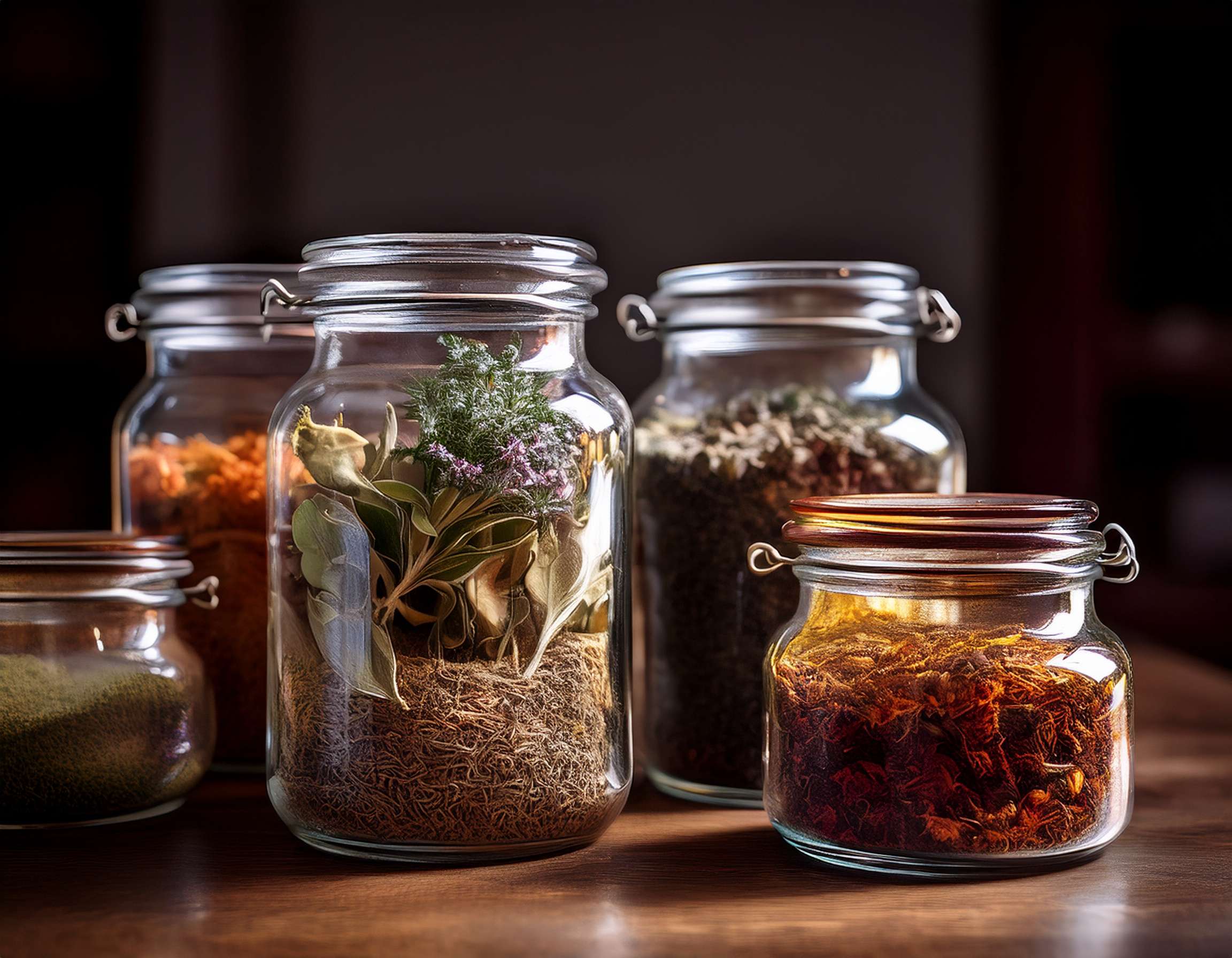
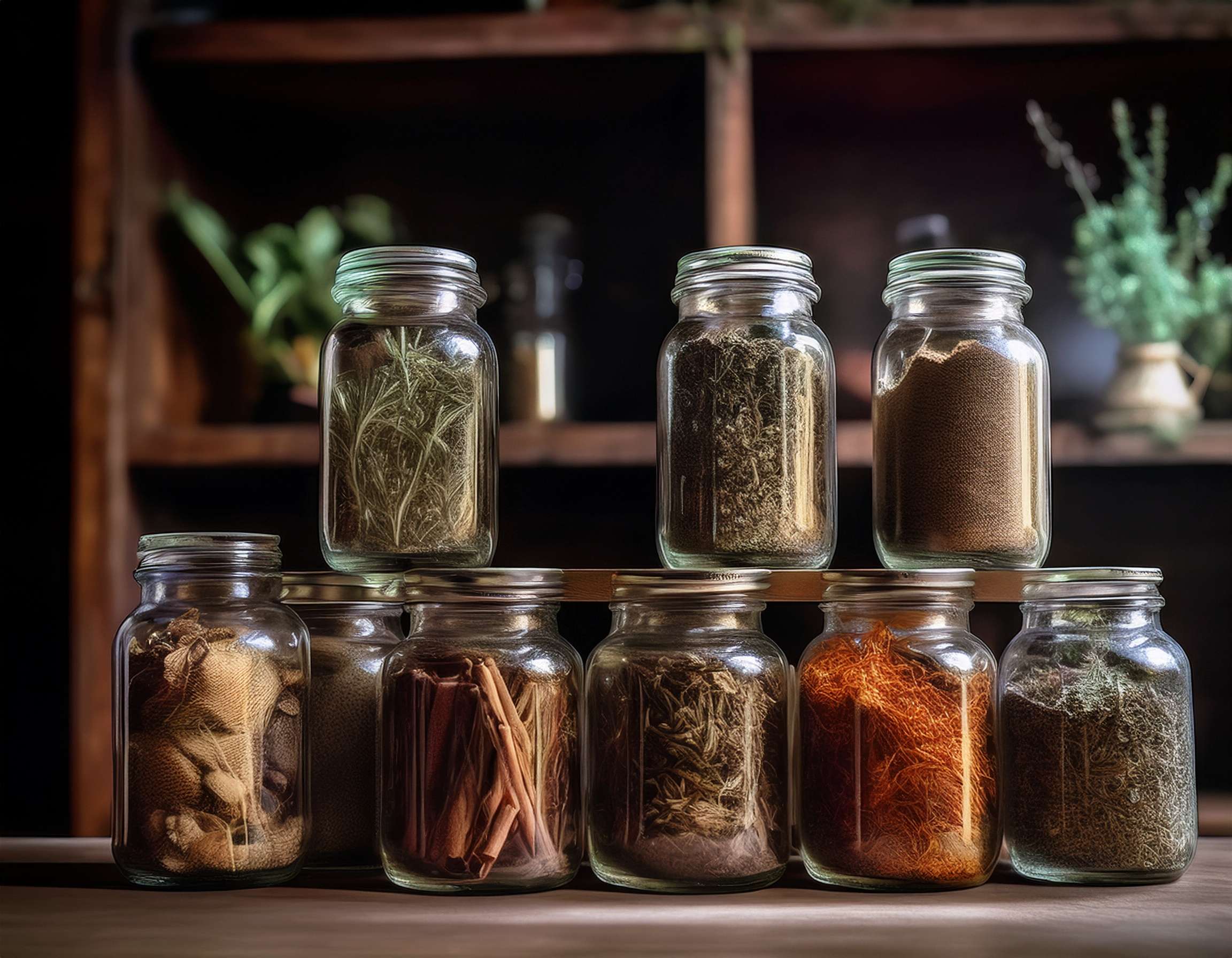
For dried hyssop, choose leaves that still smell fresh and strong. Avoid herbs that seem dusty, faded, or scentless. Store them in a sealed glass jar away from heat, light, and moisture. That helps preserve both aroma and flavor.
If you’d rather grow it, hyssop is friendly to sunny gardens. Give it good drainage and don’t pamper it too much. It tends to like bright light, lean soil, and a bit of breathing room. In the right spot, it becomes one of those steady herbs that asks little and gives plenty.
Hyssop still carries that old garden magic, sharp on the nose and useful in small, thoughtful ways. Its best place is in simple routines, a light tea, a tiny kitchen accent, or a fragrant plant by the path.
Start gently, and learn the plant before you use it often. Most of all, know whether you have true hyssop or anise hyssop, because that one detail changes the whole experience.
A careful approach makes hyssop more enjoyable. Brew a small cup, trust your senses, and let the herb stay what it is, a strong, old-fashioned plant that rewards respect.
Stay Connected for More Natural Living Inspiration
If you enjoyed this post about herbal wellness and love discovering natural ways to refresh your home and wellness, don’t miss out on future recipes and clean-living tips! Subscribe to the blog for weekly DIYs, wellness inspiration, and herbal remedies delivered straight to your inbox.
Don’t forget to visit my Amazon storefront for the links to my favorite essential oils, herbal teas, and natural recipes. I also create YouTube ambiance videos for sleeping; a channel I created to help people who have trouble sleeping. The link to all social media content is here.
Thanks for coming by!Thanks for coming by!

Leave a Reply