
(DISCLAIMER: I am not a doctor, and you should consult your healthcare professional before starting any health regimen.)

Key Takeaways About Chamomile Tea and Gastritis
- Chamomile may calm the stomach, easing mild nausea, bloating, cramping, and indigestion for some people.
- Start small, one cup a day is a sensible beginning for sensitive stomachs.
- Steep it for 5 to 10 minutes with hot water and keep the brew mild.
- Watch for drowsiness or allergy signs, especially if you react to ragweed, daisies, or chrysanthemums.
- See a doctor for serious or lasting symptoms, especially with vomiting, black stools, weight loss, or strong pain.
Gastritis can leave your stomach feeling raw, tight, and uneasy after even a small meal. That is why many people reach for a warm cup of chamomile tea when nausea, bloating, cramping, or general stomach upset starts to creep in. It may feel gentle, and for some people it can take the edge off those symptoms.
Still, chamomile is not a cure. It may soothe, not solve, the problem. Safety matters too, because some people should avoid it or check with a doctor first, especially if they have allergies, take certain medicines, or have symptoms that keep coming back.
Why Chamomile May Help Calm an Irritated Stomach
Chamomile is a common herbal tea with a long history of use for upset stomachs. Its appeal is simple. The tea is light, floral, and easy to sip when food feels like too much. Some of the plant compounds in chamomile may help lower inflammation and calm muscle spasms in the gut. That matters when gastritis brings pain, gas, nausea, indigestion, or a knotted feeling after eating.
The tea may also feel helpful when stress makes the stomach tighten. A warm cup can slow the pace of the body and give the mind a softer landing. That does not mean it treats the cause of gastritis. Research is still limited, so chamomile is best seen as comfort with a purpose, not a fix.
The gentle effects that make chamomile soothing
When the stomach muscles tighten, cramps can follow. Chamomile may help those muscles relax a little, which is why many people reach for it during a flare. It can feel like turning down the volume on a noisy room. The discomfort may still be there, but it is less sharp.
The tea can also feel calming when anxiety and stomach upset travel together. That matters more than it sounds. A tense mind can make the stomach feel tighter, and a relaxed body often handles pain better. For some people, the first few slow sips are enough to make the whole evening feel less harsh.
When chamomile may be a better fit than other teas
Strong black tea, coffee, and very bitter blends can feel rough when the stomach lining is irritated. Chamomile is milder, so it is often easier to sip slowly. Its gentler taste matters, because a sensitive stomach usually wants less drama, not more.
People have also used chamomile for generations, which adds to its place as a comfort tea. Tradition does not replace evidence, but it does explain why so many kitchens keep it nearby. When your stomach feels touchy, a simple herbal cup can be easier to welcome than a stronger drink.
How to Brew Chamomile Tea for Gastritis Support
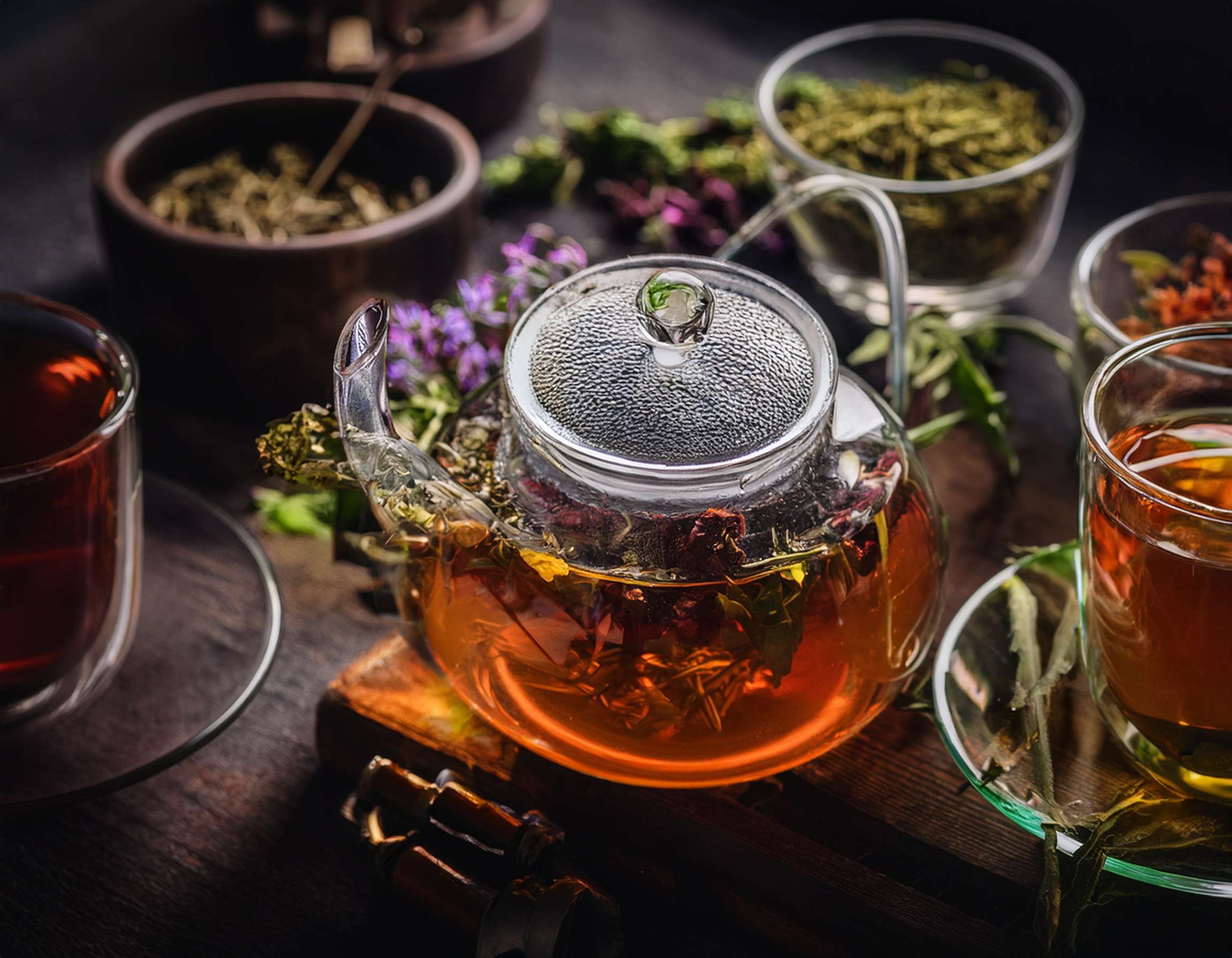
Brewing chamomile for gastritis support does not need special gear. A mug, hot water, and a tea bag are enough. If you use loose flowers, a small strainer or tea infuser works well. Keep the brew gentle, because a strong cup does not help a sensitive stomach more than a mild one.
A simple cup is often the best place to start. Use plain water, not syrupy add-ins or heavy cream. Let the tea stay light, clear, and easy to sip.
- Heat 1 cup of water until it is just off the boil.
- Add 1 tea bag or 1 to 2 teaspoons dried chamomile to a mug.
- Pour in the water and steep for 5 to 10 minutes. Five minutes gives a lighter cup. Ten minutes makes it a little stronger.
- Remove the tea bag or strain the flowers, then sip it warm, not piping hot.
This simple method keeps the tea soft on the stomach. If you want a second cup later, wait a few hours and notice how your body responds first. Some people feel fine with 1 to 2 cups a day, while others do better with just one. A milder brew is often better for sensitive stomachs, and it gives you a clearer sense of what your body likes. Avoid loading the tea with sugar, since sweetness can make an upset stomach feel heavier.
The best time to drink it for comfort
Many people like chamomile after meals, when fullness and bloating start to build. Others sip it before bed, since the warm cup can ease the body into a slower pace. Both choices can make sense. After a meal, the tea may feel like a soft landing. At night, it may help the mind settle along with the stomach.
Timing is personal, though. If drinking it on an empty stomach makes you feel worse, move it to after food. If it feels best in the evening, keep it there and make it part of a quiet routine. The goal is comfort, not forcing a schedule that your stomach resists.
How to Use Chamomile Tea Safely
Chamomile is gentle for many adults, but gentle does not mean right for everyone. The main concerns are allergy, sleepiness, and medicine interactions. It can also be a bad fit if you react to ragweed, daisies, chrysanthemums, or similar plants, so check your history before you pour the water. If you have asthma, eczema, or a history of plant allergies, extra caution makes sense.
Pregnant and nursing people should ask a clinician before using it regularly. The same caution applies if you take warfarin, cyclosporine, sedatives, or other prescription medicines. Herbs can sound simple, yet they still carry active compounds. A pharmacist or doctor can help you sort out whether chamomile fits your situation.
Long-lasting digestive symptoms also need medical attention, because tea can hide a problem for only so long. If you have severe pain, vomit blood, pass black stools, or lose weight without trying, get help quickly.
Signs chamomile tea is not agreeing with you
After drinking it, pay attention to your skin, your stomach, and your energy. A rash, itching, swelling, or wheezing can point to an allergy. More stomach pain, more nausea, or new cramping can mean the tea is not a good fit. Some people also feel sleepy in a way that gets in the way of normal tasks.
If that happens, stop drinking it and do not keep testing it in larger amounts. The safest response to a bad reaction is to quit and check with a healthcare professional. If you already know that certain herbs bother you, trust that pattern. Your body often gives a clear warning before a bigger reaction shows up.
When Chamomile Tea Is Helpful, and When It Is Not Enough
Chamomile tea works best as a comfort measure. It can fit into a gentle routine on days when the stomach feels irritated, especially if symptoms are mild and short-lived. It may take the edge off a flare, but it does not remove the cause of gastritis.
That matters when the root problem is H. pylori, an ulcer, regular ibuprofen or aspirin use, alcohol, or another health issue. A few studies have looked at H. pylori and chamomile, but the evidence is not strong enough to treat tea as a fix. If your symptoms are tied to a known cause, use the tea as support, not the only step.
A clinician may suggest testing, medicine, or a change in daily habits. In the meantime, a mild cup, smaller meals, and attention to triggers can make the day feel easier. If the tea helps you relax and settle your stomach, that is useful. If it stops helping, or if symptoms keep returning, the next step is medical care.
Conclusion
A warm cup of chamomile can be a small comfort when gastritis makes your stomach feel raw and unsettled. Used as a mild brew and with the right precautions, it may help with bloating, cramping, nausea, and that heavy after-meal ache.
The key is to pay attention to your body. If symptoms are severe, lasting, or unusual for you, tea should not be the only answer. Safe habits matter as much as soothing remedies, and your stomach will usually tell you when it needs more care.
Stay Connected for More Natural Living Inspiration
If you enjoyed this post about herbal wellness and love discovering natural ways to refresh your home and wellness, don’t miss out on future recipes and clean-living tips! Subscribe to the blog for weekly DIYs, wellness inspiration, and herbal remedies delivered straight to your inbox.
Don’t forget to visit my Amazon storefront for the links to my favorite essential oils, herbal teas, and natural recipes. I also create YouTube ambiance videos for sleeping; a channel I created to help people who have trouble sleeping. The link to all social media content is here.
Thanks for coming by!


Leave a Reply