
(DISCLAIMER: I am not a doctor, and you should consult your healthcare professional before starting any health regimen. Product links are commissioned and supports the blog)

Key takeaways
- Always dilute rosemary essential oil before it touches your skin or scalp to ensure you are safely supporting hair growth.
- A 1% blend is a smart start for sensitive skin and first-time users.
- A 2% blend works well for many scalp and body oil recipes.
- Perform a patch test with every new topical blend and wait 24 hours to check for reactions.
- For home use, keep the scent light in diffusers and room sprays.
Rosemary essential oil is a powerful botanical extract that can freshen a room, boost your hair care routine, and provide a spa-like experience at home. However, its potency is exactly why mastering rosemary essential oil dilution is non-negotiable. Applying this oil undiluted can quickly turn a beneficial treatment into a source of skin irritation or discomfort.
Whether you are looking to support hair growth or simply want to enjoy its herbaceous aroma safely, the secret lies in the math. This guide breaks down exactly how to blend rosemary essential oil so you can harness its benefits without the risk of irritation. Let’s look at the simple steps to keep your blends effective, balanced, and skin-safe.
Understanding Rosemary Essential Oil Dilution Ratios
To use this botanical extract safely, you must always mix it with a carrier oil. Applying rosemary essential oil undiluted can cause dermal sensitization and potential chemical burns because the volatile compounds are too concentrated for direct skin contact. Proper rosemary essential oil dilution ensures these compounds are spread evenly, allowing the beneficial properties to reach your hair follicles effectively without causing irritation.
Common carrier oils like jojoba oil, sweet almond oil, or coconut oil are excellent choices. They act as a medium to deliver the essential oil safely while providing their own nourishing properties. A 2% dilution is generally considered the “sweet spot” for most topical applications. Start at a 1% concentration if your skin is reactive, if you are applying it to your face, or if you have never used rosemary oil before. Use a 2% dilution for standard scalp blends, body oils, or short pre-wash treatments.
For a broader primer on handling these extracts, the essential oil safety basics guide pairs well with this one.
| Carrier oil amount | Rosemary essential oil | Good for |
|---|---|---|
| 1 teaspoon | 1 drop | sensitive skin, face use |
| 1 tablespoon | 2 to 3 drops | body oil, scalp massage |
| 30 mL bottle | 5 to 6 drops | easy batch prep |
This approach keeps the mix effective without being overwhelming. Remember, adding more essential oil does not equate to better results.
A tingle is not proof that the oil is working. It can mean the blend is too strong.
If a recipe smells overly sharp, burns, or leaves your skin red, wash it off immediately. You should make your next batch weaker. Small batches are your friend because they are easy to adjust until you find the perfect balance for your skin.
How to use rosemary essential oil on skin
Using rosemary oil on the skin requires patience and care. You should massage your diluted rosemary oil into clean, dry skin, taking care to keep the mixture away from your eyes, lips, nostrils, and any areas of broken skin. Even a gentle carrier oil can cause discomfort if the concentration is too high, so always focus on quality and proper blending.
Performing a patch test is the safest first step before a full application. Simply apply a small amount of your blend to the inner arm or elbow and wait 24 hours. If the area becomes red, itchy, or feels hot, you are likely experiencing skin irritation and should skip that recipe or dilute it further next time. If you want a fuller reminder on topical rules, the dilution guide for topical essential oils covers the basics in one place.
For everyday body care, a 1% to 2% blend is usually enough. Rosemary oil is rich in antioxidants, which makes it a popular choice for skin support, but remember that any essential oil can cause sensitivity if you overdo it. Keep your mixture light to ensure your skin stays calm.
A simple body oil is easy to make:
- 1 tablespoon carrier oil
- 2 to 3 drops rosemary essential oil
Shake the ingredients in a small glass bottle. After a shower, warm a few drops in your hands and smooth them over your arms, legs, or shoulders. This works best as a thin layer rather than a heavy coat.
For facial applications, stay closer to a 1% dilution and choose a light, non-comedogenic option such as jojoba oil. Use only a tiny amount, and stop immediately if your skin feels tight or flushed. If you have eczema, very sensitive skin, or a known oil allergy, consult a medical professional before trying a new blend.
Rosemary essential oil for hair and scalp
Rosemary oil is highly sought after for supporting hair growth, but the scalp requires a gentle touch. Research suggests that diluted rosemary oil can be as effective as minoxidil for addressing androgenetic alopecia. Because the carnosic acid found in the plant supports scalp health and improves blood circulation, it is a popular choice for those experiencing hair thinning. A 1% blend is a safe starting point for those prone to scalp irritation, while a 2% dilution is often preferred by adults seeking to combat hair loss.
Treat the scalp like the rest of your skin. Part your hair in sections and massage gently with your fingertips using circular motions. This technique is designed to stimulate blood flow to the hair follicles. If you want a fuller routine, the rosemary oil scalp routine post walks through a practical approach.
A simple pre-wash scalp oil takes only a minute to mix:
- 1 tablespoon of a carrier oil like argan oil, castor oil, or coconut oil
- 2 to 3 drops of rosemary essential oil
Apply the mixture directly to the scalp rather than the entire head. Leave it on for 10 to 20 minutes before shampooing. If you are dealing with an itchy scalp, some users prefer to leave the oil overnight, though you should monitor for any signs of scalp irritation. Always keep your first batch at the lower end of the concentration spectrum to see how your skin reacts.
For a leave-on treatment, use the smallest amount that spreads easily. Heavy blends can leave roots feeling greasy. The goal is to massage gently so the oil absorbs, rather than creating a slick mask. If your scalp stings or feels warm after application, stop immediately and check your dilution ratio. A calm, comfortable scalp is a far better sign of progress than a strong scent.
Simple home uses that stay gentle
For the house, rosemary oil works best as a light scent rather than a heavy-duty cleaner. When using an essential oil in a diffuser, 3 to 5 drops are enough for a small room. Always follow the manufacturer’s instructions and run the device for 30 to 60 minutes at a time to ensure a pleasant atmosphere.
A room spray is another easy option that gives you better control over the scent without overwhelming your living space.
Gentle rosemary room spray
- 2-ounce glass spray bottle
- 1 tablespoon vodka or witch hazel
- 10 to 12 drops rosemary essential oil
- Fill the rest with water
Add the vodka or witch hazel first, then add the rosemary oil blend, and finish with the water. Shake the bottle well before each use. Mist the air lightly, avoiding your face, and always test on a small area of fabric before spraying pillows or curtains.
If you want a quick linen mist, keep the mixture light and use only a few sprays. Oils can spot some fabrics, especially silk and other delicate materials. Hard surfaces also need a test spot first, as some finishes may react poorly to oils.
A diffuser is the easiest home method, but it should not run nonstop. Short sessions help keep the air quality comfortable and reduce the chance of headaches or irritation. If you share your home with pets, keep the session short and check species-specific advice regarding any essential oil before you begin.
Choosing and storing a bottle you can trust
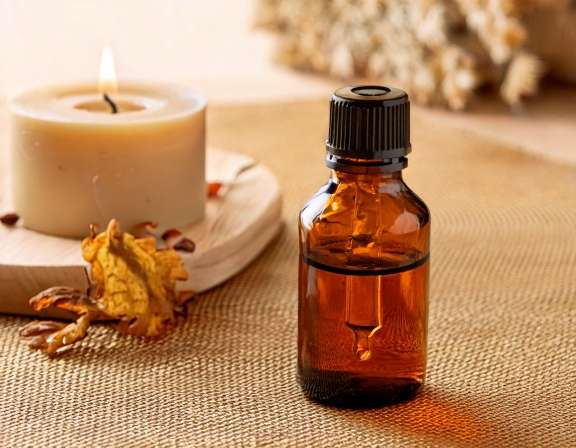
Successful DIY blends start with fresh, high-quality ingredients. When shopping, look for a bottle that lists the botanical name, includes a lot number, and comes in dark glass. A tight-fitting cap is essential because air exposure can cause the scent to fade over time. Keep in mind that a high-quality essential oil contains a higher concentration of active antioxidants, which makes the product more effective for therapeutic use.
Store your essential oil away from heat and direct sunlight, as a cool cabinet is the best environment for preservation. Keep the bottle upright and write the opening date on the label so you can easily track its freshness.
The aroma should remain bright and herbaceous. If it begins to smell dull, off, or stale, it is time to replace the bottle. Fresh oil ensures you get the full benefits of the plant’s properties.
Extra care is always necessary for those who are pregnant, breastfeeding, or managing conditions like asthma or epilepsy, as well as for young children. Please consult with a healthcare professional before using rosemary oil on your skin or diffusing it in your home if any of these apply to you.
Frequently Asked Questions
Is rosemary essential oil safe for all hair types?
Generally, rosemary oil is suitable for most hair types, especially for those looking to support scalp health and growth. However, those with a history of scalp sensitivity or contact dermatitis should perform a patch test first to ensure their skin tolerates it well.
How often can I use a rosemary oil scalp treatment?
For most people, using a diluted rosemary oil treatment two to three times per week is effective and safe. Daily use may be too heavy for some scalps, so start with fewer applications and observe how your hair and skin respond over time.
Can I add rosemary oil to my store-bought shampoo?
Yes, you can add a small amount of essential oil to your shampoo, but it is best to add it to a single-use portion rather than the whole bottle. This prevents the oil from degrading the product’s stability and ensures you keep the concentration within a safe 1% to 2% range.
Why does my skin feel warm after applying my oil blend?
A mild warming sensation can occur, but it should never be uncomfortable or painful. If your skin feels like it is burning, stinging, or turning red, the blend is likely too concentrated and should be washed off and further diluted before your next use.
Conclusion
Rosemary essential oil is easy to enjoy when you keep the dose modest. For skin and scalp applications, a 1% to 2% concentration is the sweet spot for beginners, and performing a patch test helps ensure your skin reacts well to the product.
For home use, a few drops in a diffuser or a light room spray is usually enough to enjoy the scent without overwhelming your space. Start with smaller amounts, watch how your skin and nose respond, and always keep your blends gentle.
Ultimately, by mastering rosemary essential oil dilution, you can confidently integrate this potent botanical into your routine. Whether you are aiming for improved scalp health, longer hair, or a fresher living space, consistent and safe dilution is the most effective path toward achieving your long-term goals with rosemary essential oil.
Stay Connected for More Natural Living Inspiration
If you enjoyed this post about herbal wellness and love discovering natural ways to refresh your home and wellness, don’t miss out on future recipes and clean-living tips! Subscribe to the blog for weekly DIYs, wellness inspiration, and herbal remedies delivered straight to your inbox.
Don’t forget to visit my Amazon storefront for the links to my favorite essential oils, herbal teas, and natural recipes. I also create YouTube ambiance videos for sleeping; a project I created to help with insomnia symptoms and the second channel, Rooted in Nature YouTube Channel both channels feature herbal recipes for wellness and home. The link to all social media content is here.
Thanks for coming by!


Leave a Reply