(DISCLAIMER: I am not a doctor, and you should consult your healthcare professional before starting any health regimen.)

Key takeaways for storing essential oils the right way
- Keep your essential oils in a cool dark place, such as a drawer or closed cabinet.
- Tighten the cap after every use, because air speeds up the natural breakdown of the product.
- Store bottles upright so the liquid stays away from the cap and leaks are less likely.
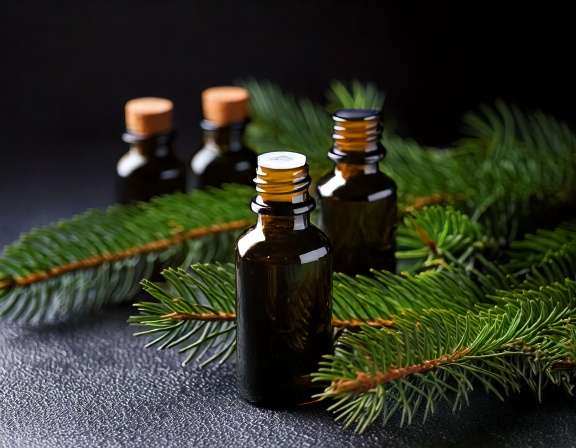
- Choose dark glass bottles over clear containers for long-term storage of essential oils.
- Check the smell, color, and texture now and then so you can spot changes early.
If you have started building a collection of aromatic plant extracts, you might be wondering how to store essential oils so they last longer and maintain their potency. These concentrated liquids are delicate substances, and without proper care, they can oxidize and lose their therapeutic properties over time.
By understanding the science behind shelf life, you can protect your investment and ensure that your essential oils remain effective for every use. Whether you are an experienced aromatherapist or just beginning your journey into natural wellness, following these simple storage habits will make all the difference in preserving the quality of your collection.
A bottle of essential oil can smell perfect one month and dull the next if it sits in the wrong spot. Heat, light, and air can wear down the scent and quality faster than most people expect.
The good news is that how you store essential oils matters more than fancy gear. A few small habits, like closing bottles tightly and keeping them out of sunlight, can help them stay fresh longer.
These simple habits do most of the heavy lifting. They protect the oil from the environmental factors that wear it out the fastest.
Quick Reference: Essential Oil Storage Guide
| Storage Factor | Best Practice |
|---|---|
| Temperature | Keep in a cool, stable environment (below 70°F/21°C). |
| Light | Store in amber or cobalt blue glass to block UV rays. |
| Placement | Keep upright in a dark, dry drawer or cabinet. |
| Air Exposure | Tighten caps immediately after every use. |
| Placement Avoidance | Never store near stoves, windows, or in humid bathrooms. |
What makes essential oils break down faster?
Essential oils are highly concentrated, but they remain remarkably sensitive to their environment. Factors like heat, light, air, and moisture can alter the chemical composition and therapeutic properties of essential oils over time. When these delicate compounds are compromised, the essential oils lose their potency, their scent softens, and their shelf life is significantly shortened.
How heat changes the oil
Warmth accelerates the degradation process inside the bottle. Oils stored near a stove, a sunny window, or in a hot car will age much faster than those kept in a cool, steady spot.
Bathrooms are a common problem area for many enthusiasts. The steam from showers raises the temperature, and then the room cools again once the water stops. That constant fluctuation can stress both the oil and the bottle seal. While a shelf over the sink may seem handy, it is a poor long-term home for your collection.
Why light and air are the biggest enemies
Exposure to direct sunlight breaks down the sensitive compounds found in natural extracts. That is why oils kept on a bright windowsill often lose their characteristic scent and efficacy much faster than expected. Even strong indoor light can cause gradual damage over time.
Air matters just as much as light. Every time you open a bottle, oxygen enters and begins the process of oxidation, which chemically changes the oil. Always keep the cap tightly secured when you are not actively using the product. If you prefer to make your own blends, learning how to properly store your DIY essential oil mixtures can help those custom bottles stay in peak condition for longer.
Why moisture and temperature swings matter too
Moisture can sneak into your bottles when they are stored in humid rooms or opened shortly after being chilled. Water does not mix with essential oil, so its presence can negatively affect the overall quality and create unwanted cloudiness.
Repeated transitions between warm and cool environments also play a major role in degradation. Maintaining a stable room temperature is vital for preserving the oil’s integrity. Consistency is key; a bottle that rests in one good location generally lasts much longer than one that is frequently moved around the house.
The Best Way and Place: How to Store Essential Oils at Home
Finding the ideal storage spot for your collection does not need to be complicated. To keep your oils fresh, they simply need to be kept in a cool, dark, and dry environment. A dedicated drawer, a closed cabinet, or a designated closet shelf are all excellent choices.
Many enthusiasts find that using specific storage solutions, such as a padded carrying case or a wooden box, helps keep bottles upright and organized. This approach keeps your collection together while shielding them from light. If you regularly create your own custom blends, grouping them in a single container ensures they stay organized and age at a consistent pace.
Choose a cool, dark, dry spot
An effective storage area should be unassuming. Ideally, it should be situated away from direct sunlight, heaters, and moisture-prone areas like sinks. Your goal is to avoid locations that experience temperature swings or daily exposure to UV rays.
When organizing essential oils, consider using a closed drawer rather than a bathroom counter. A pantry shelf is far superior to a windowsill. While it is tempting to display essential oils on open shelves for aesthetic reasons, direct light and fluctuating room temperatures will cause them to degrade much faster. If a room feels stable and temperate to you, it is generally a safe environment for your oils.
Keep oils away from heat, windows, and humidity
Kitchen counters near a stove are problematic because they are too warm. Similarly, bathroom shelves near a shower are too damp, which can compromise the integrity of the bottle seals over time. Even a decorative sunny spot on a dining room table can cause chemical changes within the oils.
A closet shelf in a bedroom or a dedicated drawer in a desk usually provides the best protection. As you select your storage area, remember that concentrated essential oils are flammable. For safety, always ensure your storage location is kept far away from open flames, candles, or high heat sources. The ultimate goal is to keep your bottles in a spot that maintains a stable, moderate temperature day after day.
Store them safely around kids and pets
Essential oils should always be kept out of reach of children and curious pets. Some oils can cause skin irritation or respiratory distress if spilled or ingested. A high shelf inside a locked or closed cabinet is much safer than an open tray on a low table.
If children or pets are present in your home, choose a secure spot with a door or a latch. Prioritizing safety often extends the shelf life of your oils as well. A bottle that is tucked away in a protective carrying case or a high cabinet is less likely to be bumped, spilled, or exposed to temperature fluctuations, ensuring your oils remain potent for as long as possible.
Pick bottles and caps that protect the oil
The bottle itself matters more than many people realize. The right container gives the oil another layer of defense against light and air.
Why dark glass works better than clear containers
Using amber glass bottles or cobalt blue containers is essential because they effectively block light. These dark glass bottles are superior to clear glass because they protect the oil from harmful UV rays that cause chemical degradation. While clear bottles may look attractive on a shelf, they are not the best choice for long-term storage.
Furthermore, you should avoid plastic bottles entirely. Essential oils are highly concentrated and can break down plastic materials over time, which can contaminate the oil and compromise the container. If you purchase high-quality oils, it is best to keep them in their original packaging whenever possible. For a deeper starter guide, keeping oils in dark glass for longevity is one of the easiest habits to get right.
Use tight lids and keep bottles upright
A tight lid is vital for keeping air exposure to a minimum. Regularly checking your bottle caps ensures you are preventing unnecessary leaks and stopping the oil from evaporating around the seal.
When choosing your closures, prioritize using orifice reducers. These are much more effective than rubber bulbs, as the latter can degrade when exposed to potent oils over time. Additionally, always practice upright storage. When bottles lie on their side, the oil can pool against the cap and weaken the seal. Keeping your collection upright is cleaner, safer, and makes it much easier to find the scent you need.
When to move oil into a smaller bottle
A partly used bottle contains more air, which leads to increased headspace inside the container. This extra air creates an environment that speeds up the process of oxidation. If you have a large bottle that is only half full, moving the remainder into a smaller glass container will significantly extend its shelf life.
This technique works best for oils you use often but not daily. Simply ensure the new bottle is clean, dry, and specifically designed for essential oils. Always label the new container with the name of the oil and the date you first opened it. That small step makes it much easier to track the quality of your oils as they age.
Should you refrigerate essential oils?
Sometimes, yes. Refrigeration can help certain oils last longer, especially lighter oils that age faster in room heat. While it is not required for every bottle, using the fridge can help preserve the volatile components that give oils their therapeutic properties.
A good cupboard is fine for many oils if the room stays cool and steady. Refrigeration is more useful when your home runs warm or when you want extra protection for delicate oils. The key is to keep the storage routine simple enough that you will stay consistent.
Which oils benefit most from cooler storage
Lighter, more delicate oils often benefit most from a cooler spot. Citrus oils are a common example, since they tend to lose freshness sooner than heavier, denser oils.
That does not mean every oil belongs in the fridge. Some oils are perfectly happy in a dark cabinet. The real test is how stable your home storage area is. If the room stays cool all year, you may not need cold storage at all.
How to avoid condensation and bottle damage
Cold air can create condensation when a bottle comes back to room temperature. Water can collect on the outside and sometimes around the neck of the bottle.
Let chilled oils warm up before you open them.
That small pause keeps moisture out. It also protects the cap and dropper area. If you do store oils in the fridge, put them back immediately after use so they do not sit warm on the counter for long.
How to tell when an essential oil is past its best
Even with proper storage, essential oils do not last forever. While these potent extracts do not go rancid like vegetable oils or common carrier oils, they do gradually lose their aromatic quality over time. Understanding the typical shelf life of your collection is the best way to ensure you are getting the most from your products.
Understanding typical shelf life
To keep your collection in peak condition, it helps to know how long you can expect specific oils to last. While shelf life varies by chemical composition, here are some general guidelines:
- Citrus oils: 1 to 2 years
- Floral oils: 2 to 3 years
- Wood and root oils: 4 to 8 years
As essential oils age, their therapeutic benefits may diminish alongside their scent. Unlike synthetic fragrance oils, pure essential oils are natural compounds that evolve, so keeping track of when you opened each bottle is a smart habit for any enthusiast.
Watch for scent, color, and texture changes
The easiest way to check your oils is by scent, followed by color and texture. Fresh essential oils should smell clean and true to their source. A tired oil may smell flatter, sharper, or off in a way you can notice immediately. Color can shift as well; some oils darken with age, while others may become cloudy or noticeably thicker.
If the oil smells stale, sour, or different from how you remember it, oxidation has likely begun. Changes in consistency are also a clear warning sign. If you have any doubts, compare your older bottle with a newer one. The difference in aromatic quality is often obvious once you smell them side by side.
Know when to stop using an oil
If the scent seems off, the bottle looks strange, or the oil has lost its potency, it is time to replace it. This is especially important for oils used in diffusers or DIY blends, where the purity of the scent is the most important factor.
Trust your nose. A bottle that no longer smells right is not worth keeping around out of habit. Replacing one tired oil is always better than incorporating it into a blend that fails to deliver the fresh experience you expect.
Frequently Asked Questions
Can I keep my essential oils in the refrigerator?
Yes, storing essential oils in the refrigerator can extend their shelf life, particularly for delicate oils like citrus. Always allow the bottle to return to room temperature before opening it to prevent condensation from entering the container.
Why do my essential oils need to be in dark glass bottles?
Dark glass, such as amber or cobalt blue, acts as a filter against UV light, which breaks down the chemical compounds in essential oils. Exposure to light can cause the oils to lose their therapeutic potency and aromatic quality much faster than when stored in protective glass.
Is it safe to store essential oils on a bathroom shelf?
It is best to avoid storing essential oils in the bathroom because of the frequent fluctuations in temperature and humidity caused by showers. These environmental stressors can degrade the oil and damage the integrity of the bottle seal over time.
Conclusion
Learning how to store essential oils is a simple process that revolves around keeping them cool, dark, dry, and tightly sealed. By using dark glass bottles, keeping your collection in an upright position, and choosing a stable storage spot, you effectively minimize the environmental factors that degrade quality. Utilizing vertical racks is an excellent way to keep your bottles upright and organized, ensuring your essential oils remain accessible and secure.
Once you establish these habits, your essential oils can stay fresher and more potent for much longer. Start by evaluating where you currently keep your collection, then move them away from direct heat, light, and moisture to get the most out of your investment.
Stay Connected for More Natural Living Inspiration
If you enjoyed this post about herbal wellness and love discovering natural ways to refresh your home and wellness, don’t miss out on future recipes and clean-living tips! Subscribe to the blog for weekly DIYs, wellness inspiration, and herbal remedies delivered straight to your inbox.
Don’t forget to visit my Amazon storefront for the links to my favorite essential oils, herbal teas, and natural recipes. I also create YouTube ambiance videos for sleeping; a channel I created to help people who have trouble sleeping. The link to all social media content is here.
Thanks for coming by!

Leave a Reply