
(DISCLAIMER: I am not a doctor, and you should consult your healthcare professional before starting any health regimen.)

Key takeaways before you choose a bug spray
- Homemade sprays cost less upfront if you already own essential oils and a spray bottle.
- Store-bought natural sprays save time because they are ready to use right away.
- DIY blends give you more control over scent, ingredients, and strength.
- Ready-made sprays usually last longer, which matters for long outings.
- Short outdoor sessions often suit homemade spray, while travel and all-day use fit store-bought better.
Mosquitoes can turn a calm evening into a swat-fest fast. When you want a spray that feels natural, smells better, and fits daily life, the choice gets tricky.
Homemade essential oil bug spray gives you control and a lower upfront cost. Store-bought natural spray usually gives you more consistency and longer wear time.
The best option depends on safety, budget, convenience, and how long you need protection. By the end, you’ll know which one fits your backyard dinners, hikes, errands, or camping plans.
What homemade essential oil bug spray does well, and where it falls short
Homemade spray has a certain charm. You pick the oils, choose the base, and skip ingredients you do not want on your skin. For many people, that control matters as much as the scent.
It can also be easy on the budget over time, especially if you already keep essential oils at home. A small bottle with water or witch hazel, plus a few drops of oil, feels simple and personal. If you want help choosing oils, the best essential oils for homemade mosquito spray guide breaks down common options for skin and clothes.
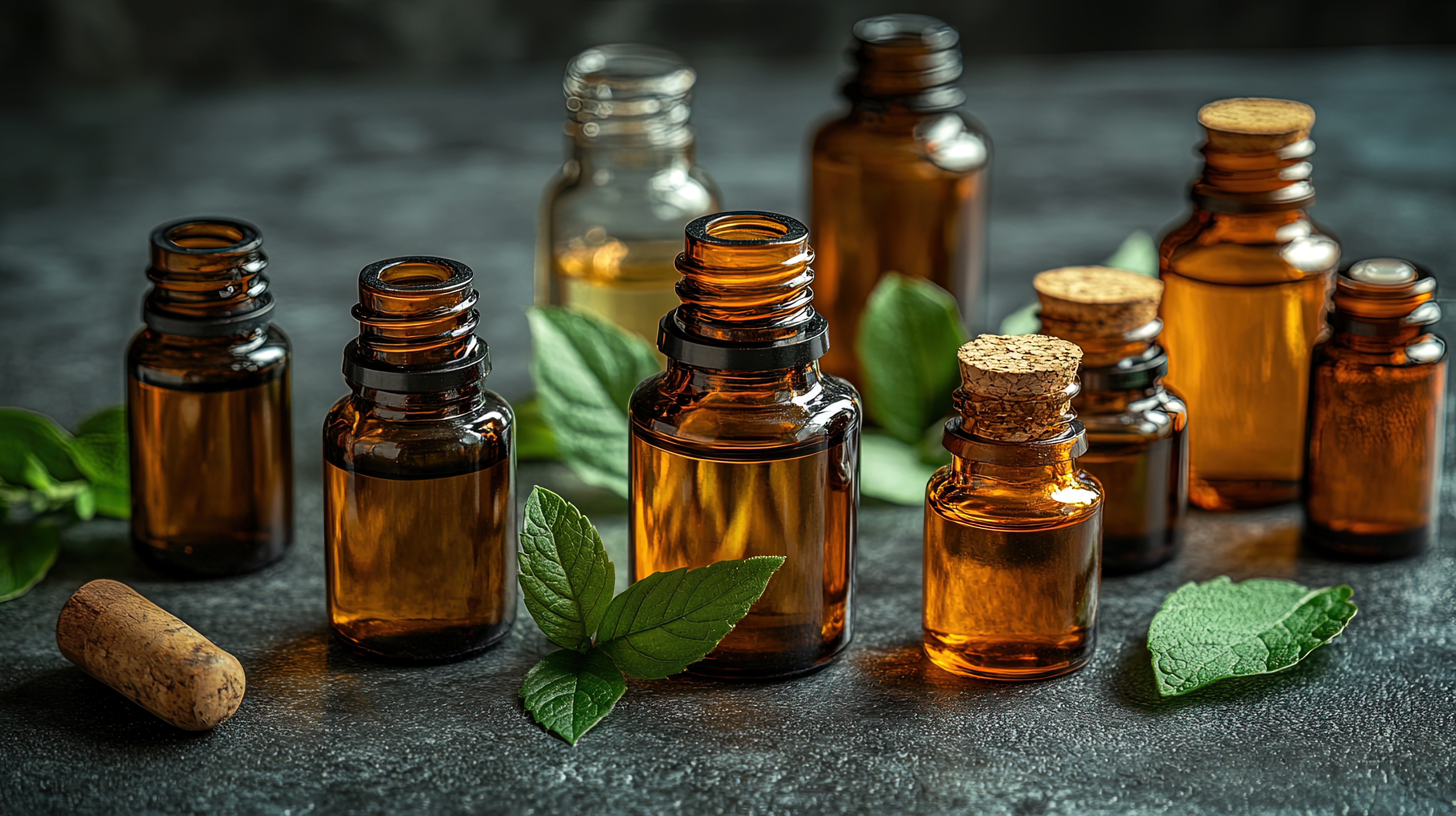
A DIY bottle can feel clean and simple, but it still needs careful measuring.
Why DIY spray feels so appealing
Many people like the freedom of making their own blend. You can choose a scent that feels fresh instead of sharp, and you can leave out ingredients that bother your skin or nose.
It also takes little gear. A small spray bottle, a measured base, and a few drops of essential oil are enough to get started. That makes it a good fit for a Sunday prep session or a quick batch before a backyard evening.
The limits you need to know about
Homemade spray usually wears off faster because essential oils evaporate. That means more reapplication, often every one to two hours.
Results can also vary from batch to batch. If the oils are not mixed well, or if the formula separates in the bottle, the spray may feel weaker one day and stronger the next. Shaking helps, but it does not make DIY spray as steady as a store-bought formula.
Why store-bought natural spray can be worth the price
A ready-made natural spray removes the guesswork. You open the bottle, spray it on, and head out the door. That matters when you are already juggling snacks, keys, kids, or hiking gear.
Many shoppers also like the label clarity. A finished product lists what is in the bottle, and it has usually been blended for more even use. That extra structure can feel reassuring when you want something that is ready for skin, clothes, or a day outside.
Recent product discussions and reviews also point to a big difference in wear time. Store-bought natural sprays often last much longer than DIY blends, sometimes around 5 to 7 hours or more. That kind of protection matters when you are sweating, moving, or staying out past sunset.
What you get with a ready-made bottle
The biggest win is convenience. A store-bought spray fits a busy routine because it takes seconds to use.
It can also be the better choice for long outdoor plans. Hikes, yard work, travel days, and family outings all get easier when you do not need to stop and remix a bottle. Some formulas are also built for more than one insect, which helps when the bugs are not all the same.
The tradeoffs in store-bought formulas
The main downside is price. Ready-made natural sprays cost more upfront than a homemade mix.
You also give up some ingredient control. Many products include preservatives, stabilizers, or extra scent components that some people want to avoid. If you prefer a very short ingredient list, that can matter.
Homemade vs. store-bought natural spray: the side-by-side comparison that matters
The table below puts the main tradeoffs in one place.
| Factor | Homemade essential oil spray | Store-bought natural spray |
|---|---|---|
| Cost | Lower upfront, especially if you already own oils | Higher upfront, but ready to use |
| Effort | Measure, mix, shake, and reapply | Open the bottle and spray |
| Ingredient control | Full control over oils and base | Less control, but clearer labeling |
| Protection time | Usually shorter, often 1 to 2 hours | Often longer, around 5 to 7 hours or more |
| Shelf life | Shorter and more variable | Longer and more stable |
| Portability | Easy to pack, but bottle care matters | Simple grab-and-go use |
The short version is simple. Homemade spray saves money and gives you control. Store-bought spray saves time and usually performs more consistently.
Cost, convenience, and time
If you already own essential oils, homemade spray can be cheap to make. Still, the time you spend mixing and refilling is part of the cost.
Store-bought spray asks for more money, but less effort. For many people, that trade is worth it on busy days.
How long each spray may protect you
Homemade blends often need more frequent reapplication. That makes them better for short outings, not long stretches outdoors.
Store-bought natural spray usually lasts longer between uses. It is often the better pick for a full afternoon outside or a long walk after dinner.
Shelf life and consistency
DIY spray may separate or lose strength over time. Small changes in mixing can change the feel of the spray from one bottle to the next.
A finished product usually stays more stable on the shelf. That consistency can matter when you want the same result each time you use it.
How to choose the right spray for your needs
The best spray depends on your day, not just your preferences. A quick patio dinner calls for a different approach than a weekend camping trip.
Homemade spray works well when you want a lighter, more personal option. Store-bought spray makes more sense when you need something dependable and low-effort. Budget matters, but so does how much time you want to spend making products at home.
If you have sensitive skin, patch test any new spray on a small area first. That advice applies to both homemade and store-bought blends. Essential oils can irritate skin, and they need extra care around children, pets, and pregnancy.
When homemade is the better fit
DIY spray fits people who enjoy simple projects and want more control over ingredients. It also works for short outdoor plans when reapplying every hour or two does not feel like a problem.
If you like making small batches and adjusting the scent, homemade spray can feel satisfying. It is a good match for a calm, hands-on routine.
When store-bought makes more sense
Store-bought spray is the better choice when speed matters. It also works well if you want longer-lasting protection for travel, camping, gardening, or packed weekends.
If you do not want to think about ratios, shaking, or shelf life, a ready-made bottle is easier. It is the simpler answer for busy days.
Simple DIY bug spray ideas readers can try at home
Start with a small spray bottle so you can test the blend before making more. For a basic homemade spray, add 2 tablespoons witch hazel, 2 tablespoons distilled water, 10 drops citronella, 6 drops lavender, and 4 drops peppermint.
Shake well before each use. Spray lightly on exposed skin or clothing, avoid eyes and broken skin, and patch test first. If you want a gentler scent, swap peppermint for lemon eucalyptus or keep the oil count lower.
A second option uses the same base with a different blend: 2 tablespoons witch hazel, 2 tablespoons distilled water, 8 drops lavender, 6 drops lemongrass, and 4 drops cedarwood. Keep the dilution modest, and do not add extra oil in hopes of stronger results.
Conclusion
Homemade essential oil bug spray is a smart choice if you want a lower-cost, customizable option for short outdoor moments. Store-bought natural spray is better when you want speed, consistency, and longer wear time without the mixing step.
If you enjoy DIY and do not mind reapplying, homemade can fit your routine well. If you want one bottle that is ready when you are, store-bought is easier to trust on busy days.
The best bug spray is the one you’ll actually use before the mosquitoes find you first.
Stay Connected for More Natural Living Inspiration
If you enjoyed this post about herbal wellness and love discovering natural ways to refresh your home and wellness, don’t miss out on future recipes and clean-living tips! Subscribe to the blog for weekly DIYs, wellness inspiration, and herbal remedies delivered straight to your inbox.
Don’t forget to visit my Amazon storefront for the links to my favorite essential oils, herbal teas, and natural recipes. I also create YouTube ambiance videos for sleeping; a channel I created to help people who have trouble sleeping. The link to all social media content is here.
Thanks for coming by!



Leave a Reply