
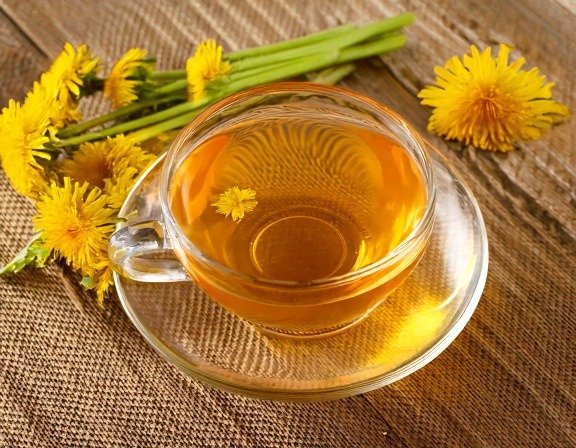
(DISCLAIMER: I am not a doctor, and you should consult your healthcare professional before starting any health regimen. )

Key Takeaways
- Pick 1 to 2 teas you’ll actually drink. Consistency beats a crowded cabinet.
- Keep it unsweetened. Avoiding sugar, syrups, and sweet creamers helps manage sugar cravings and keeps the benefits intact.
- Pair tea with protein and fiber meals. Tea works best when your plate is doing its job.
- Drink it at the right time. After meals for healthy digestion, mid-afternoon for cravings, before bed for calm (with caffeine-free options).
- Skip “detox” hype. If a tea makes you rush to the bathroom, that’s not fat loss.
- Watch caffeine. Green tea, matcha, black tea, and oolong can help, but they can also mess with sleep.
- Start small and pay attention. Begin with 1 cup daily, then move up if you feel good.
- Check for herb and medication clashes. This matters with blood thinners, diabetes meds, blood pressure meds, and stimulants.
If you’ve ever typed “herbal teas for weight loss” into a search bar, you’ve probably seen big promises and tiny disclaimers. Here’s a calmer take. “Fat-burning” teas don’t melt pounds overnight. In real life, the right tea can support the habits that lead to fat loss, like better digestion, fewer cravings, steadier energy, less bloating, and improved sleep, even helping reduce visceral fat, the deep abdominal fat linked to health risks.
Think of tea as a helpful sidekick for metabolic health. It can replace sugary drinks, make you feel more comfortable after meals, and give you a small nudge toward smarter choices. But results still come from steady basics: how you eat most days, how much you move, your sleep, and stress levels.
Quick safety note: some herbs aren’t a fit for everyone, especially during pregnancy, with certain meds, or if you have high blood pressure or heart concerns. When in doubt, check with a clinician you trust.
How herbal teas may help with fat loss (without the hype)
Weight loss still comes down to a calorie deficit over time. That part doesn’t change. What tea can do is make that deficit easier to live with, because it supports comfort, routine, and a steadier appetite.
One big win is hydration. A warm mug in your hands can replace soda, sweet coffee drinks, or mindless snacking. For many people, the “fat-burning” effect is really the simple swap: fewer liquid calories, more water, and a calmer appetite.
Some teas may help with cravings and appetite. Peppermint and ginger are classic examples. They don’t shut off hunger, but they can promote steadier blood sugar levels to ease insulin resistance, making you feel more satisfied after a meal, or help you ride out the “I want something sweet” moment.
Then there’s digestion and bloating. If your stomach feels tight or gassy, the scale can swing up even when you’re doing everything right. Herbal teas like ginger, peppermint, and fennel can help you feel lighter by easing that after-meal heaviness and supporting fat metabolism. That’s not the same as losing fat, but it can make your body feel more comfortable, which helps you stick with your plan.
Caffeinated teas (green tea, matcha, oolong) can give mild thermogenesis, meaning your body uses a bit more energy, and you may feel more alert. Green tea also has plant compounds called catechins, and you’ll often hear about EGCG. In plain terms, these antioxidants may promote fat oxidation and support metabolism a little. “A little” is the key phrase.
Finally, tea can support stress and sleep when you choose calming, caffeine-free options. Better sleep often means fewer cravings, steadier mood, and better portion control the next day.
A quick word about “detox teas”: many are just stimulant laxatives or strong diuretics. They can cause water loss, not true fat loss, and they can be rough on your gut.
What to expect in the first week vs after a month
In the first week, the changes are often subtle but noticeable. You might feel less bloated after meals. Some people get more regular bathroom habits, especially if they replace sugary drinks with tea and water. Mid-afternoon cravings may feel less intense, mostly because you’re building a new ritual.
After 3 to 4 weeks, the bigger shift is often behavioral. Tea becomes a cue for routine: a set time to pause, drink something warm, and not graze through the kitchen. Some people notice steadier energy when they swap a second coffee for green tea or oolong earlier in the day. Others find evenings calmer with a non-caffeinated blend.
Track how you feel, not just the scale. Pay attention to appetite, sleep quality, digestion, and how often you reach for sweet drinks.
Who should be careful with weight loss teas
Herbs are natural, but they’re still active plants. Use extra care if any of these apply to you:
- Pregnancy or breastfeeding
- Teens (ask a pediatric clinician first)
- Heart rhythm issues, high anxiety, or panic symptoms (caffeine can make these worse)
- Reflux or GERD (peppermint and ginger can irritate some people)
- IBS sensitivity (some herbs can trigger cramping)
- Liver concerns (avoid “multi-herb detox” blends and stick to simple teas)
- Meds like blood thinners, diabetes meds, blood pressure meds, antidepressants, stimulants
Also, keep senna and other harsh laxatives out of daily use. If a tea works by making you run to the bathroom, it’s not supporting healthy weight loss habits.
The best herbal teas for weight loss, and what each one is good for
The best tea is the one you’ll drink often, without loading it with sugar. Below are easy-to-find options, with simple, real-life uses.
Green tea and matcha for gentle metabolism support
Green tea has a clean, slightly grassy taste, sometimes with a soft floral note. Matcha is green tea in powdered form, so you’re drinking the whole leaf. It’s richer, thicker, and often more “green” in flavor.
Main benefit: Green tea and matcha serve as a gentle metabolism booster, mostly through caffeine plus catechins like EGCG. They can also help you stay alert, which can make workouts and daily movement feel easier.
Best time to drink: Morning or early afternoon. If you’re using matcha, start small, because it’s stronger than steeped tea.
Simple caution: If you’re caffeine-sensitive, green tea can still make you jittery. It can also bother sleep if you drink it late. Another small note: tea can reduce iron absorption for some people, so if that’s a concern, have it between meals instead of with food.
Oolong tea for a steady energy boost without heavy sweetness cravings
Oolong sits between green and black tea. The taste can be lightly floral, toasty, or even a bit honey-like, depending on the style. It’s a nice option if plain green tea feels too sharp.
Main benefit: Oolong, rich in flavonoids, can give a steady lift that helps you avoid the “I need a snack right now” feeling. For many people, it works best as a replacement habit. Instead of wandering into the pantry, you brew a mug and reset.
Best time to drink: Mid-morning or mid-afternoon, especially during the time you usually snack.
Simple caution: It contains caffeine, so keep it earlier in the day if you’re a light sleeper.
Ginger tea for digestion, bloat, and after-meal comfort
Ginger tea tastes warm and spicy, like a cozy heat in your throat. The scent alone can feel soothing, which is why it’s a favorite in both herbal kitchens and wellness routines.
Main benefit: Ginger may help with nausea, gas, and that heavy feeling after a big meal. When your stomach feels calm, it’s easier to stick with your plan and not chase relief through extra snacking.
Best time to drink: After lunch or dinner, or anytime you feel bloated.
Simple prep idea: Slice fresh ginger (about 5 to 8 thin slices) and steep in hot water for 10 minutes to make brewed tea. Cover the mug so the aromatic oils stay in the cup.
Simple caution: Ginger can irritate reflux for some people, and it may not be a fit with certain blood thinners. Keep amounts moderate if you’re unsure.
Peppermint tea for feeling less snacky and calmer after meals
Peppermint tea is bright, cool, and refreshing. That strong minty taste can act like a “reset button” after eating, similar to brushing your teeth, but gentler.
Main benefit: Peppermint may help digestion, act as an appetite suppressant, and help you feel satisfied after meals. The fresh mouth feel also makes random snacking less tempting, especially sweet snacks.
Best time to drink: After lunch or dinner, when you want something soothing but don’t want dessert.
Simple caution: Peppermint can trigger reflux in some people. If that happens, try spearmint, which can feel softer for some stomachs.
Pu-erh tea for digestion as a fermented option
Pu-erh tea offers an earthy, robust flavor with subtle notes of wood or damp stone. As a fermented tea, it develops depth over time and stands out from lighter varieties.
Main benefit: Pu-erh tea excels as a fermented option for digestion, promoting gut comfort and potentially aiding fat breakdown after meals.
Best time to drink: After lunch or dinner, especially heavier ones.
Simple caution: It has caffeine, so time it for earlier in the day. The bold taste may take getting used to for some.
Hibiscus tea for a tart, fruity swap for juice and soda
Hibiscus tea is bold, tart, and berry-like, even though it’s not a berry. If you miss juice or soda, hibiscus can be a great bridge because it feels “fun” without needing sugar. It’s packed with antioxidants.
Main benefit: Hibiscus makes it easier to drink more fluids, and it can help replace sweet drinks that add a lot of calories. Some people also find it supports a lighter, less puffy feeling, though results vary.
Best time to drink: Anytime, and it’s excellent iced.
Simple caution: Hibiscus may lower blood pressure in some people. If you’re on blood pressure meds, or if you’re pregnant, check with a clinician before making it a daily habit.
Simple fat-burning blends you can make at home (plus a daily tea routine)
Blends are where tea gets practical. You’re not chasing a miracle ingredient, you’re building a flavor you crave, so the routine sticks. Use a covered mug or teapot, because many helpful compounds are aromatic and can drift off with steam.
A good rule: start with one cup of brewed tea a day for a few days. If your body feels good, move up to 2 cups. Some people enjoy 3 cups daily, but watch caffeine and your stomach.
Try not to sweeten heavily. If you want extra flavor, use a cinnamon stick, a little vanilla, or a small squeeze of lemon. You can also chill tea and pour it over ice to make it feel like a treat.
Blend recipes: cravings, bloat, and bedtime support
1) Green tea + ginger + lemon (energy and digestion)
Steep 1 green tea bag (or 1 teaspoon loose leaf) with 3 to 4 thin ginger slices in hot water for 3 to 5 minutes. Add a squeeze of lemon after steeping. Keep it earlier in the day.
2) Peppermint + fennel (bloat help after meals)
Steep 1 peppermint tea bag (or 1 teaspoon dried peppermint) with 1 teaspoon lightly crushed fennel seeds for 8 to 10 minutes. This one is naturally sweet-tasting without sugar.
3) Hibiscus + cinnamon + orange peel (sweet drink swap)
Steep 1 tablespoon dried hibiscus with 1 small cinnamon stick (or 1 quarter teaspoon ground cinnamon) and 1 teaspoon dried orange peel for 10 minutes. Strain, then serve hot or iced. If it’s too tart, add more water, not sugar.
4) Rooibos + chamomile + cinnamon (evening comfort)
Steep 1 rooibos tea bag with 1 chamomile tea bag and a pinch of cinnamon for 8 to 10 minutes. Rooibos is naturally caffeine-free and a little vanilla-like, which makes this feel dessert-y without dessert.
A simple schedule that won’t mess with your sleep
If weight loss is the goal, sleep has to stay protected. A simple plan looks like this:
Morning: Choose a caffeinated tea (green tea, matcha, or oolong) with or after breakfast. If you’re sensitive to caffeine, keep it light and eat first.
After lunch: Pick a digestion tea, like ginger or peppermint (or the peppermint-fennel blend). This is also a great mid-afternoon time to replace the “sweet coffee” habit and support steady blood sugar levels.
After dinner or 60 minutes before bed: Go caffeine-free, like rooibos-chamomile, plain chamomile, or peppermint if it doesn’t trigger reflux.
Keep drinking plain water too. Tea can support hydration, but it shouldn’t be your only fluid. If sleep is already light, stop caffeine even earlier than 2 pm.
Final thoughts: tea that supports real-life weight loss
Herbal teas for weight loss work best when you treat them like a routine, not a rescue plan. A smart tea choice can help you drink fewer sugary drinks, feel better after meals, and handle cravings with less drama. That’s what “fat-burning” usually looks like in real life: better comfort, steadier energy, and habits you can repeat.
Pick one blend from the recipe section and drink it at the same time each day for a week. Notice your appetite, your digestion, your sleep, and how often you reach for snacks out of boredom.
Save your favorite blend, try a simple 7-day tea routine, and keep it unsweetened. And if you’re pregnant, managing a health condition, or taking meds, do a quick safety check first, because herbs can interact even when they come in a pretty little tea bag; skip senna tea as a daily laxative.
Stay Connected for More Natural Living Inspiration
If you enjoyed this post about herbal wellness and love discovering natural ways to refresh your home and wellness, don’t miss out on future recipes and clean-living tips! Subscribe to the blog for weekly DIYs, wellness inspiration, and herbal remedies delivered straight to your inbox.
Don’t forget to visit my LinkTree for the links to my favorite essential oils, herbal teas, natural recipes, YouTube ambiance videos for sleeping; a project I created to help with insomnia symptoms and the second channel, Rooted in Nature YouTube Channel both channels feature herbal recipes for wellness and home.
Thanks for coming by!

Leave a Reply