
(DISCLAIMER: I am not a doctor, and you should consult your healthcare professional before starting any health regimen.)

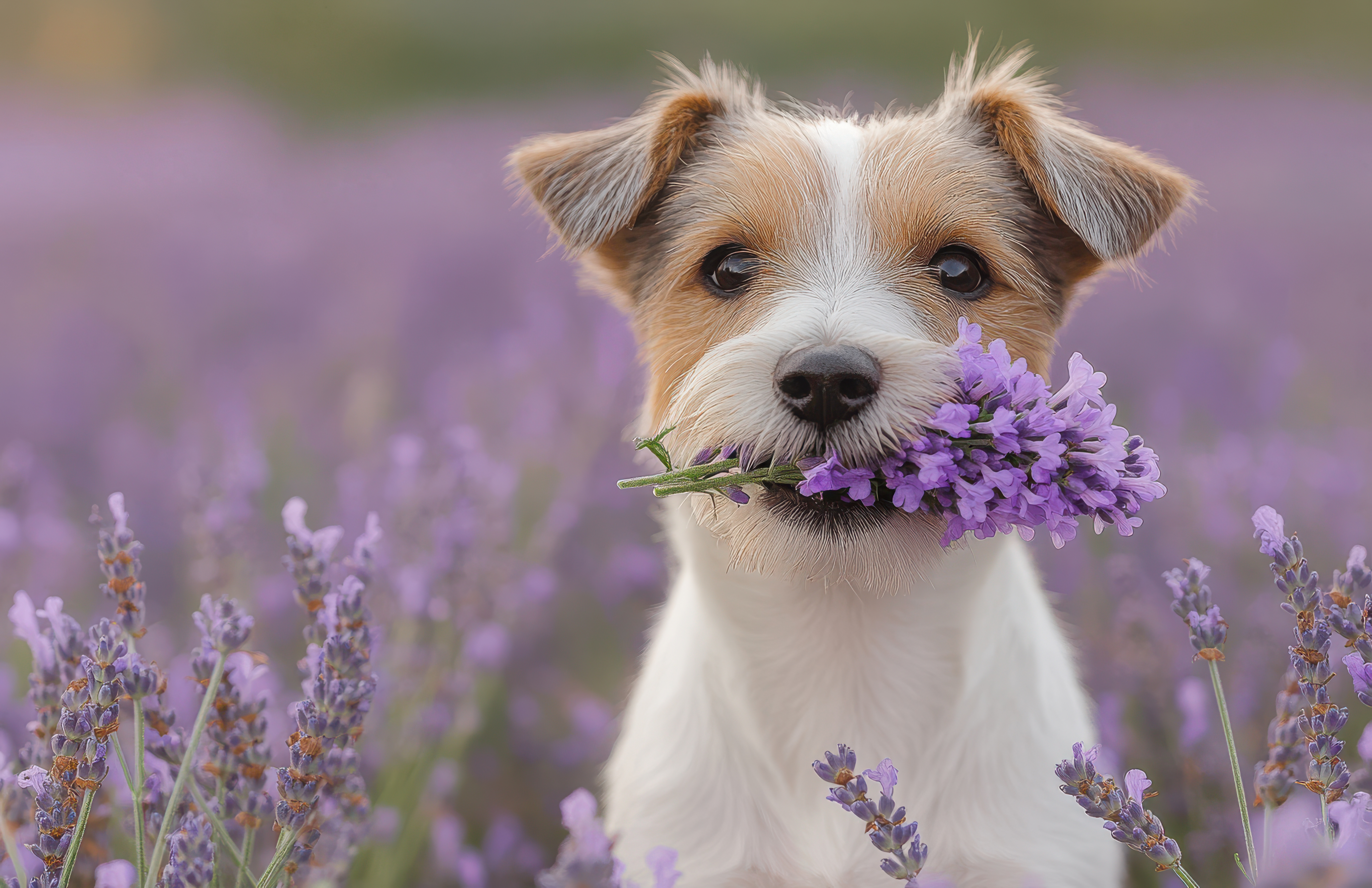
Essential oils are everywhere these days, especially in homes with pets. Many dog owners turn to lavender oil, hoping for natural dog anxiety relief and gentle aromatherapy. But while lavender essential oil is often praised for its calming scent, you may wonder, is lavender essential oil safe for dogs?
Most vets agree that, when used carefully, lavender oil can be safe for dogs. However, using essential oils around pets always comes with a few risks. Not every pup reacts the same way, and some essential oils can be unsafe if not handled the right way.
This article covers the facts about lavender oil dog safety, including how and when to use it, signs your dog may be sensitive or at risk of essential oil toxicity, and safe alternatives for calming your pet. You’ll also find tips for diffusing oils around pets so everyone stays safe and calm. For extra guidance on how to use essential oils safely in your home, see our tips for essential oils for beginners.
Understanding Lavender Essential Oil and Its Use With Dogs
Lavender essential oil is popular in both natural health circles and dog care. Pet owners often use it hoping to calm anxious pups, help itchy skin, or create a gentle bedtime routine. The scent is known for relaxing people, and now more are trying pet aromatherapy at home.
As more families use essential oils, questions about lavender oil dogs keep coming up. Is it really safe? What exactly does it do for dogs? Lavender essential oil dog safety should always be your top priority. It’s important to understand both the claims and the safest ways to include lavender oil in your dog’s wellness routine. For those interested in exploring pet aromatherapy further, you’ll find extra context in the Aromatherapy Insights Page 16.
Benefits of Lavender Oil for Dogs
People use lavender oil with dogs for three main reasons:
- Natural dog anxiety relief: Many owners report that lavender oil helps ease nervousness in dogs. This may come in handy during thunderstorms, car trips, or fireworks.
- Soothing skin irritation: Lavender is known for calming the skin. Some say that diluted lavender oil may help comfort mild bug bites or hot spots, bringing gentle relief.
- Helping with sleep: Lavender oil’s calming scent can support better rest for anxious or restless pets. Many try it around bedtime to promote a peaceful sleep routine.
While some results come from owner observations, evidence shows lavender can have calming effects in both humans and animals. Still, always follow safe use principles when trying any essential oils safe for dogs.
Common Methods for Using Lavender Oil Around Pets
When using essential oils around pets, proper application is key for safety and results. The most common ways people use lavender essential oil with dogs include:
- Diffusing: Adding a few drops of lavender oil to a water-based diffuser allows the scent to fill a room. Always use well-ventilated areas and never force your dog to stay where oil is being diffused.
- Topical use (diluted): Some owners apply diluted lavender oil (always with a safe carrier oil) to specific skin areas. It’s important to start with a very low concentration to watch for any signs of irritation.
- Sprays and bedding: A diluted lavender mist can be lightly sprayed on bedding or dog bandanas for a calming effect. Never spray directly on your pet’s face or sensitive areas.
Safety is non-negotiable, never let dogs ingest essential oils, and consult your vet before topical use. Proper dilution and careful observation make all the difference. For clear instructions and safe practices, check out our Beginner Essential Oils Guide. Want to see what other oils are safe for dogs? Visit the Essential Oils Safe for Dogs resource for more tips.
Keeping pet aromatherapy safe comes down to a mix of knowledge, careful use, and paying close attention to how your dog reacts. Always go slow and watch for any signs of discomfort.
Potential Risks and Essential Oil Toxicity in Dogs
Lavender essential oil can be soothing, but it’s not risk-free for every dog. Just like people, dogs process substances differently depending on their size, breed, genetics, and even age. Pet aromatherapy safety is more than following trends or copying your own routine. Essential oil toxicity in dogs can sneak up quickly, and not all effects show up right away. Understanding your dog’s unique metabolism and knowing which symptoms to watch for helps you act early and avoid emergencies.
Signs of Lavender Oil Toxicity in Dogs
Dog bodies handle essential oils in ways that can leave them at risk, especially with concentrated scents or unsafe applications. If your dog is exposed to too much lavender oil, their liver and kidneys might work overtime to clear out toxins. Since dogs metabolize oils more slowly than people, risky levels can build up. Here are common signs to watch if you think your dog picked up too much lavender oil:
- Lethargy or weakness: Your usually playful pup seems tired or uninterested in normal activities.
- Vomiting or diarrhea: Trouble with digestion may appear quickly or after a few hours.
- Excessive drooling: More saliva than usual, sometimes with changes in breath smell.
- Trouble breathing: Coughing, wheezing, or rapid breathing may signal distress.
- Reddened skin or burns: Especially after accidental direct contact with undiluted oil.
- Shaking or muscle tremors: Unusual shaking can mean a neurological reaction.
- Loss of balance or stumbling: Signs your dog’s nerves or muscles are affected.
These symptoms point to possible essential oil toxicity in dogs. If you notice any of them after using lavender oil, stop immediately and reach out to your vet. Quick action makes a difference.
Understanding Safe Dosage and Dilution
Dogs are far more sensitive to essential oils than we are. Their smaller size and different metabolism mean even a small amount can have big effects. That’s why proper dilution is critical for lavender essential oil dog safety.
Don’t ever use undiluted (neat) lavender oil on your dog’s fur or skin. Always mix it with a pet-friendly carrier oil, like coconut or olive oil. For most dogs, a safe starting point is one drop of essential oil per 50 drops of carrier oil (about 0.5–1 percent dilution). Never let your dog lick or ingest oil, and avoid sensitive spots like eyes, nose, or genitals.
Key points for using essential oils around pets:
- Start small: Use the lowest concentration and observe your dog’s reaction.
- Diffuse safely: Always use well-ventilated rooms and let your dog leave if they want. Never confine them in a space with an active diffuser.
- Spot test: Try a small amount of diluted oil on a patch of fur and wait for 24 hours to check for irritation.
- Monitor always: Watch your dog for any of the symptoms listed above.
Some essential oils are safer for dogs than others. If you want to explore more options for natural dog anxiety relief or soothing scents, visit the Are essential oils safe for dogs? resource. It covers what to look for in pet-friendly oils and gives more detail about safe alternatives.
Remember, lavender oil dogs may react in unique ways, so always play it safe and put your dog’s health first when trying pet aromatherapy.
Safe Practices for Diffusing and Applying Essential Oils Around Dogs
Using essential oils around pets, especially dogs, calls for extra attention to detail. Safe routines protect your dog while allowing you to enjoy the benefits of natural dog anxiety relief and gentle pet aromatherapy. Below are step-by-step guidelines for keeping lavender oil dogs safe whether you’re diffusing or applying oils, plus important tips for avoiding essential oil toxicity in dogs.
Creating a Safe Space: Ventilation and Room Choice
Proper ventilation is your first line of defense when diffusing oils. Pick a large or well-ventilated room where air flows freely and your dog can leave whenever they want. Avoid confining your dog to small, enclosed spaces with an active diffuser.
- Open windows or use fans to keep air fresh.
- Set up the diffuser away from your dog’s crate or favorite resting area.
- Limit the time you run a diffuser, usually no more than 30–60 minutes.
- Watch for any signs of discomfort, such as sneezing or leaving the room.
If you need inspiration for safe and gentle blends, explore these calming essential oil diffuser blends designed to support relaxation within pet-friendly spaces. Only use recipes and blends verified as safe for dogs.
Step-by-Step: Safely Diffusing Oils Around Pets
Following a simple routine helps keep essential oils safe for dogs:
- Choose the right oils: Stick to dog-safe options, like lavender. Double-check that oil blends do not include tea tree, clove, or other risky ingredients.
- Dilute properly: Use only a few drops (2–3) per 100 ml of water in the diffuser.
- Start slow: Let your dog roam and observe their behavior.
- Give breaks: Run the diffuser in short bursts, not continuously, giving plenty of downtime between sessions.
- Store oils securely: Keep bottles out of your dog’s reach at all times.
Safe Topical Application: Where and How to Apply
For topical uses, always dilute lavender essential oil with a neutral, pet-safe carrier oil. Testing a tiny area first prevents bigger problems down the road.
- Avoid sensitive zones like eyes, nose, mouth, and genitals.
- Gently rub a small amount on an area your dog can’t easily lick, like behind the ears or along the back.
- Watch closely over the next 24 hours for any redness, itching, or other reactions.
- Never use essential oils on puppies, pregnant or nursing dogs, or those with known health issues without expert guidance.
Areas and Methods to Avoid
Knowing where not to use essential oils is just as important:
- Do not allow any undiluted oil to touch your dog’s skin.
- Never spray oils directly at your dog’s face, paws, or belly.
- Avoid adding oils to your dog’s food or water—ingestion is a fast route to essential oil toxicity in dogs.
- If using sprays or cleaning products with oils, keep your dog out of the room until everything is dry and the scent fades.
Responsible use combines knowledge with careful observation. Paying attention and making small adjustments goes a long way in pet aromatherapy safety. Stick with routines you know are safe, and always put your dog’s comfort first when using essential oils around pets.
Alternatives to Lavender Essential Oil for Dogs
If you’ve learned about the precautions needed with lavender essential oil for dogs or if your pup has shown sensitivity, you’ll be glad to know there are other options. Some essential oils and natural remedies offer calming benefits and are considered safer for many dogs when used correctly. Let’s look at a few trusted alternatives you can try for natural dog anxiety relief and more.
Chamomile Essential Oil
Chamomile stands tall as a gentle favorite for both people and pets. This soothing oil is widely used to help calm nerves and ease stress. Many dog owners reach for chamomile during thunderstorms, vet visits, or other stressful times. It’s also known for its skin-soothing benefits, much like lavender.
You’re not alone if you want to explore this further. For in-depth guidance, find out how to safely use chamomile by visiting Chamomile Essential Oil and Dogs.
Frankincense Essential Oil
Frankincense offers a comforting, earthy aroma that some dogs find very settling. This oil has been noted to support emotional wellness and calm nervous energy. When using essential oils around pets, frankincense mixed with a carrier oil or gently diffused can create a balanced, peaceful vibe at home.
Curious about the details or safety notes? Check out the section on Frankincense Oil Safety for Dogs for helpful information.
Melissa (Lemon Balm) Essential Oil
Melissa, or lemon balm, is known for reducing restlessness and anxious behavior. Its light, lemony scent may uplift moods and provide gentle stress relief for dogs who struggle with change or loud environments. As with other oils, always use proper dilution and never apply directly to sensitive areas.
For more specifics on application and safe use, visit Melissa Essential Oil and Dogs.
Non-Essential Oil Options: Natural Remedies for Calm
It’s not just about essential oils. Some pets react better to herbal or holistic approaches instead of aromatherapy. These drug-free alternatives have gained popularity for dog anxiety and comfort:
- CBD oil (pet-specific): Some people use CBD oil to help manage anxiety in their pets. Ensure it’s vet-approved and properly dosed.
- Herbal teas (like chamomile or valerian – cooled and unflavored): Can be added to your dog’s food in small amounts with your vet’s okay.
- Dog-appeasing pheromone diffusers or collars: Products that mimic natural calming signals, helpful during high-stress events.
- Weighted anxiety wraps and calming beds: Physical comfort can work wonders for many dogs overwhelmed by outside stimuli.
- Routine, exercise, and training: Sometimes nothing beats a steady schedule, positive training, and plenty of play to keep stress at bay.
Oils and Herbs to Avoid
Essential oil toxicity in dogs is real, so some oils and herbs are best skipped entirely:
- Tea tree (melaleuca)
- Pennyroyal
- Wintergreen
- Eucalyptus (unless approved by your vet—see Eucalyptus Essential Oil for Dogs for safe practices)
- Clove
- Cinnamon
- Nutmeg
Always check before trying anything new. Dog-safe aromatherapy is never a one-size-fits-all—each dog has their own needs and sensitivities. If you want to explore more about what each essential oil can do and how to use them responsibly, browse the wider selection on the Essential Oils Uses page.
Tuning into your dog’s body language, reactions, and comfort is the clearest signpost for safe choices. When in doubt, stick with trusted options, consult your vet, and keep your dog’s health the top priority.
Conclusion
Lavender essential oil can be part of a calming routine for your dog when you approach it with care. Using essential oils around pets calls for a mix of solid information and close attention to your dog’s unique needs. Always start with small amounts, watch for any changes, and keep safety at the center. Essential oil toxicity in dogs is preventable with proper use and by consulting your vet before adding new scents to your home.
Your dog’s wellbeing comes first, so lean on trusted guidance when exploring natural dog anxiety relief or pet aromatherapy safety. Take time to learn more about safe routines and potential risks as you build a healthy environment for your pet. If you’re curious about broader trends and what’s shaping the safety of aromatherapy today, check out factors driving aromatherapy industry.
Thanks for making your dog’s health a priority. If you’ve had experiences with lavender oil dogs or want to share your own safe pet tips, join the conversation below. Every responsible choice you make helps keep all pups happier and safer.
Stay Connected for More Natural Living Inspiration
If you enjoyed this post about essential oils and love discovering natural ways to refresh your home and wellness, don’t miss out on future recipes and clean-living tips! Subscribe to the blog for weekly DIYs, wellness inspiration, and herbal remedies delivered straight to your inbox.
Tap here to visit my LinkTree store where you can purchase the essential oils mentioned in this post, explore new essential oil products, herbal tea blends, and more.
Thanks for coming by!



Leave a Reply