
(DISCLAIMER: I am not a doctor, and you should consult your healthcare professional before starting any health regimen. Product links are commissioned and supports the blog)

Key Takeaways
- Frankincense essential oil is often used to help skin look calmer, smoother, and more even.
- Facial blends should stay very low, while body recipes can use a slightly stronger dilution.
- Patch testing is smart, especially if your skin is dry, reactive, or prone to breakouts.
- Simple recipes often work best because they’re easy to repeat and easy to adjust.
Frankincense has stayed popular in natural skin care for a reason. It fits easily into routines that aim to soften dryness, calm the look of redness, and bring a little life back to dull skin.
Many people also reach for frankincense essential oil when fine lines start to look more noticeable, or when skin needs extra comfort without a heavy product. The recipes below stay simple, beginner-friendly, and gentle, but dilution and patch testing still matter. Use a light hand, keep the blends small, and let your skin tell you what works.
Why Frankincense Essential Oil Is So Popular in Skin Care
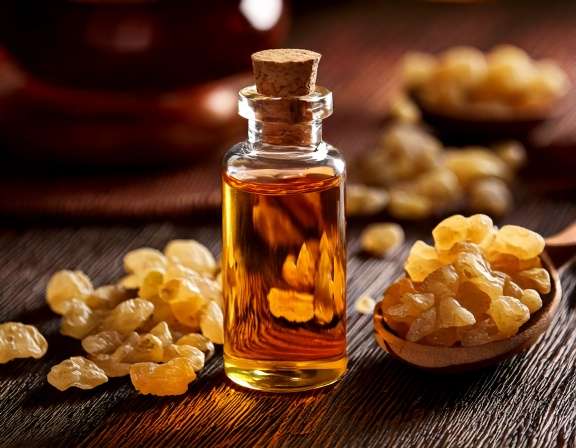
Frankincense has a warm, resin-like scent that many people find soothing. In skin care, it’s often chosen for skin that looks tired, dry, or uneven. It can slip into oils, lotions, and masks without needing a long ingredient list.
The appeal is simple. Frankincense essential oil can help skin feel pampered while keeping the routine light. That makes it a common pick for mature skin, dry skin, and skin that just wants a little more comfort. It also pairs well with carrier oils because the scent is soft, not sharp, and the blend feels easy to wear.
What it may do for fine lines, redness, and uneven tone
People often use frankincense for the look of fine lines, blotchiness, redness, blemishes, and dark spots. It won’t erase skin concerns, but it may help skin look smoother and more even over time.
That gentle support is part of the draw. A few drops can turn a plain oil blend into something that feels more special, especially at night. If your skin looks rough after a long week, frankincense can be one of those quiet ingredients that helps the whole routine feel more polished.
Why it works well in gentle DIY blends
Frankincense mixes well with carrier oils, unscented lotions, and simple masks because it doesn’t need much to make an impression. Its scent is light enough for facial use when it’s well diluted, and many people enjoy the calming feel it brings to a routine.
For facial skin, less oil usually works better than more.
That matters because sensitive skin can react to too much essential oil. Keep facial blends very low, use a plain base, and avoid crowding the recipe with extra strong scents.
How to Use Frankincense Safely on Face and Body
Essential oils should never go on skin neat. They need a carrier, such as jojoba, almond, grapeseed, or a plain lotion base. That keeps the blend gentler and lowers the chance of irritation.
For more detailed help, this safe dilution tips for facial oils guide is a useful companion.
Simple dilution guidelines for facial and body use
A beginner-friendly face blend usually stays close to 1% dilution. In plain language, that means about 1 drop of frankincense essential oil in 1 teaspoon of carrier oil.
For body blends, 2% to 3% is a more common range. That works out to about 2 to 3 drops per teaspoon of carrier oil, or 12 to 18 drops in 1 ounce. If that sounds strong, start lower. Your skin only needs a light touch.
Patch testing, storage, and skin-sensitivity basics
Test every new blend on a small patch of skin first. Put a little on the inner arm or behind the ear, then wait 24 hours. If you see redness, itching, swelling, or burning, wash it off and skip that recipe.
Keep blends in a cool, dark place, and label them with the date. Avoid the eyes, lips, and broken skin. If you’re pregnant, nursing, or making a blend for a child, ask a healthcare professional first.
Five Gentle DIY Recipes for a Soft, Healthy Glow
These five recipes are simple enough for a first try, but flexible enough to keep using. You can make one for the face, one for the body, and one for the days when skin wants a little extra care.
Nourishing frankincense facial oil for nightly use
Mix 1 tablespoon jojoba oil, argan oil, or sweet almond oil with 2 drops frankincense essential oil in a small glass bottle. Shake gently before each use. Apply 2 to 3 drops to clean skin at night, especially after washing your face.
This blend is made for dry or tired skin that wants a smooth finish by morning. It works well after cleansing, or as the last step in a bedtime routine. Keep the amount small, then press it into the skin instead of rubbing hard.
Calming body lotion blend for dry, tired skin
Stir 12 drops frankincense essential oil into 2 tablespoons of plain unscented lotion or whipped body butter. Mix well so the scent spreads through the base evenly. Use it after bathing on elbows, legs, knees, and hands that feel rough.
This is a good choice when your skin needs comfort but not a heavy perfume. If you want a softer scent, start with 8 drops and build slowly later. Either way, blend thoroughly before you use it.
Weekly glow mask with honey and clay
Blend 1 teaspoon honey, 1 teaspoon plain yogurt or aloe vera gel, and 1 teaspoon kaolin clay. Add 1 drop frankincense essential oil that has been mixed first with a few drops of carrier oil. Stir until the mask looks smooth.
Spread a thin layer over clean skin and leave it on for 7 to 10 minutes. Rinse with lukewarm water before the mask dries hard. Use this once a week, not every day, so skin stays fresh instead of stripped.
Overnight hand and cuticle balm for extra softness
Melt 1 tablespoon shea butter with 1 tablespoon plain beeswax balm or salve, then stir in 2 drops frankincense essential oil. Pour it into a small jar and let it set. Rub a pea-sized amount over hands, nails, and cuticles before bed.
This balm is a nice fit if you wash your hands often or notice dry skin around your nails. It feels rich, so a little goes a long way. Keep it by the bedside and use it whenever your hands feel tight.
Gentle after-shower body oil for silky skin
Combine 2 tablespoons grapeseed oil, jojoba oil, or sweet almond oil with 6 to 8 drops frankincense essential oil. Shake the bottle well. Massage it onto damp skin right after showering so it can help seal in moisture.
This recipe works best on skin that likes lightweight oils. You can adjust the scent slightly, but stay within safe dilution levels. If your skin is sensitive, use fewer drops and keep the mix simple.
How to Match Each Recipe to Your Skin’s Needs
You don’t need all five blends at once. The best choice depends on what your skin feels like today. Dry skin, dull skin, and sensitive skin each ask for something a little different.
Best choices for dry, dull, or mature skin
Start with the facial oil, the after-shower body oil, or the overnight hand balm. These blends use richer ingredients that help skin feel cushioned and smooth.
If your skin looks flat or rough, the facial oil is often the easiest place to begin. The body oil helps after bathing, when skin can still hold a little water. Meanwhile, the hand balm is useful for spots that show dryness first.
Best choices for sensitive or breakout-prone skin
Choose lighter recipes and keep the dilution low. The facial oil can work well if you use jojoba and only a drop or two of frankincense. The mask should stay gentle too, with short wear time and a soft clay like kaolin.
If an oil feels too heavy, skip it. Simple ingredient lists are easier to tolerate, especially for skin that clogs easily or reacts fast. Patch testing matters most here, because comfort should come before fragrance.
Conclusion
Frankincense essential oil can be a lovely part of a gentle skin care routine when it’s used with care and in the right amount. Its appeal comes from simple things, like a soft scent, a light feel, and the way it fits into oils, lotions, and masks.
The big takeaways are easy to remember, keep facial blends low, patch test first, and use plain ingredients whenever you can. Start with one recipe that matches your skin’s needs, then build from there. A small, steady routine often gives skin more than a crowded shelf ever could.
Stay Connected for More Natural Living Inspiration
If you enjoyed this post about herbal wellness and love discovering natural ways to refresh your home and wellness, don’t miss out on future recipes and clean-living tips! Subscribe to the blog for weekly DIYs, wellness inspiration, and herbal remedies delivered straight to your inbox.
Don’t forget to visit my Amazon storefront for the links to my favorite essential oils, herbal teas, and natural recipes. I also create YouTube ambiance videos for sleeping; a channel I created to help people who have trouble sleeping. The link to all social media content is here.
Thanks for coming by!

Leave a Reply