
(DISCLAIMER: I am not a doctor, and you should consult your healthcare professional before starting any health regimen.)

Key Takeaways
- Fenugreek is an old kitchen herb with seeds and leaves that show up in food, tea, and supplements.
- Many women explore it for lactation support, menstrual comfort, digestion, and blood sugar balance.
- Its fiber and plant compounds help explain why it has a steady place in home wellness routines.
- Start with a small amount, watch how your body responds, and get medical advice when needed.
Fenugreek keeps showing up in women’s wellness routines for a simple reason, it has a long history in food and home remedies. The seeds have a warm, bitter edge with a maple-like scent, and the leaves bring a familiar green bite to the kitchen.
People reach for it in teas, spice blends, capsules, and soaked seed preparations. Some use it for digestion, some for nursing support, and some for everyday comfort. Results can vary, so if you’re pregnant, nursing, taking medication, or managing a health condition, talk with a healthcare professional before trying it.
Why fenugreek has earned a place in women’s wellness routines
What fenugreek is and how people use it
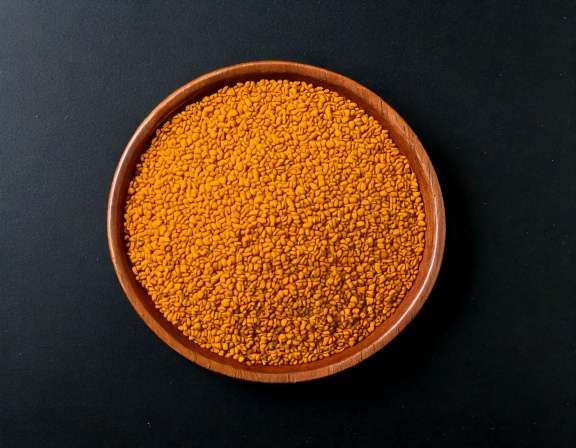
Fenugreek is a modest-looking herb with small golden seeds and leafy greens. The seeds are the part most people know best, although the leaves also have a place in cooking.
You’ll find fenugreek in tea, capsules, powder, spice mixes, and soaked seed blends. In traditional systems, people have used it for everyday support, especially for digestion and women’s health. That long use is one reason it still appears in home kitchens today.
Its taste is easy to remember. The first note is bitter, then a sweet maple-like scent comes through. That flavor can feel strong in tea, so many people soften it with honey, lemon, or other herbs.
A quick look at its key plant compounds
Fenugreek contains fiber, plant compounds, and aromatic oils. Those pieces work together in different ways.
The fiber may help slow digestion and support steadier blood sugar after meals. Other plant compounds have drawn interest for their possible role in digestive comfort and hormone-related wellness. None of that makes fenugreek a cure, but it does help explain why people keep returning to it.
Used wisely, it fits well into a simple routine. It can sit beside food, tea, and other gentle habits without taking over the whole plan.
Fenugreek benefits women often look for
Why nursing mothers often explore fenugreek
Fenugreek is one of the best-known herbs among breastfeeding women. Many people try it when they want to support milk supply.
Some women notice a helpful shift. Others do not. That variation matters, because herbs do not work the same way for everyone. A lactation consultant or clinician can help if milk supply feels low or feeding feels difficult.
Fenugreek can also change body odor. The maple-like smell may show up in sweat or urine. That effect is harmless for many people, but it can surprise you if you are not expecting it.
How it may support menstrual comfort and cycle balance
Fenugreek has a long place in traditional care for PMS-style discomfort, cramps, and general cycle support. Some women use it when they want a warming herb during their monthly routine.
Tea is a common choice here. Soaked seeds or mild spice blends also show up often, especially when the goal is gentle daily support. A small cup after meals or before rest can feel grounding.
Even so, fenugreek is not a cure-all for menstrual pain or cycle changes. It may be one part of a broader routine that also includes sleep, hydration, movement, and medical care when needed.
Possible help with blood sugar and everyday energy
Fenugreek’s fiber is one reason people often talk about blood sugar support. Fiber can slow how quickly food moves through the body, which may help keep post-meal swings smaller.
That can matter for energy. When blood sugar rises and falls too fast, some people feel shaky, tired, or hungry again soon after eating. Fenugreek may help with that pattern for some women.
Still, this is the area where caution matters most. If you have diabetes, prediabetes, or you take blood sugar medication, speak with a healthcare professional first. Fenugreek can work together with medication in ways that need monitoring.
Digestive support and a lighter feeling after meals
Fenugreek has a long history of use for digestion. People often turn to it after a heavy meal or when the gut feels sluggish.
Its seeds can feel soothing in a warm tea, and the fiber may support regular bowel movements. Some women also like it when meals leave them feeling overly full or heavy.
If you already enjoy soothing herbal blends for digestive relief, fenugreek fits that same after-meal habit. The flavor is stronger than peppermint or chamomile, but it brings a comforting, earthy depth.
The best ways to use fenugreek at home
Fenugreek tea, seed soak, and capsule options
Different forms work for different habits. A simple comparison makes it easier to choose.
| Form | Best for | What to know |
|---|---|---|
| Tea | A gentle starting point | Strong flavor, easy to sip slowly |
| Soaked seeds | Food-based daily use | Earthy taste, easy to add to smoothies |
| Powder | Cooking and spice blends | Flexible, but the flavor stands out |
| Capsules | Convenience | Easier to take, harder to adjust taste |
Tea and soaked seeds are often the easiest places to start. Capsules may feel simpler, but they give you less control over flavor and timing. Powder works well if you already cook with herbs and spices.
Simple kitchen ideas readers can try
A little fenugreek goes a long way. Start with one use, then see how your body feels.
- Simple fenugreek tea: Simmer 1 teaspoon of seeds in 1 cup of water for 8 to 10 minutes. Strain, then add honey or lemon if the taste feels sharp.
- Overnight seed soak: Soak 1 teaspoon of seeds in a small glass of water overnight. In the morning, rinse the seeds and blend a spoonful into a banana smoothie.
- Mild soup seasoning: Grind a pinch of fenugreek with cumin and fennel, then add it to lentil soup or vegetable stew.
- After-meal tea blend: Stir fenugreek with ginger or fennel seeds for a stronger, more rounded cup.
These ideas keep the herb in the same place you already spend time, the kitchen. That makes it easier to use often without turning it into a chore.
Who should be careful with fenugreek
Common side effects to know about
Fenugreek is natural, but natural does not mean risk-free. Some people get stomach upset after using it.
Common side effects include:
- Bloating or gas
- Diarrhea
- Mild stomach cramps
- A strong maple-like smell in sweat or urine
That smell is one of the most common surprises. It can show up quickly, especially after tea, soaked seeds, or supplements. If the herb upsets your stomach, reduce the amount or stop using it.
When to talk to a healthcare professional first
Some people should check with a clinician before using fenugreek at all.
Pregnant women should get medical advice first. Fenugreek may not be the right choice during pregnancy. People with hormone-sensitive conditions should also ask first, since herbal support is not one-size-fits-all.
Anyone taking medication for blood sugar needs extra care. Fenugreek may affect glucose levels, which can change how a medication works. People with legume allergies should be cautious too, since fenugreek belongs to that plant family.
If you are nursing and want to use fenugreek for milk supply, it still makes sense to ask a lactation consultant or healthcare professional. A small adjustment in feeding, pumping, or support may matter more than any herb.
Conclusion
Fenugreek earns its place in women’s wellness routines because it is useful in several simple ways. It may support nursing mothers, help with cycle comfort, ease digestion, and fit into a blood sugar-aware routine.
The herb works best when you treat it with respect. Start with a small amount, notice how your body responds, and choose the mildest form first if you’re unsure. If you’re pregnant, nursing, taking medication, or managing a health condition, a healthcare professional should guide the next step.
Fenugreek has been part of kitchens and home care for a long time, and that steady history still makes sense today.
Stay Connected for More Natural Living Inspiration
If you enjoyed this post about herbal wellness and love discovering natural ways to refresh your home and wellness, don’t miss out on future recipes and clean-living tips! Subscribe to the blog for weekly DIYs, wellness inspiration, and herbal remedies delivered straight to your inbox.
Don’t forget to visit my Amazon storefront for the links to my favorite essential oils, herbal teas, and natural recipes. I also create YouTube ambiance videos for sleeping; a channel I created to help people who have trouble sleeping. The link to all social media content is here.
Thanks for coming by!

Leave a Reply