
(DISCLAIMER: I am not a doctor, and you should consult your healthcare professional before starting any health regimen.)

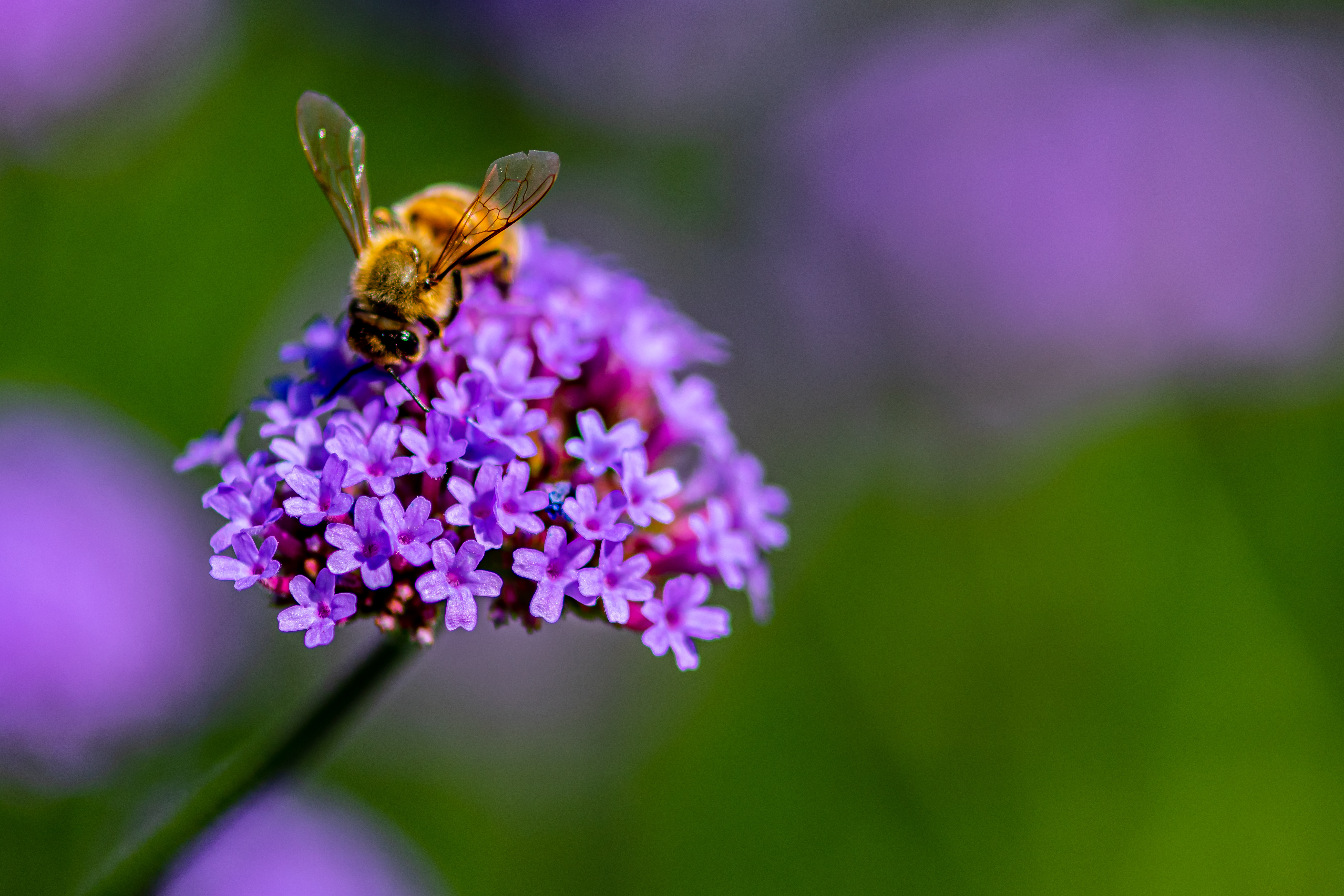
Bee stings can be an unpleasant surprise, often leaving behind pain, swelling, and discomfort. Thankfully, essential oils offer a natural and effective way to soothe these symptoms and promote healing. With their anti-inflammatory and antiseptic properties, oils like lavender, tea tree, and peppermint can provide much-needed relief and help prevent infection. In this guide, we will explore how to use these essential oils safely and effectively to treat bee stings. Whether you’re a seasoned essential oil enthusiast or new to natural remedies, you’ll find practical insights to help you manage bee sting discomfort with confidence.
Essential oils have gained popularity as natural remedies for various ailments, including bee stings. This section will explore why people choose these plant-based solutions and the common symptoms they aim to address.
Why Choose Natural Remedies
Natural remedies like essential oils appeal to many for their gentle yet effective approach to healing. They offer a holistic alternative to conventional treatments, often with fewer side effects.
Essential oils derive from plants, containing concentrated compounds that can soothe pain and reduce inflammation. Many people prefer these natural options because they align with a desire for chemical-free living.
Using essential oils for bee stings can be part of a broader wellness strategy, promoting overall health while addressing specific concerns. This approach often resonates with those seeking to take an active role in their well-being.
Common Symptoms of Bee Stings
Bee stings typically cause a range of uncomfortable symptoms that can vary in intensity from person to person. Understanding these symptoms is crucial for effective treatment.
The most immediate reaction is often sharp pain at the sting site, followed by redness and swelling. This localized inflammation can persist for several hours or even days.
Some individuals may experience itching or a burning sensation around the affected area. In rare cases, allergic reactions can occur, leading to more severe symptoms that require immediate medical attention.
Top Essential Oils for Bee Sting Relief
This section will highlight three of the most effective essential oils for treating bee stings: lavender, tea tree, and peppermint. Each oil offers unique benefits for pain relief and healing.
Lavender Oil for Pain and Soothing
Lavender oil is renowned for its calming properties and ability to alleviate pain. When applied to bee stings, it can provide quick relief and promote healing.
The anti-inflammatory properties of lavender oil help reduce swelling and redness at the sting site. Its natural analgesic effects can also help numb the pain, making it more bearable.
Lavender oil’s antiseptic qualities may help prevent infection, a common concern with insect bites and stings. Its gentle nature makes it suitable for use on sensitive skin, including children’s.
Research suggests that lavender oil can also help calm anxiety often associated with bee stings, especially in young children or those with a fear of insects.
Tea Tree Oil Benefits and Uses
Tea tree oil, known for its powerful antiseptic properties, can be an excellent choice for treating bee stings. It helps cleanse the affected area and prevent potential infections.
The anti-inflammatory effects of tea tree oil can help reduce swelling and redness around the sting site. This can lead to faster healing and less discomfort overall.
Tea tree oil’s natural pain-relieving properties may help soothe the sharp, burning sensation often associated with bee stings. Its cooling effect can be particularly comforting on hot, irritated skin.
When used properly, tea tree oil can be an effective part of your natural first aid kit for various insect bites and stings, not just those from bees.
Peppermint Oil for Cooling Relief
Peppermint oil offers a refreshing and cooling sensation that can be particularly soothing for bee stings. Its natural menthol content provides a numbing effect on the skin.
The cooling properties of peppermint oil can help reduce inflammation and itching associated with bee stings. This can bring quick relief to the affected area.
Peppermint oil’s analgesic properties may help alleviate pain, making it easier to manage the discomfort of a bee sting. Its pleasant aroma can also have a calming effect on the mind.
When used in combination with other essential oils, peppermint can enhance their effectiveness, creating a powerful natural remedy for bee stings.
Application Tips for Optimal Healing
Proper application of essential oils is crucial for maximizing their healing potential while ensuring safety. This section will cover safe methods and guidelines for using essential oils on bee stings.
Safe Application Methods
When using essential oils for bee stings, it’s important to apply them correctly to avoid skin irritation and ensure maximum effectiveness. Here are some safe methods:
- Dilute the essential oil with a carrier oil like coconut or jojoba oil before applying it to the skin. This helps prevent skin sensitivity and allows for better absorption.
- Use a clean cotton swab or pad to apply the diluted oil mixture gently to the affected area. Avoid rubbing vigorously, as this can further irritate the skin.
- For a cooling effect, you can create a compress by adding a few drops of diluted essential oil to a cold, damp cloth and applying it to the sting site.
Always perform a patch test before using any new essential oil to check for potential allergic reactions.
Dosage and Dilution Guidelines
Proper dilution is key to using essential oils safely and effectively for bee stings. Here are some general guidelines to follow:
For adults, a 2-3% dilution is typically recommended. This means adding 2-3 drops of essential oil per teaspoon (5ml) of carrier oil.
For children and those with sensitive skin, a lower dilution of 1% (1 drop per teaspoon of carrier oil) is advisable. Always consult with a healthcare professional before using essential oils on young children.
When using multiple essential oils, ensure that the total number of drops doesn’t exceed the recommended dilution ratio. It’s often best to start with a lower concentration and increase if needed.
Remember, more is not always better with essential oils. Stick to these guidelines to avoid skin irritation and maximize the healing benefits.
Understanding the Healing Process
Essential oils can play a significant role in the healing process after a bee sting. This section will explore how these oils work to reduce inflammation and prevent infection.
Anti-inflammatory Oils and Their Role
Anti-inflammatory essential oils are crucial in managing the swelling and discomfort associated with bee stings. They work by reducing the body’s inflammatory response at the sting site.
Oils like lavender and chamomile contain compounds that can help decrease redness and swelling. This not only alleviates pain but also speeds up the healing process.
Some anti-inflammatory oils also have analgesic properties, providing a dual benefit of reducing inflammation while also numbing pain. This combination can significantly improve comfort during recovery.
Regular application of these oils can help maintain a reduced inflammatory state, potentially shortening the overall healing time for the bee sting.
Preventing Infection with Essential Oils
Many essential oils possess natural antimicrobial properties, making them excellent for preventing infection in bee stings. This is particularly important as broken skin can be vulnerable to bacteria.
Tea tree oil, for example, is known for its powerful antiseptic qualities. It can help cleanse the sting site and create an inhospitable environment for harmful bacteria.
Other oils like eucalyptus and thyme also offer antimicrobial benefits. When used in combination, these oils can provide broad-spectrum protection against various pathogens.
Regular application of these antimicrobial oils can help maintain a clean wound environment, promoting faster and complication-free healing.
FAQs and Common Concerns
This section addresses frequently asked questions about using essential oils for bee stings, helping to clarify doubts and provide evidence-based answers.
Do Essential Oils Help Bee Stings?
Many people wonder about the effectiveness of essential oils in treating bee stings. The answer is generally positive, based on both anecdotal evidence and scientific research.
Essential oils can help bee stings in several ways. They can reduce pain and inflammation, prevent infection, and promote faster healing. Many users report significant relief after applying certain oils.
However, it’s important to note that individual responses can vary. What works well for one person may not be as effective for another. It’s always best to try a few different oils to find what works best for you.
While essential oils can be very helpful, they should not replace medical treatment, especially in cases of severe allergic reactions to bee stings.
Essential Oil Effectiveness for Bee Stings
The effectiveness of essential oils for bee stings can vary depending on several factors, including the type of oil used and how it’s applied. Here’s what research and user experiences suggest:
Lavender essential oil has shown promising results in reducing pain and inflammation from insect bites and stings. Its calming properties can also help alleviate anxiety associated with the incident.
Tea tree essential oil’s antiseptic properties make it effective in preventing infection, which is a common concern with bee stings. Users often report a soothing sensation when applying this oil.
Peppermint essential oil, known for its cooling effect, can provide quick relief from the burning sensation of a bee sting. Its analgesic properties can also help numb the pain.
While these oils show promise, it’s important to remember that they work best as part of a comprehensive approach to treating bee stings, which may include other remedies and proper wound care.
Stay Connected for More Natural Living Inspiration
If you enjoyed this post about herbal wellness and love discovering natural ways to refresh your home and wellness, don’t miss out on future recipes and clean-living tips! Subscribe to the blog for weekly DIYs, wellness inspiration, and herbal remedies delivered straight to your inbox.
Don’t forget to visit my LinkTree for the links to my favorite essential oils, herbal teas, natural recipes, YouTube ambiance videos for sleeping; a project I created to help with insomnia symptoms and the second channel, Rooted in Nature YouTube Channel both channels feature herbal recipes for wellness and home.
Thanks for coming by!
Leave a Reply