

(DISCLAIMER: I am not a doctor, and you should consult your healthcare professional before starting any health regimen. Product links are commissioned and supports the blog)

Key Takeaways
- Some essential oils may help repel ticks, and the oils with the most support are cedarwood essential oil, geranium essential oil, thyme essential oil, clove bud essential oil, and oregano essential oil.
- Current research is promising but mixed. Most data comes from lab studies, so results in daily life can vary.
- Cedarwood oil and geranium oil are often the easiest place to start because they’re widely used and tend to be simpler for beginners.
- Thyme oil, clove bud oil, and oregano oil may be stronger against ticks, but they can also irritate skin more easily.
- Essential oils should always be diluted. Don’t apply them neat, or undiluted, to skin.
- Reapply oils more often than standard repellents, often every few hours outdoors.
- Pair oils with tick checks, long socks, light-colored clothes, and smart yard habits.
- Use extra caution with pets, especially cats, because many essential oils can be harmful to them.
You head out for a spring walk, grass brushing your socks, your dog zigzagging with a happy pull on the leash. It feels harmless until you spot a tick later, tiny, stubborn, and easy to miss.
That’s why so many people look for essential oils to prevent ticks. Some oils may help repel ticks, but they’re not a magic wall. As of April 2026, the best evidence still comes mostly from lab studies, not large real-world trials. So it helps to think of these oils as a natural tick repellent, one layer of protection, not the whole plan.
Which Essential Oils to Prevent Ticks and Repelling Ticks are Most Effective?
If you want the short version, several essential oils show tick-repelling action in studies, but none should be treated like a perfect shield. Lab testing has found strong activity from cedarwood, geranium, thyme, clove, and oregano, especially against black-legged ticks and lone star ticks. Still, oils usually fade faster than DEET or picaridin, so they need more frequent use for effective repelling ticks.
As of April 2026, recent summaries still point to the same pattern. Many people prefer these essential oils over synthetic repellents, and oil of lemon eucalyptus stands out as a CDC-recognized option. Essential oils may help, especially at higher concentrations, but most haven’t been tested in large outdoor trials on people. That means the evidence is useful, though not absolute.
If you already like plant-based bug routines, you may also enjoy learning about essential oils that repel flies effectively, since many readers build layered outdoor habits rather than relying on one product.
Cedarwood and geranium, the most practical place to start
Cedarwood is often the easiest first pick. Studies have linked cedarwood, and compounds such as cedrol, with strong action against multiple tick species. It’s commonly used in sprays for clothing and gear because the scent is woodsy, simple, and easier to live with than hotter oils.
Geranium, often rose geranium, also stands out. In some research, geranium or its key scent compound, geraniol, has performed close to common repellency benchmarks. That doesn’t mean it works exactly like DEET in everyday life, but it does make geranium one of the more promising oils in this group.
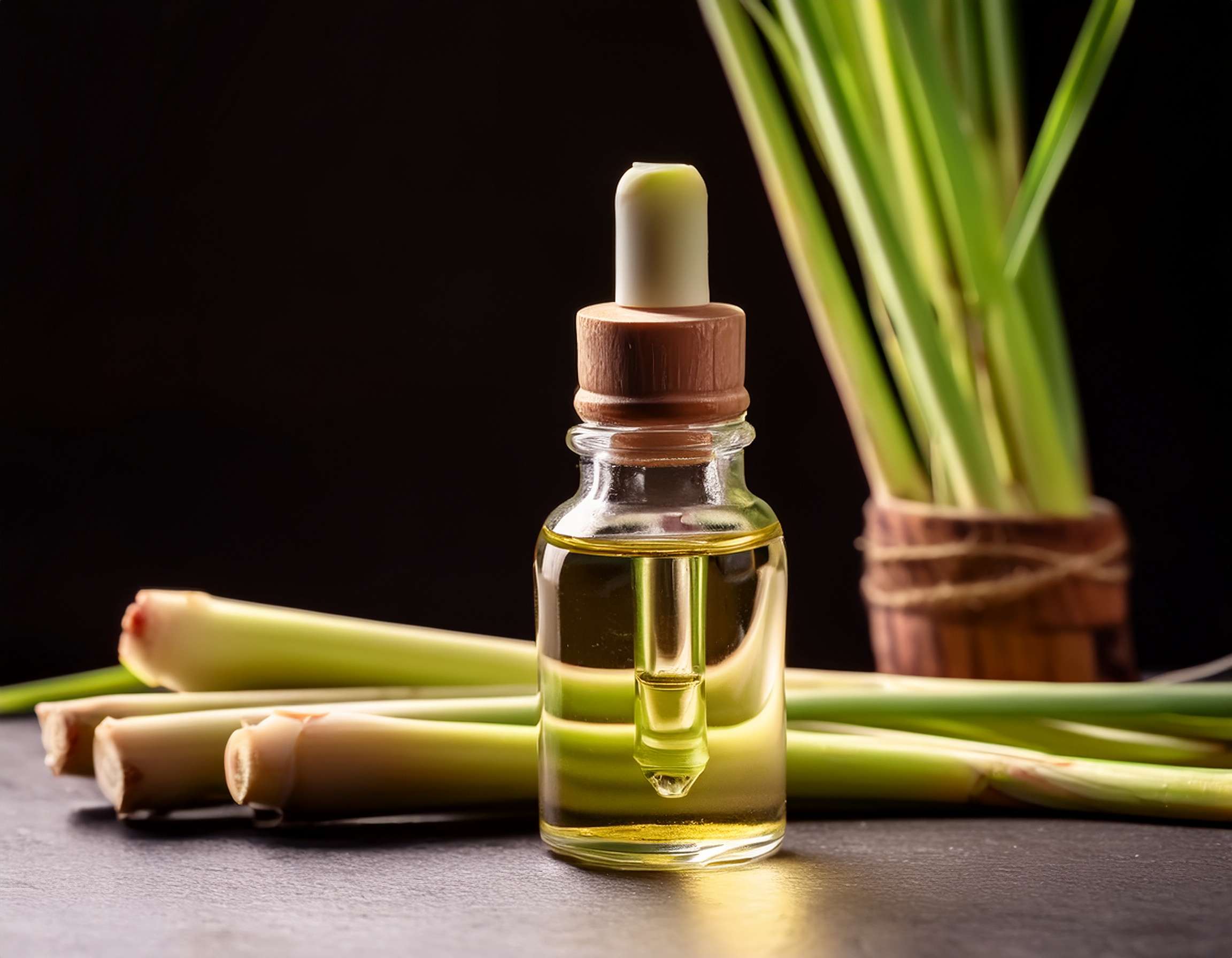
These two oils are often discussed for people and dogs because they’re practical and familiar. They pair well in blends with secondary options like citronella oil, lemongrass oil, peppermint oil, and lavender oil, which are frequently added for broader repelling ticks coverage. Still, “natural” doesn’t mean “use as much as you want.” Dilution matters, and sensitive skin can still react.
You may have seen cedarwood recommended in other pest routines, too, including top essential oils to repel lice naturally. That overlap makes sense, because some oils seem to bother several pests at once.
Red thyme oil, clove, and oregano, stronger oils that need more care
Red thyme oil, clove, and oregano often show strong activity in tests, but they come with a trade-off. Their scent is sharper, and their skin irritation risk is higher.
Red thyme oil can be a solid choice in blends, especially for clothing sprays. Some studies place it behind the top performers, while others show useful repellency at modest concentrations. It’s active, but not always gentle. Complementary scents like rosemary oil and spearmint oil can help balance blends.
Clove has posted some of the strongest lab results against ticks. That sounds impressive, and it is. Yet clove oil can be harsh on skin, especially if someone overdoes it or skips dilution. The same caution applies to oregano, which is potent and easy to misuse. Oregano oil has shown strong repellent and even tick-killing activity in some settings, but it’s one of the last oils to apply casually.
Stronger essential oils may smell like they mean business, but they also demand more care.
For most readers, the sweet spot is simple. Start with cedarwood or geranium, then use red thyme oil, clove, or oregano more carefully, and usually more for clothes and gear than for skin.
How to use essential oils for ticks without making common mistakes
The biggest mistake is also the easiest to avoid, don’t put essential oils straight on skin. “Undiluted” or “neat” application can cause skin irritation, stinging, reddening, or sensitizing skin, especially with oregano, clove, and thyme.
Dilution simply means mixing a few drops of essential oil into a larger amount of a safer base, like a carrier oil. For skin, that base is usually a carrier oil such as jojoba or fractionated coconut oil. For clothing sprays, people often use water plus witch hazel or a proper dispersing base, because oil and water don’t stay mixed on their own.
A calm routine works better than a dramatic one. Apply your diluted essential oils blend before a walk, yard work, or a hike. Focus on shoes, socks, pant legs, ankles, and lower legs, because ticks usually climb from the ground up. Then reapply every few hours, sooner if you sweat a lot or spend time in thick brush.
A patch test matters too. Put a small amount on one area of skin and wait 24 hours. If you get redness, burning, or itching, stop. Also keep blends away from eyes, mouth, broken skin, and freshly shaved skin.
For high-risk areas, essential oils are best used as an extra layer. Long pants tucked into socks, showering after time outside, and checking your scalp, waistline, armpits, and behind the knees still matter more than scent alone.
Never apply oregano, clove, thyme, geranium, or cedarwood oil neat to skin.
A simple tick spray recipe for clothes and gear
This spray is for fabric and gear, not your face and not your cat’s space.
In a 2-ounce spray bottle, combine 2 tablespoons distilled water, 2 tablespoons witch hazel (an emulsifier), 10 drops cedarwood oil, and 6 drops geranium oil. If you prefer a sharper blend, swap the geranium for 4 drops thyme oil.
Shake well before each use. Spray lightly on shoes, socks, pant legs, backpacks, and the outside of outdoor hats. You can also use it on pet bedding if it’s for dogs and the dog tolerates it well, but keep it away from cats. Spot test delicate fabrics first, because oils can stain.
This kind of spray is quick and practical. Still, it fades fast, so refresh it every 2 to 3 hours outside.
A skin-safe roller blend for adults
For a simple roll-on, fill a 10 mL roller bottle with jojoba oil or fractionated coconut oil. Then add 2 drops cedarwood and 1 drop geranium. That’s a low, conservative dilution that works better for daily use.
Apply it to ankles, lower legs, and wrists before heading outside. Don’t use it near eyes, lips, inside the nose, or on broken skin. After a long walk, reapply if needed, then wash your hands.
If you have sensitive skin, go even lower. Children, pregnancy, and people with skin conditions may need a more cautious dilution or guidance from a qualified clinician. When in doubt, less is smarter.
What to know before using essential oils on pets, kids, or around the home
This is where caution matters most. While some essential oils may be tolerable for humans and dogs, cats and children don’t handle them the same way. A blend that seems mild to you may be too much for a pet or a child with thin, reactive skin.
Cats need special care. Their bodies don’t process many essential oil compounds well, and even inhaled or groomed-off exposure can be a problem. Because of that, it’s safest to avoid using these tick oils on cats, on cat bedding, or in rooms where cats can’t get away from the scent.
Dogs are often more tolerant than cats, but that doesn’t make every oil safe. Even with dogs, essential oils should never replace veterinary tick prevention in high-risk areas to guard against tick bites and tick-borne diseases such as Lyme disease, which are on the rise in many parts of the US, and spring 2026 has started early in some regions. For many pets, a vet-approved product still does the heavy lifting.
Store all oils and DIY blends out of reach of children. Use them in well-ventilated spaces. If a pet shows drooling, vomiting, wobbling, or unusual behavior after exposure, stop use and call a vet right away.
Why essential oils are only one part of tick prevention
Ticks don’t care whether your routine looks natural or store-bought. They wait low, grab fast, and hide well. That’s why barriers and habits still matter.
Wear long socks and light-colored clothes so ticks are easier to spot. Stick to paths when hiking, and avoid brushing against tall grass and leaf litter when you can. After time outdoors, do a full tick check for tick larvae as well as adult ticks during post-walk inspections, then shower and check pets too, especially around ears, collar area, toes, and belly.
Essential oils can help tip the odds a little. Your daily habits do the rest.
Frequently Asked Questions
Are essential oils as effective as DEET or picaridin for preventing ticks?
Essential oils like cedarwood, geranium, thyme, clove, and oregano show promising repellency in lab studies, but they fade faster than synthetic options like DEET and often need reapplication every few hours. They’re a useful natural layer, not a full replacement, especially without large real-world trials confirming equal performance. Pair them with clothing choices and tick checks for better results.
Can I apply essential oils directly to my skin without diluting them?
No, never apply essential oils neat or undiluted to skin, as they can cause irritation, redness, or sensitization, especially stronger ones like oregano, clove, and thyme. Always dilute in a carrier oil like jojoba for skin or witch hazel sprays for clothes. Start with a patch test and use conservative ratios, like 2 drops per 10 mL base.
Are essential oils safe for pets, especially cats and dogs?
Cats should avoid these oils entirely, as many are toxic to them even through inhalation or grooming. Dogs may tolerate diluted cedarwood or geranium better, but never skip vet-approved preventives and test small areas first. If your pet shows any odd behavior like drooling or wobbling, stop use and call a vet right away.
How do I make essential oils last longer outdoors?
Reapply diluted blends every 2-3 hours, sooner if sweating or in brush, since oils evaporate faster than commercial repellents. Focus on ankles, socks, shoes, and pant legs where ticks climb. Combine with long clothes, path-walking, and full tick checks for a layered approach that works.
The bottom line on essential oils to prevent ticks
A good tick routine feels less like a miracle and more like tying your boots before a walk. It’s simple, steady, and built on layers. Cedarwood, geranium, thyme, clove, and oregano may offer useful support as a natural tick repellent, but safe dilution and realistic expectations matter.
Start with one gentle blend, test it carefully, and use it where it makes the most sense for repelling ticks, on socks, shoes, pant legs, or a low-dose roller. Then keep doing the unglamorous things that work, check for ticks, check your dog, and don’t let a pretty spring day fool you.
Stay Connected for More Natural Living Inspiration
If you enjoyed this post about herbal wellness and love discovering natural ways to refresh your home and wellness, don’t miss out on future recipes and clean-living tips! Subscribe to the blog for weekly DIYs, wellness inspiration, and herbal remedies delivered straight to your inbox.
Don’t forget to visit my Amazon storefront for the links to my favorite essential oils, herbal teas, and natural recipes. I also create YouTube ambiance videos for sleeping; a channel I created to help people who have trouble sleeping. The link to all social media content is here.
Thanks for coming by!



Leave a Reply